Indiegogo Travel Bags: What Works, the Risks and Reward Design
Travel bags are the most rewarding and the most exposed category on Indiegogo. A travel bag reward sells at a high pledge level, which funds the campaign, and it carries the two risks that break bag campaigns: a high unit cost against a flexible funding shortfall, and an oversize freight penalty on a 40 L or 60 L carton. The working minimum is 500 pcs per style and per colourway, sampling takes 6 to 10 working days and 12 to 15 on a complex build, and bulk takes 35 to 50 days. Design the tiers around one 40 L bag rather than three sizes, and test the strap and the handle at 20 kg before you photograph it.
- Why travel bags do well on Indiegogo and where they fail
- The three sizes that matter and what they do to freight
- Flexible funding on a high unit cost reward
- Reward design that converts: tiers, add-ons and one bag at two levels
- The specification risks specific to a travel bag
- Freight and the oversize penalty
- InDemand: turning a travel bag into a product line
- Sampling, the load test and the sample that lies
- What the travel bag campaigns that worked had in common
- A reward design checklist for an Indiegogo travel bag
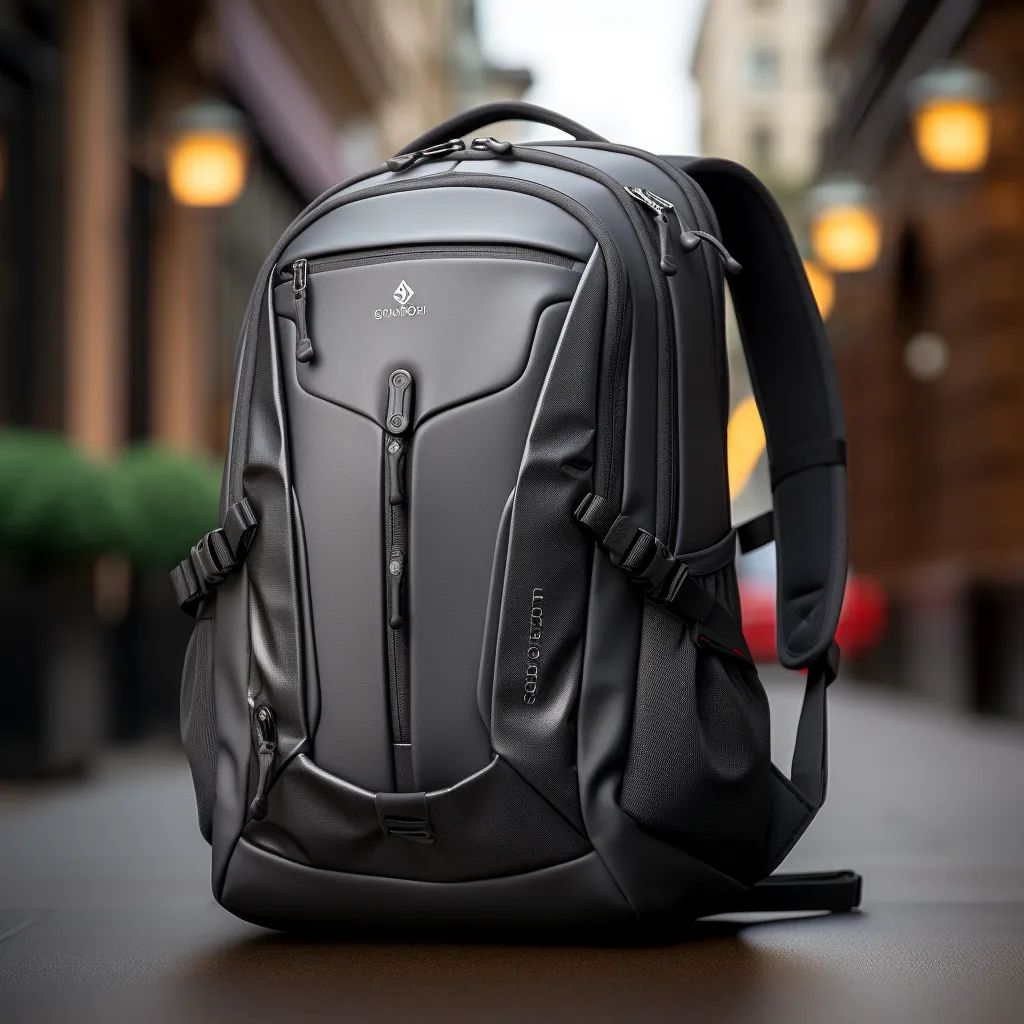
A travel bag is the highest value physical reward most Indiegogo creators will ever ship, and that is exactly why it attracts them. A 40 L travel bag can sit at a 200 dollar tier and still look like value to a backer who has priced equivalent retail products. It is also the reward most likely to be caught by two things at once: a flexible funding shortfall that leaves the campaign owing a high unit cost reward at low volume, and an oversize freight penalty that none of the early budget conversations included. This guide is for creators planning a travel bag reward on Indiegogo and it concentrates on those two risks, on the size decision that causes both of them, and on the tier design that makes a travel bag sell. The production constants apply as always: 500 pcs per style and per colourway, 6 to 10 working days of sampling and 12 to 15 on a complex construction, 35 to 50 days of bulk, AQL 2.5 to ISO 2859-1 and FOB Xiamen with T/T 30/70.
Why travel bags do well on Indiegogo and where they fail
Travel bags do well because the category converts. A backer knows what a travel bag costs, can compare the campaign price against a retail price in a second, and can imagine using the item on a trip they have already planned. The travel audience is also international, which suits a platform with a more international backer mix than its main competitor. A campaign we supported sold most of its units to backers outside the creator's home market, and the pattern is common enough to plan for.
They fail for four reasons, and the four are related. The first is size creep: the page promises a 45 L bag because a larger number reads as better value, and the freight bill arrives for a carton that is now in an oversize class. The second is the shortfall: a 40 L bag costs two to three times what a tote costs, so a flexible funding campaign that lands at 40 percent of target owes a reward whose unit cost does not fit the money it has. The third is the feature list: a travel bag campaign that promises ten features has to deliver ten features, and each one is a failure point. The fourth is the timeline, because a structured bag with custom hardware takes longer to sample than a flat packed one.
None of these is a reason to avoid the category. All four are reasons to make the size decision early, to model the shortfall before the page goes live, to cut the feature list to the four that matter, and to commission the sample six weeks before the page rather than two. The platform mechanics themselves are set out in our Indiegogo and multi-platform crowdfunding guide; what follows is the production and reward design side of the same plan.
The three sizes that matter and what they do to freight
Three sizes account for almost all travel bag rewards: 30 L, 40 L and 60 L. A 30 L bag is the personal item size, it packs into a carton that no carrier treats as oversize, and it is the cheapest of the three to make and to ship. A 40 L bag is the one most carriers will still accept as a checked or a cabin bag on many airlines, it is the size buyers actually want for a week away, and it is the most competitive segment of the category. A 60 L bag is a genuine travel pack and it is where the freight arithmetic starts to hurt.
The reason is volumetric weight. Carriers price on whichever is greater, the actual weight or a volumetric calculation on the carton dimensions. A 60 L bag that weighs 1.8 kg empty can be billed as though it weighed 12 kg or more once the carton is measured, because the carton is large and the bag does not compress. The multiplier differs by carrier and by lane, so the practical step is simple: before the page goes live, ask for the carton dimensions for each size you are considering, then ask your freight provider for the volumetric weight on each of them. The answer is often the entire business case for choosing 40 L over 60 L.
For most Indiegogo travel bag campaigns the right answer is a 40 L primary with a 30 L as a stretch goal or a second tier. It is the size a backer understands, it is the size the carton can carry without a volumetric penalty on most lanes, and it is the size that retail competitors price visibly, which makes the value comparison on the page easy. A 60 L bag is a second product for a second campaign, not a first one. The packing and carry decisions for this category are covered in more depth in the custom travel bags for Kickstarter guide.
Flexible funding on a high unit cost reward
Flexible funding is the platform feature that makes a travel bag campaign viable and dangerous in equal measure. It means the campaign keeps what it raises, so a travel bag creator is not left with nothing after a partial raise. It also means the obligation to produce 500 units of an expensive product can arrive with a fraction of the money the budget assumed. A 40 L travel bag with custom hardware might land at 28 to 45 dollars per unit at 500 units and 45 to 70 at 150, because the tooling and the material minimums spread across fewer pieces.
The response is a tier structure that does not depend on the campaign hitting target. Three mechanisms do the work. The first is to set the bag at a tier that is high enough to carry its own cost: if the landed cost is 40 dollars, a 129 dollar tier is a problem and a 199 dollar tier is a plan. The second is to sell the bag as an add-on at every tier, which lifts volume without adding a new style. The third is to publish a shortfall policy on the page, stating that the first run is 500 units and that further sizes unlock at defined levels.
There is a fourth mechanism that is unpopular and effective: make the stretch goals additive rather than generative. A stretch goal that adds a packing cube or a shoe pouch to the same 40 L bag costs a few dollars and does not create a new production event. A stretch goal that unlocks a new size creates a second minimum, a second sample and a second freight line. Campaigns that use additive stretch goals finish closer to their published schedule, and that has been true across the more than 20 crowdfunding programmes this production team has supported since 2014.
Reward design that converts: tiers, add-ons and one bag at two levels
The tier structure that works for a travel bag on Indiegogo is narrower than most creators expect. Three physical tiers are enough: an early bird at roughly 70 percent of the standard tier, a standard tier that carries the bag, and a bundle tier that carries the bag plus the accessories. A fourth tier that carries a second size is usually a mistake, because it doubles the minimum and halves the volume in each.
Using one bag at two levels is the mechanism that makes the structure work, and it needs a visible difference between the levels. The cheapest way to do it is a colourway, since a second colourway of the same style is a real differentiation to a backer and a much smaller production event than a second size. The second cheapest is an accessory bundle: a packing cube, a shoe pouch or a laundry bag made from the same fabric, which uses the same material and the same setup and costs a few dollars. Both approaches meet the 500 pcs per style and per colourway minimum once rather than twice.
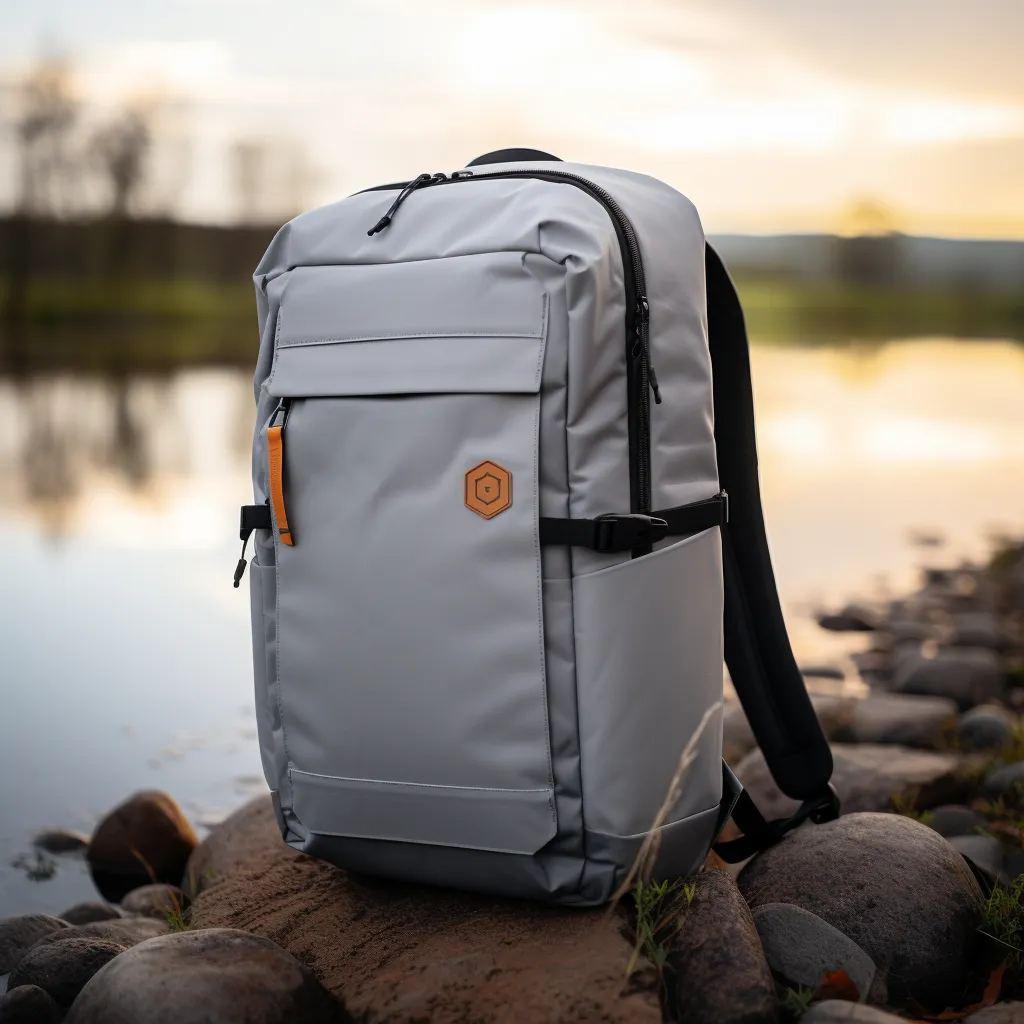
Add-ons are the part most creators underuse. A packing cube set, a laundry bag, a shoe pouch and a strap pouch are all small, cheap to make from the same fabric and attractive to a backer who has already committed to the bag. They also lift the average pledge by a useful amount without a new style, and because they are cut from the same material as the bag they carry no additional fabric minimum. On one travel bag programme we supported, the add-on attach rate lifted the realised revenue per backer by roughly a quarter.
The specification risks specific to a travel bag
A travel bag fails at its load bearing points, and it fails in a way that a photograph cannot hide. Four places do the damage. The handle attachment, because a travel bag is lifted loaded. The shoulder strap and its hardware, because a 40 L bag is heavier than the backer expects. The zip at the main opening, because a travel bag is over packed. And the base, because a travel bag is stood on a floor. Each has a specification answer, and each answer costs a small amount at the sampling stage and a great deal after.
The handle should be box stitched and carried into the body panel rather than tacked to the top seam, and the webbing should run under the panel rather than stopping at it. The strap should be specified with a rated buckle and a ladder lock that will not slip under load, and the hardware should be a metal or a high grade acetal rather than a commodity plastic. The main zip should be a number 8 or number 10 coil rather than a number 5, which is the single cheapest upgrade on a travel bag and the one that prevents the most complaints.
The base is the one creators forget. A travel bag that slumps when it is put down looks cheap in the first week and the reviews will say so. A base stiffener, a moulded foot or a structured panel at the bottom of the bag costs a small amount and changes the perceived quality more than any other single element. It also changes the carton, because a structured base will not compress, which is why the freight conversation and the base conversation belong together.
Freight and the oversize penalty
Freight on a travel bag is where a good campaign becomes a loss making one, and the mechanism is not the weight. It is the carton. A carton above a carrier's dimensional threshold is charged on volumetric weight, and carriers also apply oversize surcharges above a defined longest side. Both thresholds differ by carrier and by lane, and both change, so the only reliable approach is to get the carton dimensions from the production team and hand them to the freight provider before the page is published.
| Bag size | Packed carton impact | Volumetric exposure | Practical guidance |
|---|---|---|---|
| 30 L, flat packed | Carton nests well, 10 to 14 bags per carton | Low, usually charged on actual weight | The cheapest size to ship and to store |
| 40 L, soft structure | Carton holds 6 to 9 bags | Moderate, volumetric may exceed actual at low density | The default choice for most campaigns |
| 40 L, structured base | Carton holds 5 to 7 bags, will not compress | Moderate to high, carton volume rises | Ask for the carton size before quoting the tier |
| 60 L, structured | Carton holds 3 to 5 bags | High, volumetric usually exceeds actual | Usually a second campaign, not a first reward |
| Packing cube set | Flat, nests inside the bag carton | Negligible when kitted with the bag | Ship inside the bag and save a carton |
One tactic recovers most of the loss. Kitting the accessories inside the bag removes a carton and a pick, because a packing cube set and a shoe pouch can be packed inside the 40 L bag at origin. That requires the accessories to arrive at the packing site before the bags do, which is a scheduling detail rather than a technical one, and it means the accessories should be ordered with the bag rather than after it. The wider mechanics of consolidated dispatch are set out in crowdfunding rewards fulfilment.
The second recovery tactic is to decide the freight model from the volume. Below roughly 300 units, a direct postal or a courier model is usually the only option and the volumetric charge is unavoidable. Between 300 and 800, a consolidation into a destination country 3PL lets the campaign pay container rates rather than parcel rates on the international leg, and it is the single largest saving available on a travel bag programme. The decision should be made with real carton dimensions in hand, not with an assumption.
InDemand: turning a travel bag into a product line
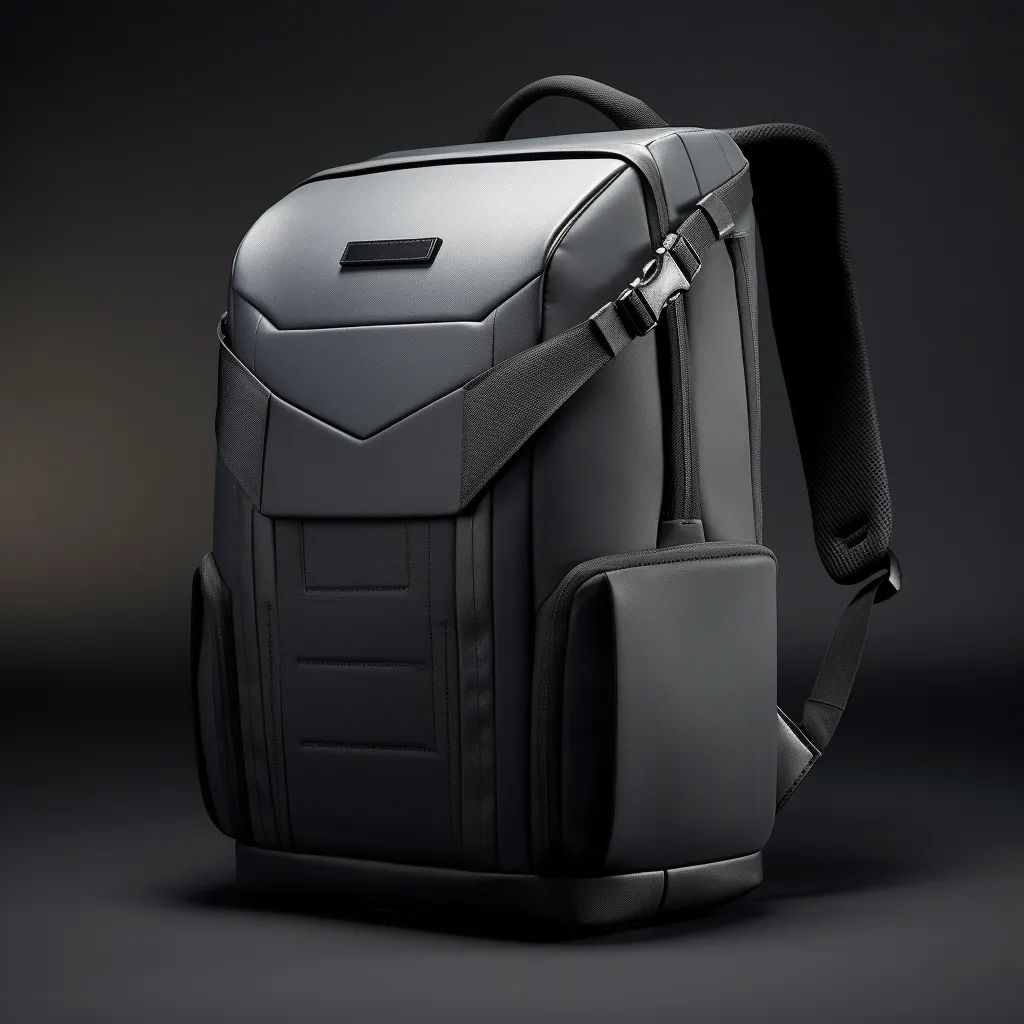
InDemand is the reason a travel bag is worth the effort. A travel bag is a durable product with a real retail price comparison, which means it keeps selling after the live window closes in a way that a novelty item does not. The campaigns that treat InDemand as the beginning of a product line rather than as an afterthought are the ones where the travel bag becomes a business. The mechanics are unromantic: a monthly cadence, a published dispatch window and a held specification.
The cadence matters because travel bag reorders are small and the unit cost is volume sensitive. Collecting InDemand orders for four weeks and placing one reorder of 250 to 500 units will cost meaningfully less per unit than four weekly reorders of 60 to 120. The saving is the setup amortisation, which on a structured travel bag with custom hardware is larger than on any other bag category. Publish a four to six week dispatch window for each InDemand batch and the backers who buy in weeks one and four receive the same promise.
The held specification is what makes the cadence work. If the fabric, the hardware and the print file are recorded and stockable, a reorder can be sampled in 6 to 10 working days and produced in 35 to 50 days. If the bag uses a custom moulded puller or a bespoke woven fabric, the tooling or the mill minimum applies again and the reorder behaves like a first order. Ask at the first order which components are held, and treat that answer as part of the product design rather than as a procurement detail.
Sampling, the load test and the sample that lies
A travel bag sample is the most seductive object in the bag categories, because a prototype is made by a skilled pattern maker with time and care, and it will be better made than the average production unit. This is not dishonesty, it is the nature of prototyping, and it is why the sample approval for a travel bag should include a test rather than an inspection. The test is a load test and it takes twenty minutes.
Fill the bag to 20 kg with something dense and repeatable. Lift it by the handle and hold for 30 seconds, then set it down and look at the handle attachment. Lift it by the shoulder strap and repeat, then walk 50 metres with it. Open and close the main zip 30 times while the bag is full, which is the test that reveals a zip that was too small or a tape that was cut too short. Set the loaded bag on the floor and see whether it stands. Each of these has a pass condition and each should be recorded in the approval.
Then do the travel specific tests. Pack it as a backer would pack it, with a pair of shoes, a toiletry bag and a laptop, and see whether the access the page promised still works when the bag is full. Most travel bag pages promise a laptop compartment at a specific size, and most of them are photographed empty. Test the compartment with the stated device plus a sleeve. If the page says the bag fits under a seat or in an overhead bin, check the packed dimensions against a current airline figure rather than against a memory of one, because the allowances differ and they change.
The sample schedule for a travel bag is longer than for any other reward in this category, and it should be planned as such. A standard construction samples in 6 to 10 working days and a complex one in 12 to 15, and a travel bag with custom hardware, a moulded back panel or a bespoke fabric tends to land in the longer band. Add a second sample after the load test, because the first will reveal one change. Working backwards, commission the sample six weeks before the page and two to three months before you need the photographs.
What the travel bag campaigns that worked had in common
- They chose one size and defended it, usually 40 L, rather than offering three
- They used additive stretch goals such as a packing cube rather than generative ones such as a new size
- They published a shortfall policy and a first run quantity on the page
- They cut the feature list to four things and made those four work
- They got the carton dimensions from the production team before they set the tier price
- They ran a 20 kg load test and recorded the result before approval
- They treated InDemand as a monthly reorder cadence with a published window
Seven items, and none of them is a marketing tactic. That is the pattern worth noticing, because the travel bag category on Indiegogo rewards operational discipline more than it rewards a clever page. A travel bag is a product a backer will judge over a year of use, and the campaigns that understood that made their decisions in the specification and the freight plan rather than in the copy. A campaign bag specialist will tell you which two or three of the seven are missing from a given plan, and will say so before you publish.
The other thing the successful ones had in common was a willingness to say no. They did not add a 60 L because a backer asked in the comments. They did not promise a lifetime guarantee on a component they had not tested. They did not announce a delivery date based on the production time alone. Saying no in the comments is uncomfortable for a week and it saves a campaign, which is the same trade a production programme makes when it declines a specification it knows will fail.
A reward design checklist for an Indiegogo travel bag
- Pick the 40 L and get the carton dimensions before the page exists
- Model the shortfall at 40 percent of target and set the tier to carry it
- Build three physical tiers: early bird, standard and bundle
- Make the stretch goals additive and priced, not generative
- Sell a packing cube and a shoe pouch as add-ons, cut from the same fabric
- Specify a number 8 or number 10 coil zip, a box stitched handle and a structured base
- Approve the sample against a 20 kg load test, not against a photograph
- Kit the accessories inside the bag to remove a carton
- Choose a consolidation 3PL above roughly 300 units, with real carton data
- Record the full specification at the first order so InDemand reorders reuse the setup
Ten items on a checklist is a lot, and the two that most often get dropped are the carton and the shortfall. The carton is dropped because it is not visible on the page and does not affect how the bag looks in a photograph, and it is the single largest line in the landed cost of a 40 L bag. The shortfall is dropped because nobody wants to plan for raising 40 percent of target. Drop either and the campaign will still launch, and it will launch with a number in it that was never checked. Our programme coordinator works through the list in one call and returns a costed plan against it.
Key takeaways
- A
- t
- r
- a
- v
- e
- l
- b
- a
- g
- r
- e
- w
- a
- r
- d
- i
- s
- w
- o
- n
- o
- n
- t
- h
- r
- e
- e
- d
- e
- c
- i
- s
- i
- o
- n
- s
- m
- a
- d
- e
- b
- e
- f
- o
- r
- e
- t
- h
- e
- p
- a
- g
- e
- :
- o
- n
- e
- s
- i
- z
- e
- ,
- a
- t
- i
- e
- r
- t
- h
- a
- t
- c
- a
- r
- r
- i
- e
- s
- i
- t
- s
- o
- w
- n
- c
- o
- s
- t
- ,
- a
- n
- d
- a
- c
- a
- r
- t
- o
- n
- w
- h
- o
- s
- e
- v
- o
- l
- u
- m
- e
- t
- r
- i
- c
- w
- e
- i
- g
- h
- t
- t
- h
- e
- b
- u
- d
- g
- e
- t
- a
- l
- r
- e
- a
- d
- y
- i
- n
- c
- l
- u
- d
- e
- s
- .
Send the size, the feature list and the target volume, and we will return a carton plan, a unit cost and a sample schedule through our quote page, or email service@junyuanbags.com.
Frequently Asked Questions
What size travel bag should an Indiegogo campaign offer first?
A 40 L. It is the size a backer understands, it is the size retail competitors price visibly, and it is usually the largest size whose carton avoids a serious volumetric penalty. A 30 L works as a stretch goal or a second tier. A 60 L usually does not, because a structured 60 L carton holds only 3 to 5 bags and the freight is charged on volume rather than weight.
What is the minimum order for a travel bag reward?
The minimum is 500 pcs per style and per colourway. Because a travel bag has a high unit cost, the minimum is usually met with one style in one or two colourways rather than with two sizes. Sampling takes 6 to 10 working days, 12 to 15 on a complex construction, and bulk takes 35 to 50 days. A structured travel bag with custom hardware tends to land in the longer band.
How does flexible funding affect a travel bag campaign?
It means the obligation to produce can arrive with less money than the budget assumed. A 40 L bag might land at 28 to 45 dollars per unit at 500 units and 45 to 70 at 150, because the tooling and material minimums spread across fewer pieces. Model the shortfall, set the tier high enough to carry its own cost, and publish a first run quantity on the page.
Why is freight so expensive on a travel bag?
Because carriers charge on volumetric weight, not on actual weight. A 60 L bag that weighs 1.8 kg empty can be billed as though it weighed 12 kg or more, because the carton is large and the bag will not compress. Carriers also apply oversize surcharges above a defined longest side. Get the carton dimensions from the production team and hand them to the freight provider before you publish.
Should a travel bag campaign offer two sizes?
Usually not on a first campaign. Two sizes mean two minimums, two samples and two freight lines, and they halve the volume in each. The better structure is one size in two colourways, or one size with an accessory bundle at the higher tier. A second size is a second campaign once InDemand has shown which one sells, and that evidence is worth waiting for before you commit to a second minimum.
What zip should a travel bag use?
A number 8 or number 10 coil zip on the main opening, rather than a number 5. It is the cheapest upgrade available on a travel bag and the one that prevents the most complaints, because a travel bag is over packed and the zip is opened under tension. Specify a branded or a rubberised puller as well, because it is the part the backer touches.
How should I test a travel bag sample?
Fill it to 20 kg. Lift it by the handle, hold for 30 seconds and inspect the attachment, then lift by the strap and walk 50 metres. Open and close the main zip 30 times while it is full. Set the loaded bag down and see whether it stands. Then pack it as a backer would and check the laptop compartment with the stated device plus a sleeve.
How long does a travel bag take to produce?
Longer than most rewards in the category. A standard construction samples in 6 to 10 working days and a complex one in 12 to 15, then bulk takes 35 to 50 days. Commission the sample six weeks before the page and two to three months before you need the photographs, and allow a second sample because the first will reveal a change.
Can accessories ship inside the bag?
Yes, and they should. A packing cube set or a shoe pouch packed inside the 40 L bag at origin removes a carton and a pick, which is a real saving on a volumetric charge. It requires the accessories to arrive at the packing site before the bags do, so order them with the bag rather than after it, and the two share a single customs entry.
How should InDemand reorders be scheduled?
On a four week cadence with a published dispatch window. Collecting orders for a month and placing one reorder of 250 to 500 units costs meaningfully less per unit than four weekly reorders, because the setup amortisation on a structured bag is larger than on any other category. A held specification can be reordered in 6 to 10 working days of sampling.
What should the tier price be for a 40 L travel bag?
High enough to carry its own landed cost. If the bag lands at 40 dollars including freight and duty, a 129 dollar tier is a problem and a 199 dollar tier is a plan, because the tier also has to cover the platform fee, the payment fee and a damage reserve. Build the landed number first and work from there.
What is the most common failure on a travel bag reward?
The handle attachment and the main zip. A travel bag is lifted loaded and over packed, so the handle webbing and the zip tape carry loads that a tote never sees. Both are cheap to specify correctly at the sampling stage: box stitch the handle and run the webbing under the panel, and upgrade the zip to a number 8 or a number 10 coil.
People Also Ask
Are travel bags a good Indiegogo reward?
Yes. The category converts because a backer can compare the campaign price against a retail price instantly. It is also the most freight sensitive category, so the carton decision matters as much as the page.
What is volumetric weight?
The weight a carrier charges based on a carton's dimensions rather than its scale weight. Carriers bill whichever is greater, which is why a large light bag can cost more to ship than a small heavy one.
Is 40 L or 60 L better for a travel bag campaign?
40 L. It is the size most airlines accept, the size buyers want for a week away, and the size whose carton usually avoids the worst of the volumetric penalty. 60 L is a second campaign.
How many tiers should a travel bag campaign have?
Three physical tiers: an early bird, a standard tier and a bundle tier. More than three usually means a second size or a second colourway, and each carries its own production minimum.
Should stretch goals add a new size?
No. Additive stretch goals such as a packing cube cost a few dollars and do not create a production event. A generative one such as a new size creates a second minimum, a second sample and a second freight line.
Can a travel bag be sold after the campaign?
Yes, and it usually is. InDemand keeps the page selling, and a travel bag holds a retail price comparison that keeps converting. Plan the reorder cadence from the start.
What makes a travel bag look cheap in reviews?
A base that slumps when the bag is put down, a handle that tacks to the top seam, and a zip that snags when the bag is full. All three are fixed at the specification stage for a small cost.