Tech Bag Case Studies: Three Hardware Campaigns With Bag Perks
Three anonymised campaigns we supported, each pairing hardware with a custom bag perk. A mechanical keyboard campaign turned a simple sleeve into the most attached add-on; a portable monitor campaign made the case a hero tier; a third device campaign let its bag run late through parallel development. The recurring lessons are specification freeze before tooling, 500 pcs per style and per colourway, sampling in 6 to 10 working days, production in 35 to 50 days, and inspection to AQL 2.5 to ISO 2859-1.
- How to read these three case studies
- Case A: the mechanical keyboard campaign and its sleeve
- What Case A got right, and what it cost to fix
- Case B: the portable monitor campaign that promoted its case
- What Case B got right about positioning and price
- Case C: the device campaign whose bag ran late
- What Case C got wrong, and how late was paid for
- The pattern across three campaigns: five rules
- The numbers worth borrowing from all three
- Turning a device specification into a bag specification
- When a bag is the wrong reward at all
- Writing your own one page brief from these lessons
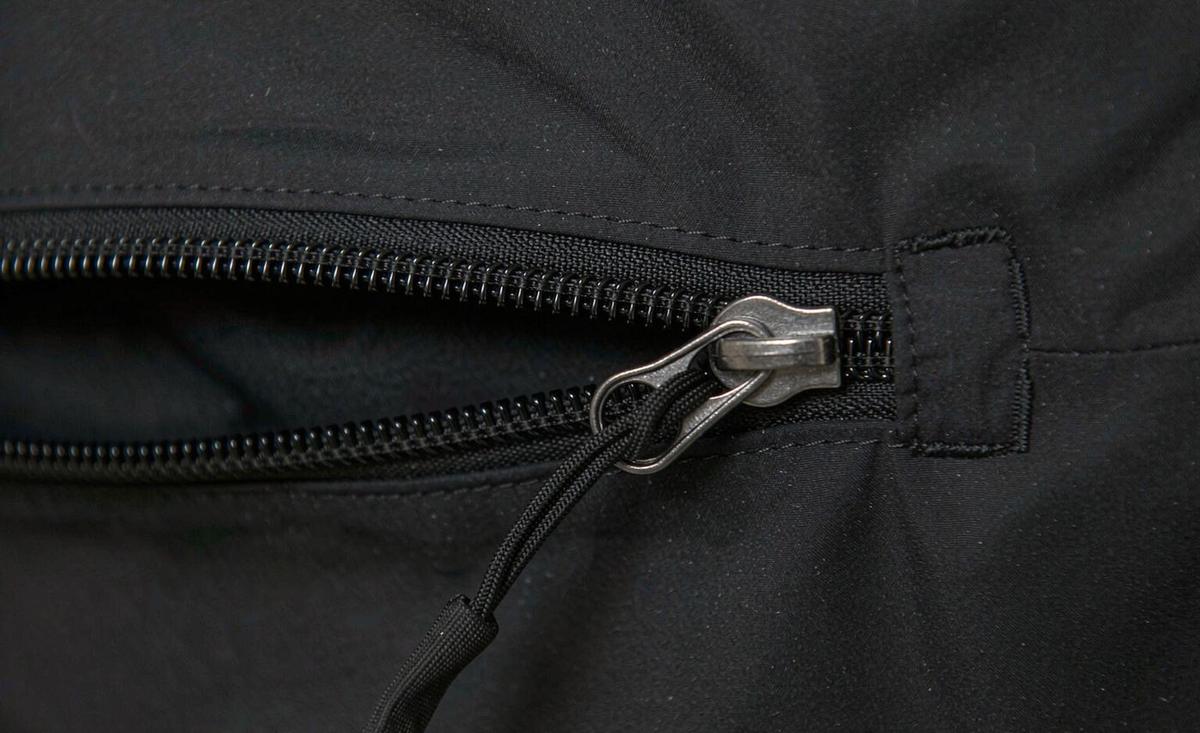
Case studies are only useful if they are honest, so this one starts with boundaries. The three campaigns below are anonymised descriptions of programmes our team supported, written as composites rather than as named projects. Financial figures are given as bands or typical values rather than as precise claims, and where a number could be misread as a promise it has been replaced with a range. What is preserved exactly is the sequence of decisions and the consequence of each, because that is the transferable part.
Each campaign paired hardware with a custom bag perk, and each encountered the same underlying question in a different form: should the bag be a companion to the device, a case that protects it, or a reward that funds its own margin? Getting that answer right mattered far more than any decision about fabric or colour. If you are at the start of this decision, read custom laptop bags for Kickstarter alongside this article.
In all three cases the decisive factor was not the bag design. It was whether the specification was frozen before tooling started and before the campaign copy was written.
How to read these three case studies
Every hardware campaign reaches the bag question from a different direction. Sometimes the creator sees the bag as protection for the device they have spent years developing. Sometimes it is purely a funding lever. Sometimes it arrives late, because a backer asked in the comments and it was added to a stretch goal without anyone running the numbers. Those three starting positions produce completely different outcomes, which is why three cases are worth reading rather than one.
Two structural facts bound every campaign discussed here. The minimum order is 500 pcs per style and per colourway, and bulk production runs 35 to 50 days after deposit and written sample approval. Those two numbers are what turn a creative idea into a committed purchase order, and they are the reason why timing discipline appears in every lesson below rather than being an administrative footnote.
Read the cases for decision sequence rather than for specific tactics. The brands, the devices and the price points differ; the order in which specification, freeze, tooling, sampling and production must happen does not. Every creator we have supported who followed that order shipped on time. Every one who inverted it spent money recovering. Read them in order as well. The decisions made in the first case established the discipline that made the second possible, and the third shows what happens when that discipline is traded away for responsiveness to comments. It is also worth noticing what none of the three campaigns did: none commissioned expensive tooling before validating demand, and none offered more than one colourway on a first wave, which kept every programme within a single set of component minimums.
Case A: the mechanical keyboard campaign and its sleeve
The first campaign sold a compact mechanical keyboard, and its core audience was enthusiasts who already owned several and travelled with at least one. The bag question arrived almost by accident: a commenter asked whether a case existed, the creator said one was planned, and within two days the request had become the most discussed topic in the campaign updates. The team then commissioned a sleeve sized to their own keyboard rather than a generic one.
The brief was genuinely simple. Internal dimensions were taken from the production prototype keyboard with roughly 6 mm of ease, padding settled at 6 mm of closed cell foam, a 20 mm webbing grab loop was added at the top edge, and the lining was specified as a soft brushed knit to avoid marking the aluminium case. Decoration was deliberately restrained: a small tonal printed mark at one corner and a woven loop label inside. Nothing was tooled that required a minimum above the bag order itself.
Timeline discipline was the reason this worked. The creator froze the keyboard specification before commissioning the sleeve, which meant no downstream dimensional change could invalidate the pattern. Sampling took place inside the standard 6 to 10 working days window, two rounds were used, and production was booked for a quantity above the 500 pcs minimum once campaign demand was visible rather than assumed. The result was a product that arrived with the keyboards rather than after them. The creator also chose one colourway only. That single decision removed a second set of material minimums, shortened the material ordering list, and kept the booked production window straightforward from the first day.
What Case A got right, and what it cost to fix
Three decisions carried this campaign. First, the sleeve was priced as an add-on rather than as a tier, sitting at roughly a quarter of the keyboard's price. Because it was flat, light and low cost, it carried a healthy contribution even after platform fees, and critically it attached to pledges that already existed rather than competing with them. Second, the creator made it available during the pledge flow, which is where the overwhelming majority of the add-on units were actually sold.
Third, and least glamorous, the creator published an honest compatibility statement. The sleeve was designed for that specific keyboard and was not claimed to fit competitors, even though it physically would have fitted several. That restraint sounds like lost sales and had the opposite effect, because it signalled specification seriousness to an audience that spends hundreds of dollars on switches and keycaps and cares deeply about tolerances.
One thing went wrong and is worth recounting because every creator hits some version of it. The first sampling round revealed that the keyboard's detachable cable did not have a home; owners were expected to coil it separately. The fix was a small internal slip pocket added before the second round, which delayed the first sample's approval by a few days and added a small cost per unit. Found during sampling it cost almost nothing. Found after production it would have been a permanent product flaw. The campaign also resisted adding a second version later. Requests for an alternative colour and a larger size arrived during the final week, and both were logged for a reorder rather than inserted into wave one.
Case B: the portable monitor campaign that promoted its case
The second campaign sold a portable display aimed at people who work from multiple locations. Here the bag was never an accessory; it was the answer to the single most common objection in the comments, which was whether a large glass panel could survive a commute. The campaign chose to run the case as a hero tier element rather than an add-on: the monitor and case were pledged together at the launch tier, with the monitor alone at a lower entry point.
That structure changed the specification dramatically. The bag needed genuine structural protection, meaning a semi rigid front panel, 10 mm foam around the device faces, a suspended internal cradle rather than a simple pocket, and a dedicated channel for the display's own cables and stand. The detail that mattered most was panel pressure: if anything could press on the glass face through the fabric, the case had failed, so the internal dimension to the screen face was specified and inspected in millimetres.
Because this was structurally involved, sampling took longer, closer to the 12 to 15 working days band for complex builds, and used three rounds rather than two. The creator had modelled that cost and calendar time in advance. When the second round showed that the internal cradle allowed a millimetre of movement under shaking, the fixing was done before production rather than discovered by a reviewer, and the units shipped inside the declared window.
| Case A: keyboard | Case B: monitor | Case C: device | |
|---|---|---|---|
| Bag role | Add-on companion | Hero tier element | Late stretch goal |
| Structure level | Soft sleeve, 6 mm foam | Semi rigid case, 10 mm foam | Pouch with light padding |
| Quantity band | Above minimum, single run | Above minimum, two waves | Minimum quantity only |
| Sampling rounds | Two rounds | Three rounds | Four rounds after delay |
| Outcome | Shipped with product | Shipped inside window | Shipped late, trust cost |
What Case B got right about positioning and price
The commercially decisive move was bundling rather than discounting. Rather than offering a cheaper monitor without a case and a more expensive one with it, the campaign positioned the bundle as the standard, sensible way to buy: everyone who travels needs protection, so pledging for the monitor alone became the unusual choice. That framing lifted average pledge value without anybody feeling upsold.
The second move was publishing the protection story as engineering rather than as marketing. The campaign page carried the internal dimensions, the foam specification, the number of development rounds and the drop protocol used. This audience was buying a fragile object and transporting it daily, so evidence outperformed adjectives by a wide margin, and the copy read like a specification sheet because that is what the audience wanted.
Thirdly, the campaign did not overreach on quantity. It ran wave one at a sensible volume above the 500 pcs minimum, then booked a second wave after the campaign closed against real demand rather than forecast demand. That decision cost a slightly higher unit cost on both waves and saved the campaign from holding inventory it could not sell. The wave logic is the same structure we recommend for cross-platform and evergreen programmes. Both decisions shared one characteristic: each was made before the campaign copy was written. Nothing about the tier structure had to be reverse engineered after backers had already pledged against a published promise. Finally, the campaign communicated its second wave clearly. Backers were told that wave two would follow accumulated demand rather than being promised a single delivery, which removed most of the pressure that otherwise builds around late shipping windows.
Case C: the device campaign whose bag ran late
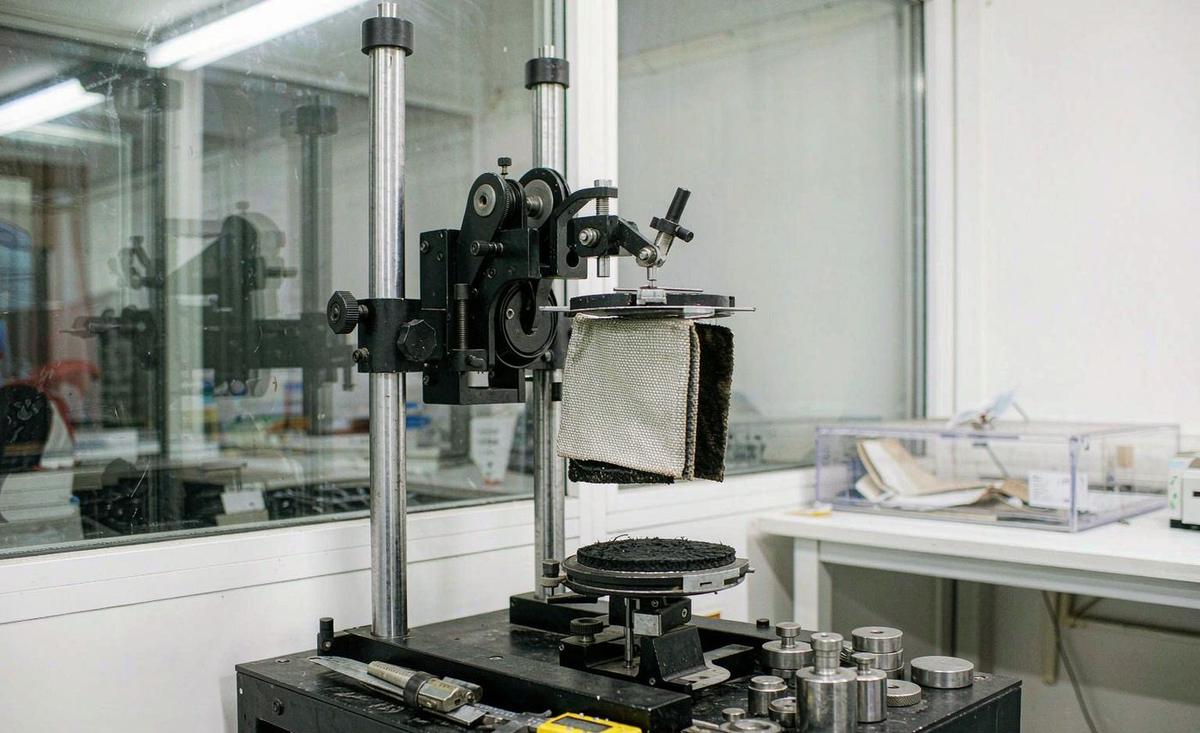
The third campaign is included because it is the instructive failure. The team was building a small connected device, and the bag arrived as a stretch goal response to community pressure rather than as a planned element. By the time it was specified, the device itself was already in late stage tooling, and the team made three decisions in sequence that each looked reasonable and together cost them their shipping window.
First, they ran bag development in parallel with device development rather than after it, so every device revision moved the bag's internal dimensions. Second, they allowed the same public comments that had demanded the bag to influence its features, adding a pocket, a loop and a strap over successive updates. Third, they approved hero samples verbally rather than in writing, which meant each verbal change was remembered differently by the people receiving it.
The consequence was four sampling rounds rather than two, each consuming part of the 6 to 10 working days window, and a specification that was still moving when the bulk window finally opened. Because the device had already absorbed the launch date, the bag became the visible late item. Anyone reading the comments today would describe the campaign as having shipped late, even though the product itself was delivered close to its own original schedule. None of this was visible as a problem while it was happening. Every individual change looked small, cost little and appeared to improve the product, which is precisely why this failure mode catches so many first time creators.
What Case C got wrong, and how late was paid for
The headline cost was not money. It was the accumulation of small delays across a 35 to 50 day production window that had been booked optimistically after four sample rounds, leaving no slack for rework. When the first inspection flagged a dimension issue caused by a late add-on pocket, there was no calendar room to rework, and the campaign absorbed the delay rather than the fix. Every one of those hours existed in the schedule at the start and had been traded away for feature additions.
- Parallel development instead of sequencing. Every device revision invalidated the bag pattern.
- Feature creep from comments. Each addition added a sampling round and a cutting change.
- Verbal rather than written approvals. Changes were remembered differently on each side.
- Optimistic production booking. No slack left for rework after the mandated AQL 2.5 inspection.
- No change freeze date. Nothing stopped the specification moving into week two of production.
The recovery was expensive in ways the team had not priced. Replacement and complaint handling consumed weeks of founder time, which is the resource a campaign has least of. More damaging was that the delay was public and cumulative, and each update explaining it generated another round of comments. By contrast, Case B had told its backers precisely the same kind of story, about an internal cradle needing correction, but told it two months earlier and framed it as diligence rather than as failure.
The single change that would have prevented most of this cost nothing: a written change freeze date, published to the community and enforced internally. The most effective campaigns we have supported set one, communicate it clearly, and hold it even when a good idea arrives late. Late good ideas belong in generation two, and saying so publicly is generally received well by backers who want the campaign to ship.
The pattern across three campaigns: five rules
- Freeze the device before you design the bag. Every dimensional revision invalidates patterns and costs a sampling round.
- Choose the bag's role deliberately. Add-on companion, hero tier element, or nothing; whatever you do not do deliberately, you will do accidentally.
- Decide flat or structural early. Both work, but they are different products with different costs, timelines and protection claims.
- Approve in writing, every time. A signed sample approval is what makes every later conversation factual rather than remembered.
- Book production with slack. Plan rework room inside the 35 to 50 day window, because inspection results are information rather than formality.
Notice that none of the five is about design quality. Both successful campaigns specified bags that were simpler than the late one, and both shipped their products inside their declared windows. In crowdfunding, predictability is a product feature, and it is delivered by process discipline rather than by clever construction. The fourth rule in particular is what separated Case B from Case C: both hit problems, but one had written its way to a defensible answer.
There is also a cultural point worth stating plainly. Campaigns that treat their production partner as a collaborator get better outcomes than campaigns that treat them as a vendor executing an instruction. Our team can tell you that an additional pocket will cost you a sampling round, but only if we are asked before the drawing is finalised. The answers are cheap early and expensive late, which is the same lesson in every section of this article.
The numbers worth borrowing from all three
Certain figures recurred regardless of product, audience or price point, and they are the ones to take into your own planning. Minimum quantity 500 pcs per style and per colourway. Sampling 6 to 10 working days for standard builds and 12 to 15 working days for structurally involved ones. Bulk production 35 to 50 days after deposit and written sample approval. Inspection to AQL 2.5 to ISO 2859-1. Terms FOB Xiamen with payment T/T 30/70.
Two further patterns are less mechanical but equally consistent. Successful programmes used two to three sampling rounds rather than one, and used the additional rounds to fix genuine functional problems rather than to fine tune appearance. And they sized first quantities modestly above the minimum rather than aggressively above it, accepting a slightly worse unit price in exchange for materially lower inventory risk.
| Planning item | Figure | Why it mattered |
|---|---|---|
| Minimum quantity | 500 pcs per style and per colourway | Determines whether the perk is fundable |
| Standard sampling | 6 to 10 working days | Two to three rounds fit inside the prelaunch calendar |
| Complex sampling | 12 to 15 working days | Structural cases with cradles and rigid panels |
| Bulk production | 35 to 50 days after deposit and approval | Sets the whole backwards schedule |
| Inspection | AQL 2.5 to ISO 2859-1 | Defines accept and reject before the argument |
| Payment structure | T/T 30/70, FOB Xiamen | Determines when cash leaves the campaign |
If you want the worked arithmetic behind how those quantities affect unit cost, including typical saving bands between the 500, 1,000 and 2,000 pcs tiers, that analysis sits in laptop bag pricing by quantity. The two case campaigns that got this right both read it before they committed, and both sized wave one accordingly.
Turning a device specification into a bag specification
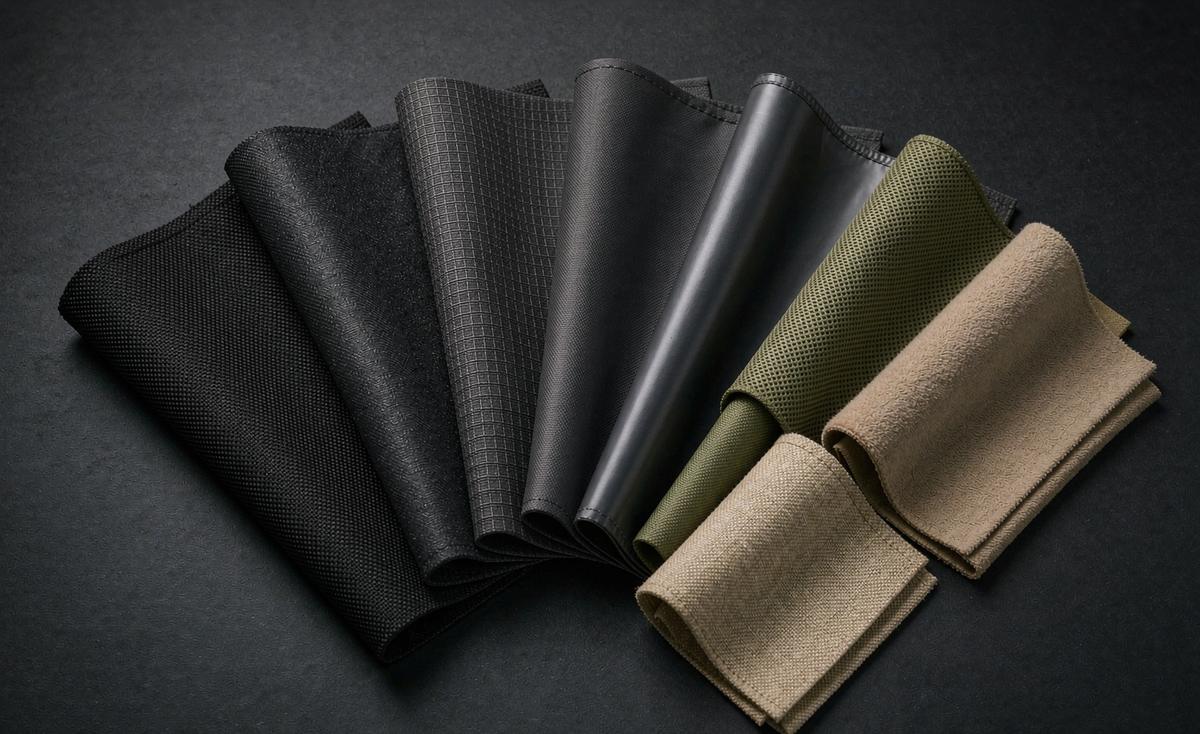
The practical method used across all three cases has six steps, and none requires a design background. Measure the device at its widest, deepest and tallest points including any protrusion. Add 4 to 8 mm of ease to width and height, and more if the device has a folio or cover. Decide whether anything hard must never touch a specific face, which sets padding and separation requirements. List everything else that travels, including cables and power supplies. Decide flat or structural. Write it all into one drawing.
Then add the two lines creators omit most often. The first is the access direction: does the device slide in from the top, fold in from the front, or lie flat in a clamshell opening? That decision drives the zipper or closure geometry more than anything else, and changing it late forces a full pattern revision. The second is the packing order: what goes in first, what goes in second, and what must come out first at the destination.
Finally, translate all of it into measurable statements before sampling begins. Internal dimensions in millimetres. Padding thickness and type. Largest supported device named. Everything else that must fit, listed. Then hand it over as a single pack and resist adding to it during the sampling rounds, because every addition resets the 6 to 10 working days clock. The discipline of not adding is harder than any technical aspect of this process, and it correlates more strongly with shipping on time than any specification choice.
When a bag is the wrong reward at all
It needs saying. Three situations argue against a bag reward. If your device has no transport problem, meaning it lives on a desk and its owners never move it, a bag is decoration and will sell poorly. If your community is strongly price sensitive and your core reward sits at a very low price point, a physical item at 500 pcs may be unaffordable relative to the campaign size. And if your production calendar is already tight against a shipping promise, adding a second supply chain late is the most reliable way to miss that promise.
In those situations, alternatives exist that deliver community value without the risk. Digital extras cost nothing to fulfil, are delivered instantly and cannot be held up by freight. A flat accessory such as a mat, a cable organiser or a cleaning cloth uses less capital than a structured bag and often serves the audience better. And simply being honest that the bag arrives later, sold as a separate product after campaign delivery, splits the risk without disappointing anyone who did not expect it.
The test is straightforward and takes about ten minutes. Does solving your device's transport problem excite your community more than another sticker, patch or digital tier would? If yes, build the bag properly and freeze early. If you are unsure, ask them in a survey before committing 500 pcs, because asking costs nothing and being wrong costs several thousand dollars plus a shipping delay. The guide at crowdfunding bag decisions walks through that evaluation in more detail.
Writing your own one page brief from these lessons
Everything above compresses into one page you can write this afternoon. State the role of the bag: add-on, hero tier, or none. State the largest supported device by name with dimensions in millimetres plus ease. State what else must fit. State flat or structural and why. State quantity and target unit cost. State your target delivery date and the date the specification freezes. That is the whole document.
Then send it to us and to anyone else you are considering, compare the responses, and pay attention to which party asks the useful questions. Specific answers to a specific brief are the strongest available signal of how a programme will run, because sampling is where projects are actually won or lost. Our standard 6 to 10 working days window assumes a brief of exactly this quality rather than a conversation about concepts.
One last observation from all three cases. The creators who enjoyed the process were not the ones with the simplest products; they were the ones who decided early and changed little. Both of those campaigns hit genuine problems and fixed them inside a sampling round. Neither treated a fix as a failure, because they had budgeted calendar time for discovery. Plan for two corrections minimum, and you will find that very little about this process is stressful.
Key takeaways
- Freeze the device before you design the bag, freeze the bag before you write copy, and put both freeze dates in writing.
- Plan two to three sampling rounds and hold slack inside the 35 to 50 day window. Every case study above turned on whether that slack existed.
Turn your device into a brief today
Send us your device dimensions, the access direction you prefer, everything that must travel with it, and your target quantity. As your production partner we will return a costed bag specification, a sampling plan at 6 to 10 working days and a booked 35 to 50 day production window inspected to AQL 2.5. Write to service@junyuanbags.com.
Frequently Asked Questions
Are these real campaigns with real names?
They are anonymised descriptions of programmes our team supported, written as composites so that specific commercial details are not attributed to any single creator. Financial and timing figures are given as typical bands rather than exact claims. The decision sequences and their consequences are described faithfully.
How many sampling rounds should I plan for?
Two to three for most programmes. Both successful case campaigns used that number, and the struggling one used four after late changes. Standard sampling runs 6 to 10 working days, or 12 to 15 for structurally involved builds. Budget calendar time for two corrections and most schedules stay comfortable.
Should a bag be an add-on or part of the main tier?
It depends on your audience and your device's transport problem. A low cost flat sleeve usually performs better as an add-on because it attaches to pledges that already exist. A structural case protecting an expensive or fragile device usually performs better bundled into the hero tier.
What is the minimum quantity if the bag is only a small perk?
500 pcs per style and per colourway regardless of the bag's role in the campaign. If that threshold is unaffordable relative to your campaign size, consider a flatter accessory such as a mat or organiser, or delaying the bag as a separate post campaign product.
How much calendar time should I allow for a bag reward?
Sampling of 6 to 10 working days, complex builds 12 to 15, plus bulk production of 35 to 50 days after deposit and written sample approval, plus sea freight of 25 to 40 days and customs clearance. Working backwards that is roughly five months from specification to a backer's door.
Can I design the bag while the device is still changing?
You can start, but do not cut patterns until the device is frozen. Every dimensional revision invalidates previous pattern work and costs another sampling round. The campaign that ran into trouble here used four rounds purely because the device kept moving underneath the bag design.
Why was written sample approval so important in the case studies?
Because it converts verbal preference into a measured record. When a change was discussed verbally, both sides remembered it differently and the discrepancy surfaced at inspection. A single signed document listing every specification line with its measured result makes later conversations factual rather than remembered.
How were quality standards applied in these campaigns?
Every programme was inspected to AQL 2.5 to ISO 2859-1, with defects classified as critical, major or minor. Critical defects such as a broken load bearing stitch or a non running zipper had zero acceptance at any lot size. Inline checks during production caught issues while rework was still cheap.
What did the delayed campaign do that was most avoidable?
It had no written change freeze date. Comments continued influencing the design through the sampling rounds and into production, each change costing calendar time. The same fix existed in the successful cases, where a late correction in round two was treated as normal diligence rather than as a problem.
Should I ask my community before committing to a bag?
Yes, and ask with specifics. A survey asking whether they carry the device outside the house, what they carry with it, and what they would pay tells you more than any general poll. Asking costs nothing; misjudging costs several thousand dollars and a shipping delay.
What if the bag is simply not right for my campaign?
Then do not run one. Digital extras fulfil instantly and cost nothing to ship. Flat accessories such as a mat, a cable organiser or a cleaning cloth require less capital and often serve the audience better. A poor bag reward is worse than no bag reward.
What is the payment structure used in these programmes?
T/T 30/70 on FOB Xiamen terms. A 30 per cent deposit books the production window and releases material ordering, and the 70 per cent balance falls due against shipment documentation. Because material is committed when the deposit lands, that portion is effectively non refundable.
People Also Ask
Do hardware campaigns benefit from bag perks?
Yes when the device has a real transport problem. Cases A and B both succeeded because the bag solved something their audience actually struggled with. A bag attached to a device that never leaves a desk tends to sell poorly regardless of its quality.
Why did one campaign's bag arrive late?
Because its specification was still changing when production began. The device was still being revised, community suggestions kept adding pockets and loops, and approvals were verbal. Four sampling rounds and no schedule slack meant the delay was unavoidable once it started.
Is a sleeve or a structural case better?
Sleeves are cheaper, flatter to ship and work well as add-ons. Structural cases cost more and take longer to sample, but they support genuine protection claims for fragile devices. Choose based on what travels and how much protection it actually needs.
How early should I involve a production partner?
Before the campaign copy is written. Early conversations let unrealistic features be identified while they are free to change, and ensure your declared dimensions match something that can actually be made at the stated quantity.
Can I hold two colourways in one order?
Not within one 500 pcs commitment; each colourway is separate. A variant swap within a single production run is sometimes possible when only one or two panels differ, but you must agree it at quotation stage before material is ordered.
Should a first order be the minimum?
Usually not. Slightly above the minimum captures much of the quantity discount while keeping risk moderate. Both successful cases sized first waves modestly above the threshold and used real demand rather than forecast to book a second wave.
What is the simplest useful brief I can write?
One page: role, largest supported device named with dimensions in millimetres plus ease, everything else that must fit, flat or structural, quantity, target cost, target delivery date and the date the specification freezes.