Planning Crowdfunding Bags for Middle East Backers
Middle East crowdfunding bag campaigns work best when the creator chooses markets, platform rules and fulfilment routes before promising a delivery month. Treat the region as several distinct buying and import environments, not one shipping zone. Validate language, payment acceptance, duties and last-mile coverage country by country, then build the reward plan around a 500-piece minimum per style and colourway, a realistic sampling window and a protected production schedule. This sequence keeps the campaign offer aligned with finance, customs and backer service from launch onward.
- Choose Countries Before Choosing a Platform
- Map the Platform Options and Funding Rules
- Localise the Offer Without Fragmenting the Product
- Build Reward Tiers Around Production Reality
- Specify Bags for Climate and Daily Use
- Model Freight and Last-Mile Delivery
- Assign Customs, Duties and Import Responsibility
- Work Backwards From the Backer Delivery Date
- Control Currency, Payment and Cash-Flow Exposure
- Use a Country-Level Launch and Risk Checklist
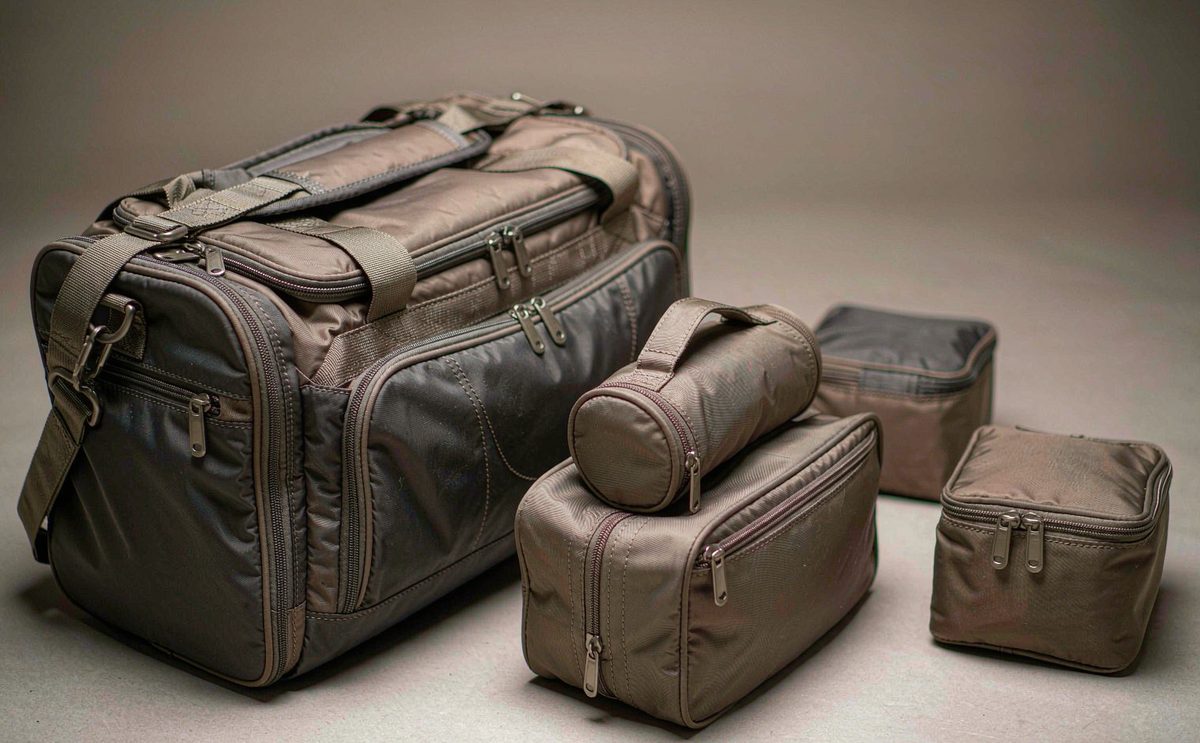
A creator selling custom bags into the Middle East is coordinating three systems at once: crowdfunding, physical production and cross-border delivery. The safest order is market selection, fulfilment research, product specification, reward economics and only then campaign copy. Our role as a campaign bag specialist is to translate those decisions into a production brief that can survive real quantities, inspections and shipping deadlines. This guide focuses on operational choices rather than claiming that one platform, courier or country works for every launch.
Choose Countries Before Choosing a Platform
“Middle East” is too broad for a useful logistics plan. Start with a named market list such as the United Arab Emirates, Saudi Arabia, Qatar, Kuwait, Bahrain, Oman and Jordan, then record whether each is a launch market, a test market or excluded from the first wave. For every included country, note the expected backer count, common destination cities, preferred language, address format, phone-number requirement and feasible tracked services. This country matrix turns a regional ambition into a set of decisions that can be priced and tested.
Next, separate where the campaign can legally collect pledges from where rewards can be delivered. Platform creator eligibility, payment processing and backer access are different questions. A creator may launch through an eligible entity while attracting backers across several countries, yet the checkout experience or payment-card acceptance can still vary. Confirm current rules directly with the chosen platform and payment provider before publishing. If flexible funding is central to the plan, our Indiegogo crowdfunding bags guide explains how production commitments should be tied to collected funds rather than headline pledges.
Limit the first delivery promise to countries for which you have obtained usable quotations and tested address requirements. A sensible planning scenario is to treat the UAE as one lane, Saudi Arabia as another and the remaining Gulf destinations as individual lanes until a fulfilment partner demonstrates a consolidated service. This is not a judgement about demand; it is protection against averaging. A low-cost shipment to Dubai cannot safely subsidise an expensive or remote delivery elsewhere unless that cross-subsidy is explicit in the reward price.
Before approving the market list, run a cancellation test. Remove the country with the highest estimated parcel cost, then recalculate funded units, net revenue and colour demand. If the production case collapses, that market is subsidising the product plan rather than simply extending reach. Also test the opposite: add a remote-area surcharge to 10% of orders as a labelled scenario. These exercises show whether country selection is commercially resilient before public shipping promises make the list difficult to change.
Map the Platform Options and Funding Rules
Build a platform comparison around functions rather than reputation. Record funding model, creator eligibility, supported payout method, campaign currency, fee basis, late-backer tools, add-ons, survey export and refund controls. Kickstarter and Indiegogo can serve international audiences, while regionally focused platforms may offer local context or payment familiarity. Rules change, so the matrix should include a verification date and links to current platform documentation. Never base a production deposit on gross pledges shown during a live campaign; use the amount expected after failed payments, fees, refunds and taxes.
Funding model affects the purchase order. Under an all-or-nothing structure, the creator can make the production commitment after the threshold is reached and funds clear. Under flexible funding, a weak result may still generate an obligation to deliver rewards. That creates a direct conflict with a MOQ of 500 pcs per style and per colourway. Set a minimum viable funding threshold that covers the production quantity, campaign fees, freight, duty exposure, fulfilment materials, replacements and a contingency. Do not interpret “flexible” as permission to order fewer units than the approved quotation.
Cross-platform launches require a single source of truth for inventory and promises. If the campaign uses more than one channel, assign one reward code to each identical bag configuration and consolidate orders before confirming quantities. Our multi-platform campaign planning guide covers channel roles, while the Kickstarter versus Indiegogo comparison helps frame differences in backer behaviour. The operational principle is simple: platforms may be separate, but production quantities, colour allocations and delivery reserves must be reconciled in one master file.
Create a platform exit rule before launch. If collected orders do not support one 500-piece configuration by a named date, decide whether the campaign refunds, changes the reward with consent or funds the gap from approved capital. The rule must respect platform terms and consumer obligations, so obtain appropriate advice. Writing it early forces the team to connect funding mechanics with physical quantity rather than assuming that stronger marketing will solve an under-minimum result after commitments have been made.
Localise the Offer Without Fragmenting the Product
Localisation should make the offer easier to understand without multiplying physical variants. Translate essential campaign information into the language appropriate for the selected audience, but keep dimensions, material names, laptop sizes and care instructions consistent across versions. Use centimetres first and include inches where the platform audience expects them. Show the bag on people and beside familiar objects so capacity is visible. Check whether lifestyle images, wording and symbols are suitable for every target country instead of assuming that one creative treatment travels unchanged.
Avoid creating a separate printed lining, woven label or carton for every country unless order volume supports it. Each physical change can become another style or colourway and may therefore create another 500-piece minimum. A more efficient structure is one neutral core bag with language handled on removable inserts, digital instructions or fulfilment labels. The production file should identify which content is permanent, which is applied after production and which is delivered digitally. This distinction protects both brand consistency and quantity efficiency.
Localisation also includes customer support. Decide which languages can be supported during the campaign, survey and delivery period, and do not advertise coverage the team cannot maintain. Prepare standard answers for material, warranty, import charges, tracking and address changes. Time-zone coverage need not be continuous, but response expectations should be stated. A clear service window and one structured escalation route are more credible than vague claims of round-the-clock help. Record recurring questions because they often reveal campaign-page gaps before paid traffic is increased.
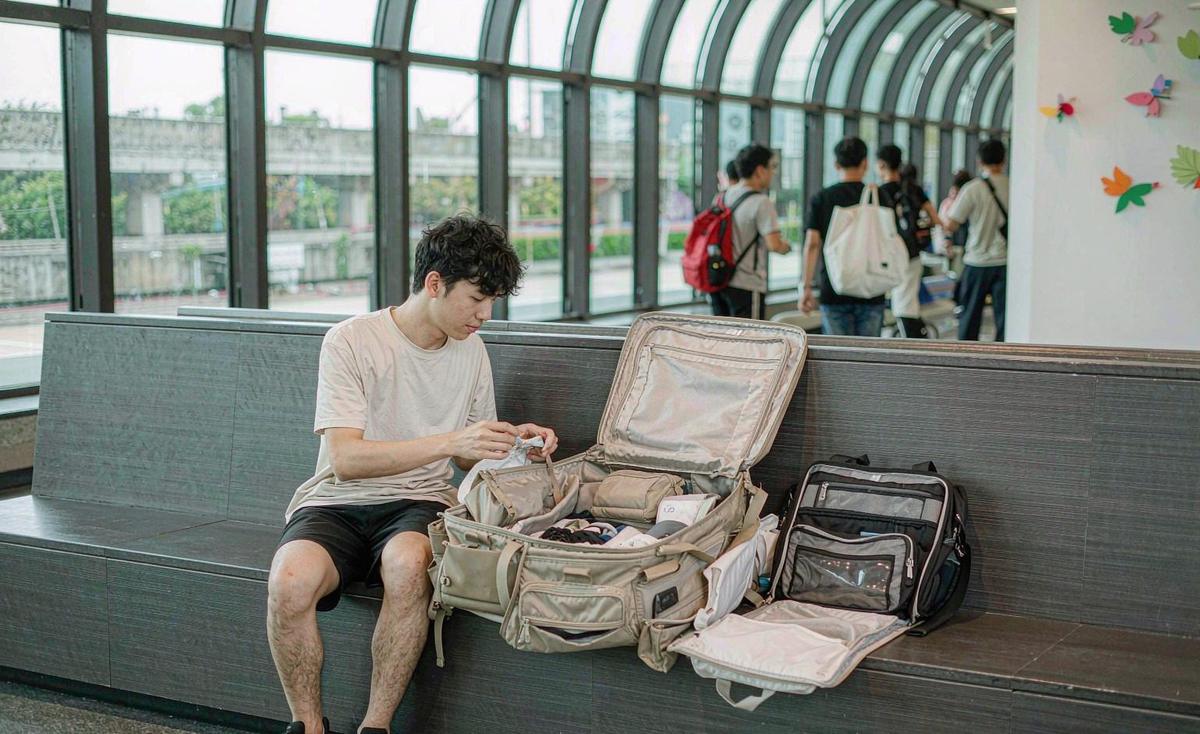
Test the localised page with people from the target market who did not help create it. Give them 5 tasks, such as identifying capacity, delivery responsibility, included accessories, dimensions and return route. The number is a practical research design, not a fixed standard. Record misinterpretations rather than asking whether the page looks good. If readers understand the language but still misread the offer, the problem may be information architecture or reward naming rather than translation quality.
Build Reward Tiers Around Production Reality
A Middle East reward plan should begin with a billable unit, not a marketing slogan. Define exactly what one pledge includes: bag, removable accessories, retail packaging, local tax treatment, international freight allocation and fulfilment. Then model single, pair and bundle tiers. Pairs may improve freight efficiency per bag, but the packed parcel can cross a courier weight step. Obtain packed dimensions and estimated gross weight before presenting a “save on two” tier. The saving must come from real packing or acquisition efficiency, not from ignoring delivery cost.
Colour choice is the most common quantity trap. Three colours at equal popularity imply 1,500 pieces because the standard is 500 pieces per style and colourway. If demand is uncertain, launch one confirmed colour and make the next colour a stretch goal activated only after its own quantity is funded. Do not pool colours unless the quotation explicitly allows it. Keep 2%–3% as a planning range for service stock, subject to campaign risk and inspection results; label this as a reserve assumption rather than a universal rule.
Use transparent shipping treatment. Country-specific shipping charged after the campaign can reduce early uncertainty, but it may surprise backers if no estimate is shown. Shipping included in the pledge is simpler at checkout but exposes the creator to lane and fuel changes. A balanced method is to publish an estimated range by destination, explain when the final charge is calculated and define what happens if a backer declines it. The campaign terms should also state whether duties are prepaid or collected from the recipient.
| Decision | Low-risk approach | Risk to test | Evidence needed |
|---|---|---|---|
| Core colour | Fund 1 colour first | Concentrated demand | Survey or waitlist |
| Second colour | Activate at 500 pcs | Split pledges | Tier-level quantity |
| Pair tier | Quote packed parcel | Courier weight step | Carton trial |
| Shipping | Show country range | Rate movement | Current lane quotes |
| Service stock | Plan 2%–3% range | Replacement demand | QC and damage data |
Reconcile reward names with warehouse actions. A fulfilment operator should be able to convert each platform tier into a pick list without reading campaign prose. Use short product codes for bag, colour, accessory and pack format, then test 10 mock orders across the intended countries. Ten is an operational test sample, not a statistical standard. Any order that requires interpretation should trigger a tier or data correction before the survey goes live, when backer changes are easier to control.
Specify Bags for Climate and Daily Use
Product claims should reflect the intended environment. Heat, dust, strong sunlight and frequent movement between outdoor conditions and air-conditioned interiors can expose weak coatings, colour instability and condensation-sensitive contents. This does not mean every bag needs a heavy waterproof construction. It means the tech pack should define fibre, fabric weight, coating, colour standard, seam treatment and intended water-resistance claim. Ask for test methods behind any performance statement and avoid using “waterproof” when the construction only supports everyday water resistance.
Dark fabrics can show dust, while pale fabrics can reveal transfer and handling marks. Evaluate actual colour swatches and a finished sample under daylight rather than approving from a monitor. For backpack or travel products, test strap comfort over the intended load, zipper operation after dust exposure, handle reinforcement and ventilation where the bag contacts the body. A functional test plan should name the load, duration and acceptance criterion. “Feels strong” is not an inspection standard; a repeatable test is.
Sampling normally takes 6–10 working days after the materials and artwork are confirmed. A complex construction, custom mould, extensive print matching or multiple revised components may require 12–15 working days. Use the first sample to resolve architecture and the later approval sample to lock appearance and workmanship. Photograph measurements, labels, pullers, reinforcement and packaging, then sign off a written change list. Production should not start from scattered chat approvals because small ambiguities become hundreds of repeated units.
Plan a small pre-production use trial with representative contents and handling, then document observations against the specification. A 30-minute urban carry test and a loaded opening-and-closing cycle are examples of development checks, not certified performance standards. Include users familiar with the target climate where feasible. The trial can reveal hot contact areas, dust-catching surfaces or awkward access that a tabletop review misses. Approved adjustments must still return to the tech pack and sample record before bulk cutting.
Model Freight and Last-Mile Delivery
Freight modelling needs three separate numbers: movement from the production programme to the fulfilment point, handling at the fulfilment point and delivery to the backer. Add cartons, pick-and-pack fees, labels, storage, remote-area surcharges, fuel adjustments, return handling and replacement dispatches. Compare air, sea and hybrid routes using both cost and schedule. A low ocean rate can be misleading if the campaign then pays prolonged storage or premium domestic delivery. Use packed product data, not the bare bag weight, in every quotation request.
Decide whether to ship orders individually from origin or inject bulk cargo into a regional hub. Direct parcel dispatch can avoid a local storage commitment but may create inconsistent transit times and recipient customs contact. Bulk injection can improve tracking and presentation, yet it requires an importer, customs process and accurate final order data. Request a route diagram from the logistics provider showing handovers, data transfer, customs entry, last-mile carrier and return address. The cheapest line on a rate sheet is not a complete fulfilment route.
Test the address file before production finishes. Mandatory phone numbers, postal-code conventions, Arabic and Latin transliteration, building details and district names can determine whether labels are accepted. Run sample labels through the carrier system for each destination and preserve the platform’s original backer data. Set a final address-lock date, then create a controlled exception process. For comparison with another geographically dispersed market, the Australia crowdfunding logistics guide shows why country-specific lane testing matters even when the product is identical.
Build a cost-per-successful-delivery view, not only cost per dispatched parcel. Apply a labelled scenario for address failure, refusal, damage and reshipment using evidence from the chosen carrier where available. A route that is 8% cheaper at dispatch may be more expensive after exceptions; 8% here is an illustrative comparison, not a regional benchmark. Ask the provider which scans and reason codes will be returned so exceptions can be measured rather than absorbed into a vague support budget.
Assign Customs, Duties and Import Responsibility
Every route needs a named importer and an agreed Incoterm at each commercial handover. The standard production quotation basis is FOB Xiamen, which covers the agreed export-side scope to the named port point but does not magically price destination customs or backer delivery. The creator or appointed logistics partner must understand freight, insurance, import clearance, duties, taxes and onward distribution. Ask a licensed customs adviser to confirm classification and documentation for the actual bag materials and destination; do not copy a code from an unrelated campaign.
Backers need an unambiguous duty statement. Delivered-duty-paid routes can produce a smoother experience when correctly arranged, whereas duties-unpaid parcels may require the recipient to pay before release. If charges are not prepaid, put that fact near the shipping offer and in the campaign FAQ. State that amounts depend on destination rules rather than publishing an invented flat tax. Complaints usually arise from unexpected responsibility, not from the existence of a known charge. Clarity should continue through tracking emails and the fulfilment survey.
Commercial invoice data must match the transaction and shipment. Product description, quantity, value, currency, country of origin, shipper, consignee and package details should agree across records. Promotional wording such as “gift” does not remove customs obligations. Keep documents for replacements and service stock distinct from sale shipments, with professional advice where required. A pre-shipment document review is inexpensive compared with cargo held because the importer name, value or product description conflicts across files.
Prepare a customs-data sheet before cargo is booked. It should hold the final commercial description, composition, unit value, quantity, origin, carton data, consignee and importer references for each lane. Ask the broker to flag missing or conflicting fields in writing. Keep the campaign reward name separate from the customs description when marketing language is imprecise. One controlled sheet reduces the chance that the fulfilment centre, freight forwarder and creator submit different facts about the same bags.
Work Backwards From the Backer Delivery Date
A credible date begins with the backer delivery window and works backwards through last-mile delivery, destination handling, customs buffer, international freight, origin handling, inspection, packing, bulk production, material approval and sampling. Standard bulk production is 35–50 days after approvals and deposit conditions are met. That is a production range, not a door-to-door promise. Add time for campaign close, payment collection, surveys and quantity confirmation before the production clock can sensibly begin.
Create milestone gates instead of one long bar on a chart. Gate 1 locks the technical file; Gate 2 approves the sample and colour; Gate 3 confirms quantities and deposit; Gate 4 approves materials; Gate 5 reviews inline production; Gate 6 completes final inspection; Gate 7 releases shipment documents. Assign an owner and evidence to each gate. If sample approval slips by 5 working days, recalculate the downstream dates rather than trying to hide the loss inside customs or delivery buffers.
Inspection should be booked before production completion. Our production programme uses AQL 2.5 to ISO 2859-1 as the stated inspection basis, with the critical, major and minor defect definitions agreed for the product. The inspection brief should cover measurements, workmanship, function, quantity, colour, labelling and packaging. A pass supports release but does not replace campaign-side review of documents and route readiness. Keep time for corrective action because inspection has little value if the cargo must leave regardless of the result.
Use three published dates if the platform format permits: estimated survey close, estimated production completion and estimated delivery window. Explain dependencies instead of showing one unexplained month. If backer choices remain open, production cannot lock colours; if inspection requires correction, cargo cannot release. The dates should be updated together when a gate moves. This transparent chain helps backers understand that a 35–50 day production range is one stage of a longer physical delivery programme.
Control Currency, Payment and Cash-Flow Exposure
Campaign income, production invoices and logistics charges may use different currencies. Build the budget in a base currency and record the exchange-rate assumption for every conversion. Use a sensitivity range rather than betting the margin on one rate. For example, test what happens if production or freight costs move by 5% and 10%; these are planning scenarios, not forecasts. Keep taxes and refundable deposits separate from spendable project cash so the dashboard does not overstate funds available for production.
The standard production payment structure is T/T 30/70: 30% according to the agreed order terms and 70% at the agreed pre-shipment stage. Align this cash requirement with the platform payout date, failed-payment resolution and any reserve held by the payment processor. The purchase commitment should rely on cleared funds and an approved quantity sheet. If an intermediary changes the payment beneficiary or bank details, verify the change through an established second channel before transfer; payment-control discipline is part of campaign delivery.
Maintain a rolling cash schedule for production, inspection, freight, duties, fulfilment and replacements. Each line should include due date, currency, owner, tax treatment and evidence. Do not use later campaign sales to conceal a shortfall in an already promised reward batch. Late-backer revenue can fund additional units only when the quantity, lead time and shipping allocation remain feasible. This is especially important when the campaign remains open through an InDemand-style programme after the original order has been locked.
Report cash in commitment currencies as well as the base currency. A favourable base-currency total can conceal that the next USD or local-currency invoice cannot be paid on its due date. Set approval thresholds for exchange conversion and keep evidence of the rate used in the campaign model. Never promise a fixed shipping charge for several months solely because today's conversion works. The published structure should have enough margin or adjustment rules to remain understandable if exchange conditions change.
Use a Country-Level Launch and Risk Checklist
Before launch, hold a readiness review using evidence rather than verbal confidence. The platform column should show creator eligibility, funding model, payout currency and survey export. The product column should show the current tech pack, sample status, colour count and MOQ calculation. The logistics column should show packed dimensions, lane quotations, importer arrangement, duty treatment, address test and return process. The finance column should reconcile net campaign funds with the 30/70 production schedule and shipping commitments.
Assign each open risk a probability, impact, owner, action and decision deadline. Typical items include a colour missing 500 units, a route lacking duty-paid service, untranslated service messages, a custom component extending sampling to 12–15 working days and final inspection leaving no correction window. Close risks by changing the plan or obtaining evidence, not by marking them “accepted” without funding the consequence. A campaign can carry uncertainty, but it should not carry hidden responsibility.
Finally, publish only promises that appear in the operating file. The campaign page, reward table, survey, production order and fulfilment export should use the same reward codes and country rules. Our programme coordinator can review the bag specification, quantity logic and production milestones before the creator commits publicly. For fulfilment expectations across the two major global platforms, see Indiegogo versus Kickstarter fulfilment. When the product and route are aligned, regional expansion becomes a controlled set of lanes rather than a vague worldwide shipping claim.
Run the final review as a tabletop exercise. Use 3 fictional backers in different target countries, then follow each from pledge through survey, production allocation, customs treatment, tracking and a possible replacement. Three is a practical scenario count, not a universal requirement. Every handoff should point to a documented owner and data field. If the team cannot explain what happens next without improvising, close that gap before launch or remove the affected promise from the campaign.
Key takeaways
- T
- r
- e
- a
- t
- e
- a
- c
- h
- M
- i
- d
- d
- l
- e
- E
- a
- s
- t
- d
- e
- s
- t
- i
- n
- a
- t
- i
- o
- n
- a
- s
- a
- s
- e
- p
- a
- r
- a
- t
- e
- c
- o
- m
- m
- e
- r
- c
- i
- a
- l
- a
- n
- d
- d
- e
- l
- i
- v
- e
- r
- y
- l
- a
- n
- e
- ,
- t
- h
- e
- n
- c
- o
- n
- s
- o
- l
- i
- d
- a
- t
- e
- o
- n
- l
- y
- a
- f
- t
- e
- r
- e
- v
- i
- d
- e
- n
- c
- e
- s
- h
- o
- w
- s
- t
- h
- e
- s
- a
- m
- e
- p
- r
- o
- c
- e
- s
- s
- w
- o
- r
- k
- s
- .
Send us your target countries, reward quantities, bag specification and planned delivery month for a production-readiness review.
Frequently Asked Questions
What is the minimum order for a Middle East crowdfunding bag campaign?
The working minimum is 500 pcs per style and per colourway. Two colours normally mean planning for 1,000 pieces unless the quotation explicitly states another arrangement. Build the funding threshold from the number of confirmed physical variants, not from total pledges alone. Country destination does not reduce the production minimum, although all countries may draw from the same approved style and colourway when product specifications are identical.
How long does a custom bag sample take?
A standard sample takes 6–10 working days after materials, dimensions, construction and artwork are sufficiently confirmed. A complex bag may need 12–15 working days, especially when it involves custom moulded parts, extensive print matching or complicated structures. Allow additional time for courier delivery, creator review and any revision round. Do not present the sample-making range as the entire approval schedule.
How long should bulk bag production be scheduled for?
Plan 35–50 days for bulk production after the sample, materials, order details and agreed payment conditions are approved. This range excludes platform payout, international freight, customs clearance and last-mile delivery. A campaign timeline should add explicit buffers around each stage. If approval moves by 5 working days, update the public estimate rather than removing time from inspection or customs.
Can one campaign offer several bag colours?
Yes, but each colourway must be supported by quantity. With a minimum of 500 pcs per style and colourway, 3 launched colours can imply 1,500 pieces. Creators often reduce risk by funding 1 core colour and unlocking another only when 500 units are supported. Keep colour preferences in a controlled survey and close choices before the order quantity is confirmed.
Should shipping charges be included in the pledge price?
Either structure can work, but it must use current country-level estimates. Included shipping creates a simpler checkout while exposing the creator to rate changes. Charging after the campaign preserves flexibility but requires clear estimates and timing. Test at least 3 representative parcel profiles, including a single bag and a bundle, because packed weight can move a shipment into a different price step.
Who pays customs duty when bags enter a Middle East country?
Responsibility depends on the selected route and delivery terms. A duty-paid service assigns the process differently from a duties-unpaid parcel collected from the backer. State the method before launch and confirm it with a qualified logistics or customs adviser. The production quotation basis of FOB Xiamen does not include every destination charge, so those costs need a separate logistics budget.
What quality inspection standard applies to the bags?
The stated inspection basis is AQL 2.5 to ISO 2859-1. Before inspection, define critical, major and minor defects for the actual product, including measurements, seams, zippers, branding, labels and packaging. Book inspection before the 35–50 day production window closes so corrective work remains possible. A pass is evidence for release, not a guarantee that customs or fulfilment data are ready.
Can a creator use both Kickstarter and Indiegogo?
A multi-platform plan is possible, but inventory, colours and delivery promises must be controlled in one master file. Use one product code for each identical configuration and reconcile paid orders before placing the production quantity. Do not count a pledge twice when backers move between channels. Keep the 500-piece minimum and replacement reserve visible at consolidated and platform levels. Freeze one dated production export after the channels are reconciled.
What payment terms should the production budget assume?
The standard structure is T/T 30/70 under the agreed order terms. Match the 30% and 70% cash requirements to cleared campaign payouts rather than the live pledge total. Also reserve funds for inspection, freight, customs, fulfilment and replacements. Verify any change to beneficiary or bank details through a second established channel before sending either payment. Record both approvals with the project finance file.
Does the bag need Arabic packaging?
That depends on the selected markets, product claims and local advice. A practical first step is to keep the core bag neutral and localise removable inserts, digital instructions or fulfilment labels. This avoids creating another 500-piece physical variant without evidence. Review mandatory consumer information with a qualified local adviser and test whether both Arabic and Latin address data can move through the chosen carrier system.
How many spare bags should a campaign hold?
A 2%–3% service-stock range can be used as a planning scenario, not as a universal requirement. The final reserve should reflect inspection results, route damage risk, warranty promise and the cost of sending replacements. On 1,000 units, that planning range equals 20–30 pieces. Keep service stock identified and accessible rather than shipping every sellable unit immediately. Review the reserve again after final inspection evidence is available.
When should the fulfilment route be confirmed?
Confirm a workable route before launch and refresh the quotation before dispatch. The pre-launch version should name the importer, customs method, expected transit range, last-mile carrier options, address requirements and return handling. Use packed dimensions from a sample where possible. At least 1 test label per target country should be processed before the final backer file is locked. Keep the result with the approved carrier setup record.
People Also Ask
Which platform is best for Middle East crowdfunding?
There is no universal winner. Compare creator eligibility, payout, funding model, local payment access and fulfilment tools for the named target countries.
What is the MOQ for custom campaign bags?
The working MOQ is 500 pcs per style and per colourway. Extra colours should be funded as separate quantity commitments.
How long does bag production take?
Bulk production 35-50 days after approvals and agreed order conditions. Freight, customs and last-mile delivery are additional stages.
Can duties be prepaid for backers?
They may be prepaid through an appropriate route, subject to destination rules and provider capability. Confirm the importer and duty treatment before advertising it.
What does FOB Xiamen cover?
It defines the agreed export-side handover at Xiamen. Destination freight, customs, duties and backer delivery need separate allocation.
Should creators offer several colours?
Only when each colour can support 500 pieces or another explicitly quoted arrangement. A core colour plus funded stretch colours usually controls risk better.
How are campaign bags inspected?
The stated basis is AQL 2.5 to ISO 2859-1, supported by product-specific defect definitions and functional checks.