When Should Kickstarter Creators Hire a Third-Party Bag Inspector?
Hire a third-party inspector when the financial or campaign cost of a bad bag lot exceeds the inspection fee and your own team cannot verify the finished goods independently. First orders, new sites, safety-sensitive products, complex waterproof or decorated bags, tight delivery promises and prior defects are strong triggers. Book before production ends, issue a product-specific checklist, and make shipment conditional on an AQL 2.5 report plus closure of critical findings.
- Know what an inspector can and cannot prove
- Use risk triggers instead of order value alone
- Choose first-article, in-line or final inspection
- Select and brief an independent inspection team
- Write a product-specific inspection scope
- Set AQL sampling and defect classifications
- Book around production reality, not hope
- Read the report before releasing payment
- Control rework and reinspection after failure
- Build third-party checks into a repeatable QA programme
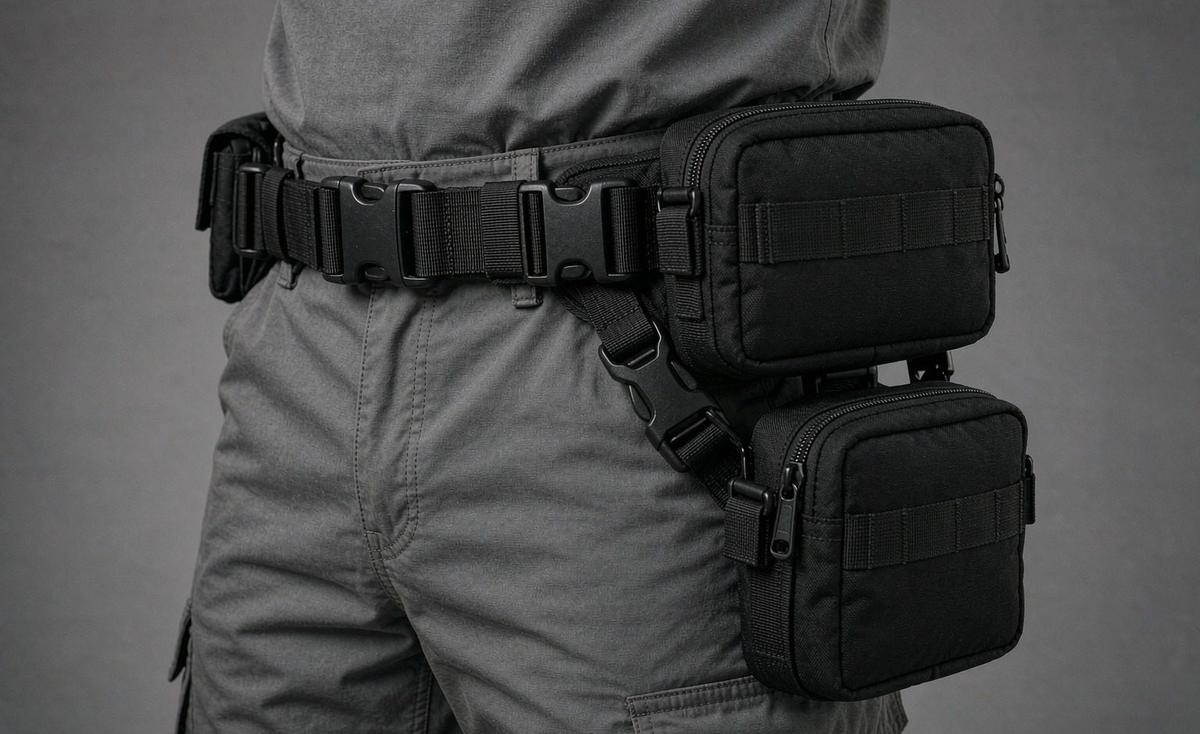
Inspection is a release gate, not a guarantee. It samples a defined lot at a defined production stage and reports conformity against written requirements. Its value depends on independence, random selection, product knowledge, an approved sample and clear defect rules. A generic checklist can confirm quantity and appearance while missing the feature that sells the campaign, such as laptop fit, seam sealing, artwork registration or strap-load performance.
Know what an inspector can and cannot prove
A third-party inspector can verify that production exists, stated quantities are complete, selected cartons contain the expected units and sampled bags match measurable requirements at the visit. The inspector can check dimensions, construction, workmanship, function, decoration, labels, packing, carton marks and agreed short tests. Photographs and counts create an independent record before goods leave under FOB Xiamen. The inspector cannot reconstruct decisions that were never specified, guarantee every unit in an unexamined lot, certify long service life from a brief visit or replace legal compliance testing. Nor can final inspection restore hidden reinforcement, correct wrong fabric across 500 units or prove a 20,000-cycle durability claim within a normal day. Those controls belong in design qualification and production. Independence also has limits: the inspection organisation reports observations and applies your criteria; the creator or authorised buyer owns the release decision. Write that authority clearly. A “pass” under the agreed sampling plan means observed defect counts did not exceed the acceptance limits and required checks met criteria. It does not mean zero defects. Review every note, not just the coloured summary box. Treat critical safety or identity issues separately from ordinary workmanship. One exposed needle fragment, wrong material claim or unauthorised site can stop release even when statistical counts look acceptable. The inspection should link to the signed pre-production sample, current tech pack, bill of materials, packaging specification and test file. If those references conflict, pause rather than asking the inspector to guess. The Kickstarter campaign bag QA and QC hub explains how development, in-line control, laboratory evidence and final inspection form one system instead of competing services.
Use risk triggers instead of order value alone
Inspection value comes from risk concentration, not only invoice total. A 500-piece run can carry the campaign's entire reputation, and a single delayed reward may affect public comments, refund requests and future launches. Use a risk score across product, process, partner, promise and recoverability. Product triggers include children's use, load-bearing straps, sharp or detachable parts, electronics integration, liquid containment and strong waterproof claims. Process triggers include welding, seam tape, custom coating, all-over print, dense embroidery, moulded hardware and several subcontractors. Partner triggers include a first order, new operating site, ownership change, unexplained quality drift or weak corrective-action history. Promise triggers include a launch video showing performance, a premium reward price or a delivery month with little buffer. Recoverability asks whether defects can be found and repaired before shipment or only after thousands of individual deliveries. Inspection is especially justified when the product is difficult to rework, the fulfilment destination is far away or the 70% balance would remove leverage. Lower-risk repeat orders can still need periodic independent checks to detect gradual drift. Do not waive inspection simply because a sample looked good; sample-room care and production-line output are different populations. Conversely, do not use an inspector to compensate for an unfinished specification. If dimensions, colours and defect limits remain disputed, fix them before booking. Set a policy such as mandatory third-party final inspection for every first order, every safety-sensitive style and any lot following a failed inspection, then risk-adjust repeat frequency. The bag factory audit guide for creators tests site systems before order award; lot inspection tests the actual goods later.
| Trigger | Risk | Inspection response | Extra evidence |
|---|---|---|---|
| First order | Unknown production consistency | In-line plus final | Site due diligence |
| Children's product | Safety-critical features | First-off and final with critical list | Compliance testing |
| Waterproof claim | Hidden seam and closure leakage | In-line process plus final leak checks | Whole-bag qualification |
| Complex decoration | Colour, register and adhesion drift | First-off plus final visual sampling | Signed strike-off |
| Repeat stable order | Gradual process drift | Risk-based periodic final | Trend history |
| Previous failed lot | Corrective action may not hold | Reinspection after 100% rework | Root-cause record |
Choose first-article, in-line or final inspection
Timing determines what can still be corrected. First-article inspection checks the initial production unit after bulk materials, equipment and work instructions are ready. It is best for hidden construction, pattern transfer, reinforcement, artwork and component identity. Approving first article prevents the line from repeating one wrong detail hundreds of times. During-production inspection occurs when enough units exist to reveal process stability but substantial quantity remains unfinished. It can find seam drift, shade mixing, tape lift, decoration offset or packing errors while correction is still practical. Select work from completed goods and active lines, then trace findings back to operations. Pre-shipment inspection takes place when production and packing are sufficiently complete for random carton selection across the lot. It confirms quantity, workmanship, function, assortment and packing before release. It is the most common independent gate but also the latest. High-risk orders may need all 3; ordinary first orders often benefit from at least in-line plus final. Do not schedule final inspection when only a handpicked portion is packed. The completion threshold must allow random selection from the real shipment, not a display set. Record unfinished quantity and any goods off-site. For waterproof, print or load-bearing features, add specialised tests at the stage that controls them. The inspector can witness seam-tape setup in-line and conduct sampled leak checks at final, but formal rating tests remain separate. Coordinate timing with the 35–50 day bulk production window. The visit date is a readiness forecast, not a fixed ceremonial appointment; verify status 2–3 days before travel. If production is incomplete, postpone rather than accepting a report that cannot represent the lot.

Select and brief an independent inspection team
Choose an inspection organisation or qualified individual with bag, soft-goods and relevant process experience. Ask who employs the inspector, how conflicts are declared, whether the office chooses the person, how reports are reviewed and how gifts or pressure are handled. Confirm language, travel coverage, test equipment, calibration and professional liability where relevant. Independence means the inspector is commissioned to report objective results to the buyer, not that they replace the production team's daily QC. Provide the address and legal entity independently, and prohibit unapproved site changes. The brief should arrive several working days before the visit and contain the purchase order, style and colour quantities, tech pack revision, signed sample photographs, bill of materials, measurement table with tolerances, defect classification, special tests, packaging, carton marks and contact escalation. Highlight the 10 most critical points on one page without deleting the complete specification. For a laptop bag those may include device-fit gauge, padding and zip function; for a waterproof roll-top, seam construction and closure method; for children's use, small components and strap geometry. Define who can answer technical questions during the visit, but do not let production staff reinterpret requirements privately. The inspector should select cartons and units personally using a random method and record carton numbers. Ask for time-stamped photographs of selection, checks, defects and packed lot. Sensitive files need controlled access and retention terms. Review a sample report before appointment so you know how counts, measurements and photos appear. Cheapest is not the only criterion: one missed wrong component across 500 pcs per style and colourway costs far more than a clear inspection day. The useful question is whether the team can execute your specific scope without improvisation.
Write a product-specific inspection scope
A strong scope moves from identity to performance. First confirm purchase order, style, colourway, production and packed quantities, carton count and completion status. Then verify materials and components against the approved references: shell, lining, foam, webbing, zip, buckles, labels, print and packaging. Measure defined points with tolerances and a clear method, including whether the bag is laid flat or filled. Examine construction, seam allowance where accessible, reinforcement, stitch density, symmetry and cleanliness. Operate every sampled zip, buckle, snap, pocket and adjustment. Add product-specific checks such as laptop-fit gauges, strap slippage, short attachment pull, print registration, embroidery security, leak screening or wheel and handle function. Define equipment, load, duration and acceptance for each; “test strap” is not an instruction. Check branding revision, placement and colour against signed physical standards. Verify care, origin, fibre or warning labels under the approved legal file. Packing checks should cover individual protection, assortment, barcodes, accessories, desiccant if approved, carton dimensions, gross and net mass, sealing and marks. Include odour, moisture, mould and metal-fragment controls where risk requires. State which checks are 100% on the sample and which use a subset because they are destructive or time-consuming. Provide boundary photographs for subjective defects. The scope should fit the booked time; if 80 checks cannot be completed properly in one inspector-day, add time or prioritise. Never silently delete a critical test to preserve the fee. Link every requirement to evidence so the report can show pass, fail, not tested or not applicable. The later release decision becomes faster because unanswered items remain visible instead of being treated as passes.
Set AQL sampling and defect classifications
The locked final-inspection baseline is AQL 2.5 to ISO 2859-1, but the sampling plan still needs lot size, inspection level and separate acceptance rules for defect classes agreed before production. The inspector draws a statistically determined sample from cartons spread across the lot, then counts defective units or defects according to the written plan. Explain to campaign stakeholders that AQL is an acceptance tool, not a promise that 2.5% of goods are defective and not permission to ship known defects. Classify by impact. Critical defects involve safety, legality or unusable identity and commonly have zero acceptance under the agreed plan. Major defects materially affect function, durability, appearance, saleability or the campaign promise: detached strap reinforcement, jammed main zip, wrong logo, out-of-tolerance device pocket or leakage in a protected compartment. Minor defects are limited workmanship issues that do not materially impair use, such as one removable loose thread or slight non-critical cosmetic variation beyond the approved boundary. Write examples for the actual product and include photographs. Decide how multiple defects on one unit count and how widespread process patterns are escalated. AQL counts alone should not hide a systemic issue: 4 identical seam openings from one line can require containment even when a numerical threshold is not exceeded. Measurements and functional tests may have their own acceptance logic. Record all sampled values, not only failures, to show distribution and drift. The existing bag QC report reading guide helps creators review defect counts, measurement tables and photo evidence without relying on the headline result.
Book around production reality, not hope
Inspection booking belongs in the purchase schedule from day 1. Reserve a provisional window when the order starts, then confirm readiness from material and production milestones rather than verbal optimism. The production clock begins after the 30% deposit and approved pre-production sample; standard sampling before that takes 6–10 working days, or 12–15 for complex builds. During the 35–50 bulk days, require weekly completion by operation: materials received, cutting, decoration, sewing, finishing, packing and carton count. For final inspection, confirm the agreed percentage is complete and packed, all colourways are represented, the approved sample and documents are on site, test equipment is available and no quantity is hidden at a subcontractor. Reconfirm 2–3 days before the visit to avoid a wasted trip. Build at least 2–5 working days after inspection for report review, possible rework and reinspection; do not place the sailing cutoff the next morning. Holiday, remote-site and peak-season travel affect availability. Inspection cost should be budgeted as a fixed campaign-quality line, along with potential reinspection. Compare it with downside: replacing hundreds of rewards, international reshipping and public delay updates. The economic case is usually strong on a first 500-piece order even before reputation is valued. Agree who pays when the site is not ready, when inspection fails or when overtime is requested. The inspector should not shorten sample selection because packing finished late. Link shipment booking to release status, not production completion. A finished lot is only commercially ready after required evidence is reviewed and corrective actions are closed.
Read the report before releasing payment
Review the complete report in a fixed order. Confirm site, date, inspector, purchase order, style, colour, lot size, completion and packed quantities. Check how cartons and units were selected. Verify the report used the correct specification and approved sample revision. Read defect counts by class and view every defect photograph at useful scale. Then review measurement tables, functional checks, special tests, packaging and carton data. Look for “not checked,” “not available,” “pending” or “not applicable” entries; each needs a reason and decision. Compare photographs with the campaign-defining features rather than focusing only on visible stitching. Review patterns: repeated defect location, one colourway failing, one carton with moisture or one measurement trending near its limit. Ask for clarification while the inspector can still verify evidence, but do not ask the report to change an observed fact. Separate report outcome from release outcome. A numerical pass can still be held for a missing compliance document or unauthorised component; a failure might be resolved through documented 100% sorting, repair and reinspection. Record the creator's release decision and conditions. Under T/T 30/70, the inspection should be reviewed before paying the 70% balance. Under FOB Xiamen, instruct the forwarder not to collect until authorised. Match final carton count and marks with shipping documents. Save the report, raw photos where available, corrective actions and approval in the quality file. This creates evidence for backer updates and later claims, while preserving leverage when a finding needs correction.
Use a release matrix so schedule pressure cannot turn unanswered evidence into acceptance. List every blocking condition with owner, due date and proof: critical defect closure, failed major count, missing test report, short quantity, unapproved substitute, incorrect carton mark or incomplete reinspection. Give each one a status of open, accepted with documented rationale, or closed; avoid vague labels such as “being handled.” Cross-check arithmetic. Sample size, defect totals, measurement failures and carton counts should agree across the summary and detail pages. Read image captions carefully and request the original scale image if a defect cannot be understood. Where the inspector reports conflicting references, issue one written decision to all parties and update controlled files before reinspection. Never ask the site alone to confirm its own correction when independence was the reason for the visit. If the finding is low risk and the creator consciously accepts it, document expected impact and why backer function remains intact. Commercial acceptance is not deletion of the defect. This matrix also helps finance and logistics: payment sees the same closed gate as the programme coordinator, while the forwarder receives one unambiguous release message tied to the final report revision.
Control rework and reinspection after failure
A failed inspection begins containment, not negotiation over the label. Freeze affected cartons and identify whether the defect population follows a line, shift, colourway, component lot or the complete order. Require a written corrective-action response with immediate containment, root cause, correction, prevention, owner and completion evidence. The production team should inspect 100% for the known defect where it can occur, repair only through an approved method and mark reworked units for review. Sorting out one visible issue does not erase correlated risks; if wrong zip sliders entered the line, verify chain compatibility and quantity records, not just operation. Keep reject counts and disposition. Reinspection should use a new random sample from the complete represented lot, including reworked and previously unaffected cartons as agreed. The independent inspector selects units again; a table of handpicked corrected examples is not reinspection. Repeat the original failed checks and any related characteristics that rework could damage. For waterproof repair, repeat leak checks; for print rework, inspect cure, hand-feel and registration; for strap repair, confirm reinforcement and attachment. Do not ship a partial “good” quantity unless traceability, commercial need and fulfilment plan justify it and the held population cannot mix. Update the delivery forecast honestly. A 2–5 working day correction is better than thousands of individual backer cases. Release only after objective closure and report review, then feed the defect into future first-off and in-line controls. Repeated failure should trigger wider review of the production site, process or approved design rather than endless final sorting.
Build third-party checks into a repeatable QA programme
Inspection becomes more effective over multiple campaigns when results are treated as data. Maintain a style-level quality history with sample revisions, lot size, defect counts, recurring locations, measurement capability, rework, reinspection and field complaints. Review trends before setting the next scope. A stable repeat order may shift effort from broad visual checks to known weak points, while a new material or site restores deeper coverage. Do not weaken the locked AQL 2.5 baseline without an approved policy; instead, adjust additional in-line visits and specialised tests from risk. Share anonymised defect examples with pattern, purchasing, sample and production teams. The best final-inspection finding is one that becomes impossible through a design or first-off control next time. Set governance: who approves the tech pack, who books inspection, who receives an unedited report, who can release payment and who can authorise shipment. Keep those roles separate enough to prevent schedule pressure from editing quality facts. Review inspector performance as well: report clarity, selection evidence, test execution, calibration and whether later complaints match missed patterns. A third-party check complements our production team's internal QC rather than replacing it. Creators who need a scoped plan can send bag type, quantity, critical features and launch date through the quote request form. Our programme coordinator can align first-off, in-line and final evidence with the production calendar. The creator retains the release decision, backed by a record that can be explained to backers without relying on “we were told it was fine.”
Set a review interval for the programme itself. At least once per completed lot, compare internal defect data, independent findings, rework hours and backer complaints. If the inspector repeatedly finds issues that in-line QC missed, strengthen the internal checkpoint; if field failures recur despite inspection, redesign the test or specification rather than simply increasing final sample size. Keep the inspector independent by rotating personnel when justified and auditing report consistency, but preserve product knowledge through a clear scope and defect library. The objective is not more inspection days. It is earlier prevention, reliable release decisions and a shrinking list of repeat defects across successive orders.
Send your bag specification, quantity, critical features and delivery promise to scope independent inspection before the bulk schedule is fixed.
Frequently Asked Questions
When should a Kickstarter creator hire a third-party inspector?
Use independent inspection for first orders, new production sites, safety-sensitive products, complex waterproof or decorated bags, tight delivery promises, previous defects or any lot whose failure would damage the campaign. A 500-piece order is large enough to justify the gate because replacement, international reshipping and public delay costs can exceed one inspection fee many times over before reputation is counted.
Does a third-party inspector check every bag?
Usually no. The inspector selects a statistically determined sample under the agreed AQL plan and applies specified checks to those units. Some critical visual controls or production screens may be 100%, but they are separate. Random carton selection and documented lot size are essential. A passing sample supports lot acceptance; it does not guarantee that all 500 units are defect-free.
What is AQL 2.5 in bag inspection?
AQL 2.5 to ISO 2859-1 is a statistical acceptance baseline using lot size, inspection level and defect classifications to determine sample and acceptance numbers. It does not mean exactly 2.5% defects are allowed. Critical, major and minor examples must be agreed before production, and safety or systemic findings can stop release regardless of a simple total or headline pass.
What is the best inspection stage for a first order?
A first order often benefits from in-line inspection plus pre-shipment inspection. In-line work finds construction and process drift while correction is practical; final inspection verifies the sufficiently completed and packed lot. Add first-article inspection for hidden reinforcement, safety-critical features, new waterproof processes or complex decoration. Timing should follow actual completion, not a fixed calendar date or shipping hope.
How complete should production be for final inspection?
Production and packing must be sufficiently complete for random selection across the real shipment, with all colourways represented and no material quantity hidden off-site. Agree the threshold in advance with the inspection team. If only handpicked cartons are available, postpone. Record finished, packed and unfinished quantities so the report's represented population is clear to every release decision-maker.
What documents should the inspector receive?
Provide the purchase order, current tech pack, signed sample reference, bill of materials, measurement methods and tolerances, defect classification, critical-feature list, special test instructions, packaging specification and carton marks. Highlight the top 10 risks on one page. Every file needs a revision, and obsolete versions must be withdrawn before the visit to prevent conflicting decisions during measurement and testing.
Can final inspection replace product testing?
No. A normal inspection day can check short functions, measurements and workmanship, but it cannot reproduce long durability programmes, chemical testing or formal waterproof ratings. Complete those on representative samples before bulk. The final inspector verifies that components, construction, labels and production records match the qualified design and can perform agreed screening checks on the sampled lot before shipment release.
How much time should be allowed after inspection?
Reserve at least 2–5 working days for report review, clarification and possible correction, with more time for extensive rework or reinspection. Do not book collection for the next morning. production 35-50 days after deposit and sample approval, but inspection closure and freight sit outside any assumption that the final sewing date equals shipment or backer delivery.
Who should choose the cartons for inspection?
The inspector should choose cartons and units personally using a random method across locations and packing periods. Production staff can move cartons safely but should not present only selected examples. The report should list or photograph carton identifiers. Random selection protects independence and makes the sample more representative of all 500 pcs in the style and colourway across the packing period.
What happens when a bag inspection fails?
Freeze affected goods, identify the likely population, issue corrective action and perform 100% sorting for the known defect where appropriate. Repair only through an approved method and retain reject counts. Reinspection uses a new independent random sample and repeats failed plus related checks. Do not release the 70% balance or FOB Xiamen collection until objective closure is reviewed and documented.
Can a creator accept a lot that technically passed but has concerns?
Yes, the report outcome and commercial release decision are separate. A numerical pass may still be held for missing compliance evidence, unauthorised substitution, incomplete quantity or a concerning repeated pattern. Record the reason and required closure. Likewise, a failed lot may later be released only after controlled rework and successful reinspection, not by editing the original observed counts or deleting photographs.
How should repeat orders use third-party inspection?
Keep AQL 2.5 as the final baseline and adjust additional visits from risk history. Stable repeats may need fewer in-line visits, while new materials, colourways, sites or recurring complaints justify deeper coverage. Track defects, measurements, rework and field returns by lot. Use the data to strengthen design and first-off controls rather than treating each report as an isolated document.
People Also Ask
Is third-party inspection worth it for 500 bags?
Usually yes for a first or campaign-critical order. One fee is small compared with replacing, reshipping or publicly explaining defects across 500 rewards.
Who pays for reinspection?
The purchase agreement should decide this before production. Many programmes assign reinspection cost according to failure responsibility, but the written contract controls.
Can an inspector stop shipment?
The inspector reports results; the authorised buyer normally makes the release decision. Tell the forwarder not to collect until that approval is issued.
How long does a bag inspection take?
It depends on sample size, checks, styles and special tests. Scope the required inspector-days rather than forcing an oversized checklist into one day.
What is a critical bag defect?
It is a safety, legal or identity failure such as a sharp hazard, exposed needle fragment or wrong mandatory label, as defined in the approved defect list.
Should inspectors use the golden sample?
Yes. They need the signed pre-production reference plus the current tech pack because physical appearance and written dimensions serve different purposes.
When is payment released after inspection?
Review the complete report and close required actions before the T/T 70% balance. A production-complete message alone is not a release gate.