Kickstarter Tote Case Studies: 3 Campaigns With High-AOV Rewards
Three tote reward patterns repeatedly lift average pledge value: a print-led art tote placed at the mid tier, a structured work tote sold with an add-on ladder, and a zippered commuter tote bundled with a pouch. In the programmes our team has supported the tote tier typically added 18 to 45 percent to average pledge value once it displaced a cheaper reward. Minimum order is 500 pcs per style and per colourway, sampling runs 6 to 10 working days, bulk runs 35 to 50 days, and inspection holds at AQL 2.5 to ISO 2859-1.
- Why average pledge value is the number that matters
- Case 1: the print-led art tote at the mid tier
- Case 2: the structured work tote with an add-on ladder
- Case 3: the zippered commuter tote bundle
- The AOV arithmetic behind a tote tier
- What the three programmes had in common
- Positioning the tier so it lifts rather than cannibalises
- Design decisions that raised perceived value
- Timeline: sampling 6 to 10 days, bulk 35 to 50
- QC and the unboxing moment that protects AOV
- Building your own high-AOV tote tier
Why average pledge value is the number that matters
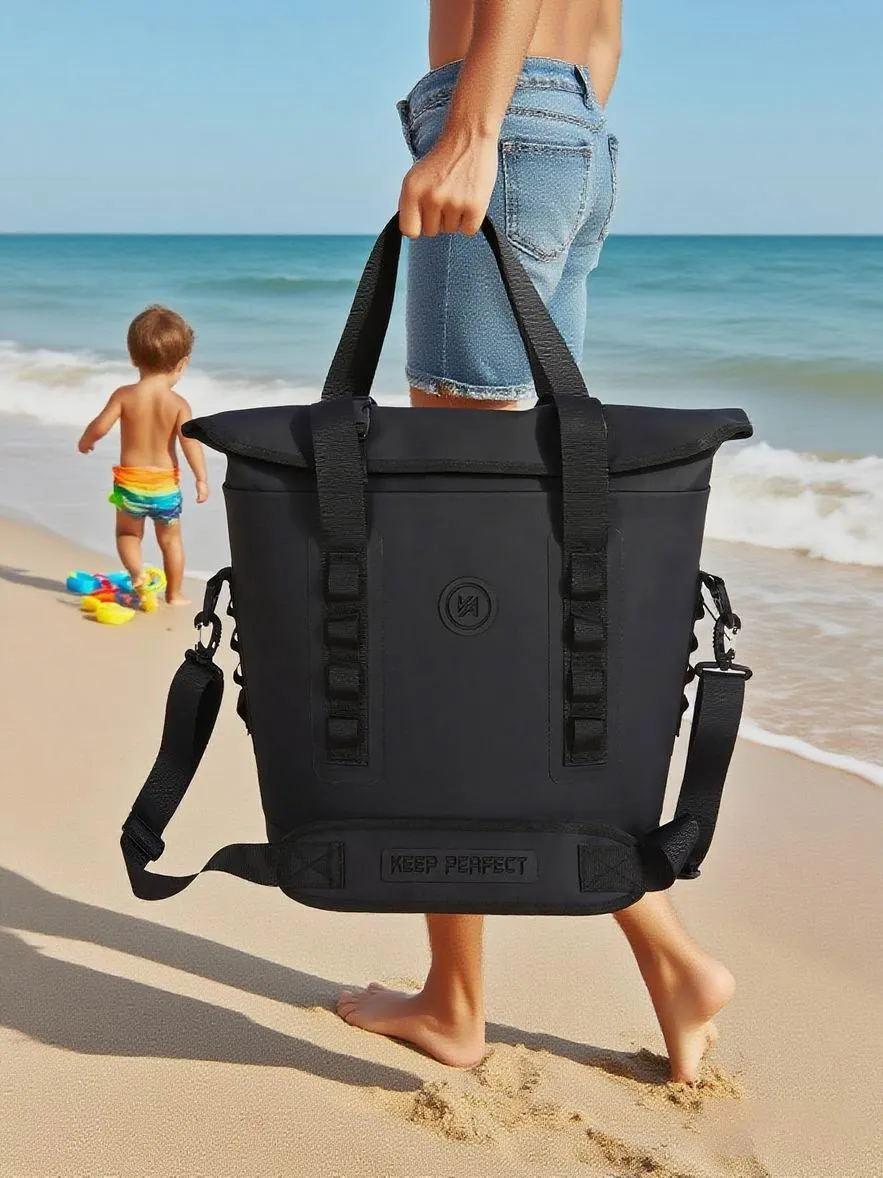
Total funds raised is the number on the campaign page, but average pledge value is the number a creator can actually steer. Traffic is expensive and largely fixed once launch momentum settles, so the realistic lever is what each visitor decides to spend. Physical rewards are the strongest lever on that decision because they convert an abstract support gesture into a comparison with a shop price. A backer who sees a tote reward does not ask whether they want to support the project, they ask whether that tote is worth the pledge, and that is a question a well-specified product wins.
A tote is unusually good at this job because the comparison set is favourable. Backers know what a good tote costs in a shop, they know a printed canvas tote from a museum or a bookshop sits in the 15 to 35 dollar range, and they know a structured work tote with a zip and a laptop sleeve sits considerably higher. If the reward is specified so that it looks and reads like the shop product, the pledge feels like a discount rather than a donation. That perception is the entire mechanism behind a high-AOV tote tier.
The three programmes described below are anonymised composites drawn from work our production team has supported across 20 plus crowdfunding campaigns. Numbers are given as typical ranges rather than as claims about one specific project. Each case is included because it illustrates a different mechanism: an art tote that won on print and story, a work tote that won on specification and add-ons, and a commuter tote that won on bundling. If you are planning a custom tote bag reward, one of these three shapes is most likely the right starting point.
Average pledge value is the lever a creator controls after launch. A tote tier moves it because the backer compares the reward to a shop price, not to a donation.
Case 1: the print-led art tote at the mid tier
The first programme was an illustrated project with an audience that already bought prints and stickers. The creator had originally planned a sticker pack as the mid reward. The tote replaced it at a slightly higher pledge and the artwork carried the value. The specification was deliberately simple: 12 oz natural canvas, a 34 by 38 centimetre body, a 60 centimetre webbing handle with a boxed stitch, and a single-colour screen print of the key illustration on one face with no print on the reverse.
What made this work was restraint in the printing. A single-colour screen print on natural canvas reads as a designed object, whereas a full-colour heat transfer of the same artwork reads as merchandise. The creator also committed to a print placement that sat low and slightly off-centre, which is a deliberate design choice rather than a default. The interior was left unlined with a single slip pocket. There was no zip, no lining and no hardware, which kept the unit cost low and the perceived value high because the money visibly went into the fabric and the print.
The effect on the pledge curve was concentrated at the middle. The tier sat roughly 25 percent above the previous mid reward and absorbed a meaningful share of backers who would otherwise have taken the sticker pack. In programmes of this shape we typically see average pledge value move by 18 to 28 percent when the print-led tote displaces a cheaper soft reward. The mechanism is straightforward: the reward looks like something that would be sold at a gallery desk, so the higher pledge reads as fair.
- Fabric: 12 oz natural canvas, unlined, single slip pocket
- Print: one-colour screen print, deliberate low off-centre placement
- Handles: 60 cm webbing, boxed stitch at four stress points
- Cost position: low unit cost, high perceived value, no hardware
- Typical AOV effect: 18 to 28 percent above the displaced reward
Case 2: the structured work tote with an add-on ladder
The second programme was a productivity and stationery project with a professional audience. Here the tote was specified as a work bag rather than as merchandise, which changes almost every decision. The body was 16 oz cotton canvas with a bonded inner lining, the base was reinforced with a rigid insert and four metal feet, and the opening had a recessed zip under a storm flap. The interior carried a padded 14-inch sleeve, two slip pockets, a pen slot and a key clip.
The interesting part of this programme was not the bag, it was the ladder. The creator offered the tote as a tier and then sold three add-ons against it: a matching zippered pouch, a leather-free luggage tag, and a second colourway for backers who wanted one for home and one for the office. Each add-on was priced between 12 and 28 dollars. Because add-ons are selected after the pledge decision rather than instead of it, they raise average pledge value without asking the backer to reconsider the tier they chose.
This is the highest-yield of the three shapes because it compounds. The base tier lifts the pledge, then the add-on ladder adds a second increment on top of a decision the backer has already made. In programmes with a professional audience and a tote specified to a genuine work-bag standard, our team typically sees 30 to 45 percent uplift in average pledge value once add-ons are included. The requirement is that the base product must survive scrutiny, because add-ons only sell against a reward the backer already believes in. If you want the specification detail behind this tier, the crowdfunding bag guide sets out the construction options in full.
Case 3: the zippered commuter tote bundle
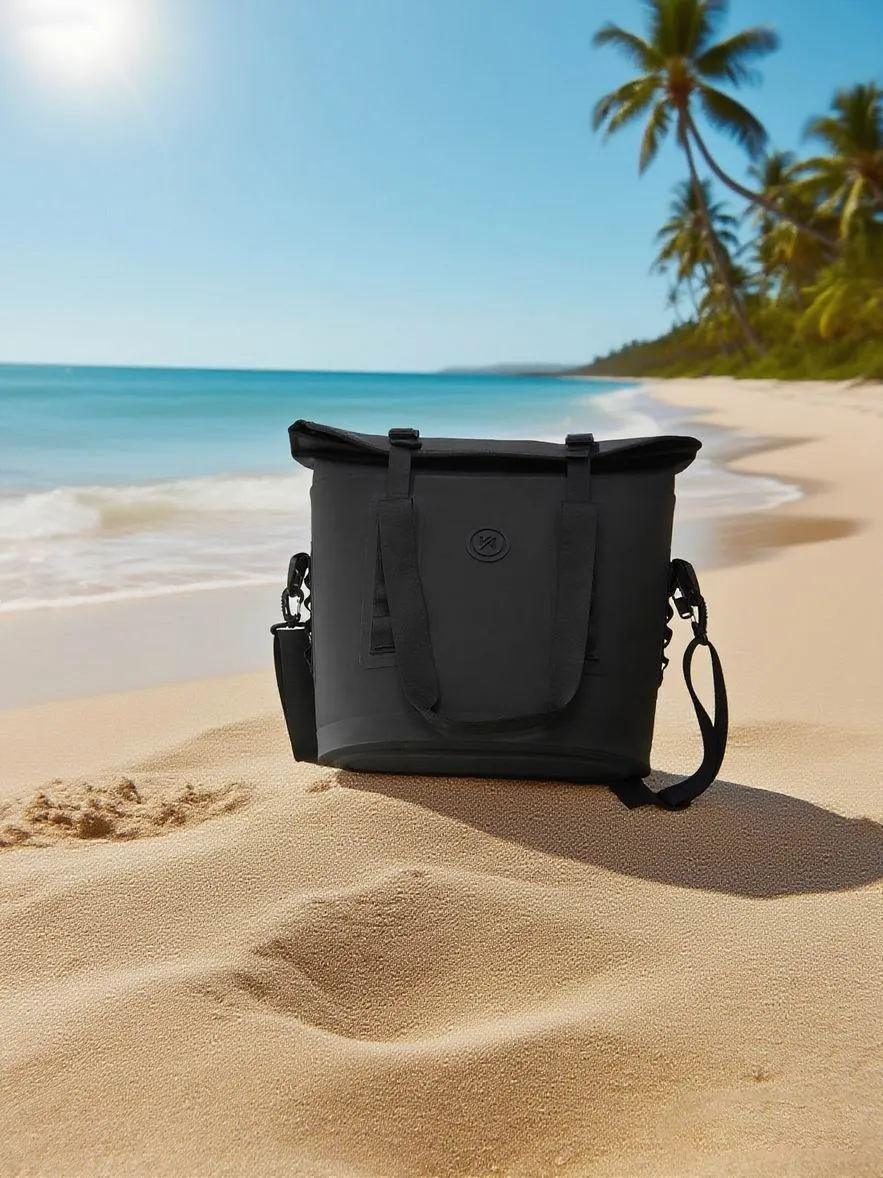
The third programme was a hardware project with an audience of commuters and frequent travellers. The tote itself was mid-specification, but it was never sold alone. It was bundled with a cable pouch and a flat water bottle sleeve into a single commuter set at a tier roughly 60 percent above the project's previous top physical reward. The bundle worked because the three items were specified together, in matched fabric and matched hardware finishes, so the set read as a designed collection rather than as three unrelated items in a box.
Matched hardware is the detail that sells a bundle. If the tote has matte black pullers and the pouch has shiny silver ones, the set reads as assembled from separate orders. Our production team specifies finish across every item in a bundle from the same hardware schedule, which keeps pulls, D-rings and snaps consistent. The same logic applies to stitch thread colour and to the label programme: one woven label placement rule across all items.
The commercial advantage of a bundle is that it moves the comparison set again. A backer comparing a commuter set to a single shop bag is comparing against a higher number, and the third and fourth items in a bundle have a disproportionate effect on perceived value because they cost relatively little to add. In bundle programmes of this type we typically see 25 to 40 percent uplift in average pledge value, with the second and third items contributing most of the perception gain. Bundles also help on the rewards fulfilment side, because a matched set packs as one kit.
| Programme shape | Tote specification | Commercial mechanism | Typical AOV effect |
|---|---|---|---|
| Print-led art tote, mid tier | 12 oz canvas, single-colour screen print, no hardware | Displaces a cheaper soft reward; reads as a shop product | 18 to 28 percent |
| Structured work tote plus add-ons | 16 oz canvas, lined, reinforced base with feet, recessed zip, padded sleeve | Base tier lift plus a post-pledge add-on ladder | 30 to 45 percent |
| Zippered commuter tote bundle | Mid-spec zippered tote, matched pouch and bottle sleeve, matched hardware | Bundle moves the comparison set to a higher number | 25 to 40 percent |
| Comparison: sticker or print pack | Paper goods, no textile content | No shop-price comparison to anchor against | Baseline |
| Comparison: generic cotton tote | Lightweight cotton, one-colour transfer, no structure | Reads as merchandise, anchors a low expectation | 0 to 10 percent |
The AOV arithmetic behind a tote tier
Average pledge value is total pledged divided by the number of backers, so it moves when either the mix shifts upward or each tier is worth more. A tote tier does both. It adds a tier that is priced above the soft rewards, and it pulls a share of existing backers upward into it. The arithmetic is worth doing before launch because it tells you how much uplift you actually need. If your current average pledge is 62 dollars and your target is 78 dollars, you need roughly a 26 percent lift, which is squarely inside the range a single well-specified tote tier can deliver on its own.
The second half of the arithmetic is margin. A tote that lifts average pledge by 26 percent is only worth doing if the landed cost leaves enough to fund the campaign. As a working rule for reward budgeting, the total landed cost of a physical reward, including freight, duty and a returns reserve, should sit at or below 30 to 35 percent of the pledge it is attached to. A tote is favourable here because it is light and flat, so freight is a smaller share of cost than it is for a structured backpack or a duffel.
Work the numbers per tier rather than in aggregate. Take the pledge, subtract the platform fee and payment processing, subtract the landed unit cost including freight, and see what is left for everything else. Our team runs this calculation with creators before a specification is frozen, because it occasionally changes the answer. A tote that lifts average pledge by 40 percent but costs 55 percent of the pledge is worse than a tote that lifts it by 25 percent and costs 28 percent.
What the three programmes had in common
Across the three shapes, four decisions repeated. First, each creator specified the tote to a real product standard rather than to a merchandise standard, which means the fabric, the handle attachment and the closure were chosen for use rather than for a photograph. Second, each one made a deliberate choice about what to leave out, because restraint reads as design while excess reads as cost-cutting dressed up. Third, each reward had a clear comparison anchor on the campaign page, either an explicit shop-price reference or photography that made the quality obvious.
Fourth, and least glamorous, all three programmes were sampled properly before the campaign page went live. None of them launched on a mock-up alone. A physical sample in hand changes the page, because the creator writes about handle drop and fabric weight from a measured product rather than from a stock photograph. It also protects the timeline: sampling runs 6 to 10 working days for a standard tote and 12 to 15 working days for a complex one, and that is only predictable if it happens before the page is locked.
There was also a shared discipline on quantity. Every one of these programmes ordered to a single style and a single or double colourway at a 500 pcs per style and per colourway minimum, rather than splitting the same total across four colourways and losing the price break on each. Colourway splitting is the most common way a first-time creator quietly destroys the unit economics of a reward. Two colourways is usually the right maximum for a first campaign.
Positioning the tier so it lifts rather than cannibalises
The failure mode for a tote tier is cannibalisation, where the new tier simply absorbs backers who would have taken a higher one. That happens when the tote is priced too close to the tier above it. The guardrail is a clear gap: place the tote tier so that the next tier up is at least 40 to 60 percent more expensive, and make sure the two rewards differ in kind rather than in quantity. A tote at one level and a tote plus backpack at the next is a clear step; a tote at one level and a tote in a different colour at the next is not, and it will pull backers down.
Copy matters as much as price. Backers decide between adjacent tiers by reading the difference, and the difference has to be concrete. Naming the fabric weight, the handle length, the closure type and the internal pocket count gives the backer something to compare. Vague language pushes the decision to price alone, and price alone favours the cheaper tier. Our team suggests writing the reward description as a specification list rather than as a paragraph of adjectives.
Limited positions help too, but only when they are honest. A first-run colourway limited to 500 units is credible because the minimum order is 500 pcs. Claiming a limit of 200 on a product with a 500-piece minimum is not, and backers increasingly check. Where creators want scarcity, our production team can build it into the programme honestly by committing to one colourway that will not be repeated.
Design decisions that raised perceived value
Perceived value in a tote comes from a small number of visible cues. Fabric weight is the first: a 12 oz or 16 oz canvas reads as substantial while a 6 oz cotton reads as a conference freebie, and backers can see the difference in a photograph if the bag is shot standing up. Handle attachment is the second: a boxed or triangular stitch at the stress point signals that someone thought about load, and it is a cheap detail to add. Base structure is the third, because a tote that stands up on its own in a photograph looks like a product rather than like a flat piece of cloth.
Hardware finish is the fourth cue and it is disproportionately powerful. Matte black or gunmetal pulls read as considered; bright nickel reads as default. The fifth cue is the label programme. A woven label sewn into a side seam reads as a brand, while a printed care label alone reads as an unbranded product. The sixth is edge finishing inside the bag: bound internal seams raise perceived quality significantly and are inexpensive relative to their effect, whereas raw overlocked seams inside an otherwise good bag undermine the whole impression the moment a backer looks inside.
The final cue is restraint in branding. A large logo on a tote lowers perceived value, because it tells the backer the bag is an advertisement. A small woven label, or a print that is primarily artwork with the mark secondary, keeps the product desirable. In the art-tote programme described above, the campaign mark appeared once, at 4 centimetres, on an interior label, and the exterior carried only the illustration.
Timeline: sampling 6 to 10 days, bulk 35 to 50
A tote reward programme runs on two clocks. The sampling clock is 6 to 10 working days for a standard specification and 12 to 15 working days when the build is complex, which in practice means anything with a moulded base, a bonded lining, a metal frame or an unusual print process. Sampling should finish before the campaign page is written, not after funding, because the sample is what makes the page credible and what lets the creator answer backer questions about dimensions and weight without guessing.
The bulk clock is 35 to 50 days from approved sample and deposit. The lower end applies to a simple canvas tote with a stock fabric and a standard print; the upper end applies to custom-dyed fabric, hardware that has to be sourced, or a bundle with several components that must converge. Bundles deserve particular care, because the pouch, the tote and any third item each have their own component lead time and the slowest one sets the date. Our programme coordinator builds a single critical-path schedule for bundle work rather than three parallel ones.
Freight then sits on top. For most campaign reward volumes, sea freight is the default and air freight is the contingency. Our production partner works on FOB Xiamen with T/T 30/70, which means 30 percent deposit to start and 70 percent before shipment. Capacity on the floor is up to 200,000 pcs per month across 137 staff, 7 lines and 149 machines on a 4,950 m2 SGS-verified site, so a reward quantity of a few thousand units is never the constraint.
QC and the unboxing moment that protects AOV
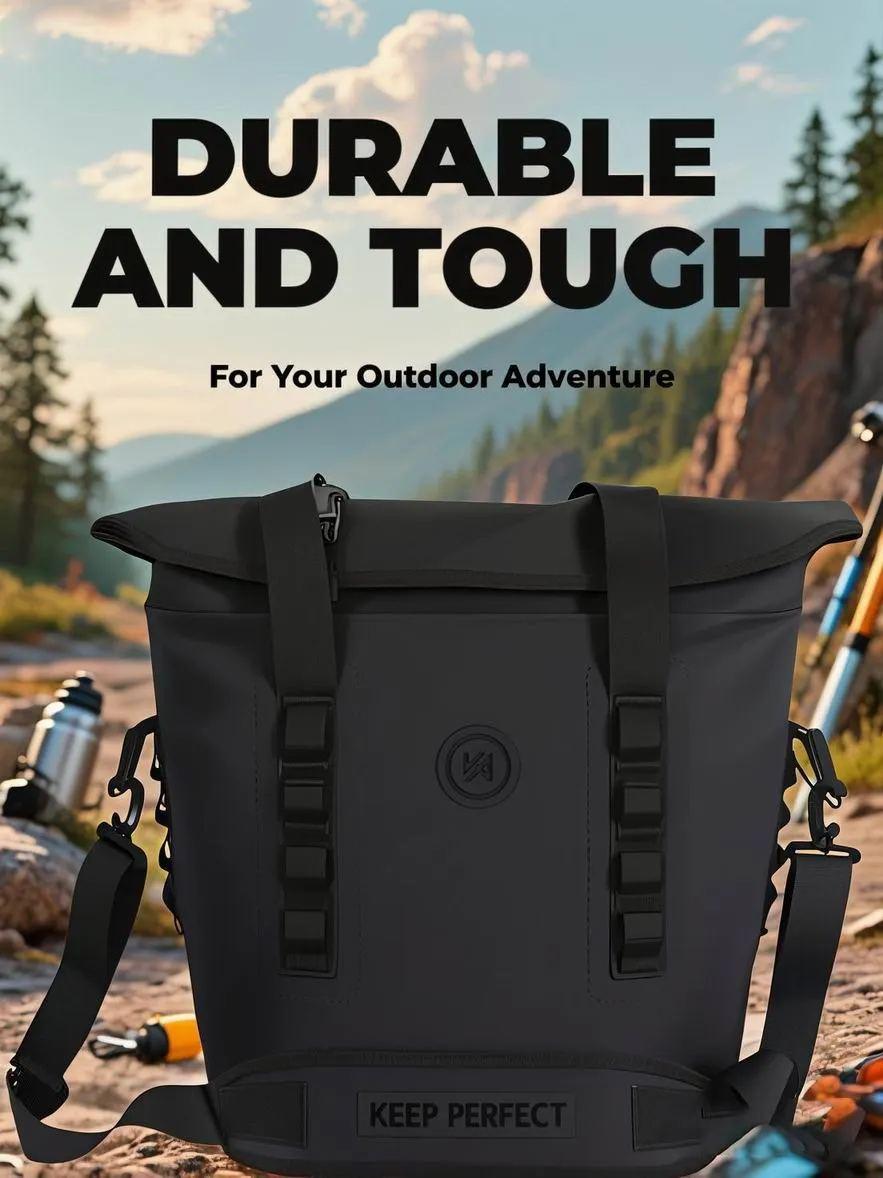
Average pledge value is not only won at the point of pledge, it is defended at the point of delivery. A reward that arrives with a crooked print, a loose thread or a handle that pulls away generates a refund request, a comment on the campaign page and a review, and each of those reduces the value of every future tier. Inspection holds at AQL 2.5 to ISO 2859-1 on our programmes, which sets a defined accept and reject number against a defined sample size rather than leaving it to opinion.
For totes the defects that matter most are print registration, handle attachment strength, stitch consistency at the stress points and colour consistency across the run. Colour consistency is the one that catches first-time creators, because a dye lot difference between the sample and the bulk is visible the moment a backer opens the box. Our production team pulls a sealed pre-production sample from the bulk fabric and holds it as the reference, so there is a physical standard to compare against rather than a photograph.
The unboxing itself is part of the product. A tote folded flat in a polybag with a printed card reads as a shipped reward; the same tote in a polybag with no card reads as a warehouse pick. The cost difference is small and the effect on the comment section is large. Where campaigns operate an Indiegogo or multi-platform programme, our team keeps the packing specification identical across platforms so that no cohort of backers receives a visibly different presentation.
A sealed pre-production sample pulled from bulk fabric is the only reliable defence against dye-lot drift between what a creator approved and what a backer receives.
Building your own high-AOV tote tier
Start by choosing one of the three shapes rather than inventing a fourth. If your audience is buying artwork, choose the print-led tote and spend the budget on fabric weight and print quality. If your audience is professional, choose the work tote and spend the budget on structure, closure and internal organisation, then build an add-on ladder. If your audience travels or commutes, choose the bundle and spend the budget on matching hardware and finishes across the items.
Then set the numbers. Fix the pledge so landed cost sits at or below 30 to 35 percent of it. Fix the colourway count at two or fewer so each colourway clears the 500 pcs minimum at a sensible price. Fix the sampling window at 6 to 10 working days before the page is written, or 12 to 15 if the build is complex. Fix the bulk window at 35 to 50 days and add freight before promising a delivery month to backers.
Then write the reward description as a specification. Fabric weight, body dimensions, handle length and attachment, closure type, internal pocket count, and the label programme. Backers comparing tiers can only compare what is written down. Our team reviews that copy against the technical specification before a campaign goes live, because a mismatch between the two is the most common source of disputes after delivery. Send your brief to us and a campaign bag specialist will come back with a costed specification, a sampling date and a bulk date you can put on the page.
Send your tote reward brief to service@junyuanbags.com and a campaign bag specialist will return a costed specification with sampling and bulk dates you can publish.
Frequently Asked Questions
How much can a tote reward realistically raise average pledge value?
In the programmes our production team has supported, a well-specified tote tier typically moves average pledge value by 18 to 45 percent once add-ons are counted. The lower end applies to a simple art tote displacing a paper reward; the upper end applies to a structured work tote with an add-on ladder. The mechanism is the comparison set: a tote is judged against a shop price rather than against a donation, so a higher pledge reads as fair.
What is the minimum order quantity for a custom tote reward?
Minimum order is 500 pcs per style and per colourway. That means a tote in two colourways is two separate 500-piece commitments, not 500 split across both. For a first campaign we generally recommend one style and at most two colourways, because splitting a small total across more colourways removes the price break on each and is the most common way a reward programme loses its margin.
How long does sampling take for a campaign tote?
Sampling runs 6 to 10 working days for a standard tote using stock fabric and a conventional print process. Complex builds run 12 to 15 working days, which covers moulded bases, bonded linings, metal frames and unusual print techniques. Sampling should be complete before the campaign page is written so that dimensions, weight and closure details can be stated from a measured product rather than estimated.
What bulk production time should a creator promise backers?
Bulk runs 35 to 50 days from approved sample and deposit. A simple canvas tote with stock fabric sits at the lower end; custom-dyed fabric, sourced hardware or a multi-item bundle sits at the upper end. Freight is additional and depends on mode and destination. We advise creators to add a buffer of at least two weeks before quoting a delivery month on the campaign page.
Which tote shape works best for a professional or productivity audience?
A structured work tote with an add-on ladder. The specification that performs is 16 oz canvas or equivalent, a bonded lining, a reinforced base with feet, a recessed zip under a storm flap, and internal organisation including a padded sleeve. Because the audience already buys work bags, the reward is judged against a shop product and supports a higher pledge plus add-ons priced between 12 and 28 dollars.
Should a creator offer the tote as a tier or as an add-on?
Both, but in sequence. Launch the tote as a tier so it lifts the base pledge decision, then offer matching items as add-ons afterwards. Add-ons are selected after the pledge decision rather than instead of it, so they add a second increment without forcing the backer to reconsider the tier. Creators who skip the tier and offer the tote only as an add-on usually capture less total value.
How many colourways should a first campaign tote reward have?
Two at most. Each colourway carries its own 500 pcs minimum, so three colourways means 1500 units across the same total demand. Two colourways gives backers a choice, which measurably helps conversion, without fragmenting the order to the point where unit cost rises. A single limited first-run colourway that will not be repeated is an honest way to create scarcity.
What inspection standard applies to tote reward production?
Inspection holds at AQL 2.5 to ISO 2859-1, which defines sample size and accept and reject numbers rather than leaving judgement to opinion. For totes the critical defects are print registration, handle attachment strength, stitch consistency at stress points, and colour consistency across the run. We pull a sealed pre-production sample from bulk fabric and hold it as the physical reference for colour.
What are the trade and payment terms for a tote programme?
Programmes run FOB Xiamen with T/T 30/70, meaning 30 percent deposit to start production and 70 percent before shipment. That structure matches the cash flow of a crowdfunding campaign, where funds arrive in stages. Capacity on the floor is up to 200,000 pcs per month, so reward volumes of a few thousand units are never a scheduling constraint.
How should a tote reward be described on the campaign page to lift conversion?
Write it as a specification rather than as adjectives. State fabric weight in ounces, body dimensions in centimetres, handle length and attachment method, closure type, internal pocket count and label programme. Backers comparing adjacent tiers can only compare what is written down, and vague copy pushes the decision to price alone, which favours the cheaper tier.
How do I stop a tote tier from cannibalising a higher tier?
Keep a clear price gap and a clear difference in kind. Place the tote so the next tier up is 40 to 60 percent more expensive, and make the two rewards differ in kind rather than in quantity. A tote at one level and a tote plus backpack at the next is a step; a tote at one level and the same tote in another colour at the next is not, and it will pull backers down.
Can a tote reward be bundled with other items without complicating fulfilment?
Yes, and bundling is one of the strongest AOV levers available. Specify the items together in matched fabric with a single hardware finish schedule so the set reads as a collection. A matched set also packs as one kit, which simplifies pick and pack. The scheduling caution is that the slowest component sets the delivery date, so our programme coordinator builds one critical-path schedule for the whole bundle.
People Also Ask
Do tote bags make good Kickstarter rewards?
Yes, because they are light, flat, cheap to ship and easy for a backer to compare against a shop price. That comparison anchors a higher pledge than a paper reward can. They also photograph well and hold print artwork.
What is a good average pledge value for a campaign with bag rewards?
It depends on the category, but bag reward tiers typically sit between 45 and 120 dollars. The useful test is margin: landed cost including freight and a returns reserve should be at or below 30 to 35 percent of the pledge.
How much does a custom tote bag cost to produce?
Unit cost depends on fabric weight, construction and print method, and falls as quantity rises above the 500 pcs minimum. Ask for a costed specification rather than a single number, because handle attachment and closure choice move the figure more than fabric does.
Should I launch my tote reward before or after sampling?
Before. A physical sample lets you state real dimensions and weight on the page and answer backer questions without guessing. Sampling takes 6 to 10 working days for a standard tote and 12 to 15 for a complex one.
What fabric weight should a campaign tote use?
12 oz canvas is the usual baseline for an art or market tote and reads as substantial. 16 oz suits a structured work tote. Avoid 6 oz cotton for a paid reward tier, because it reads as a conference giveaway and photographs poorly.
How do add-ons differ from reward tiers for AOV?
Tiers set the base pledge; add-ons are selected after that decision. Add-ons therefore add a second increment without asking the backer to reconsider the tier, which is why a work tote with a pouch ladder outperforms a single higher tier.
Can I ship tote rewards internationally without destroying margin?
Usually yes, because a folded tote is light and flat, so freight is a smaller share of cost than for a structured backpack. Budget zone by zone, allow for duty and a returns reserve, and confirm de minimis thresholds per market.