Custom Cooler Bags for Kickstarter
The MOQ for custom cooler bags on a Kickstarter campaign is 500 pcs per style and colourway. Sampling takes 6-10 working days, or 12-15 when welded liners or moulded components are specified, and production 35-50 days after deposit and approved pre-production sample. Inspection is set at AQL 2.5 to ISO 2859-1, cargo ships FOB Xiamen and payment is T/T 30/70. Cooler bags carry a performance claim that a backer can test in an afternoon with a bag of ice, which makes the insulation specification a commercial promise rather than a feature. This page covers the insulation, sealing, costing and compliance decisions behind an insulated reward.
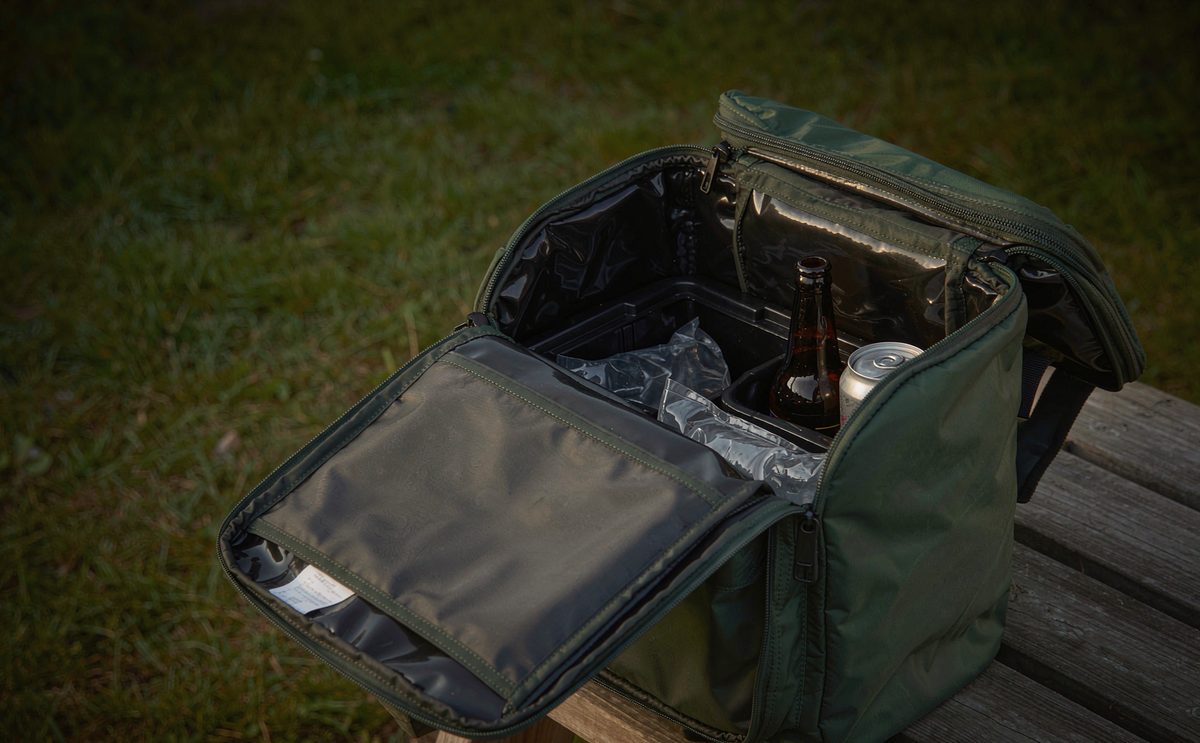
Key takeaways
- MOQ is 500 pcs per style and colourway, with each colourway carrying its own minimum.
- Sampling takes 6-10 working days, extending to 12-15 for welded liners or moulded components.
- production 35-50 days after deposit and approved pre-production sample.
- Inspection is AQL 2.5 to ISO 2859-1, with a photographic report before the 70% balance payment.
- Cargo ships FOB Xiamen under T/T 30/70 terms.
- Cold-life is a test result: state the hours, the ambient temperature, the load and whether ice was used.
Insulation performance is a tested number, not a marketing word
A cooler bag is the rare reward where the backer can verify the headline claim at home with a bag of ice and a thermometer. That makes vague language dangerous. Keeps drinks cold all day means nothing until it is expressed as hours, at a stated ambient temperature, with a stated payload and ice ratio. Our production team therefore asks for the cold-life target as a number in the RFQ, because the insulation package is then specified backwards from it rather than guessed at.
Cold retention is governed by four variables working together: insulation thickness and type, the liner's thermal reflectivity, the surface-area-to-volume ratio of the bag, and the quality of the closure. A thick foam layer behind a badly sealed zipper performs worse than a thinner layer behind a well-sealed one, which is why the closure deserves as much specification attention as the insulation.
The second commercial point is that insulated builds are less forgiving in production than dry goods. Liners are welded or stitched-and-taped, foam has to be cut and fitted consistently, and a leak that appears in one unit in fifty will generate the same number of complaints as a leak in every unit. Settling the test protocol before sampling is what makes the difference. Programme context sits on the custom bags for Kickstarter page.
Insulation thickness, liner construction and cold-life maths
Closed-cell foam is the standard insulation because it does not absorb water when condensation forms. Thickness drives performance with diminishing returns: doubling from 5 mm to 10 mm produces a large improvement, while doubling again to 20 mm produces much less and adds bulk that raises freight. Most campaign rewards sit between 6 mm and 12 mm, with the premium tier at 15 mm plus a reflective liner.
| Package | Foam thickness | Liner | Indicative cold life | Cost index |
|---|---|---|---|---|
| Entry lunch cooler | 4-5 mm PE foam | PEVA, stitched and taped | 4-6 hours | 1.0 |
| Standard day cooler | 6-8 mm PE foam | PEVA, RF welded | 8-12 hours | 1.4 |
| Premium day cooler | 10-12 mm closed cell | TPU with reflective layer | 14-20 hours | 2.0 |
| Extended cooler | 15 mm closed cell | TPU, welded, reflective | 24-36 hours | 2.8 |
| Soft backpack cooler | 8-10 mm closed cell | TPU, welded | 10-16 hours | 2.1 |
| Tote-style cooler | 5-6 mm PE foam | PEVA, welded | 6-9 hours | 1.2 |
Cold-life figures only mean something with the test conditions attached. State ambient temperature, starting temperature of the contents, ice-to-content ratio, whether the bag was opened during the test, and the end-point definition — ice remaining, or contents below a temperature threshold. Publish all five. A campaign that says 24 hours without saying how invites a backer to run a worse test and post the result.
Liner welds, seam integrity and leak resistance
The liner is what makes a cooler bag a cooler bag. There are two construction routes. Stitched and taped seams are cheaper and faster to sample, but every needle hole is a potential leak path relying on tape to hold. Radio-frequency welded seams cost more and need tooling, but produce a genuinely watertight liner. For any reward that will hold melting ice, welding is the specification that removes the most common failure mode.
- Weld method: RF welding for TPU and PVC liners; heat welding where the material allows it.
- Weld width: specify in millimetres and hold a tolerance, because a narrow weld is a slow leak waiting to happen.
- Corner construction: corners are where welds fail; specify a gusseted or rounded corner rather than a folded square.
- Seam test: a defined fill-and-invert test on a statistical sample from the bulk batch, not just on the sample-room piece.
- Drain point: where a drain is included, specify the closure and test it separately, because drains leak first.
- Liner-to-shell bond: confirm adhesion so the liner does not separate and bunch when the bag is emptied.
A leak test that runs only on the pre-production sample tells you nothing about weld consistency across 500 units. Put a fill-and-invert test into the inline and final inspection plan with a defined sample size and pass criterion. Welded liners are consistent when the parameters are controlled, and controlling them means measuring them, batch by batch.
Zipper, closure and exterior shell specification
The closure is the largest single leak of cold air on most cooler bags. A standard coil zipper lets warm air circulate along the teeth; a water-resistant coated zipper with a tight tape reduces that significantly; a roll-top or a magnetic gusseted flap removes the zipper from the thermal path almost entirely. Choose at RFQ stage, because retrofitting a closure after sampling means changing the pattern as well as the hardware.
| Element | Entry option | Recommended option | Trade-off |
|---|---|---|---|
| Main closure | Coil #5 zipper | Water-resistant coated #8 | Better thermal seal, higher cost |
| Premium closure | n/a | Roll-top with side buckles | Best seal, slower access |
| Shell fabric | 300D polyester | 600D polyester, PU coated | Abrasion and wipe-clean |
| Outer treatment | None | DWR finish plus wipe-clean coating | Stain resistance after use |
| Base | Same as shell | Reinforced, welded, non-slip | Wet-surface grip and abrasion |
| Carry system | Webbing handles | Padded wrap plus detachable strap | Comfort when fully loaded |
Wipe-clean performance matters more than backers expect. A cooler bag meets spilled drinks, condensation and food residue, so the shell coating has to survive repeated cleaning without delaminating. Specify the coating and ask for an adhesion check on incoming material. Recycled and certified input options, including GRS-certified rPET shells, are set out on the material customization for Kickstarter bags page.
Sampling a cooler bag: the approval and test sequence
Sampling runs 6-10 working days from approved artwork and confirmed materials, extending to 12-15 where welded liners or moulded components are specified, because weld tooling has to be set and parameters tested. Insulated builds reward a two-round sequence with a cold-life test in the middle: the first round validates construction and fit, the second validates the corrected weld parameters and the thermal result.
- Round one: assess the liner fit, foam consistency, mouth gusset and how the bag behaves when fully loaded.
- Round one testing: run the cold-life test under the exact conditions you intend to publish.
- Round two: confirm weld width, corner construction and closure seal on a revised pre-production sample.
- Leak test: fill-and-invert on a defined sample, with the pass criterion written into the tech pack.
- Approval: sign the pre-production sample built from bulk materials, which becomes the AQL 2.5 reference.
production 35-50 days after deposit and approved pre-production sample, so the clock starts only when that physical reference exists and the cold-life and leak tests have passed. Do not release the 30% deposit against a render. The gate sequence is documented on the crowdfunding bag sample prototyping page.
MOQ and unit cost for an insulated build
The minimum order is 500 pcs per style and colourway. Insulated builds carry bought-in material and tooling costs that flat bags do not: foam sheet, liner film in the specified gauge, and weld tooling sized to the pattern. That is the practical reason the 500 pc threshold applies, and it is why a creator asking what is the MOQ for custom cooler bags should also ask how the liner film minimum purchase quantity interacts with the order.
| Cost driver | What changes | Effect on unit cost |
|---|---|---|
| Insulation package | 5 mm PE foam to 15 mm closed cell | +22% to +180% |
| Liner construction | Stitched and taped to RF welded | +20% to +55% |
| Liner material | PEVA to TPU with reflective layer | +14% to +48% |
| Closure | Coil zipper to water-resistant #8 | +9% to +32% |
| Shell material | 300D to 600D PU-coated polyester | +11% to +34% |
| Order volume | 500 pcs to 3,000 pcs | -8% to -18% |
Ask for the quotation as a breakdown with insulation, liner, closure, shell, labour, tooling, testing, packing and freight on separate lines. Liner and foam are the two lines most likely to be substituted, so seeing them separately lets you hold the specification. It also makes the freight conversation honest: insulated bags are bulky relative to their weight, so volumetric weight usually drives the freight bill.
A reward price that ignores landed freight and platform fees is not a price, it is a wish.
Kickstarter Creator Handbook
Mapping the production window to a seasonal launch
Cooler bags are seasonal, and seasonality makes the calendar brutal. production 35-50 days after deposit and approved pre-production sample, inspection and packing add 3-5 days, and transit adds 12-38 days. A campaign promising delivery before a summer season therefore has to close, sample, produce and ship inside a narrow window. The reliable approach is to finish sampling during the campaign, before funds clear, and to pre-book liner film and foam against a forecast.
| Stage | Working days | Owner |
|---|---|---|
| RFQ, tech pack review and weld tooling plan | 3-5 | Creator and production partner |
| Material sourcing: film, foam, shell | 6-10 | Production team |
| Sampling round one | 6-10 | Production team |
| Cold-life and leak testing | 3-7 | Creator |
| Pre-production sample and approval | 6-15 | Both |
| Bulk production | 35-50 | Production team |
| AQL 2.5 inspection and packing | 3-5 | QC team |
| Freight, customs and fulfilment | 12-38 | Freight and fulfilment partners |
Where the reward includes related items — a cooler bag plus a set of reusable ice packs, for instance — the kitting operation needs its own specification, cost and inspection step. The crowdfunding rewards fulfilment page covers kitting, address capture and the DDP route that keeps a surprise duty invoice away from a backer.
Inspection and cold-life verification at AQL 2.5
Pre-shipment inspection is set at AQL 2.5 to ISO 2859-1, which fixes the sample size, the accept and reject counts and the defect classification. Critical defects — a leaking liner, a split weld, a closure that will not seal — are zero tolerance at any level. Major defects such as foam voids or a misaligned panel are capped by the AQL 2.5 table. Minor defects such as a stray thread carry a higher allowance but must still be logged.
- Incoming check: liner film gauge, foam thickness and density, coating adhesion on the shell.
- Inline check: weld width and consistency, corner construction and gusset alignment on the first 50 units.
- Leak test: fill-and-invert on a defined statistical sample, with the pass criterion from the tech pack.
- Cold-life verification: a periodic test on bulk units under the published conditions, not only on samples.
- Final AQL 2.5 inspection: random carton selection, defect logging and a photographic report before release.
- Compliance file: food-contact and chemical documentation assembled for each destination market.
Foam thickness and liner gauge are the two easiest specifications to lose in production without any visible change to the bag. Specify both in millimetres with a tolerance, verify them on incoming material, and cut one unit from the bulk batch to confirm. A 2 mm reduction in foam can take hours off the cold life you published.
The staged inspection model, defect classification and the reporting pack are explained on the Kickstarter campaign bag QA/QC page, including the decision path when a batch lands marginally under the accept threshold.
Food-contact compliance and carton considerations
A cooler bag is a food-contact-adjacent product in most markets, which brings a documentation obligation that dry bags do not carry. Confirm destination markets in the RFQ and assemble the file before production rather than after inspection, because a missing declaration can hold a shipment at customs long after the bags are made.
- Food-contact: declaration for the liner material covering the intended contact conditions.
- Chemical: REACH declaration for the EU, CPSIA or Prop 65 documentation for the United States.
- Textiles: OEKO-TEX Standard 100 certification for shell and lining fabrics where applicable.
- General product safety: EU GPSR information where the reward ships to European backers.
- Labelling: material content and care instructions printed on a sewn-in or packed card.
Carton planning for insulated goods has one specific trap: compression. Foam recovers slowly, and a bag packed tightly under container stacking pressure can arrive with permanently compressed walls. Specify a five-ply export carton, protect corners, and avoid over-filling the carton to save freight. Insulated bags are bulky relative to weight, so volumetric weight usually drives the freight bill even before compression is considered.
Programmes of this kind are run from a 4,950 m² SGS-verified production floor with 137 staff across 7 production lines and 149 machines, giving 200,000 pcs of monthly capacity. Established in 2014 with trade roots going back to 2004, the team has supported more than 20 crowdfunding campaigns. That headroom allows a seasonal reward to scale quickly when a campaign overfunds.
How to choose a production partner for insulated products
How to choose between bidders on an insulated build is a question about test discipline. Will the bidder name the weld method, the weld width and the leak-test pass criterion in writing? Will they run a cold-life test under the conditions you intend to publish, or only quote a round number? Will they release the inspection report before the balance payment? A supplier shortlist assembled on photograph quotes tends to collapse once the liner specification has to be written down.
- Request a breakdown that separates insulation, liner, closure and shell from labour and tooling.
- Confirm the leak-test protocol, sample size and pass criterion in writing before sampling starts.
- Ask how foam thickness and liner gauge are verified on incoming material and on the bulk batch.
- Ask which food-contact and chemical declarations can be issued for your destination markets.
- Ask for the re-order price band in writing while the first purchase order is still open.
Creators comparing softer, unlined silhouettes in the same reward ladder will find the custom tote bags for Kickstarter and custom sports bags for Kickstarter pages useful. The full production map is on custom bag categories.
Re-order planning for refill and seasonal demand
Insulated rewards often sell better after the campaign than during it, because retail and corporate buyers discover the product once reviews land. Plan for that: once weld tooling exists and the liner film minimum is cleared, incremental volume moves faster and raising volume from 500 to 3,000 pcs typically reduces unit cost by 8% to 18%. Negotiate the band before the campaign closes, and confirm how quickly a second colourway can follow.
- Minimum order quantity
- 500 pcs per style / colourway
- Sampling lead time
- 6-10 working days (12-15 for welded liners)
- Bulk production
- 35-50 days after deposit and approved pre-production sample
- Inspection standard
- AQL 2.5 to ISO 2859-1
- Trade term
- FOB Xiamen
- Payment terms
- T/T 30/70
- Production capacity
- 200,000 pcs per month, 7 lines, 149 machines
- Facility
- 4,950 m² SGS-verified floor, 137 staff
- Programme experience
- 20+ crowdfunding campaigns supported since 2014
Request a cooler bag quotation
Send the silhouette, capacity, cold-life target in hours, closure preference, quantity per colourway, destination markets and target reward price. The team will return a structured quotation, an insulation and liner specification proposal, a sampling schedule and the leak and cold-life test protocols that will govern the order.
- Custom bags for Kickstarter programmes
- Custom tote bags for Kickstarter
- Custom sports bags for Kickstarter
- Low MOQ bag production for creators
- Sample prototyping for crowdfunding bags
- QA and QC for campaign bags
- Material customization for Kickstarter bags
- Request a quotation
Request a cooler-bag quotation
Email service@junyuanbags.com with your tech pack, capacity, cold-life target in hours, quantity per colourway and target delivery month. A campaign bag specialist will return a cost breakdown and sampling schedule within two working days.
Frequently Asked Questions
What is the MOQ for custom cooler bags on a Kickstarter campaign?
The minimum order is 500 pcs per style and colourway. Insulated builds carry foam sheet, liner film in a specified gauge and weld tooling sized to the pattern, which is why the threshold applies. A second colourway in the same silhouette resets the 500 pc minimum because the line has to be re-set.
How long does sampling take for a cooler bag with a welded liner?
Standard sampling is 6-10 working days from approved artwork and confirmed materials. Welded liners or moulded components extend that to 12-15 working days, because weld tooling has to be set and parameters tested. Budget 20-30 working days for two rounds plus leak and cold-life testing.
How much does a custom cooler bag cost per unit?
Unit cost turns on insulation, liner, closure and shell. Moving from 5 mm PE foam to 15 mm closed cell adds 22% to 180%; moving from stitched and taped to RF welded adds 20% to 55%. Raising volume from 500 to 3,000 pcs typically reduces unit cost by 8% to 18%.
How is cold life tested and what should the campaign page say?
State hours, ambient temperature, starting temperature, ice-to-content ratio, whether the bag was opened, and the end-point definition. A figure with no conditions invites a backer to run a harsher test and post the result. Standard day coolers typically deliver 8-12 hours; premium builds reach 24-36 hours.
Should a cooler bag liner be stitched or welded?
For any reward holding melting ice, RF welded is the right specification. Stitched and taped seams are cheaper and faster to sample, but every needle hole is a potential leak path relying on tape. Welding costs 20% to 55% more and adds sampling time, and it removes the most common failure mode.
What inspection standard governs a cooler-bag shipment?
Pre-shipment inspection runs at AQL 2.5 to ISO 2859-1, which fixes sample size, accept and reject counts and defect classification. Critical defects such as a leaking liner or split weld are zero tolerance. You receive a photographic report before releasing the 70% balance payment.
How is foam thickness verified during bulk production?
Specify thickness and density in the tech pack with a tolerance, verify both on incoming material, and cut one unit from the bulk batch to confirm. A 2 mm reduction in foam can remove hours from the published cold life with no visible change to the finished bag.
When should a cooler bag order be placed for a summer delivery?
Finish sampling during the campaign so production starts when funds clear. production 35-50 days after deposit and approved pre-production sample, inspection and packing add 3-5 days, and transit adds 12-38 days. Pre-book liner film and foam against a forecast, because seasonal demand tightens material supply.
Do cooler bags need food-contact documentation?
Yes, in most markets. Assemble a food-contact declaration for the liner material, a REACH declaration for the EU, CPSIA or Prop 65 documentation for the United States, and OEKO-TEX Standard 100 for shell fabrics where applicable. Confirm destinations in the RFQ so the file is built before production.
Which closure gives the best thermal performance?
A roll-top with side buckles removes the zipper from the thermal path almost entirely and gives the best seal, at the cost of slower access. A water-resistant coated #8 zipper with tight tape is the practical middle ground, costing 9% to 32% more than a standard coil #5.
How should insulated bags be packed to avoid compression damage?
Use a 5-ply export carton rated for container stacking height, protect corners, and do not over-fill the carton to save freight. Foam recovers slowly, so sustained compression under stacking can leave walls 2-3 mm thinner and cut cold life. Insulated bags are bulky, so volumetric weight usually drives freight.
What happens to the unit price on a post-campaign re-order?
Once weld tooling exists and the liner film minimum purchase quantity is cleared, incremental volume moves faster and raising volume from 500 to 3,000 pcs typically reduces unit cost by 8% to 18%. Negotiate a price band in writing before the campaign closes, while the first order still gives you leverage.
People Also Ask
Are cooler bags a good Kickstarter reward?
Cooler bags work well because the value proposition is immediate and the product photographs clearly. The risk is the performance claim: backers can test cold life at home. Publish hours with the test conditions attached, and specify a welded liner so the claim survives real use.
Why does my cooler bag leak at the corner?
Corners are where welds fail, particularly folded square corners. Specify a gusseted or rounded corner construction, define weld width in millimetres with a tolerance, and put a fill-and-invert leak test into the inspection plan with a stated pass criterion.
How much insulation does a day cooler need?
Around 6-8 mm of closed-cell foam with an RF-welded liner typically delivers 8-12 hours. Stepping to 10-12 mm with a reflective TPU liner reaches 14-20 hours. Beyond 15 mm the returns diminish while bulk and freight cost keep climbing.
Can a cooler bag use recycled materials?
Yes. GRS-certified rPET shells are widely available and add roughly 10% to 20% over standard polyester. Foam and liner options are more limited, so confirm which components can carry recycled content before the claim goes into the campaign copy.
How long does a cooler bag order take from approval to delivery?
Allow 35-50 days for bulk production after deposit and approved pre-production 35-50 days for inspection and packing, and 12-38 days for freight. Sampling of 6-10 working days per round, or 12-15 for welded liners, comes first.