600D vs 900D Polyester: Choosing the Right Backpack Shell Fabric
600D polyester is the right default for a campaign backpack and 900D is a targeted upgrade, not a blanket improvement. Denier only measures yarn weight, so coating type, weave density and seam construction decide most of the durability you are paying for. The strongest commercial build is usually a hybrid: 600D on the body panels with 900D on the base, lower back and strap contact points. Specify abrasion by method and minimum cycles, set a hydrostatic head that matches the claim you publish, and guard against dye migration in printed logos. MOQ stays at 500 pcs per style and colourway, sampling at 6 to 10 working days and bulk at 35 to 50 days.
- What Denier Actually Measures, and What It Does Not
- Reading a Polyester Shell Spec: Denier, Weave and Coating
- Weight and Hand: How 600D and 900D Feel in the Finished Bag
- Strength and Abrasion: the Test Methods and Typical Bands
- Coatings and Water Resistance: PU, PVC, TPU and DWR
- Where 900D Earns Its Cost: High-Abrasion Zones and Hybrid Builds
- Print and Colour on Polyester Shells: Migration, Sublimation and Ink
- Cost, Weight and Freight: the Real Delta Between 600D and 900D
- Construction Consequences: Needles, Seams, Slippage and Bulk
- Sampling, Testing and Bulk: Turning the Choice Into a Schedule
- Writing the Shell Fabric Line So Nobody Substitutes
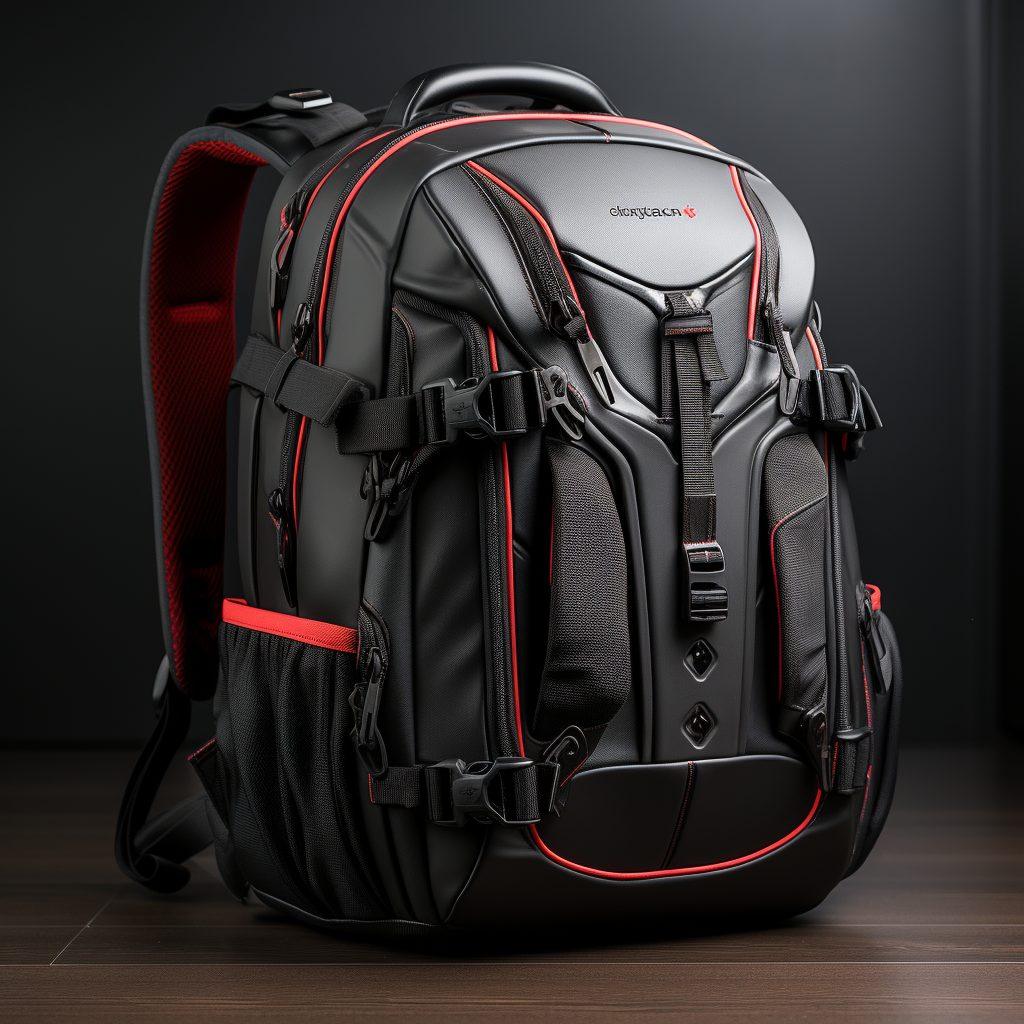
For a campaign backpack, 600D polyester is the right default and 900D is the targeted upgrade, not the other way around. 600D keeps weight, hand and unit cost in the range most backers expect from an everyday pack, while 900D earns its extra cost only in defined high-abrasion zones such as the base, the lower back panel and strap contact points. The decision is rarely 600D or 900D across the whole bag: it is usually 600D with 900D where the bag touches the ground. This guide explains what denier really measures, the coating and test numbers that matter more than denier, and how to write a shell line that survives sampling.
Denier is a yarn measurement, not a performance guarantee. Coating, weave, finishing and seam construction move the real-world result far more than the jump from 600D to 900D.
What Denier Actually Measures, and What It Does Not
Denier is the mass in grams of 9,000 metres of a single yarn. A 900D yarn is therefore heavier per unit length than a 600D yarn, which in plain terms means the filaments are thicker. That is all it means. It says nothing about how tightly the fabric is woven, whether the yarn is filament or texturised, what coating sits on the back, or how the finished cloth will behave when a loaded pack is dragged across a kerb.
This matters because denier is the number creators see first and negotiate hardest on. Two 600D fabrics can differ far more in real durability than a 600D and a 900D from the same mill. A tightly woven 600D with a good polyurethane backing will generally outlast a loosely woven 900D with a thin coating, because abrasion is resisted by the surface structure and the coating film rather than by yarn thickness alone.
The practical reading is that denier sets a band and everything else positions you inside that band. Use denier to get into the right weight class, then specify weave, filament type, coating and test targets to pin down the result. If a quote gives you nothing but a denier figure, it is not a specification, it is a placeholder, and it leaves the supplier free to substitute within a very wide range.
There is also a filament count dimension that most tech packs omit. A fabric described as 600D may be built from a specific number of filaments per yarn, and the filament count influences surface smoothness, lustre, print behaviour and abrasion. Two fabrics both labelled 600D can therefore dye and print differently. Where the visual result matters, ask for the full construction and note it on the approved swatch rather than relying on the denier alone. Our overview of custom bags for Kickstarter campaigns places this fabric layer inside the wider sequence of decisions a creator makes before quoting.
Reading a Polyester Shell Spec: Denier, Weave and Coating
A workable shell line has four parts. The first is denier, which sets the yarn class. The second is weave, which for backpack shells is overwhelmingly plain weave or a variant thereof, sometimes oxford where a two-tone or basket effect is wanted. The third is filament and texture, which affects hand and lustre. The fourth, and the one most often left out, is the backing or coating.
Coatings are where water resistance and much of the abrasion resistance actually come from. PU coating, polyurethane applied to the reverse face, is the standard for mid-market packs. PVC coating is heavier, stiffer and cheaper, and it raises environmental and compliance questions in some markets. TPU laminate is the premium option, more flexible and more durable, and it is what you need if you intend to weld or tape seams. A DWR finish on the face is a surface treatment that makes water bead; it wears off and it is not a waterproofing method on its own.
Coating quantity is quoted either in grams per square metre of coating or in millimetres of film thickness. The thicker the coating, the more water resistant and the stiffer the hand. There is a diminishing return: past a certain point the coating makes the fabric crack at fold lines and adds weight without adding useful performance. For an everyday campaign pack the useful target is a coating sufficient to pass a spray test and a modest hydrostatic head, not a maximum figure.
- Denier sets the yarn class: 600D for general shells, 900D for abrasion zones.
- Weave and thread count decide surface structure, abrasion and print detail.
- Coating type decides water resistance, hand and whether seams can be welded.
- DWR finish is a face treatment that degrades and must be renewed, not a waterproof barrier.
Weight and Hand: How 600D and 900D Feel in the Finished Bag
For planning purposes, a coated 600D polyester shell commonly falls in the low hundreds of grams per square metre, and a coated 900D shell typically sits somewhat higher, with the exact figure driven more by coating weight and weave density than by the denier alone. Treat these as bands to confirm on the mill specification rather than fixed values, because the spread within each denier class is wide.
That weight difference translates directly into the finished pack. Roughly speaking, moving a whole shell from 600D to 900D adds a meaningful percentage of finished bag weight, which backers notice two ways: on the scale, and in the way the bag drapes when empty. A 900D pack feels more substantial and photographs as more rugged, which suits outdoor and tactical positioning. It also feels stiff, which can read as cheap in a commuter or laptop pack where backers expect a soft, conforming body.
Hand is also affected by interfacing and lining choices, which is why the shell decision cannot be made alone. A soft 600D shell over a stiff backing reads structured; a stiff 900D shell with the same backing reads like a hard case. When a creator tells us the bag should feel premium but not rigid, that usually points to 600D with a moderate coating and a structured lining rather than a heavier shell. Our lining comparison at bag lining materials from 210D to velvet covers the other half of that equation.
| Attribute | 600D polyester | 900D polyester | Why it matters |
|---|---|---|---|
| Yarn weight class | Lighter yarn | About 50 percent heavier yarn | Sets baseline abrasion and cost |
| Typical finished weight | Lower band of coated shells | Higher band of coated shells | Drives pack weight and freight |
| Hand | Softer, drapes | Stiffer, more rigid | Suits commuter vs outdoor positioning |
| Abrasion expectation | Good for everyday use | Better in high-wear zones | Decides base panel strategy |
| Unit fabric cost | Lower | Higher | Moves total landed cost per pledge |
| Best placement | Body panels, lid, front | Base, lower back, strap contact | Hybrid builds optimise both |
Strength and Abrasion: the Test Methods and Typical Bands
Two test families decide whether a shell fabric performs. Abrasion resistance predicts how long the face survives rubbing against walls, floors and straps. Tensile and tear strength predict how the fabric behaves when it is snagged or over-loaded. Both must be quoted with the method used, because the numbers are not comparable across standards.
For abrasion the two dominant methods are Martindale and Wyzenbeek, with results expressed in cycles to a defined endpoint such as two yarn breaks or a visible change. A fabric quoted at a given number of Martindale cycles cannot be compared with a Wyzenbeek figure at all. For coated polyester shells used on campaign backpacks, results commonly land in the tens of thousands of cycles band, with 900D constructions generally sitting above comparable 600D constructions from the same mill. Confirm the endpoint and the abrading standard, not just the number.
For strength, grab tensile is measured by clamping a specimen and pulling, and tear resistance by the Elmendorf pendulum method or the ISO tongue-tear equivalents. Typical bands for coated polyester shells run from the several hundred newton range for lighter constructions upward, with heavier denier and tighter weaves at the top of the band. Because the spread is wide, we specify a minimum value plus a test report requirement rather than assuming a denier implies a strength.
Finally, no fabric test predicts the failure you will actually see in the field, which is usually seam failure or coating delamination. Coating adhesion should be tested separately, particularly on any style that will be folded for shipping, because a PU film that cracks at a fold line looks like a defect even though the fabric underneath is intact. Our walkthrough of bag material testing for fabric, zipper and print adhesion sets out how to read those reports.
Coatings and Water Resistance: PU, PVC, TPU and DWR
Water performance is measured two ways and they answer different questions. The spray test assesses whether the face sheds water, reported as a rating on a defined scale after a fixed exposure. The hydrostatic head test presses a column of water against the fabric until it penetrates, reported in millimetres of water column. A fabric can pass a spray test and fail a meaningful hydrostatic head, which is why a campaign page that says water resistant should name a number.
As planning bands, a coated polyester shell with a light finish may show a hydrostatic head in the low hundreds of millimetres, while a properly PU-coated or TPU-laminated shell can reach well above that, into four figures, depending on coating type and weight. These are bands to confirm by report, since coating formulation and fabric construction move them substantially. What matters commercially is choosing a number that matches the claim you will publish.
Remember that the fabric is not the bag. Water enters through seams, zipper tapes and needle holes long before it penetrates a coated face. If your campaign promises rain protection, the construction decisions that matter are taped or welded seams, a reverse-coil zipper with a storm flap, and a coated lining, all covered in our guide to custom waterproof backpacks and seam construction. A 900D shell with untreated seams will leak in a downpour.
There is also a compliance dimension. PVC coatings and certain durable water repellent chemistries attract restrictions in specific markets, and backers in Europe ask about them. If your campaign sells into the EU or UK, settle the coating chemistry before you commit to a fabric booking, because a coating substitution late in the programme will change the hand and the water test results at the same time.
Where 900D Earns Its Cost: High-Abrasion Zones and Hybrid Builds
The most useful way to think about 900D is as a placement decision rather than a shell decision. Bags wear unevenly. The base panel is dragged and set down, the lower back panel rubs against clothing and chair backs, the bottom corners scuff, and strap contact points polish the face fabric. Everywhere else, the shell is mostly carrying light abrasion and looking good in photographs.
A hybrid build puts 900D exactly where the wear is and 600D everywhere else. In practice that means a 900D base panel running up the front and back by a defined height, reinforced bottom corners, and 900D facing at strap contact points, with 600D on the lid, the sides and the upper back panel. The result is close to 900D durability where it matters at a fraction of the weight and cost of an all-900D shell.
The counter-argument is panel count. Every fabric change adds a seam, and every seam adds labour, bulk and a potential leak path. A hybrid with too many panels can cost more in labour than the fabric it saves, and it introduces shade-matching risk between two fabrics dyed to the same colour. Our rule of thumb is to keep hybrid builds to a small number of clearly justified zones rather than optimising panel by panel.
Where a campaign should genuinely go all-900D is where the product promise is abrasion: tool packs, tactical and outdoor builds, motorcycle bags, and anything marketed against a lifetime guarantee. In those categories the heavier shell is part of the story backers are buying, and the added weight reads as evidence rather than as a penalty.
Print and Colour on Polyester Shells: Migration, Sublimation and Ink
Polyester behaves differently from cotton under print, and the difference catches campaigns out. Dye migration is the main one: disperse dyes in polyester fabric can sublime out of the fibre when heated and bleed into a print film sitting on top, turning a white logo pink on a red shell. It appears during curing or, worse, a few weeks later in a hot warehouse.
The defence is a migration-resistant ink system or a barrier layer under the print, and a heat-ageing test on the printed panel before approval. This is not exotic, and any competent printing partner should be able to show you an aged test panel. What you should not do is approve a printed polyester sample on the day it comes off the press and assume the colour is stable.
Sublimation is the natural fit for polyester because the dye bonds directly to the fibre, giving a print that cannot crack and that adds no hand. It works on polyester shells, it does not work on nylon or cotton without a coating, and it requires the base fabric to be white or very light for full-colour work. Where the campaign wants an all-over graphic, this is often the decisive reason to choose polyester over nylon.
Colour matching across panels is the other recurring problem. A 600D body and a 900D base dyed to the same reference will rarely match perfectly, because the yarn takes dye differently. Decide early whether that difference is acceptable as a design feature or whether the panels must match within a defined tolerance, and write the tolerance with a reference to a physical standard rather than a pantone code alone.
Cost, Weight and Freight: the Real Delta Between 600D and 900D
Fabric cost is only part of the delta. A 900D cloth costs more per yard than a 600D cloth, and the gap widens with coating weight and with any special finish such as a printed pattern or a flame-retardant treatment. On a full shell the increase is visible in the unit price; on a hybrid build it is much smaller.
Then come the knock-on costs. Heavier shell fabric means heavier needles, slower sewing and more seam bulk, which shows up in labour minutes. It means slightly more waste if the cutting marker cannot nest as efficiently. And it means a heavier finished pack, which raises both the outbound freight cost and, if you are shipping direct to backers, the per-parcel cost in every zone you sell into. On a 35 to 50 day bulk programme, those are decisions you want made before the fabric is booked, not after.
If you are weighing 600D against 900D alongside a nylon option, the comparison is not one-dimensional: polyester is generally the lower-cost, more print-friendly and more UV-stable choice, while nylon offers better abrasion per weight. Our comparison of nylon, polyester and recycled PET for crowdfunding backpacks walks through that trade-off, and our piece on ripstop nylon vs 1680D polyester looks at the heavier end of the same spectrum.
Construction Consequences: Needles, Seams, Slippage and Bulk
Moving up a denier class changes what happens on the machine. Heavier yarns need larger needles, and a larger needle leaves a larger hole, which matters if you are relying on the coating for water resistance. Operators also slow down at seam crossings, where multiple layers of heavy coated fabric stack up, and needle heat can become a problem on synthetic faces.
Seam slippage is the specific risk with smooth filament polyester. Under load, yarns can slide past each other at the seam so the stitch line opens without any thread breaking. The fixes are a higher thread count, a wider seam allowance, a stronger stitch type at load points, and in some cases a seam-binding or taped construction. Seam slippage is measured by its own test method, and it should be on the checklist for any pack that carries weight.
Bulk is the third consequence. Every seam where 900D panels meet adds thickness, and thickness at the base corners is what makes a pack sit badly or wear through its own binding. Good pattern engineering trims and grades those seams rather than simply folding them, which is one of the things we look for when reviewing a pre-production sample.
These are all reasons to treat the shell change as a construction change, not just a material swap. When a creator moves from 600D to 900D, we re-check the needle size, the stitch type at the strap anchors, the binding width and the seam allowance, because the same pattern sewn in a heavier cloth is not the same bag.
Sampling, Testing and Bulk: Turning the Choice Into a Schedule
A shell fabric decision is confirmed by a sample made in the actual production fabric, not by a swatch card and not by a sample sewn from whatever was on the shelf. Standard sampling runs 6 to 10 working days, extending to 12 to 15 working days where the build is complex, for example a multi-panel backpack with a padded laptop sleeve, moulded back panel and integrated hardware.
Fabric procurement usually sits on the critical path for bulk. After sample approval, bulk production runs 35 to 50 days, and the first of those weeks is often spent waiting for the dyed and coated fabric to arrive. If a specific colour or coating is involved, that lead time is longer, which is why we advise creators to lock the shell fabric decision before the campaign ends rather than after the pledge manager closes.
Inspection closes the loop. Finished packs are checked to AQL 2.5 to ISO 2859-1, and the shell-related defects worth naming explicitly are shade variation between panels, coating marks or delamination at folds, seam pucker on heavy crossings and print misregistration. Naming them with acceptable limits makes an inspection result actionable instead of arguable.
Commercial terms are worth confirming at the same time: FOB Xiamen with T/T 30/70 payment. That structure aligns the deposit with fabric booking and the balance with completion, which is what you want when a dye lot has to be committed weeks before the container ships.
One scheduling trap worth naming: the pre-production sample is the last checkpoint where a fabric substitution can still be caught cheaply. It should be built from the bulk fabric lot, on production tooling, by the line that will run the order. Approving a photograph or a proto sample instead is how campaigns discover a shade or hand difference only when cartons arrive, which is far too late inside a 35 to 50 day programme.
Writing the Shell Fabric Line So Nobody Substitutes
A shell line that can be quoted, sampled and enforced needs the denier, the construction, the coating type and weight, the finish, and the test targets with the method named. Leaving any of those out gives a supplier room to substitute inside a wide band, and substitution is exactly how a sample that felt right becomes a bulk shipment that feels wrong.
A workable line reads like this: shell 600D polyester, plain weave, PU coating to a defined coating weight, face DWR finish, colour matched to an approved physical swatch within an agreed tolerance, abrasion tested to a named method with a minimum cycle count, tear strength with a minimum value, hydrostatic head with a minimum millimetre figure, and coating adhesion verified after folding. Then name the 900D zones in the pattern, not in a note.
- Denier and construction: yarn class, weave, thread count and filament detail.
- Coating and finish: type, weight or thickness, face treatment, and any compliance constraint.
- Test targets with methods: abrasion, tear, hydrostatic head, coating adhesion after folding.
- Colour control: reference to a signed physical swatch plus a stated tolerance.
- Zoning: which panels use which fabric, marked on the pattern rather than described in a note.
Finally, keep the two artefacts that resolve every dispute: a signed reference swatch for each fabric and a signed pre-production sample built from the bulk fabric lot. Shade and hand arguments are settled by comparing physical standards. If you would like a second opinion before you send a spec out, our campaign bag specialist can review it and flag the gaps we would want closed; send us a brief through the contact page.
Deciding between 600D and 900D for your campaign backpack? Send us your drawings, target quantity and launch date and we will come back with a costed fabric plan.
Frequently Asked Questions
What does 600D mean on a backpack fabric?
Denier is the weight in grams of 9,000 metres of a single yarn, so 600D describes yarn thickness and nothing else. It does not define weave density, coating, finish or abrasion performance. Two fabrics both sold as 600D can behave very differently, which is why a tech pack should always add weave, filament detail, coating type and coating weight alongside the denier figure.
Is 900D polyester always better than 600D for a backpack?
Not always. 900D generally gives better abrasion resistance and a more rugged hand, but it adds weight, stiffens the drape and raises unit and freight cost. For a commuter or laptop pack, 600D often feels better to backers. The strongest commercial answer is usually a hybrid: 600D on the body with 900D on the base and high-wear zones. Plan the hybrid zones on the pattern drawing so the cutting marker and the shade standard both follow it.
How much heavier is 900D than 600D polyester?
The yarn is about 50 percent heavier by definition, but the finished fabric difference is moderated by weave density and coating weight, so expect a meaningful but not proportional increase in grams per square metre. Confirm the actual figure on the mill specification, because the spread within each denier class is wide and coating weight can dominate the result. In a finished pack that extra shell weight also raises outbound freight and per-parcel cost to backers, so run it through your landed cost model before locking it.
What hydrostatic head should I specify for a water resistant backpack?
Choose the number from the claim you intend to publish. A lightly finished shell may only reach the low hundreds of millimetres, while a properly PU-coated or TPU-laminated shell can reach well into four figures. Specify a minimum in millimetres, name the test method, and pair the fabric figure with a construction requirement: taped or welded seams and a reverse-coil zipper with a storm flap. Without those, the published number describes the swatch rather than the bag backers receive.
Does 900D polyester make a backpack waterproof?
No. Water resistance comes from coating and construction, not from denier. A 900D shell with unsealed seams and a standard coil zipper will leak. Real rain protection needs a coated or laminated fabric, taped or welded seams, a reverse-coil zipper and a storm flap. Denier only affects how long the face fabric survives abrasion once those construction decisions are already right, so treat fabric class and waterproof engineering as two separate specification lines.
Which abrasion test should I ask for on a polyester shell?
Ask for either Martindale or Wyzenbeek, but never compare results across the two, because they are different methods with different endpoints. Results for coated polyester shells commonly fall in the tens of thousands of cycles band. Always require the method, the abrading standard and the endpoint to be stated on the report together with the number, and add a coating adhesion check after repeated folding.
Why did my printed logo change colour on a polyester bag?
This is usually dye migration, where disperse dyes in the polyester sublime out of the fibre under heat and bleed into the print film, often appearing weeks after production. Prevent it with a migration-resistant ink system or a barrier layer, and validate with a heat-ageing test on the printed panel before you approve the sample rather than on the day it prints.
Can I use sublimation printing on a 600D polyester backpack?
Yes, sublimation bonds directly to polyester, which is one of the main reasons to choose polyester over nylon for all-over graphic designs. It needs a white or very light base fabric for full-colour work and it does not work on nylon or cotton without a polymer coating. The payoff is a print that will not crack and adds no hand.
What is the MOQ for a custom backpack in 600D or 900D?
The MOQ is 500 pcs per style and per colourway. A hybrid build using 600D on the body and 900D on the base is normally one style, while the same design offered in three shell colours is normally three colourways. Confirm how your programme counts them before you build reward tiers around specific colour options. Mills also apply their own minimum dye-lot quantity underneath that figure, so an unusual shell colour can carry a surcharge even when unit count clears the minimum.
How long does sampling and bulk take for a custom backpack?
Sampling runs 6 to 10 working days for a standard build and 12 to 15 working days for complex packs with padding, moulded panels or integrated hardware. Bulk production runs 35 to 50 days after sample approval, and dyed or coated fabric procurement is usually on the critical path, so lock the shell decision early. Print strike-offs and hardware sourcing sit inside the sampling window, so late artwork or buckle changes eat days you planned to spend elsewhere.
Should the base panel of a backpack use a heavier fabric?
Usually yes. The base is set down, dragged and scuffed far more than any other panel, so a 900D base on a 600D body buys most of the durability benefit at a fraction of the cost and weight of an all-900D shell. Keep the number of fabric zones small, because every change adds a seam, labour time and a shade-matching risk.
What inspection standard applies to custom backpack production?
Finished packs are inspected to AQL 2.5 to ISO 2859-1, which sets sample size and accept or reject thresholds by defect class. For shell fabrics, name shade variation between panels, coating marks or delamination at folds, seam pucker at heavy crossings and print misregistration as separate defect classes, each with an acceptable limit. Verify shell weight and shade on incoming fabric against the approved swatch as well, because a fabric problem caught at cutting costs far less than the same problem found at final inspection.
People Also Ask
What is better for a backpack, 600D or 900D polyester?
600D is the better default for everyday packs because it is lighter and drapes better. Use 900D selectively on the base and high-wear zones rather than across the whole shell.
Does higher denier mean a stronger bag?
Higher denier means a thicker yarn, which usually improves abrasion, but weave, coating and seam construction influence real durability more. Always specify test methods and minimum values.
Is polyester or nylon better for a campaign backpack?
Polyester is typically lower cost, more print-friendly and more UV stable. Nylon usually gives better abrasion resistance per unit of weight. Choose based on the campaign promise.
How do I stop a logo print bleeding on polyester?
Use a migration-resistant ink system or a barrier layer and validate with a heat-ageing test on the printed panel. Dye migration can appear weeks after production, not on press day.
What water resistance number should a backpack shell meet?
Set a minimum hydrostatic head in millimetres that matches the claim you publish, and name the test method. Remember seams and zippers leak before the fabric does.
Can a hybrid 600D and 900D build save money?
Yes, if you keep the zones few. Each fabric change adds a seam, labour time and shade-matching risk, so optimise the base and strap contact points and stop there.
How many backpacks do I need to order?
The minimum is 500 pcs per style and per colourway. Different shell colours of the same design are normally counted as separate colourways against that minimum.