Custom Bag Manufacturing Cost: A Practical Breakdown
A custom bag's manufacturing cost is the sum of specified materials, process time, components, branding, quality control, packaging and programme overhead, not a fixed price by bag category. Creators should compare quotations only after normalising the tech pack, colour quantities and commercial scope. Build low, base and high scenarios, then add sampling, tooling, inspection, freight, duties, fulfilment and replacements outside the unit price where those items are not included. Update the model whenever specification, quantity, packed dimensions or delivery assumptions change.
- Build the Cost Model Before Setting Reward Prices
- Calculate Fabric, Lining, Foam and Webbing
- Understand Labour Through Operations and Minutes
- Price Zippers, Buckles and Custom Hardware
- Add Branding and Decoration Without Guessing
- Separate Sampling, Tooling and Testing
- Account for Quality Control and Programme Overhead
- Keep Packaging and Logistics Scope Visible
- Model MOQ, Quantity and Complexity Effects
- Compare Quotes and Protect Campaign Margin
Creators need a cost model early, but early does not mean falsely precise. The right model identifies cost drivers, assumptions and decision thresholds before every material is final. Our programme coordinator can connect the campaign quantity and approved specification to a formal quotation on FOB Xiamen terms. This guide separates recurring unit cost from one-time development and from backer-delivery expenses so a campaign does not price rewards from one incomplete number.
Build the Cost Model Before Setting Reward Prices
Start with 4 layers: product unit cost, one-time development cost, logistics and fulfilment cost, and campaign commercial cost. Product unit cost can include materials, conversion labour, components, branding, routine quality work, packaging and production overhead according to the quotation. Development includes samples, patterns, tooling and tests. Logistics includes freight, import, handling and backer delivery. Campaign cost includes platform effects, payment, media, refunds and service reserve. Keep the layers separate even when one provider bundles them.
Build low, base and high scenarios instead of publishing a target from the cheapest early reply. For example, test product and freight lines at their current quotation, then model 5% and 10% increases as planning sensitivity. These percentages are illustrative stress cases, not forecasts. Add a column for source, date, currency, validity and confidence. Replace assumptions with approved quotations as development progresses. A model should become more accurate through evidence, not simply through extra decimal places.
Link every cost to a product revision and quantity. A price for 1,000 simple polyester totes cannot guide 500 structured travel backpacks, and a quotation for one black colour does not automatically cover 3 custom colours. The bag manufacturing guide for campaign creators explains the full workflow. Treat the cost model as part of change control: when material, size or branding changes, update the affected lines and campaign margin together.
Give every scenario a decision purpose. The low case might test whether the campaign can survive conservative volume, the base case may set the working reward price, and the high case may show the cash needed for stretch colours. Do not use a high-volume unit price in the low-volume cash plan. Reconcile quantity, unit cost and payment timing within each column. This avoids a common spreadsheet error in which the model combines the best assumption from several mutually incompatible outcomes.
Calculate Fabric, Lining, Foam and Webbing
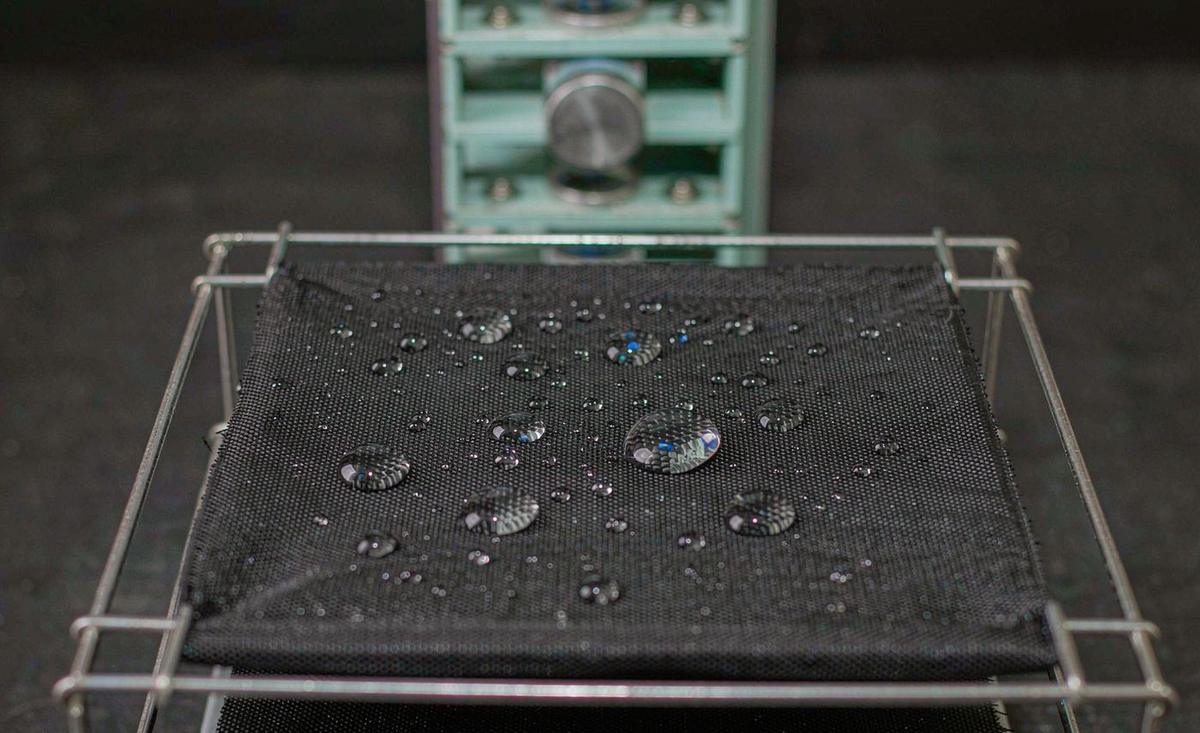
Fabric cost begins with consumption, not finished dimensions. Pattern pieces, seam allowances, orientation, matching, defects and cutting layout determine how much shell and lining are required. Ask for marker consumption or another documented basis after the pattern is stable. Coated fabric, directional print, narrow width or colour-lot constraints can increase waste. Do not compare a price based on theoretical area with one based on production consumption; request the same unit and scope.
Define each material beyond a marketing name. Shell specifications can include fibre, denier, weave, weight, coating, finish, colour and test evidence. Lining, foam, board, mesh, binding and reinforcement also affect cost and performance. A lighter option may reduce price and freight but weaken shape or abrasion resistance. Ask for a base material and separately priced alternative, then evaluate the sample and test result. An alternative is not a saving until it still satisfies the campaign promise.
For an early model, some teams use fabric and soft materials as an illustrative 25%–40% share of unit production cost. That is a planning range, not a universal industry benchmark, and it should not be combined mechanically with other broad ranges. A simple tote may be material-dominant; a compartmented backpack may add more labour and hardware. Replace the share with the bill of materials, consumption, waste allowance and current supplier prices before reward economics are locked.
Material cash timing can differ from material consumption. A workshop may need to purchase full rolls, minimum dye lots or component packs before the order uses them. Ask whether the quoted unit price assumes the programme absorbs unused balance, stores it for a re-order or charges the creator separately. Two identical consumption figures can therefore create different cash exposure. Record ownership and future use of excess branded or custom-colour material, not only its allocation to the first batch.
Understand Labour Through Operations and Minutes
Labour cost reflects the production route: pattern handling, spreading, cutting, preparation, printing or embroidery handling, sewing operations, assembly, trimming, finishing, inspection and packing. Complexity is often driven by the number of pieces, seam access, material layers and sequence, not by outside bag size. A small structured pouch can require more operations than a large unlined tote. Ask the technical team to identify bottlenecks rather than using a category-level labour guess.
Standard allowed minutes can support a mature costing system, but creators need not demand confidential wage records. They should ask which design changes reduce operations or variation. Examples include aligning pocket seams, reducing separate binding steps, replacing an inaccessible seam or using a standard attachment. Evaluate each change against function and appearance. The best cost engineering removes effort that backers do not value; it does not weaken the reinforced point they rely on.
An illustrative early model might place direct and conversion labour around 20%–35% of unit production cost for some sewn bags. Again, this is a scenario range, not a quote or universal benchmark. Automation, construction, order learning, line balance and quality level can move the share. A credible formal price should reflect the approved sample and expected production route. If a late design change adds 4 difficult operations, ask for the specific cost and schedule effect.
Labour cost can rise during ramp-up even when the final stable rate is efficient. Ask whether the quote assumes a pilot and learning period and how early output is inspected. Pushing the first units at mature speed can multiply a misunderstood operation. A controlled pilot may appear slower but reduce rework and schedule risk. Cost comparison should therefore consider first-pass quality and realistic output, not only a nominal daily target that ignores correction time.
Price Zippers, Buckles and Custom Hardware
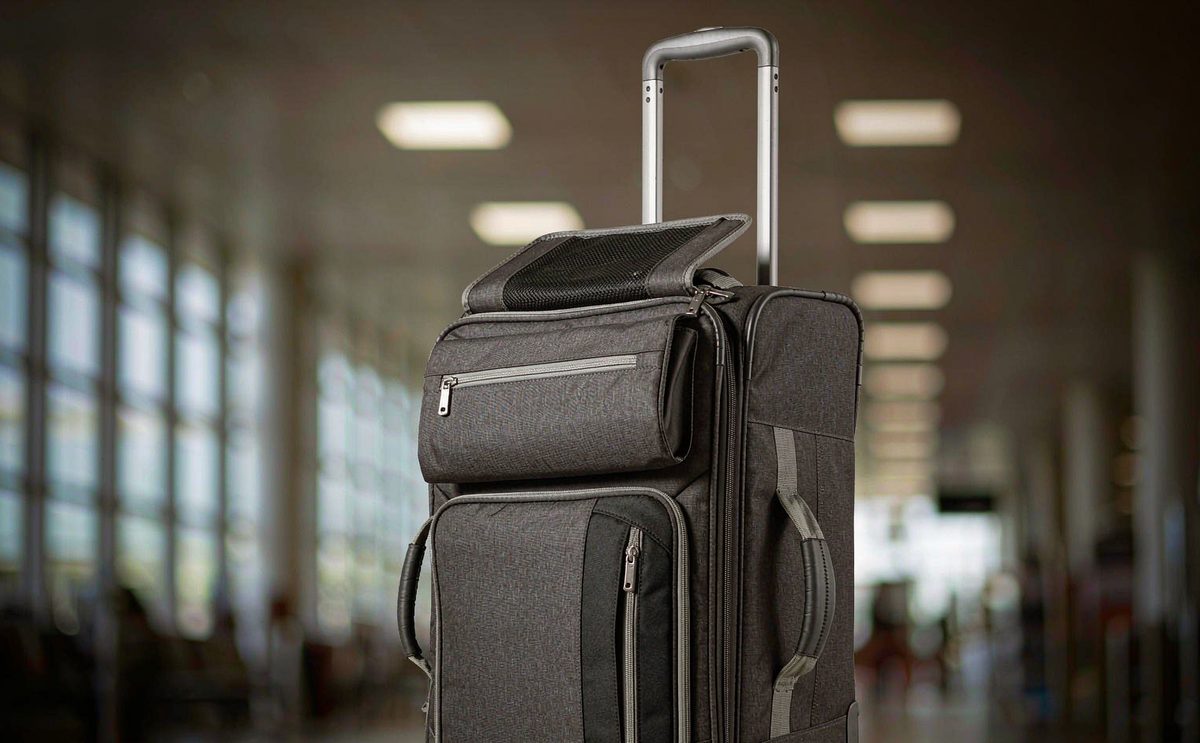
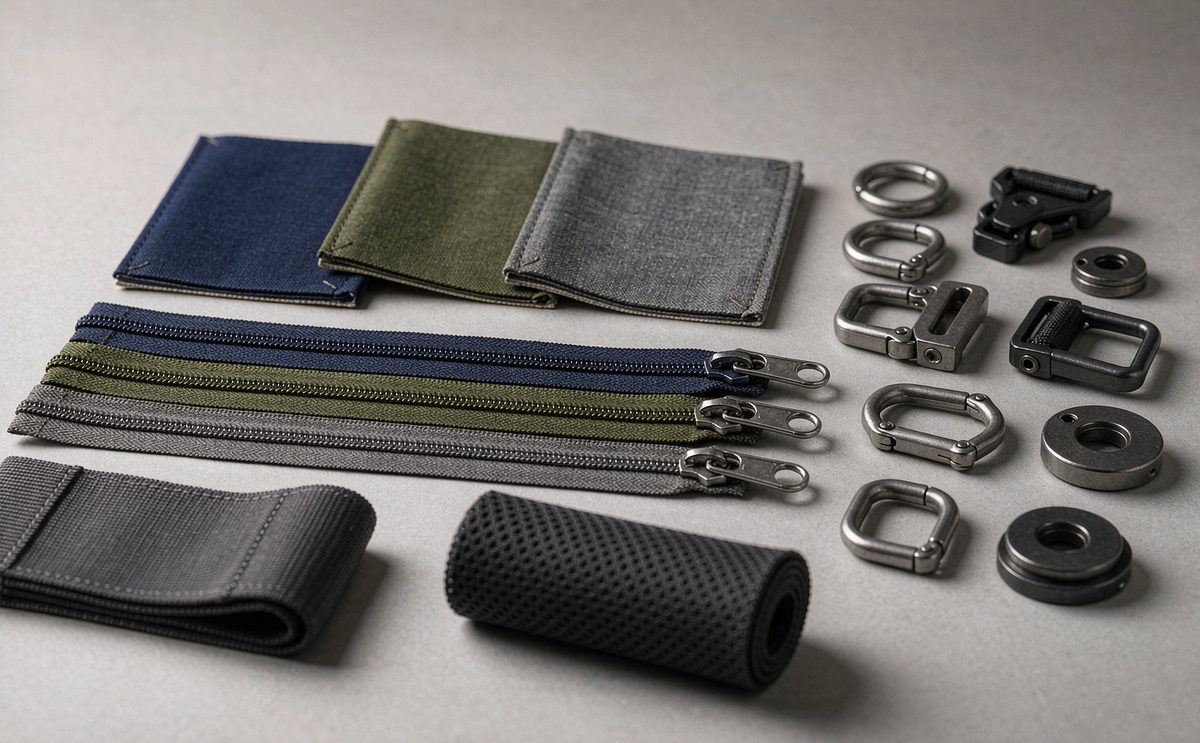
Create a component schedule for zippers, sliders, buckles, hooks, magnets, snaps, rivets, feet, frames and moulded pieces. Record size, material, finish, colour, source, quantity per bag and approved alternative. A bag with 6 zipper openings has a different component and assembly profile from one with 2. Branded components can command different prices and lead times, but brand alone does not eliminate the need to specify series and performance.
Custom hardware adds one-time and recurring cost. Separate design work, mould, sample pieces, finish setup, bulk unit price and spare quantity. Clarify tooling ownership, storage and authorised use. Minimum purchase quantities may exceed the bag order, so show whether excess components remain available for replacements or re-orders. A custom puller can also shift sampling into the 12–15 working day complex range, creating schedule cost even when the piece price appears small.
For a planning model, hardware and closures might be tested at 10%–20% of production unit cost for a component-rich bag, but this is an illustrative range only. A plain tote can fall far below it; luggage with wheels, frames and handles can exceed it. Replace the percentage with a component-level quote. When value engineering, remove redundant components or standardise finishes before reducing the grade of the closure that controls daily use.
Component cost also carries failure concentration. A low-price buckle used once may be less financially important than a zipper used across every opening, even when their total purchase values are similar. Rank components by cost, lead time, functional consequence and replacement difficulty. Spend verification effort where a defect can immobilise the bag or stop the line. This risk-weighted view prevents the team from negotiating pennies on a decorative part while leaving the critical closure poorly specified.
Add Branding and Decoration Without Guessing
Branding cost depends on method, size, colour count, placement, substrate and quantity. Screen printing may require setup by colour; embroidery cost can depend on stitch count and backing; heat transfer depends on artwork, film and application; woven labels have loom and cutting considerations; moulded or metal marks can require tooling. Request a base logo specification and a separate price for each alternative. “Logo included” is not enough for a campaign that shows a particular finish.
Placement can add labour. A logo applied to a flat panel before assembly may be simpler than one placed near a completed pocket or curved seam. Interior marks can require sequence changes. Ask for strike-offs or component approvals and define colour and position tolerance. If backers can personalise names, treat that as a separate fulfilment or production workflow with its own data, error and minimum implications; do not assume unit branding cost applies.
Campaign copy should align with the priced method. If renders show a metal badge but the quote covers print, the cost model and creative are describing different rewards. Use the approval sample to confirm appearance, then update photography or specification as needed. A creator can model branding and packaging together at an illustrative 5%–15% share for early sensitivity, but the range is not a benchmark and must be replaced by actual method, packaging and setup lines.
Decoration also affects scrap exposure. A print error on a loose panel may waste one component, while the same error applied after full assembly may waste most of the bag's value. Ask when branding occurs and how the first piece is approved. The lower setup price is not always the lower expected cost if it places verification too late. Include likely rework and replacement route in the method comparison, especially for high-visibility logos shown prominently in campaign photography.
Separate Sampling, Tooling and Testing
Sampling is a development cost, not simply one expensive unit. It includes pattern work, material sourcing, setup, assembly, internal review and small-quantity inefficiency. Standard sampling takes 6–10 working days after inputs are confirmed; complex work takes 12–15 working days. Budget for the likely number of purposeful rounds, courier delivery and creator review. Do not divide the first sample cost into the unit price unless the accounting treatment is explicit.
Tooling can include moulds, dies, screens, print plates, cutting aids and fixtures. Identify one-time charge, ownership, maintenance, expected life, storage period and future-use rights. Some setup is included in bulk price while custom assets are not. Ask whether a design change makes existing tooling obsolete. Campaign teams should approve custom hardware after core dimensions are stable; otherwise a cosmetic revision can trigger a second mould and delay.
Testing cost depends on claims and markets. Internal development checks can guide design, while accredited third-party reports may be needed for specific evidence or compliance. List test method, laboratory, sample count, turnaround, pass criterion and retest responsibility. Do not buy unrelated tests because another campaign mentioned them. Conversely, do not make a strong waterproof, load or material claim without budgeting the evidence needed to support it.
Create a development-budget cap with approval gates rather than an unlimited sample allowance. For example, authorise architecture, then material and branding, then final approval, with each gate closing named questions. The number of gates should match product risk. A complex bag may justify more evidence than a simple tote. This structure avoids paying repeatedly for samples that mix unresolved size, material and cosmetic experiments, while preserving enough iteration to protect the final 500-piece production decision.
Account for Quality Control and Programme Overhead
Quality cost includes prevention, process control, final inspection and correction risk. Incoming checks confirm materials and components; pilot review verifies the production method; inline inspection finds systematic problems; final inspection samples completed goods. The stated basis is AQL 2.5 to ISO 2859-1, with product-specific critical, major and minor defects. Ask which quality activities are included in the unit price and which independent inspection fees remain separate.
Programme overhead can cover planning, supervision, utilities, maintenance, equipment depreciation, compliance administration, document preparation and commercial coordination. It is not automatically waste. These functions allow a line to receive correct materials, follow a revision and produce export documents. An extremely low overhead allocation may indicate omitted work or an unrealistic price. Ask what the quotation includes instead of demanding a confidential internal ledger that does not improve the buying decision.
For early sensitivity, quality and programme overhead might be modelled at a combined 10%–20% share in some projects, clearly labelled as an illustrative range. It is not a universal benchmark and should not be summed blindly with other broad percentages. Replace it with quoted inspection, testing, programme and included-overhead scope. The reliable bag factory selection guide shows the evidence these functions should produce.
Measure quality economics with both prevention and failure lines. A small pilot or material check adds visible cost, while rework, rejected freight, replacements and support consume cost later. Do not assume prevention always pays without relevance, but do compare the likely consequence of skipping each control. A critical zipper test may protect every unit; an elaborate check on a low-risk hidden stitch may add little value. Allocate control according to product risk and public claims.
Keep Packaging and Logistics Scope Visible
Packaging has material, labour and freight effects. Define unit protection, inserts, labels, barcode, hangtags, carton strength, assortment, carton marks, maximum gross weight and pallet preference. A premium rigid box may raise presentation value but increase dimensional freight and damage risk. Request packed dimensions and gross weight from the sample, then update the logistics model. “Standard export carton” should be described before quotes are compared.
The standard quotation basis is FOB Xiamen. It covers the agreed export-side scope to the named handover but not the full route to backers. Add international freight, insurance decision, destination handling, customs brokerage, duty, tax, warehouse receiving, pick-and-pack, last mile, return handling and replacements. Do not call FOB unit cost “landed cost.” A campaign shipping to 20 countries needs lane-level estimates, not one worldwide average.
Freight sensitivity should use current packed data and provider quotes. Test air, sea and hybrid routes against both cost and campaign dates. A cheaper slow route can create storage or late-delivery costs; premium air can erase reward margin. Update quotes near cargo readiness because rates and surcharges move. Keep production and logistics providers responsible for their own confirmed scope so one blended estimate does not obscure which assumption changed.
Packaging and fulfilment costs should use the reward bill of materials, not only the core bag. A pair tier may need a larger carton, and an accessory bundle may require extra picking or protection. Model each common parcel profile and its destination mix. A unit-level bag cost cannot reveal that one reward combination crosses a dimensional threshold. Confirm the top 3 parcel profiles before pricing shipping; 3 is a campaign focus method, not a universal logistics rule.
Model MOQ, Quantity and Complexity Effects
The working MOQ is 500 pcs per style and per colourway. This threshold spreads setup and supports material purchasing, but it does not mean cost falls at a constant rate above 500. Price breaks can occur when material, cutting, line efficiency, component minimum or carton use changes. Request prices at realistic campaign scenarios and ask what drives each break. Never quote 2,000 units in the campaign budget if only 500 are safely supportable.
More colours can increase material minimums, setup, changeover, inspection and leftover risk. More styles multiply patterns, samples, approvals and line learning. A campaign with 1,500 identical black bags may be simpler than 1,500 units split across 3 constructions and 5 colours. Translate every reward tier into product codes, then calculate quantity and cost per code. Gross backer count is not a production cost driver until the reward mix is known.
Complexity should earn its place. Score each feature by backer value, campaign differentiation, cost, failure mode and schedule. Remove low-value operations before weakening materials or quality. A hidden pocket that supports the product story may justify its cost; a decorative seam invisible in use may not. Freeze core construction before bulk materials are ordered. Changes after deposit can create waste, rework and a revised 35–50 day production plan.
| Cost family | Illustrative share | Main driver | Evidence to request |
|---|---|---|---|
| Soft materials | 25%–40% | Consumption and grade | BOM and marker |
| Labour/conversion | 20%–35% | Operations and difficulty | Production route |
| Hardware | 10%–20% | Count, grade, custom parts | Component schedule |
| Branding/packaging | 5%–15% | Method and presentation | Strike-off and pack spec |
| Quality/overhead | 10%–20% | Control and programme scope | Quality plan and quote |
| Logistics | Outside FOB unit cost | Cartons and destinations | Lane quotations |
Quantity planning should include cash absorbed by unsold units. If the minimum creates 120 pieces beyond current paid demand, model their product cost, freight, storage and eventual sales route; 120 is an illustrative scenario. Do not assume they are free inventory or guaranteed future revenue. Decide whether service stock, late-backer sales or wholesale can responsibly use them. This exposes whether a marginal colour is truly viable or merely shifts an unfunded reward problem into stock risk.
Compare Quotes and Protect Campaign Margin
Issue one RFQ revision to qualified options. Normalise material, dimensions, branding, hardware, packaging, quantity, tooling, tests, inspection, production range, Incoterm, payment and exclusions. The complete custom bag RFQ template provides the fields. When one quote is 12% lower, identify whether the difference comes from material, operation, component, overhead or omitted scope. The 12% is an illustrative investigation scenario, not a market benchmark.
Align cash timing with the standard T/T 30/70 structure and cleared campaign funds. The 30% and 70% stages should have contractually agreed triggers and evidence. Add sample, testing, inspection, freight, duty and fulfilment dates to the cash schedule. Gross pledges are not free cash: platform effects, failed payments, refunds and taxes may reduce availability. Preserve a labelled contingency based on known risks rather than hiding margin inside an inflated unit line.
Run a final margin review before launch, after sample approval and before production commitment. Update reward mix, exchange rate, unit quote, packed dimensions, freight and service reserve. If the base case no longer works, change feature, quantity, reward price, shipping treatment or market scope before accepting an unfinanceable promise. Our production team can value-engineer the approved design, but every accepted change must update the sample, specification and campaign representation together.
Create a margin change log beside the specification change log. Every accepted material, feature, quantity, freight or reward adjustment should show its effect on base-case contribution and cash timing. Do not wait until the final pre-production invoice to discover that several individually small upgrades consumed the reserve. Assign one person to reconcile the model after each approval gate. Financial control is strongest when it follows the same revisions and evidence as the physical bag.
Key takeaways
- T
- r
- a
- c
- e
- e
- v
- e
- r
- y
- c
- o
- s
- t
- t
- o
- a
- s
- p
- e
- c
- i
- f
- i
- c
- a
- t
- i
- o
- n
- ,
- q
- u
- a
- n
- t
- i
- t
- y
- a
- n
- d
- s
- c
- o
- p
- e
- ;
- t
- h
- e
- n
- p
- r
- o
- t
- e
- c
- t
- c
- a
- m
- p
- a
- i
- g
- n
- m
- a
- r
- g
- i
- n
- w
- i
- t
- h
- s
- c
- e
- n
- a
- r
- i
- o
- u
- p
- d
- a
- t
- e
- s
- a
- t
- e
- a
- c
- h
- a
- p
- p
- r
- o
- v
- a
- l
- g
- a
- t
- e
- .
Send us your tech pack, quantity matrix and target reward price for a structured custom bag cost review.
Frequently Asked Questions
What are the main custom bag manufacturing costs?
The main recurring costs are fabric and soft materials, conversion labour, zippers and hardware, branding, routine quality work, packaging and programme overhead. One-time costs can include samples, tooling and tests. Freight, duty, fulfilment and campaign fees may sit outside the FOB unit price. Build at least 3 scenarios so early assumptions are visible.
What share of cost comes from fabric?
There is no universal share. An early model may test 25%–40% for fabric and soft materials, but that is an illustrative planning range, not an industry benchmark. A simple tote may be material-heavy, while a structured backpack adds labour and hardware. Replace the percentage with pattern consumption, waste, grade and current material prices.
Why can a small bag cost more than a larger bag?
Cost follows material grade, number of pattern pieces, operation difficulty, hardware, branding and quality requirements, not size alone. A small structured case with 3 compartments and 4 zippers can require more operations than a large unlined tote. Compare production routes and bills of materials rather than price per litre or outside dimension.
What is the MOQ for cost calculations?
Use 500 pcs per style and per colourway as the working minimum. If 2 colours are planned, model 1,000 total units unless the quotation states another structure. Request price breaks only at realistic quantities. A low 2,000-piece price should not set reward economics when the safe campaign case supports 500.
How much does custom hardware add?
It depends on design, material, finish, tooling and quantity. Separate one-time mould cost from recurring piece cost and spare quantity. For an early component-rich bag model, hardware may be stress-tested at 10%–20% of production unit cost, but this is not a benchmark. Replace it with a component schedule and formal quotes.
How long does sampling take and how is it budgeted?
Standard sampling takes 6–10 working days after inputs are confirmed, while complex designs may need 12–15 working days. Budget pattern work, special materials, branding setup, sample assembly, courier and likely revision rounds. Keep sample cost separate from bulk unit cost unless the quotation explicitly amortises it over a named quantity.
What quality costs should a campaign include?
Include incoming checks, pilot and inline control, final inspection and possible reinspection. The stated final inspection basis is AQL 2.5 to ISO 2859-1 with product-specific defect definitions. Ask which activities are inside the unit price. Keep an independent inspection fee separate when it is contracted directly by the creator.
What does FOB Xiamen include in the cost?
FOB Xiamen defines the agreed export-side handover. It does not represent the full landed cost to backers. Add international freight, destination handling, customs brokerage, duties, taxes, warehouse, pick-and-pack, last mile and returns. Use packed carton data and current lane quotes rather than applying 1 worldwide shipping average.
How long is bulk production?
Plan 35–50 days after approved samples, materials, quantities and agreed payment conditions. This range does not include platform payout, survey closure, freight, customs or fulfilment. Feature changes after deposit can require new materials or operations, so update the production plan and cost model whenever revision changes.
How do extra colours affect bag cost?
Every colour can add material minimums, setup, lot control, changeover and leftover risk. The working minimum is 500 pcs per colourway. A 1,500-piece order in 1 colour can be simpler than the same quantity across 5 colours. Request price and material conditions by colour, not only total units.
What payment schedule should the cash model use?
Use the standard T/T 30/70 structure under the agreed contract and milestone wording. Match both payments to cleared campaign funds and reserve separate amounts for sampling, tests, inspection, freight and fulfilment. Verify the beneficiary and any change through a second channel. Gross campaign pledges should not be treated as immediately available cash.
How can creators reduce cost without weakening the bag?
Remove low-value operations, standardise hardware finishes, improve pattern efficiency, simplify inaccessible seams and use proven equivalent materials supported by tests. Protect load-bearing reinforcement, critical closures and promised functions. Compare at least 2 value-engineering options on cost, performance and schedule, then update the sample, tech pack and campaign creative together.
People Also Ask
What determines custom bag cost?
Material consumption, operations, hardware, branding, quality, packaging, quantity and commercial scope determine the production cost.
Does a bigger bag always cost more?
No. A smaller structured bag can require more pieces, hardware and labour than a large simple tote.
What is the custom bag MOQ?
The working minimum is 500 pcs per style and per colourway.
How long does bag production take?
Bulk production 35-50 days after approvals and agreed order conditions.
Is freight included in FOB Xiamen?
Destination freight and backer delivery are not the complete scope of an FOB Xiamen production price.
How are custom bags inspected?
Use product-specific controls and final inspection based on AQL 2.5 to ISO 2859-1.
How should bag production be paid?
The standard structure is T/T 30/70, subject to agreed milestones and evidence.