Bag Sampling Communication: 8 Questions to Ask Your Sourcing Partner
Most sampling problems are communication problems wearing a technical costume. Eight questions resolve nearly all of them: what is in the fee, which materials are confirmed and which are substitutes, what the build sequence and dates are, what tolerances apply, whether this is a sales sample or a pre-production sample, what happens on a mid-round change, who signs off and on what evidence, and what carries into bulk. Ask them before the first build and get the answers in writing.
- Question 1: What exactly is in the sample fee?
- Question 2: Which materials are confirmed and which are substitutes?
- Question 3: What is the build sequence and the date?
- Question 4: What tolerances apply to this construction?
- Question 5: Is this a sales sample or a pre-production sample?
- Question 6: What happens if I change the specification mid-round?
- Question 7: Who signs off and what is the approval evidence?
- Question 8: What carries over to bulk and what gets re-made?
- How to run the sampling conversation: a weekly rhythm
- A one-page sampling brief that prevents most of this
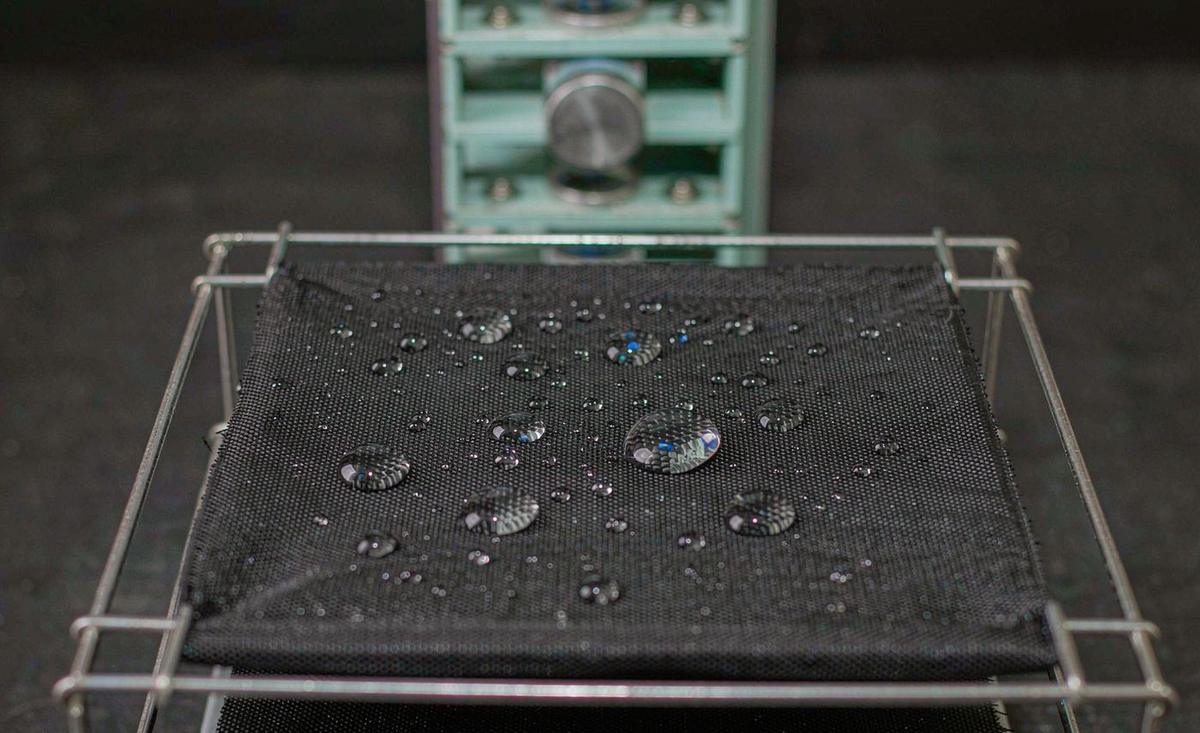
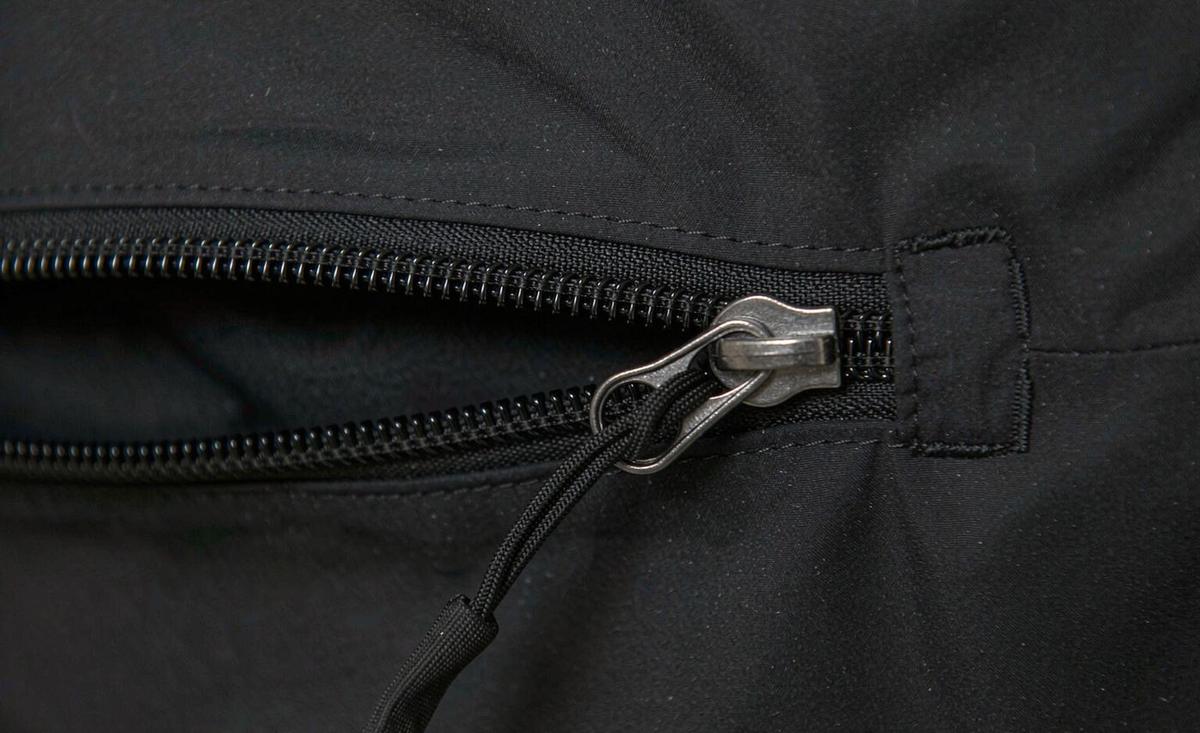
Ask a room of experienced creators what went wrong in sampling and you will hear technical-sounding answers: the panels did not meet, the zipper was wrong, the colour was off, the strap pulled. Ask why each of those happened and the answers change character. The panels did not meet because the specification was a sketch. The zipper was wrong because nobody wrote down the gauge. The colour was off because the approval was given from a photograph. The strap pulled because the load was never stated. Each is a communication failure with a technical symptom.
That is good news, because communication failures are cheaper to fix than technical ones. A specification review costs an hour. A second sample round costs 6 to 10 working days on a standard build and 12 to 15 on a complex one, plus courier, plus the calendar slip. The eight questions in this article are the ones that, asked before the first build and answered in writing, remove most of the rounds that should never have happened. They are not adversarial. A competent programme would rather answer them than discover the problem with you later.
A note on tone. These are not interrogation questions and they are not a test of honesty. They are the normal pre-build agenda of a professional sampling programme, and our production team runs through all eight as standard on every first briefing. If a programme answers them fluently, that is a strong signal. If it deflects them, that is also a signal, and it is worth having at the point where the amount in dispute is a few hundred dollars rather than at bulk where it is tens of thousands. The full sampling sequence is set out in our crowdfunding bag sample and prototyping guide.
Ask the eight questions before the first build, not after the first sample. Every one of them is cheaper to answer in a briefing than to discover on a delivered unit.
Question 1: What exactly is in the sample fee?
The first question is the most basic and the most frequently skipped, because it feels impolite. It is not. A sample fee quotation means different things to different programmes, and the differences are large enough to change which quotation is actually cheaper. Ask specifically whether the figure includes courier, pattern development, material sourcing at minimum quantities, tooling or digitising, internal checking, and a second unit. Then ask which of those are credited back at bulk and under what conditions.
The second part of the question is about the model, and it matters more than the amount. Under a refundable structure the fee is credited in full against the bulk order at 500 pcs per style and colourway. Under a split structure only part is credited. Under a fold-in structure there is no separate invoice and the cost is spread across the unit price. The three produce genuinely different cash outcomes, which is why our sample fee policy guide treats them as a decision rather than a detail.
The third part is the conditions attached to any credit, and this is where creators lose money without noticing. Ask the five things that should be in writing: the credit amount as a figure rather than a percentage, the trigger stated as an exact quantity and product, the expiry as a date or a period from a defined event, the treatment of a partial order, and the treatment of a specification change. A credit that expires 90 days after sample approval will very often have expired by the time a crowdfunding campaign has closed, run its survey and booked production.
The fourth part is the one nobody asks and everybody should: what happens if I do not proceed? Under a refundable structure you have paid for development you did not use and the fee is not returned. Under a fold-in structure nothing is payable unless a fallback clause applies, and that clause typically makes the full fee payable if no bulk order is placed within 6 to 12 months. Neither is wrong, but you should know which you have agreed to before you sign rather than when you decide not to proceed.
Question 2: Which materials are confirmed and which are substitutes?
This is the question that prevents the most second rounds. A quotation is normally built on a materials list, and that list has two kinds of entry: materials that are confirmed, meaning the exact item has been sourced or is held in stock, and materials that are proposed, meaning the item described in your specification is not available and something similar will be used. The two look identical on a quotation and behave completely differently in a build.
Ask for the list to be marked, with confirmed items in one column and proposed substitutions in another, with the reason for each substitution. The common reasons are legitimate: the specified fabric is discontinued, the mill has a minimum that is too large for the sample, the hardware is not stocked in that finish, or the specified item does not meet the fastness requirement. Each of those is a real constraint. Each also changes the product, and you should be the one who decides whether the change is acceptable.
The specific entries to check are the ones most often substituted without comment. Fabric denier and composition, because a 600D polyester and a 420D nylon look similar on a quotation and behave differently in a bag. Foam density, because a padding specification of *firm* is not a specification. Lining, because a lining is frequently substituted for whatever is on the shelf, and it is the most photographed interior surface of the product. Thread, because it is almost never specified and always substituted.
The follow-up question is about what happens when the substitution is rejected. If the specified fabric genuinely is not available, the options are to accept the alternative, to pay a premium for a smaller minimum, or to change the specification. Ask which of those the programme recommends and why. Our sourcing partner will tell you plainly when a substitution is a genuine constraint and when it is a convenience, and that distinction is worth a lot when you are deciding whether to push back.
Question 3: What is the build sequence and the date?
A date without a sequence is a hope. The standard figure of 6 to 10 working days for a sample build, and 12 to 15 for a complex build, describes the build step only. It does not include the specification review, the material sourcing, the lab dip cycle, the pattern drafting or the courier. A creator who hears *ten working days* and plans for two weeks will be disappointed, because the realistic end-to-end figure is materially longer and the difference is all in the steps before the machine starts.
Ask for the sequence as dated steps: specification lock, material confirmation, colour approval, pattern drafting, cutting, assembly, internal check, photographs, dispatch, delivery. Then ask which steps are on the critical path, because that tells you where a slip will actually cost you time. In most programmes the critical path runs through material confirmation and colour approval, not through the sewing. That is unintuitive and it is the single most useful piece of scheduling information available.
Ask the second-order question too: what is the longest-lead item and when does it have to be ordered? On a bag with custom hardware that is usually the moulded component, at 15 to 25 days including the first article. On a bag with a custom-dyed fabric it is the lab dip cycle, at 5 to 10 working days per round. On a bag with imported components it may be a fabric that has to be brought in. Knowing the longest-lead item lets you start it first, which is the entire art of schedule compression.
Finally, ask what the date depends on from me. Every sampling schedule has creator-side dependencies: the tech pack, the artwork files, the colour references, the approval of the lab dip, the sign-off on the unit. Our programme coordinator sends a dated dependency list with every programme, showing which items are needed from the creator by when. It is unglamorous and it is the difference between a schedule that holds and one that slips by three weeks for reasons that felt administrative at the time.
Question 4: What tolerances apply to this construction?
Tolerance is the question that separates a professional specification from an amateur one, and it is almost never asked. Without an agreed tolerance, every measurement is arguable: is 128 mm against a specification of 130 mm acceptable? It depends entirely on a number nobody wrote down. With an agreed tolerance, the same question answers itself, and the sample review takes an hour instead of a week.
The working bands for a soft sewn product are roughly plus or minus 5 mm on a dimension under 300 mm and plus or minus 10 mm above it, with a wider band on any dimension that includes foam or padding. Ask the programme to confirm the band it works to and, more importantly, to confirm the measurement points and the condition. A height measured empty differs from one measured lightly loaded, and most of the difference sits in the depth rather than the height or the width.
Tolerance is not only dimensional. Ask about colour tolerance, which is a delta E figure and should be around 1.5 on standard polyester and 2.0 to 3.0 on nylon or a coated fabric, as set out in our colour matching guide. Ask about stitch density tolerance, which is usually expressed as a range of 6 to 10 stitches per inch rather than a single value. Ask about weight tolerance, which matters if your shipping cost model depends on it and is typically a few percent on a sewn soft product.
The useful framing is to ask what will you consider a defect at bulk inspection. That question converts tolerance from an abstract specification into the practical thing it is: the standard the AQL 2.5 to ISO 2859-1 inspection will be measured against. Our team writes the tolerance band into the sample approval sheet specifically so that the bulk inspector is checking against a number that both parties agreed when the sample was approved, rather than against a judgement made six weeks later.
Question 5: Is this a sales sample or a pre-production sample?
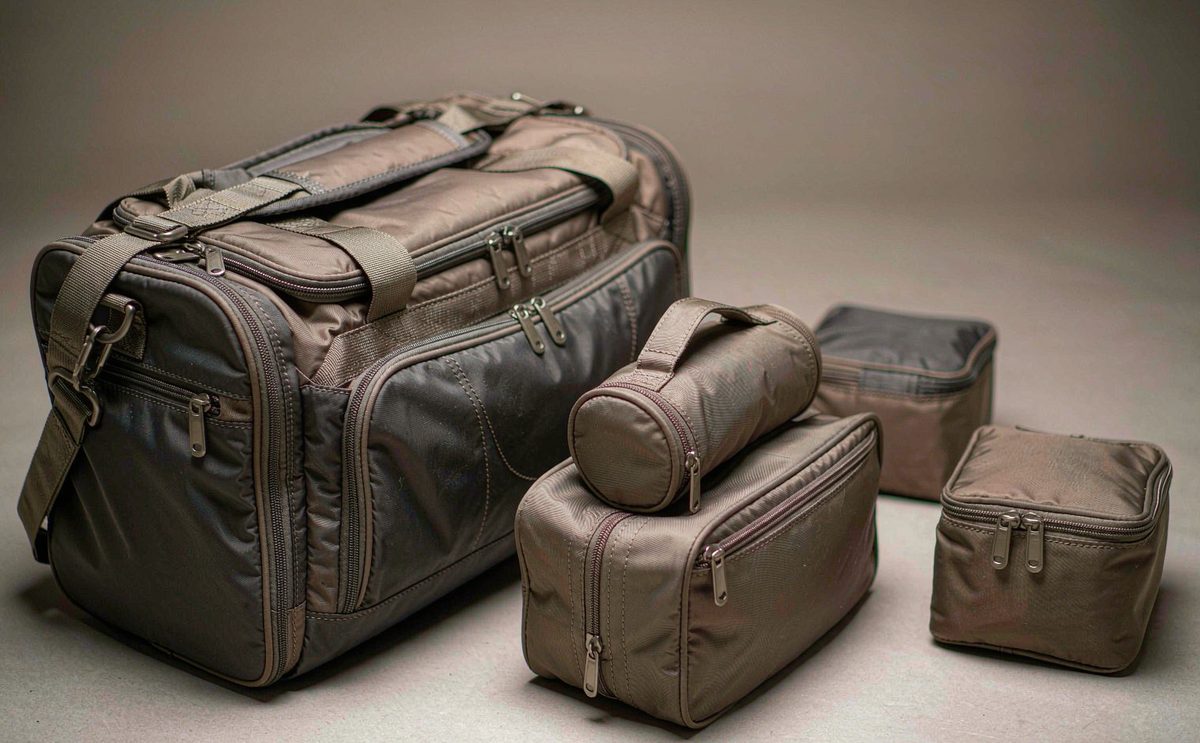
The distinction sounds pedantic and it protects your campaign. A sales sample, also called a proto or photographic sample, is built to look right. It may be built before the pattern is finalised, may use substitute materials where the production fabric is not yet dyed, and may be hand-finished in ways that cannot be repeated at 500 pcs. A pre-production sample, or PPS, is built in production materials, on production tooling, by production operators, to the final pattern.
Why it matters commercially is straightforward: the unit you photograph is the promise your backers are buying. If it is a hand-finished sales sample and the bulk run is visibly less refined, the campaign has mis-sold the product whether or not it intended to. That is one of the most damaging outcomes available in this category, and it is entirely avoidable by knowing which kind of unit you are holding and saying so on the campaign page.
Ask the question in the specific form that produces a useful answer: is this unit built in production materials, on the final pattern, by production operators? If the answer is no to any part, ask what the difference is and whether it will show in a photograph. The common differences are hand-finished internal seams, a substitute lining, a hardware finish that is not final, and a colour that is close but not the approved dye lot. Each is fine if you know. None is fine if you photograph it as the product.
The sequencing that resolves it is a three-stage build. Stage one, the development sample, validates the construction and proportions. Stage two, the sales sample, is built once the design is settled and is used for photography and press. Stage three, the pre-production sample, is built after the campaign closes, in confirmed production materials, and is approved as the golden sample the bulk inspection is measured against. Our pre-production sample guide sets out what to request at stage three.
Question 6: What happens if I change the specification mid-round?
You will change the specification. Everybody does, and it is not a failure; the sample is the first time you have seen the product as a physical object, and seeing it changes your mind. What matters is that the change is processed rather than absorbed. Ask how change requests are handled, and specifically whether each one is quoted for cost and time before it is actioned.
The mechanism that works is a numbered change log. Every request gets a number, a description, and a stated cost and time impact, and none is actioned until you confirm. This is not bureaucracy imposed on you; it is a tool that makes trade-offs visible. When you can see that widening a strap means a new pattern, new webbing, a new reinforcement panel and 5 extra working days, roughly half of the requested changes get dropped as not worth it. The ones that survive are the ones that genuinely improve the product.
Ask the second question underneath it: what counts as a change? Repositioning a logo is a change. Changing a fabric is a change. Changing a dimension is a change. Confirming something that was already in the specification is not. The grey area is the one that causes arguments, and it is usually a detail that was in your head and not in the tech pack. The resolution is the written specification: if it is in the tech pack, correcting it is not a change; if it is not, it is.
Ask the third question, which is the one that saves the most money: can I batch my changes? Three small changes quoted separately cost more than the same three quoted together, because each separate instruction generates its own pattern revision, its own material pull and its own set-up. Collecting feedback for 48 hours and issuing one consolidated change list is usually both cheaper and faster than responding to each observation the moment it occurs. Our team actively suggests this at every first-round review.
Question 7: Who signs off and what is the approval evidence?
Too many cooks is the most common cause of a colour or design approval going wrong, and it is a process problem rather than a taste problem. Four people looking at a sample on four different screens will produce four different answers, and none of them will match the physical fabric. Ask the question before the first build: who is the single named approver, what are they approving against, and what is the evidence of approval?
The answer should be one named person, one physical standard, and one artefact. The artefact is the sign-off sheet, which should carry the date, the name, the sample revision number, the materials confirmed, the measurements taken, the defects noted, and the corrections agreed. That single page is what the bulk inspection is measured against six weeks later, and it is what settles a disagreement about what was approved. Without it, a disagreement becomes a negotiation.
Ask specifically about colour approval evidence, because it is the most frequently mishandled. The rule is physical: never approve colour from a photograph or a screen. A camera applies automatic white balance and a screen is calibrated to an unknown standard, so the difference can exceed the entire tolerance band you are trying to judge. Ask for the physical swatch card to be posted, view it under decent light, ideally under two light sources, and keep your half of it. The 5 to 7 days of courier time is far cheaper than a 35 to 50 day bulk run in the wrong shade.
Ask the last part of the question: what do I receive with the approved sample? The answer should include the measurement sheet with actual results, the photographs including close-ups of every hardware item and every seam type, the materials list as actually built, and the retained reference swatches. Our programme issues these as a single approval pack, and it is the document set that makes the bulk inspection meaningful. An approval that exists only as an email saying *looks good* is not an approval; it is an opinion.
Question 8: What carries over to bulk and what gets re-made?
The eighth question connects sampling to production, and it is the one that most often reveals an assumption that turns out to be expensive. Ask what from the sample round carries into the bulk order unchanged: the pattern, the cutting files, the grading, the embroidery digitising, the approved colour formula, the hardware tooling, the approved material references. Then ask what has to be re-made or re-confirmed, and why.
The usual answer is that the pattern, the digitising and the tooling carry over, and the colour formula and the material lots have to be re-confirmed. That reconfirmation is the bulk dye lot step: fabric is dyed in batches, every batch varies slightly, and the production lot has to be confirmed against the retained approved swatch before cutting begins. This is normal, it takes a few days, and it is the step most often omitted by programmes in a hurry, which is how a bulk run ends up the wrong shade.
Ask about the hardware booking specifically, because it is the most common cause of a bulk delay. Component lead times do not compress because the bag line is waiting. Against a 35 to 50 day bulk window, hardware should be ordered at sample approval so the parts are in hand before cutting starts. Ask when the components will be ordered and whether physical receipt is confirmed before the production slot opens. Our team books hardware at approval precisely because waiting until bulk starts is a reliable way to lose two weeks.
Finally, ask what happens to the retained reference. The approved golden sample should be kept, tagged and stored for the life of the programme, and ideally there should be two: one with each party. Where a dispute arises about what was approved, two physical references in two countries resolve it in minutes, while a description in an email resolves it in weeks and usually ends in a commercial compromise. Ask where the reference will be held, for how long, and whether a second unit can be built for you to keep.
How to run the sampling conversation: a weekly rhythm
The eight questions are asked once, at briefing, but the conversation continues for the 4 to 9 weeks a sampling round realistically takes. The mechanism that keeps it productive is a fixed weekly checkpoint rather than ad hoc messaging. A short scheduled call or written update once a week, with a standing agenda of four items, prevents both the silence that lets problems develop and the constant messaging that consumes everyone's week.
The four agenda items are: where the build is against the dated sequence; what is blocked and on whom; what decision is needed from me this week; and what has changed since last week. That is the whole agenda. The third item is the one that matters most, because a sampling programme spends most of its life waiting for a decision from the creator: a colour approval, a material confirmation, a dimension correction, a sign-off. Making those decisions explicit and dated is what keeps the schedule moving.
Two communication habits make a measurable difference. Write rather than call for anything technical. A dimension, a material reference or a colour decision sent in writing can be checked against a specification; the same thing said on a call has to be remembered, and it will be remembered differently by two people. Confirm in one message after every call. A three-line summary of what was agreed costs two minutes and prevents the most common failure mode in this category, which is two people leaving a conversation with different understandings of it.
One thing to avoid: approving in fragments. *The strap looks right*, then *the colour is fine*, then *okay, go ahead* is three informal approvals that together constitute a commitment nobody recorded. Approve once, on the sign-off sheet, against the complete unit. If something needs to change first, put it on the change log and approve after the next round. Fragmented approval is how a programme ends up building to a specification that exists only in a chat thread, and neither party can reconstruct it later.
A one-page sampling brief that prevents most of this
Everything above collapses into a single page, and the page is worth writing before you approach any programme. It has eight fields, and filling them in takes about an hour. That hour is the highest-return hour in the entire pre-launch phase, because it is the difference between a quotation that means something and a quotation that is a guess. It also makes you much easier to quote for, which shows up in the price.
| Field | What to write | Why it matters |
|---|---|---|
| Product definition | Type, intended use, target reward price | Lets the programme propose the right construction |
| Dimensions | External and internal, measured empty | Internal dimensions drive backer satisfaction |
| Materials | Fabric, lining, foam, webbing, hardware, with references | Prevents silent substitution |
| Colour references | Target plus acceptable tolerance band | Makes colour approval a measurement, not an opinion |
| Artwork | Files, placement dimensions, minimum feature size | Prevents a second round on logo placement |
| Quantity and colourways | Units per style and colourway, plus stretch scenarios | Determines whether the 500 pcs minimum is met |
| Target dates | Launch date, survey close, required bulk start | Lets the sequence be built backwards |
| Approval authority | One named approver and a deputy | Prevents four people producing four answers |
Three of those fields deserve a note because they are the ones most often left blank. Internal dimensions are the ones your backer experiences; a bag that is externally the right size and internally too small gets returned. Minimum feature size on artwork is what prevents the classic logo problem, where a mark designed for print cannot hold its detail in an embroidery file or a metal mould; the practical limit is roughly 0.3 to 0.5 mm depending on the process. Approval authority is the field that costs nothing to complete and prevents the most disputes.
The brief is also a filter. A programme that reads a one-page brief and comes back with specific questions about your specification is one that understands the product. A programme that reads it and comes back with only a price is one that has not engaged with it, and the price it gave you will change. Our campaign bag specialist would rather receive a rough brief with real dimensions than a polished document with none, because the rough one can be quoted accurately. For the wider context of where sampling sits between idea and delivery, see our crowdfunding bag guide.
The last field on the page is not in the table because it is not technical: what I need from you and by when. Turn the eight questions around and treat them as a checklist for the programme's response. If the quotation answers all eight, you have something you can plan against. If it answers two, you have the beginning of a conversation, and the rest of that conversation is going to take place at the worst possible moment unless you have it now.
Send us your one-page sampling brief, and our production team will answer all eight questions in writing before the first build is commissioned.
Key takeaways
- A
- s
- k
- t
- h
- e
- e
- i
- g
- h
- t
- q
- u
- e
- s
- t
- i
- o
- n
- s
- b
- e
- f
- o
- r
- e
- t
- h
- e
- f
- i
- r
- s
- t
- b
- u
- i
- l
- d
- a
- n
- d
- g
- e
- t
- t
- h
- e
- a
- n
- s
- w
- e
- r
- s
- i
- n
- w
- r
- i
- t
- i
- n
- g
- .
- E
- v
- e
- r
- y
- o
- n
- e
- i
- s
- c
- h
- e
- a
- p
- e
- r
- t
- o
- r
- e
- s
- o
- l
- v
- e
- i
- n
- a
- b
- r
- i
- e
- f
- i
- n
- g
- t
- h
- a
- n
- t
- o
- d
- i
- s
- c
- o
- v
- e
- r
- o
- n
- a
- d
- e
- l
- i
- v
- e
- r
- e
- d
- s
- a
- m
- p
- l
- e
- .
Frequently Asked Questions
What should I ask before paying a bag sample fee?
Ask what the fee includes, meaning courier, pattern development, material minimums, tooling and internal checking; which model applies, meaning refundable, split or fold-in; what conditions attach to any credit, including the amount, trigger, expiry and change treatment; and what happens if you do not proceed to bulk. Also ask what happens if you do not proceed, because the fallback clause differs sharply between the three models.
How do I stop materials being substituted without my knowledge?
Ask for the materials list to be marked with confirmed items in one column and proposed substitutions in another, with the reason for each. Check fabric denier and composition, foam density, lining and thread specifically, because those are the entries most often substituted silently. Ask what the programme recommends where a substitution is a genuine constraint rather than a convenience, and why.
Why did my sample take longer than the quoted ten working days?
Because the quoted figure covers the build step only, not the specification review, material sourcing, lab dip cycle, pattern drafting or courier. Ask for dated steps and for the critical path, which in most programmes runs through material confirmation and colour approval rather than through the sewing. Ask which step sits on the critical path and start that one first, which is the entire art of schedule compression.
What tolerance should I agree for bag dimensions?
Roughly plus or minus 5 mm on a dimension under 300 mm and plus or minus 10 mm above it, with a wider band on any dimension including foam or padding. Also agree the measurement points and whether the bag is measured empty or loaded, and ask for colour and stitch density tolerances too. Ask what the programme will consider a defect at bulk inspection, which converts tolerance into the practical standard.
What is the difference between a sales sample and a pre-production sample?
A sales sample is built to look right, may use substitute materials and may be hand-finished in ways that cannot be repeated at 500 pcs. A pre-production sample is built in production materials, on production tooling, by production operators and to the final pattern, and it is approved as the golden reference. Common differences are hand-finished internal seams, a substitute lining, a non-final hardware finish and a colour that is close but not the approved lot.
How are specification changes handled during sampling?
Through a numbered change log, where each request carries a number, a description and a stated cost and time impact before it is actioned. Roughly half of requested changes get dropped once the trade-off is visible. Batch changes into one list where you can, because separate instructions each generate their own set-up. Batch changes into one list where you can, because separate instructions each generate their own pattern revision and machine set-up.
Who should approve a bag sample?
One named person, approving once against the complete unit, against a physical standard, with a sign-off sheet recording the date, the revision, the materials, the measurements, the defects and the agreed corrections. Avoid fragmented approval in messages, which produces a specification that exists only in a chat thread. Fragmented approval in messages produces a specification that exists only in a chat thread and cannot be reconstructed later.
Can I approve a colour from a photograph?
No. A camera applies automatic white balance and a screen is calibrated to an unknown standard, so the difference can exceed the whole tolerance band. Ask for the physical swatch card, view it under two light sources, keep your half of it, and accept the 5 to 7 days of courier time. Accept the 5 to 7 days of courier time, because it is far cheaper than a 35 to 50 day bulk run in the wrong shade.
What carries over from sampling into bulk production?
The pattern, the cutting files, the embroidery digitising, the hardware tooling and the approved material references normally carry over. The colour formula and the material lots have to be re-confirmed on the bulk dye lot, which should be checked against the retained approved swatch before cutting begins. Confirm physical receipt of the components before the production slot opens, because that is what keeps the bulk window from slipping.
When should bulk hardware be ordered?
At sample approval, not at the start of bulk production. Component lead times do not compress because the bag line is waiting, so against a 35 to 50 day bulk window the parts need to be in hand before cutting starts. Ask whether physical receipt is confirmed before the production slot opens. Component lead times do not compress because the bag line is waiting, so sample approval is the only safe trigger point.
How often should I check in during sampling?
Once a week, with a standing four-item agenda: where the build is against the dated sequence, what is blocked and on whom, what decision is needed from you this week, and what has changed since last week. Confirm every call in one short written message. Confirm every call in one short written message, so two people do not leave the conversation with different understandings.
What should a one-page sampling brief contain?
Eight fields: product definition with intended use and target price, external and internal dimensions, materials with references, colour references with a tolerance band, artwork with placement and minimum feature size, quantity and colourways, target dates, and one named approver with a deputy. Include internal dimensions, the minimum feature size on artwork and one named approver, because those three fields prevent the most disputes.
People Also Ask
What is a sampling brief?
A one-page document defining the product, dimensions, materials, colours, artwork, quantities, dates and approval authority. It makes a quotation meaningful instead of a guess.
Why do samples take longer than quoted?
Because the quoted figure covers the build only. Material sourcing, colour approval, pattern drafting and courier sit outside it, and colour approval is usually the critical path.
What is a change log in sampling?
A numbered list where each change request carries a cost and time impact before it is actioned. It makes trade-offs visible and typically halves the number of changes requested.
Should I batch sample changes?
Yes. Three changes quoted separately cost more than the same three together, because each separate instruction generates its own pattern revision and machine set-up.
What is a golden sample?
The approved unit built in production materials to the final pattern. Keep two, one with each party, so a dispute about what was approved resolves in minutes.
How do I avoid colour approval mistakes?
Approve from a physical swatch under two light sources, never from a screen, and keep your half of the swatch card for re-orders.
What is the critical path in bag sampling?
Usually material confirmation and colour approval rather than the sewing. Ask which step is on the critical path and start that one first.
How many people should approve a sample?
One named approver with a deputy. Multiple people looking at multiple screens produce multiple answers, none of which match the physical unit.