Jewelry Pouches for Crowdfunding: Low Cost, High Perceived Value
Are custom jewelry pouches worth adding to a crowdfunding reward? Yes, and the economics are unusually good: a soft pouch in the 90 x 110 mm range starts around USD 0.85 to USD 2.40 per unit at 500 pcs, adds 8 to 25 g to the parcel, and is read by backers as a USD 12 to USD 20 retail value. The minimum is 500 pcs per style and colourway, sampling runs 6 to 10 working days, and bulk takes 35 to 50 days after the approved pre-production sample. The constraints are tarnish chemistry, branding area and kitting labour.
- Why a pouch is the highest-margin add-on on a reward tier
- Perceived value maths on a USD 1.20 pouch
- Sizing pouches to rings, chains, earrings and bangles
- Velvet, suede, microfibre and satin: what each signals
- Anti-tarnish linings and metal chemistry
- Closures at small scale: drawstring, snap and envelope
- Branding on a 40 mm panel
- Unit cost at 500 to 5,000 pcs
- Kitting the pouch into the reward
- Fulfilment weight, carton count and per-backer postage
- Sampling and QC gates for small soft goods
- Sustainability claims and material documentation
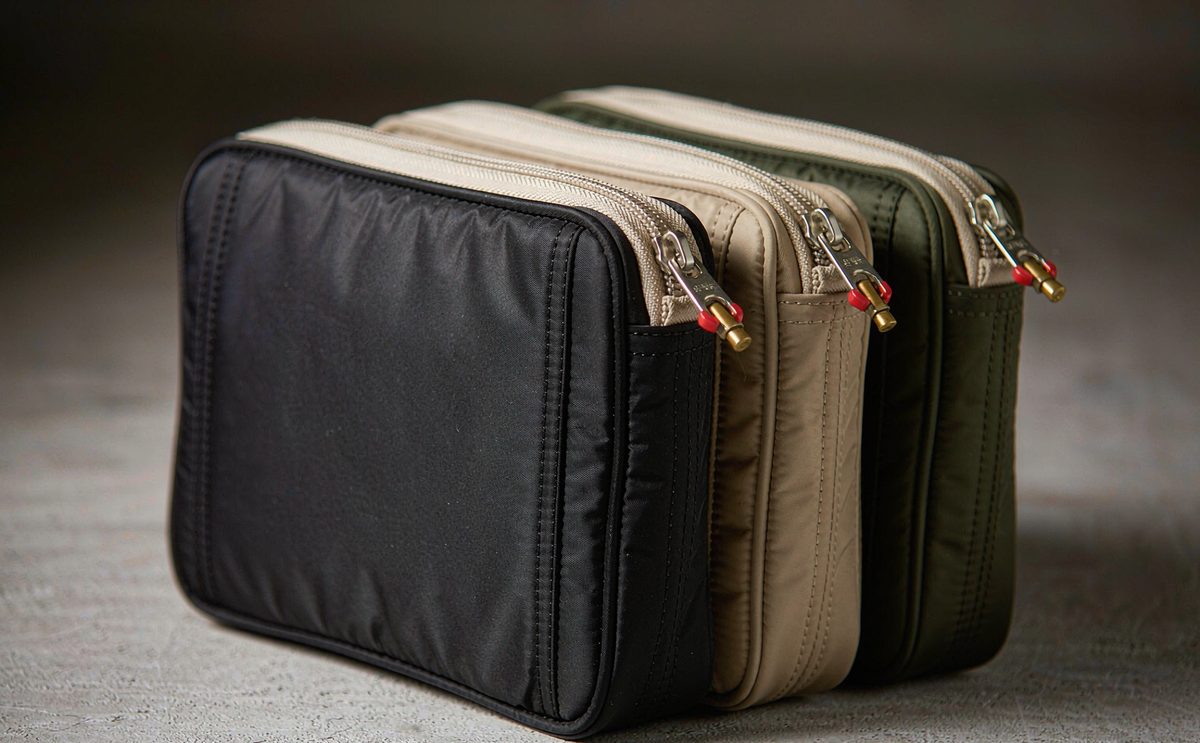
Jewelry campaigns have a specific structural advantage: the product is small, light and fragile in transit, and it arrives with a built-in expectation of a soft pouch. Backers do not read a pouch as packaging. They read it as part of the gift, and they assign it a retail value far above what it costs. This guide covers how to specify, price, brand and kit that pouch so it lifts the tier without lifting the freight line or the pack-out labour beyond what the campaign margin can absorb.
Why a pouch is the highest-margin add-on on a reward tier
Add-ons exist to raise average pledge value without raising the cost of the core product. A pouch is unusually well suited to that job because it sits at the intersection of three favourable properties. It is cheap in absolute terms: a microfibre drawstring pouch with a single-colour print lands under USD 1.50 at 1,000 pcs. It is light: 8 to 25 g per unit, which is below the threshold where most postal weight bands change. And it is visible: it is the first thing a backer touches after opening the mailer, so it carries the unboxing moment.
Compare that with the alternatives. A rigid jewellery box looks premium and costs USD 1.80 to USD 4.50 per unit, adds 60 to 120 g, and doubles the volumetric dimension of the parcel. A printed card sleeve costs USD 0.25 and signals disposable. A pouch sits between them at a fraction of the box cost and with a fraction of the freight penalty. For campaigns shipping internationally, where postage is charged on a 50 g or 100 g increment, that difference is the whole argument. Our production team has run pouch programmes for campaigns where the pouch added USD 1.10 to the unit cost and supported a USD 15 tier increase.
- Absolute cost: USD 0.85 to USD 2.40 per unit at 500 pcs depending on material and closure.
- Weight penalty: 8 to 25 g, usually below the next postal weight band.
- Perceived value: backers routinely assign a retail value of USD 12 to USD 20 to a well-finished pouch.
- Protection: a lined pouch prevents metal-on-metal abrasion, which is the most common transit damage claim in this category.
- Reusability: a pouch survives the campaign and keeps the brand in the backer's drawer for years.
Perceived value maths on a USD 1.20 pouch
Perceived value is not the same as cost, and the gap is what makes the pouch worth specifying properly. A backer evaluating a USD 65 earring pledge that includes a velvet pouch with a foil-stamped mark does not mentally deduct the pouch. They compare the pledge against a retail equivalent where a similar pouch is a standard inclusion, and they conclude the pledge is priced fairly or better. Campaigns that test this in a survey consistently see the pouch version of a tier outperform a bare-product version at the same price.
The maths works as follows for a mid-range campaign. Take a core product costing USD 14 delivered, a mailer and insert costing USD 1.40, and a pouch at USD 1.20. Cost of goods is USD 16.60 before postage. With a pouch, the tier is priced at USD 59 and converts at a rate we will call baseline. Without the pouch, cost of goods is USD 15.40 and the tier must be priced at USD 49 to look equivalent. The USD 10 tier increase costs USD 1.20, which is a 12 percent cost against an 8.3 times return on that incremental spend, before considering that the pouch version usually converts better as well.
A pouch is one of the few reward components where the cost is linear and the perceived value is not. Spend the money on the lining and the finish rather than on the size.
The same maths works against the campaign if the pouch is wrong. A pouch that looks cheap does not merely fail to add value; it actively reduces the perceived value of the piece inside it, because a backer reads the pouch as a signal of how the brand treats its own product. That is why the finish matters more than the size on this component, and why the cheapest option is rarely the best value.
Sizing pouches to rings, chains, earrings and bangles
Pouches are sized to the object with a clearance allowance, and the allowance is smaller than most creators expect. Too much clearance and the piece slides and tangles; too little and the pouch will not close over a bulky clasp. The working rule is 8 to 12 mm of clearance beyond the largest dimension of the object in its stored position, plus allowance for the closure roll. For a pair of stud earrings on a card, a 70 x 90 mm pouch is standard. For a pendant chain, 90 x 120 mm. For a bangle or a wide cuff, 140 x 180 mm. For a ring stack or a set, 100 x 130 mm.
Chains deserve a specific note because they are the most commonly mishandled item in jewelry fulfilment. A fine chain dropped loose into a pouch arrives knotted, and an unknotting session is not the unboxing experience a creator intends. Two solutions are standard. The first is a pouch with an internal tab and a small slit or loop that anchors the clasp, holding the chain in a loose coil. The second is a pouch with an internal card the chain is wrapped around. Both add 2 to 4 labour seconds per unit at pack-out and both eliminate the single most frequent complaint in this category.
| Jewelry format | Recommended flat size | Closure type | Indicative weight |
|---|---|---|---|
| Stud earrings on card | 70 x 90 mm | Drawstring or envelope | 8 to 12 g |
| Pendant with fine chain | 90 x 120 mm | Drawstring with internal tab | 14 to 20 g |
| Ring or ring stack | 100 x 130 mm | Drawstring or snap | 16 to 22 g |
| Bangle or wide cuff | 140 x 180 mm | Drawstring or envelope | 22 to 30 g |
| Full set in one pouch | 160 x 200 mm | Drawstring with divider | 28 to 38 g |
Velvet, suede, microfibre and satin: what each signals
Material choice on a pouch is a positioning decision before it is a cost decision, and the four common options signal four different things. Velvet reads as traditional luxury and is the default for fine jewelry: it costs USD 1.40 to USD 2.40 per unit at 500 pcs, it marks under fingernails, and it collects lint in transit. Microfibre reads as modern and technical, costs USD 0.85 to USD 1.50, resists marking, and is the best option for campaigns shipping through humid lanes. Suede-effect polyester reads as craft and handmade and sits between the two at USD 1.10 to USD 1.80. Satin reads as bridal or occasion and costs USD 0.95 to USD 1.60.
There is also a practical dimension that decides many programmes: how the material behaves under a branding method and in a packing line. Velvet takes a foil stamp beautifully and takes a screen print badly. Microfibre takes heat transfer well and foil poorly. Suede-effect takes debossing well. Satin takes screen print well and shows every crease from transit. Our sourcing partner will normally send two material swatches with the same mark applied by two different methods so the creator can compare them in hand rather than on a screen, which is the only reliable way to make this decision.
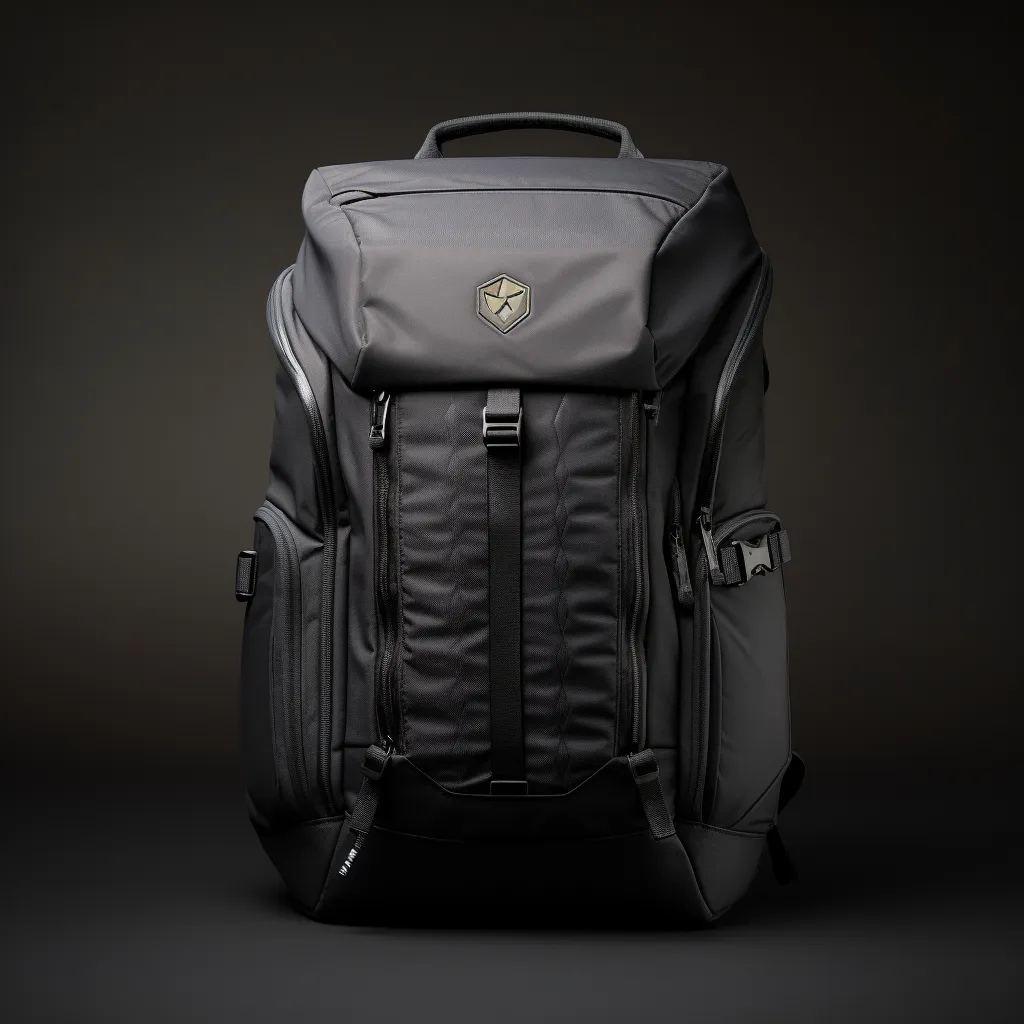
Weight per square metre is the specification line that gets overlooked. A heavy velvet at about 320 gsm and a light microfibre at about 180 gsm differ by more than 70 percent in fabric weight, which on a 90 x 120 mm pouch is 6 to 9 g per unit and, across a 2,000 unit international shipment, a difference that can cross a postal band. Ask for the gsm on every swatch you are sent.
Anti-tarnish linings and metal chemistry
This is the section most pouch programmes skip and the one that generates the most backer complaints three months after delivery. Sterling silver, plated brass and untreated copper all tarnish, and tarnish accelerates in the presence of sulphur compounds. Several common pouch materials off-gas sulphur: some low-grade rubbers, some adhesives, and notably some vulcanised foam inserts. A jewelry piece stored in such a pouch for weeks in transit can arrive dull or discoloured, and the backer will blame the piece rather than the pouch.
The mitigation is straightforward and cheap. Specify an anti-tarnish lining fabric, which is a non-woven interlining impregnated with activated carbon or a silver-absorbing agent, at a cost of roughly USD 0.18 to USD 0.35 per unit. Avoid foam inserts entirely, or use a closed-cell EVA and confirm it is sulphur-free in writing. Ask for a simple accelerated test: a polished sample piece sealed in the pouch with a sulphur source strip for 72 hours, then compared against a control stored in a plain polyethylene bag. Any programme shipping more than 1,000 metal units should insist on that test before bulk.
- Anti-tarnish interlining: USD 0.18 to USD 0.35 per unit, standard on silver and plated programmes.
- No vulcanised foam: use closed-cell EVA and require written confirmation that it is sulphur-free.
- 72 hour accelerated test: one polished piece sealed in the pouch with a sulphur strip, compared against a control.
- Adhesive check: low-VOC, low-sulphur adhesive systems only, with the specification named on the tech pack.
- Airing cycle: 48 hours of airing before pouching so any residual volatiles dissipate before the metal is enclosed.
Closures at small scale: drawstring, snap and envelope
Three closure types cover almost every jewelry pouch, and each has a clear cost and a clear failure mode. A drawstring is the classic: two cords through a turned channel, a cord lock or a knot. It costs USD 0.12 to USD 0.28 in cord and labour, it is tolerant of over-filling, and its failure mode is a cord that pulls out of the channel or a lock that slips. A snap closure costs USD 0.10 to USD 0.22, looks tidier, and its failure mode is misalignment, because a snap set 1 mm off centre will not close on a soft substrate.
An envelope fold with no hardware at all is the cheapest option at USD 0.02 to USD 0.08 in added labour, and it is the right choice for flat items like earring cards. Its failure mode is that it does not secure a round or bulky object, so it is unsuitable for bangles. Where a campaign wants a premium closure, a magnetic or a metal rim snap is possible, but both add weight in the 10 to 20 g range, which is material when the entire pouch weighs 15 g. We advise creators to spend on the cord quality rather than the lock mechanism: a braided polyester cord with a heat-sealed tip outlasts a cheap lock by years.
Cord specification deserves more attention than it gets. A braided polyester cord with a heat-sealed tip costs about USD 0.06 more than a flat unsealed cord and outlasts it by years, because an unsealed tip frays within weeks of use. On a pouch that a backer will open and close hundreds of times, that small difference is the difference between a keepsake and a component that fails.
Branding on a 40 mm panel
A small pouch offers a small mark area, and the constraint is real: on a 70 x 90 mm pouch the usable centred panel is roughly 40 x 25 mm. At that scale, a logo with fine detail or more than two lines of text will not read. Creators should prepare a simplified lockup for the pouch rather than shrinking the full brand mark. A single-colour foil stamp in gold, silver or rose gold is the most requested finish and suits the luxury positioning of the category, at USD 0.10 to USD 0.25 per unit plus a die at USD 90 to USD 180.
A woven label sewn into the seam is the cheapest durable option at USD 0.05 to USD 0.12 and works on any material, but on a pouch under 100 mm it occupies a disproportionate share of the visible face. Heat transfer handles two-colour marks at USD 0.08 to USD 0.20 and requires a smooth face fabric, which rules out velvet. Debossing works on suede-effect and PU at USD 0.15 to USD 0.30 plus tooling. Our campaign bag specialist will usually recommend foil on velvet or satin, deboss on suede-effect, and heat transfer or a small woven tab on microfibre.
Key takeaways
- P
- r
- e
- p
- a
- r
- e
- a
- s
- i
- m
- p
- l
- i
- f
- i
- e
- d
- s
- i
- n
- g
- l
- e
- -
- c
- o
- l
- o
- u
- r
- l
- o
- c
- k
- u
- p
- f
- o
- r
- t
- h
- e
- p
- o
- u
- c
- h
- .
- A
- f
- u
- l
- l
- b
- r
- a
- n
- d
- m
- a
- r
- k
- s
- c
- a
- l
- e
- d
- d
- o
- w
- n
- t
- o
- 4
- 0
- m
- m
- r
- e
- a
- d
- s
- a
- s
- a
- s
- m
- u
- d
- g
- e
- i
- n
- e
- v
- e
- r
- y
- b
- a
- c
- k
- e
- r
- p
- h
- o
- t
- o
- g
- r
- a
- p
- h
- .
One practical constraint applies to every method: the pouch is soft, and a soft substrate moves during application. A foil stamp applied to a pouch that is not supported on a jig will register inconsistently across the run, which is why we require a jig for foil and deboss on all pouch programmes. The jig is a small one-off charge and it is what keeps registration inside 1.5 mm.
Unit cost at 500 to 5,000 pcs
Pouches are the cheapest custom soft good in the crowdfunding reward catalogue, and the cost curve is dominated by two things: material per square centimetre and the labour minutes in the closure. Because both are small, the absolute spread across quantity bands is narrower than on a structured bag. A microfibre drawstring pouch with a heat transfer mark might fall from USD 1.35 at 500 pcs to USD 1.15 at 1,000 pcs to USD 0.98 at 5,000 pcs. A velvet pouch with a foil mark falls from USD 2.30 to USD 1.95 to USD 1.70 across the same bands. Tooling is one-off and does not scale.
| Specification | 500 pcs | 1,000 pcs | 5,000 pcs |
|---|---|---|---|
| Microfibre drawstring, heat transfer mark | USD 1.20 to 1.50 | USD 1.00 to 1.30 | USD 0.85 to 1.15 |
| Suede-effect drawstring, debossed | USD 1.55 to 1.95 | USD 1.35 to 1.70 | USD 1.15 to 1.50 |
| Satin envelope, screen printed | USD 1.30 to 1.65 | USD 1.10 to 1.45 | USD 0.95 to 1.25 |
| Velvet drawstring, foil stamped | USD 2.10 to 2.70 | USD 1.85 to 2.35 | USD 1.60 to 2.05 |
| Microfibre with anti-tarnish lining | USD 1.45 to 1.85 | USD 1.25 to 1.60 | USD 1.05 to 1.40 |
The minimum is 500 pcs per style and per colourway, which matters on pouches because campaigns often want one colour per product variant. Four variants at 500 each is 2,000 units and a real inventory commitment for a component that costs around a dollar. Where a campaign is unsure of variant mix, the cheaper route is a single pouch colourway with a variant identified on the insert card instead, which keeps the pouch run to one band and defers the colour decision until the backer survey closes.
Kitting the pouch into the reward
The pouch cost is one line; the kitting labour is another, and it is where pouch programmes quietly lose money. Pouching a piece by hand takes 12 to 25 seconds depending on the closure and whether an insert card or a chain tab is involved. At 2,000 units that is 7 to 14 labour hours, which is affordable. The problem arises when the pouching is done at the fulfilment centre rather than at origin, because US and EU fulfilment labour runs several times the origin rate and the parcel is already in the picking queue.
Where possible, pouch the piece at origin. The workflow is: the piece arrives from its own production line, is inspected, is placed on or in its insert card, is pouched, and the pouched unit is bagged and cartoned for the fulfilment centre to pick as a single SKU. That adds one assembly step at origin and removes one from the destination. Our production programme supports this for campaigns where the piece and the pouch are both sourced in the same region, and it typically saves 40 to 60 percent of the pack-out cost. The alternative, shipping pouch and piece separately and kitting at destination, is only worth it when the piece is made domestically.
- Decide where pouching happens before quoting, because it changes both the packing spec and the labour estimate.
- If pouching at origin, consign the pieces to the pouch line with a 3 percent spare allowance for damage.
- Standardise the pouching sequence so every unit looks identical in the unboxing video.
- Bag each pouched unit individually to prevent lint transfer and scuffing in the carton.
- Carton by SKU with a sequence number so the fulfilment centre can reconcile without opening every box.
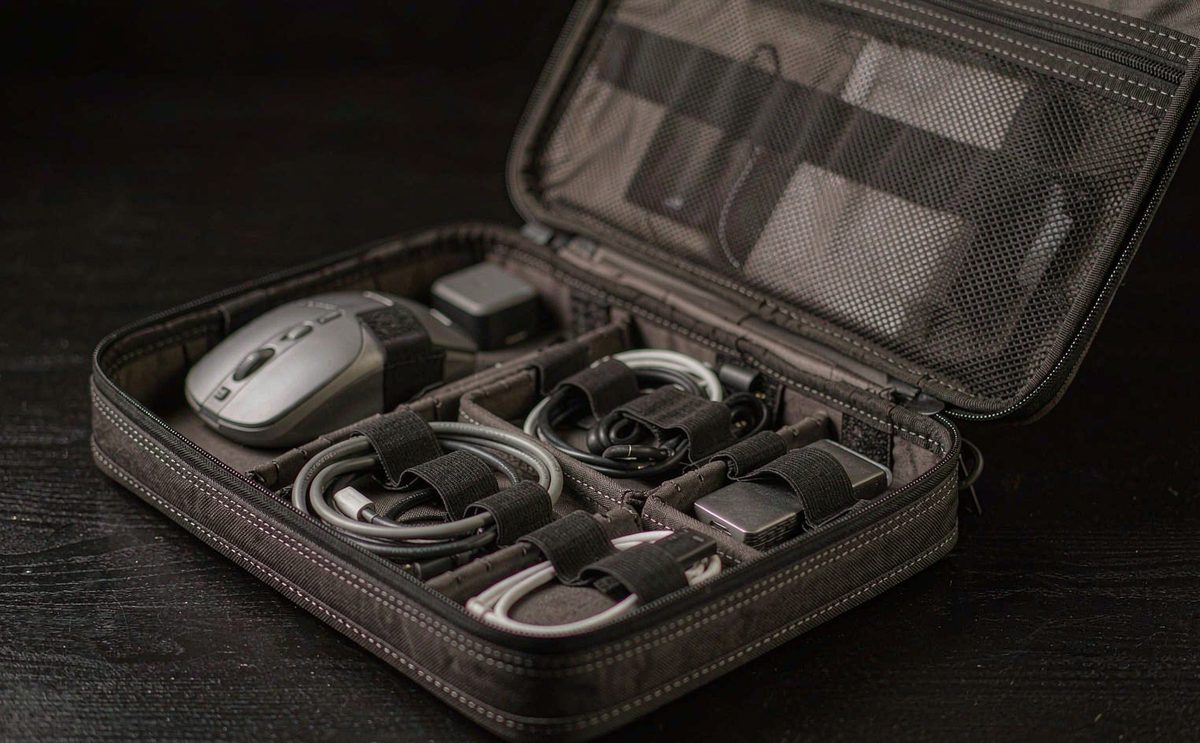
Fulfilment weight, carton count and per-backer postage
Postage is charged in bands, and a pouch is cheap because it usually does not cross one. A 15 g pouch added to a 60 g jewelry parcel keeps the shipment under 100 g in most postal systems, which is a common band boundary. Crossing to the next band costs USD 1.50 to USD 4.00 per parcel depending on the lane, which is more than the pouch itself. That is why a 25 g velvet pouch can be a worse commercial decision than a 12 g microfibre pouch even when the velvet looks better: the velvet may push the parcel across a threshold on an international lane.
Carton count on pouches is excellent because they nest and compress: 300 to 500 units per export carton is typical for a 90 x 120 mm pouch, and a full carton weighs under 12 kg. That makes the freight line on the pouch component close to negligible when it ships with the main reward, and the economics only change if the pouch is shipped separately. Our recommendation is to consolidate: pouch and reward in one container, one customs entry, one carton sequence. Creators planning the fulfilment side of this should read the crowdfunding rewards fulfilment guide, which sets out how kitting, customs entries and last-mile lanes are sequenced.
Banded postage also means the country mix matters more than the average. A campaign shipping 60 percent domestically and 40 percent internationally should model the two lanes separately rather than averaging them, because the international lane is where the band boundary sits. Where the international parcel is close to a boundary, reducing the insert card weight by 3 to 5 g is sometimes enough to stay under it.
Sampling and QC gates for small soft goods
Sampling runs 6 to 10 working days for a standard pouch and 12 to 15 working days when the build includes a foil die, a deboss tool or an anti-tarnish lining that must be sourced. Two rounds are normal: one to confirm size and closure feel against the actual piece, and one to confirm material, colour and mark placement. Because the unit cost is low, some creators skip the second round and regret it when a 40 mm foil mark arrives 3 mm off centre on 2,000 units. A sample round costs a fraction of a re-run.
Bulk production runs 35 to 50 days after the approved pre-production sample and deposit, and inspection is at AQL 2.5 to ISO 2859-1. On pouches the defects that matter are specific:closure alignment, cord channel consistency, foil registration within 1.5 mm, loose thread ends inside the pouch, and colour consistency across the run. We also pull a functional sample and cycle the drawstring 200 times, because a cord that frays at the tip in month two is a warranty claim the campaign will absorb. Where an anti-tarnish lining is specified, the accelerated test is repeated on the bulk batch, not just on the sample.
Sampling decisions are covered in more depth in the crowdfunding bag sample and prototyping guide. Small soft goods also benefit from a decision most creators overlook: shrink tolerance. Soft pouches vary more in finished dimension than structured bags, because the fabric relaxes between cutting and sewing. A 90 x 120 mm pouch can land at 88 x 117 mm without being defective. The tech pack should state a tolerance of plus or minus 3 mm on soft goods rather than the plus or minus 1.5 mm used on structured bags, or the inspection will fail a perfectly usable batch. Our cosmetic and small-format bag programme page covers the same tolerance logic at larger sizes, and the mini cosmetic bag reward guide sets out how a slightly larger soft good changes the tier maths.
Sustainability claims and material documentation
Backers in the jewelry category ask about provenance more than in almost any other, and a pouch is one of the few places a campaign can make a verifiable claim. The most common is recycled content, and it is only defensible with documentation. An RPET or recycled polyester face fabric needs a transaction certificate from the mill covering the specific lot used, issued under a recognised standard, and the certificate has to be requested when the fabric is ordered rather than after the run is finished. Without it, a campaign can say the pouch is made from recycled material but cannot prove it, which is a problem the moment a retail buyer or a marketplace asks.
The second common claim is vegan, and it is more complicated than most creators expect. A PU face fabric is not automatically a vegan product, because the adhesive system and any finishing agent can contain animal-derived components, and the same applies to some dyes. A defensible vegan claim requires a declaration covering the face fabric, the lining, the adhesive and the thread, which means asking for it at material selection rather than at shipment. Our sourcing partner holds these declarations per programme and can produce them alongside the compliance test report, so a campaign has one file rather than four separate documents from four vendors.
- Recycled content: request a mill transaction certificate when the fabric is ordered, not after the run.
- Vegan claims: cover face fabric, lining, adhesive and thread, because any one can contain animal-derived components.
- One file: hold the material declarations and the test report together so a buyer request is a single response.
- Cost: recycled face fabrics run USD 0.25 to 0.45 above a standard PU-coated equivalent at 500 pcs.
- Lead time: allow 3 to 5 additional working days for certificate handling on certified material lots.
Send us your piece dimensions, target material and quantity per colourway, and we will return a pouch specification with costed options.
Frequently Asked Questions
What is the minimum order quantity for custom jewelry pouches?
The minimum is 500 pcs per style and per colourway. If you want one pouch colour per product variant, four variants means four runs of 500 pcs. A single colourway with a variant identified on the insert card keeps the run to one band and costs less. A single pouch colourway with the variant identified on the insert card keeps the run to one band and defers the colour decision until the backer survey closes.
How much does a custom jewelry pouch cost per unit?
At 500 pcs expect USD 1.20 to 1.50 for microfibre with a heat transfer mark, USD 1.55 to 1.95 for suede-effect with debossing, and USD 2.10 to 2.70 for velvet with a foil stamp. At 5,000 pcs those fall to roughly USD 0.85, USD 1.15 and USD 1.60 respectively. Because the unit cost is low, some creators skip the second round, and that is where a 3 mm off-centre mark on 2,000 units originates.
How long does sampling take for a jewelry pouch?
Standard pouches sample in 6 to 10 working days. Builds requiring a foil die, a deboss tool or a sourced anti-tarnish lining need 12 to 15 working days. Two rounds are normal, and skipping the second is a false economy on a 40 mm mark. The bands move with specification: a welded liner, a moulded patch or an anti-tarnish interlining each adds to the base figure quoted for a plain pouch.
Do I need an anti-tarnish lining in the pouch?
If the piece is sterling silver, plated brass or untreated copper, yes. The interlining costs USD 0.18 to USD 0.35 per unit and absorbs the sulphur compounds that cause tarnish during weeks of enclosed transit. Also avoid vulcanised foam inserts entirely. Also avoid vulcanised foam inserts entirely, and ask for written confirmation that any insert material is sulphur-free before the bulk run is booked.
What size pouch fits a pendant with a fine chain?
90 x 120 mm is standard for a pendant with a fine chain. Specify an internal tab or a wrap card so the chain cannot knot in transit, which is the most common complaint in jewelry fulfilment. That adds 2 to 4 seconds of pack-out labour. A chain dropped loose into a pouch arrives knotted, and an unknotting session is not the unboxing experience a creator intends.
Which branding method works on a small pouch?
Foil stamp on velvet or satin at USD 0.10 to 0.25 per unit plus a USD 90 to 180 die, deboss on suede-effect at USD 0.15 to 0.30 plus tooling, and heat transfer on microfibre at USD 0.08 to 0.20. Use a simplified single-colour lockup. Registration matters more than method on a small pouch: a mark near the base seam or crowding an edge reads as an afterthought with nowhere to hide.
Will adding a pouch push my parcel into a higher postage band?
Usually not. A pouch adds 8 to 25 g, and a 15 g pouch on a 60 g parcel typically stays under the 100 g boundary. But a heavy velvet pouch can cross it, and crossing a band costs USD 1.50 to 4.00 per parcel, more than the pouch itself. A 15 g pouch on a 60 g parcel typically stays under the 100 g boundary, but a heavy velvet pouch can cross it and cost more than the pouch itself.
Should the pouch be filled at origin or at the fulfilment centre?
At origin where possible. Pouching takes 12 to 25 seconds per unit, and doing it at origin costs 40 to 60 percent less than destination labour and turns the pouched piece into one pickable SKU. The workflow is: inspect the piece, place it on its insert card, pouch it, bag it, and carton it as a single pickable SKU for the fulfilment centre.
What dimensional tolerance applies to soft pouches?
Specify plus or minus 3 mm on soft goods rather than the plus or minus 1.5 mm used on structured bags. Fabric relaxes between cutting and sewing, so a 90 x 120 mm pouch can land at 88 x 117 mm and still be correct. Fabric relaxes between cutting and sewing, so a 90 x 120 mm pouch landing at 88 x 117 mm is correct, and an inspection written to a tighter tolerance will fail a usable batch.
What inspection standard is used for pouches?
AQL 2.5 to ISO 2859-1, with category-specific checks on closure alignment, cord channel consistency, foil registration within 1.5 mm, loose thread ends and colour consistency. We also cycle the drawstring 200 times on a functional sample. We also repeat the accelerated tarnish test on the bulk batch rather than only on the sample, because a sample-room liner does not prove what the run will do.
How many pouches fit in one export carton?
300 to 500 units for a 90 x 120 mm pouch, with a full carton weighing under 12 kg. Pouches nest and compress well, so the freight line is close to negligible when they ship with the main reward. Pouches nest and compress well, so the freight line is close to negligible when they ship with the main reward rather than as a separate consignment.
What are the payment and shipping terms?
Standard terms are FOB Xiamen with T/T 30/70: a 30 percent deposit releases materials and books capacity, and 70 percent falls due against the passed inspection report before shipment. DDP to a US or EU fulfilment centre can be quoted. DDP to a US or EU fulfilment centre can be quoted on request, which suits creators who would rather not act as their own importer of record.
People Also Ask
What is the cheapest custom pouch for a crowdfunding reward?
A microfibre drawstring pouch with a heat transfer mark, from about USD 0.85 per unit at 5,000 pcs and USD 1.20 at 500 pcs.
Do jewelry pouches need to be anti-tarnish?
Yes for silver, plated brass or copper. An anti-tarnish interlining costs USD 0.18 to 0.35 and prevents dullness during weeks of enclosed transit.
What size pouch do I need for earrings?
70 x 90 mm suits stud earrings presented on a card. Use an envelope fold rather than a drawstring for flat carded items.
Can I get a foil stamped logo on a velvet pouch?
Yes. Foil stamping suits velvet and satin, costs USD 0.10 to 0.25 per unit plus a USD 90 to 180 die, and is the most requested finish in this category.
How much weight does a jewelry pouch add?
Between 8 and 25 g depending on size and material, which usually keeps the parcel inside the same postal weight band.
How long does bulk pouch production take?
35 to 50 days after the approved pre-production sample and deposit, with inspection at AQL 2.5 to ISO 2859-1.
Can pouches be filled at the factory before shipping?
Yes, and it is usually cheaper. Origin pouching runs 40 to 60 percent below destination labour and delivers one pickable SKU.
What is the MOQ if I want four pouch colours?
Four runs of 500 pcs each. Consider one pouch colour with variant identification on the insert card to keep a single 500 pcs band.