Kickstarter Boxing Bags and Sports Gear: Bundle Reward Strategies
A boxing bundle works because the bag is the container and the gear is the reason to pledge. Build it as one programme with one critical path: the bag at 500 pcs per style and colourway, sampling 6-10 working days and production 35-50 days, with the sourced gear items arriving before kit assembly rather than after. Budget for volumetric weight, because a bundle ships air and a bulky carton is charged on size not on kilos. Price the tier on landed cost per bundle, not on the sum of retail prices, and publish one delivery month for the whole bundle rather than one per item.
- Why boxing rewards bundle so well
- What actually goes in a boxing bundle
- Sourcing non-bag items without losing the schedule
- Kit assembly: where the bundle is actually built
- Volumetric weight: how the bundle changes the freight bill
- Bundle tier maths: perceived value versus landed cost
- Packaging a multi-item reward
- Compliance and labelling across mixed categories
- QC across multiple suppliers
- The fulfilment hand-off: carton data and pack lists
- Timeline for a bundle programme
- Common bundle failures and how to avoid them
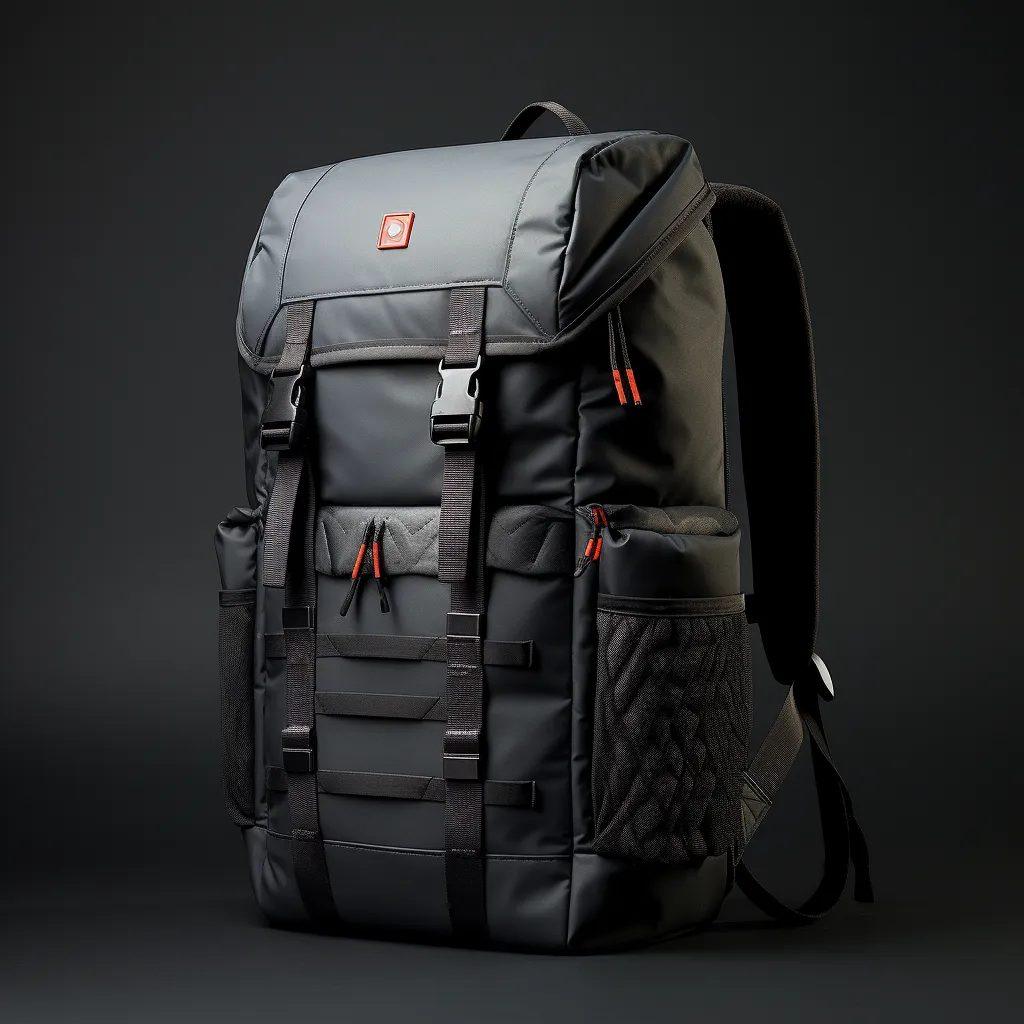
Boxing is one of the few sports where a bundle is the natural reward shape rather than an upsell. A boxer needs gloves, wraps, a skipping rope and something to carry it all in, so a campaign that offers the kit together is answering a real shopping list instead of inventing one. That makes bundles convert. It also makes them harder to deliver, because each added item is another supplier, another lead time, another compliance question and another chance for the carton to be wrong. This article is about keeping the commercial upside while removing the operational risk.
- Minimum order quantity (bag)
- 500 pcs per style / colourway
- Sampling (bag)
- 6-10 working days (12-15 for complex builds)
- Bulk production (bag)
- 35-50 days after deposit + approved pre-production sample
- Inspection
- AQL 2.5 to ISO 2859-1
- Trade term
- FOB Xiamen
- Payment
- T/T 30/70
- Production floor
- 4,950 m2 SGS-verified, 137 staff, 7 lines, 149 machines
- Monthly capacity
- 200,000 pcs per month
- Campaign experience
- 20+ crowdfunding campaigns supported
Key takeaways on bundle rewards
- The bag sets the critical path; every sourced item must arrive before kit assembly, not after.
- Price the bundle on landed cost per bundle, not on the sum of retail prices.
- Air freight charges on volumetric weight, so carton dimensions matter more than kilos.
- One delivery month for the whole bundle, because backers remember the last item to arrive.
- Write a single pack list per carton and give it to the fulfilment partner before the goods move.
Why boxing rewards bundle so well
Three structural reasons. First, the kit is genuinely multi-item: unlike running or cycling, boxing requires protective and consumable equipment that is bought together and replaced together. Second, the community is gym-based, so a bundle is recognisable as the thing a new member is told to buy in week one. Third, the items are small and packable relative to their perceived value, which means a bundle can be shipped without the freight cost exploding.
The commercial effect is on tier price. A single boxing bag might support a reward price of USD 60 to 90. The same bag with wraps, a skipping rope and a glove pouch supports USD 120 to 180, and the marginal cost of the added items is far below the marginal price backers will pay. That gap is the reason bundles exist, and it is also the reason they are worth the operational effort if the programme is planned properly.
There is a caveat that matters for campaigns targeting the United States and Europe. Items that contact skin, such as wraps and inner gloves, and items making a protective claim, such as gloves and headgear, attract different documentation expectations than a bag. Bundling does not remove those expectations; it combines them. Decide early which items in the bundle are decorative accessories and which are functional protective equipment, because the second group changes what you need to collect before shipping. Our custom sports bags for Kickstarter pillar page covers where the bag itself sits.
What actually goes in a boxing bundle
Work from the training session outward rather than from a supplier catalogue. A beginner arrives at a session with gloves, hand wraps, a skipping rope, a water bottle and a change of clothes, and leaves with all of it damp. That list tells you what the bag has to carry and what the bundle has to contain. Anything that is not on the list is a gift rather than a kit item, and gifts should be priced and positioned as gifts rather than folded into the functional promise.
The bag itself should be specified around the gloves, because gloves are the bulkiest item and the one that dictates compartment shape. Gloves are typically packed as a pair and are stiff, so a compartment that fits them needs depth rather than length. Wraps and a skipping rope are small and flexible and can share a second space. A bottle sleeve and a wet compartment for the damp kit complete the specification, and the wet compartment logic is the same as for a gym bag.
Decide the bundle composition before you design the bag, not after. This is the single most common sequencing error in bundle programmes: the bag is designed and sampled first, and then someone notices that the gloves do not fit the compartment they built. Sizing the bag to the gloves costs nothing at specification stage and costs a full sampling round if it is discovered later. Our wet-dry gym bag article covers compartment planning for damp kit in the same way.
| Item | Usual sourcing route | Main risk |
|---|---|---|
| Gear bag | Custom run at 500 pcs minimum | Longest lead time; sets the critical path |
| Hand wraps | Stock item with custom print or label | Skin contact documentation; print minimum |
| Skipping rope | Stock item with custom handles | Handle tooling or print minimum |
| Glove pouch or bag | Custom or stock with branding | Sizing to the gloves it must hold |
| Water bottle | Stock item with custom print | Food-contact documentation for the market |
| Printed insert or training card | Local print | Cheapest item; the one most often forgotten at assembly |
| Towel or sweatband | Stock item with embroidery | Colour match to the bag |
Sourcing non-bag items without losing the schedule
The bag is a custom run with a 35-50 day bulk window. Everything else in the bundle is usually a stock item with a branding operation applied, which means shorter lead times and different minimums. That asymmetry is useful: it means the sourced items can be sequenced to arrive just before kit assembly rather than being ordered months early and stored. It also means the sourced items are not what delays you, provided they are ordered against the bag schedule rather than in parallel with it.
The risk is the opposite one: assuming stock items are instant. A stock hand wrap with a custom woven label carries the label minimum and the label lead time. A stock bottle with a custom print carries a print set-up and a print window. A custom-coloured skipping rope handle may carry a mould cost. Add these to the schedule explicitly, and treat the branding operation rather than the base item as the lead time you are managing.
There is also a coordination decision to make: who buys the non-bag items. Some campaigns source them independently and ship them to the assembly point. Others ask the bag programme to coordinate them. The second route costs a coordination fee and saves the campaign a substantial amount of chasing, because the party who is already managing the critical path is the party best placed to hold the other items to it. Ask which route is available when you request a quotation.
- Treat the branding operation, not the base stock item, as the lead time you are managing.
- Confirm the print or label minimum for each sourced item before you commit to a bundle size.
- Order sourced items against the bag schedule so they arrive just before assembly, not months early.
- Decide who coordinates the non-bag items and write that into the agreement.
- Keep one document listing every item, its supplier, its lead time and its arrival date.
- Avoid custom tooling where a print or label gives the same branding effect.
Kit assembly: where the bundle is actually built
A bundle has to be assembled somewhere, and that somewhere is a decision with cost, quality and schedule consequences. Assembling at the production site means the items are packed together once, carton quantities are exact, and the carton is shipped complete. It also means every item has to arrive at that site before assembly starts, which makes the sourced items part of the critical path in a way they otherwise would not be.
Assembling at the fulfilment warehouse means each item ships separately and is combined at the point of dispatch. That decouples the supply chain, so a late wrap shipment does not hold up the bags, but it adds a handling operation at the destination, adds a second chance for a packing error, and means the warehouse needs a pack-out instruction that is unambiguous. It is usually the better route when the sourced items come from several different places.
The third option is to ship the bag and the gear separately to the backer, which is the cheapest operationally and the worst commercially. Backers do not experience two shipments as a bundle; they experience one delivery followed by another, and the campaign gets support messages asking where the rest is. If the bundle is the promise, ship it as one carton. Where a separate shipment is genuinely unavoidable, publish that clearly on the campaign page before pledging rather than after.
| Assembly point | Operational risk | Backer experience | Suits |
|---|---|---|---|
| At the production site | All items must arrive first | Best: one complete carton | Few sourced items, one origin |
| At the fulfilment warehouse | Second handling stage | Good: one carton, later | Several sourced origins |
| Split shipment to backer | Lowest operational risk | Poor: two deliveries | Only as a disclosed fallback |
| Pre-packed by the gear supplier | Supplier controls the pack | Good if the pack list is right | Gear-led bundles |
Volumetric weight: how the bundle changes the freight bill
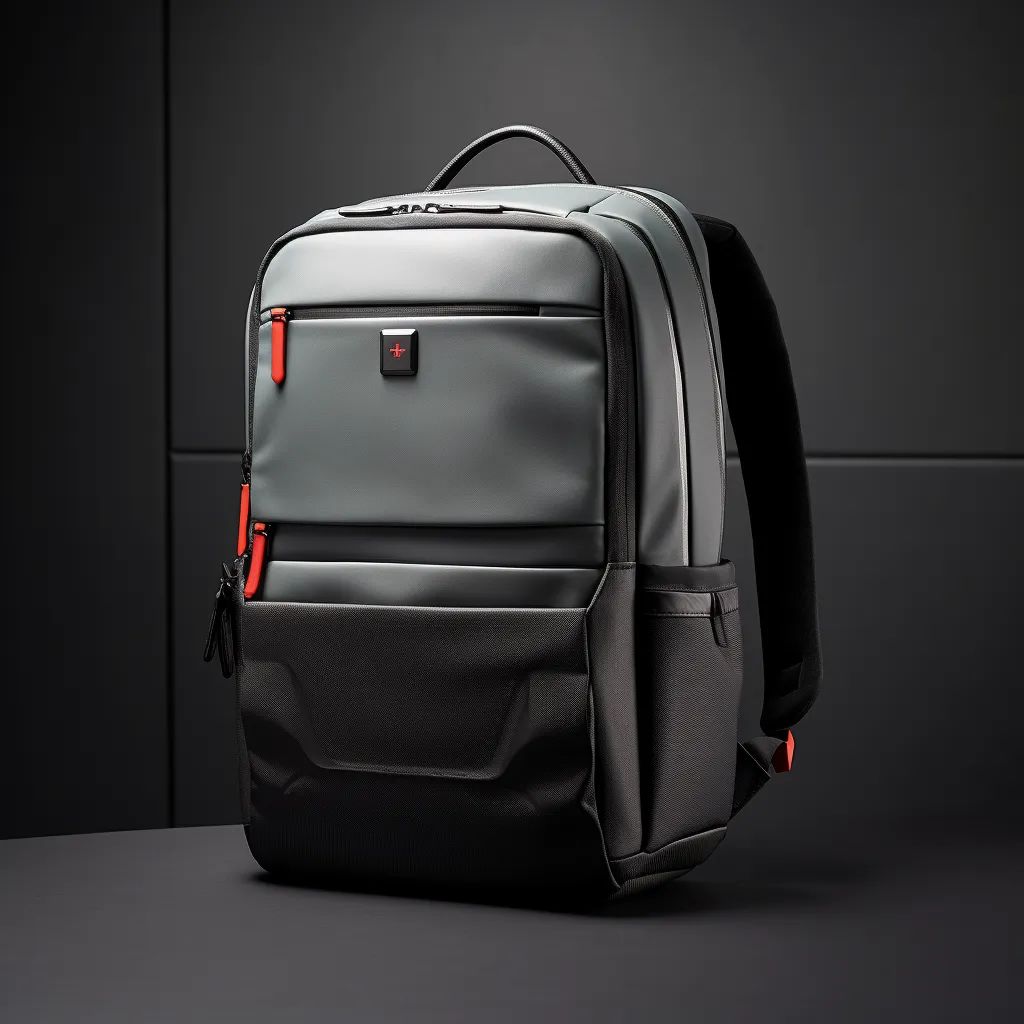
Freight is where bundle economics quietly invert. Air freight and most express carriers charge on the greater of actual weight and volumetric weight, and volumetric weight is calculated from carton dimensions. A boxing bundle is bulky relative to its kilos, because gloves and a bag occupy space without weighing much, so a bundle almost always bills on volume rather than on mass.
The practical consequence is that carton engineering is a cost decision, not a packaging afterthought. Reducing carton height by 3 cm across a 500-carton shipment is a meaningful freight saving, and it is achieved by decisions made at product design stage: whether the bag is packed flat or stuffed, whether the gloves are nested, whether the rope is coiled or bagged, and how much empty space the insert card leaves.
Model it before you price the tier. Take the assembled bundle, measure the smallest carton it fits, compute volumetric weight with the divisor your carrier uses, and compare it to actual weight. Then multiply by the number of cartons and add it to the landed unit cost. Campaigns that skip this step discover the freight line after the campaign has closed and the price is already published. Our crowdfunding rewards fulfilment page covers the shipping side in detail.
| Cost line | Indicative share | What moves it |
|---|---|---|
| Custom gear bag | 35-50% | Specification, quantity, decoration |
| Sourced gear items | 20-35% | Item count, branding method, minimums |
| Kit assembly labour | 3-7% | Item count and pack-out complexity |
| Cartons and packing materials | 3-6% | Carton size, void fill, printed insert |
| Freight, charged on volume | 10-25% | Carton dimensions and destination mix |
| Duty and taxes | Market dependent | HS classification and destination |
Bundle tier maths: perceived value versus landed cost
The temptation with bundles is to price them on the sum of the retail prices of the contents, because that is the number that looks generous on a campaign page. Backers are not fooled by it for long and the number is operationally useless, because it says nothing about what the bundle costs to land. Price from the bottom up: bag unit cost, plus each sourced item, plus assembly, plus cartons, plus freight, plus duty, plus a contingency, and then a margin that survives a 10 per cent cost overrun.
Then check the perceived value, which is a different number and the one that sells. Perceived value comes from the items backers recognise and can price: gloves, wraps, a rope. A bundle whose contents are recognisable supports a higher multiple of landed cost than a bundle full of unfamiliar accessories, because the comparison shopping is easier. That is an argument for including one or two well-known item types rather than six cheap novelties.
Work to a ratio rather than to a feeling. In this category a reward price of roughly 2.5 to 3.5 times landed cost per bundle is a common working range for a first campaign, with the lower end used where the campaign is competing on price and the higher end where the brand carries the premium. That is a directional range, not a rule, and the honest test is whether the campaign still works if freight rises by 20 per cent. If it does not, the tier is too thin.
Packaging a multi-item reward
A bundle carton does a job a single-item carton does not: it has to present the bundle as a set the moment it is opened. That is achievable cheaply with three decisions. Items are nested rather than loose, so nothing rattles. The heaviest and most rigid item sits at the bottom, which is usually the gloves or the bag. And one printed surface, an insert card or a belly band, carries the brand and a contents list.
The contents list matters more than it appears to. Backers unpack a bundle and count, and a missing item is the most common support message in this category. A printed list on the insert turns that into a self-service check rather than a ticket, and it gives the fulfilment partner a reference if a backer does report a shortage. Include the item names exactly as they appear on the campaign page, so the two documents match.
Consider whether the outer carton is also the shipping carton. A plain outer with a branded inner is more expensive and protects the unboxing moment. A branded outer is cheaper and risks arriving scuffed. For a reward that backers will photograph, the branded inner is usually worth it, provided the outer is strong enough to survive the journey. Specify the carton by board grade and by dimensions rather than by a generic description, and confirm the pieces-per-carton figure in writing.
Decide the returns position before you pack. A bundled reward returned as a set needs a restocking rule: whether the whole bundle must come back, whether an opened consumable can be accepted, and who pays for the return leg. Writing those three answers into the reward terms and giving the same text to the fulfilment partner removes an argument at the point where both sides are already frustrated, and it prevents a restocked unit with a missing item being sent to the next backer.
Compliance and labelling across mixed categories
A bundle combines products that are regulated differently, and the documentation has to follow each item rather than the carton. A bag is generally a general product: in the European Union the General Product Safety Regulation sets safety and traceability duties, and in the United States fibre content and care labelling rules apply to textile articles. Items that contact skin, such as wraps, sit closer to textile and personal equipment rules, and protective equipment such as gloves carries its own expectations.
Country of origin marking is the item that catches bundles out, because each component can have a different origin and the outer carton still needs a single correct statement. Decide where the origin mark appears, confirm it for every item in the bundle, and make sure the mark on the carton matches the pack list. A mismatch at customs is a delay, and a delay on a bundle means the whole reward arrives late rather than one part of it.
Where the bundle includes a bottle or anything that contacts food or drink, add food-contact documentation for the destination market. Where it includes an electrical item such as a timer, the requirements change again. The discipline is to list every item, assign a documentation requirement to each, and collect them during sampling rather than after production, because testing booked late adds days to a calendar that has no slack at that point.
- List every bundle item and assign a documentation requirement to each one.
- Confirm country of origin for each component and one statement for the carton.
- Add food-contact documentation for any bottle or drink-contact item.
- Treat protective items separately from decorative accessories in the documentation plan.
- Collect certificates during sampling, not after production has started.
- Keep the technical file against the specification revision so re-orders can be re-checked.
QC across multiple suppliers
Inspection to AQL 2.5 to ISO 2859-1 is straightforward on a single product and requires thought on a bundle, because a bundle failure is often a completeness failure rather than a defect failure. A carton can contain six perfect items and still be wrong if one is missing. That means the inspection plan has to include a pack-out check as a defined class, not only a product defect check.
Write three layers. The bag is inspected as a product against the defect classes defined for it, including zip function, strap attachment and decoration registration. The sourced items are inspected against their own specifications, usually on a smaller draw because they are stock items, with branding quality as the main class. The assembled carton is checked for completeness, count and carton marking.
Then decide the sequence. Inspecting the bag after assembly makes rework harder, because a defective bag has to be unpacked and repacked. Inspecting before assembly means the assembly operation only handles approved goods. The second is usually better, and it costs an extra handling stage. Agree who pays for re-inspection in advance, because a rework cycle typically adds 10-15 days, and on a bundle that delay applies to the whole reward rather than to one component.
| Layer | What is checked | Class examples |
|---|---|---|
| Bag, before assembly | Product defects | Zip function, strap pull, decoration registration, shade |
| Sourced items, on receipt | Item and branding quality | Print registration, label placement, count per outer |
| Assembled carton | Completeness and marking | Item count per bundle, carton count, origin marking |
The fulfilment hand-off: carton data and pack lists
The fulfilment partner cannot pack what they cannot identify. A bundle arriving at a warehouse as unlabelled cartons with a verbal description creates a receiving problem that costs days and produces picking errors. The hand-off document is the fix and it is cheap: a carton-level pack list with dimensions, weights, contents per carton, and a scannable identifier for each item type.
Give the warehouse the pack-out instruction as well, not only the contents. That means the exact sequence of items in the bundle, the orientation, the insert placement and the tape or seal specification. It also means a photograph of an approved assembled bundle, because a photograph resolves an ambiguity faster than a paragraph of text and avoids a phone call across time zones at the worst possible moment.
Finally, agree the exception process before the goods move. What happens to a carton that arrives damaged, to a bundle with a missing item, to a returned bundle, and to a backer who reports a shortage. Writing these four answers down before dispatch is a few hours of work and removes most of the support load that otherwise lands on the campaign team in the first fortnight of delivery.
- Create one pack list per carton: dimensions, weight, item count, origin marking.
- Assign a scannable identifier to each item type in the bundle.
- Write the pack-out instruction and photograph one approved assembled bundle.
- Send the carton data to the fulfilment partner before the goods ship, not with them.
- Agree the exception process for damaged, short, returned and reported-short cartons.
- Confirm the pieces-per-carton figure in writing and count-check at inspection.
Build one review gate into the middle of the schedule. Around two thirds of the way through the bulk window is the point at which the sourced items should be confirmed, the carton specification fixed and the fulfilment data prepared. A single thirty-minute check at that gate catches the two failures that otherwise surface at dispatch: a sourced item that was never ordered and a carton specification nobody confirmed. Everything else in the programme can be recovered; those two cannot.
Timeline for a bundle programme
The critical path runs through the bag, because it has the longest window and the most dependencies. Sampling of 6-10 working days per round, or 12-15 for a complex build, then bulk production of 35-50 days after deposit and written pre-production sample approval. The sourced items slot into the end of that path, arriving a week or two before assembly, so they are not sitting in storage and are not late either.
Add the steps campaigns forget. Branding operations on stock items have their own windows. Kit assembly takes days, not hours, at 500 units. Carton data has to reach the fulfilment partner before the goods move. And compliance documentation collected after production rather than during sampling adds days at the point where there is no slack. A bundle programme realistically needs five to seven months from frozen specification to backer delivery, depending on the destination mix.
The single biggest schedule lever is the same one as for any bag campaign: complete sampling before the campaign opens. Two rounds at 6-10 working days fit into a pre-launch window and remove four to six weeks from the post-campaign path. On a bundle, that saving is larger rather than smaller, because every other item in the programme is waiting on the bag schedule rather than the reverse.

The assembly window is the step most often underestimated, and it scales with item count rather than with unit count. A five-item bundle at 500 units is 2,500 picking actions plus verification, carton erection, sealing and labelling, which is days of bench work rather than hours. Ask for the assembly duration when you request the quotation, add it to the schedule explicitly, and do not plan other activities in parallel with it, because assembly is the one stage where a delay cannot be compressed later.
Common bundle failures and how to avoid them
The failures in this category are remarkably consistent, and all of them are avoidable with planning rather than with better suppliers. The first is the bag designed before the bundle contents were fixed, which produces a compartment that does not fit the gloves. The second is the sourced item ordered after the campaign closed, which means it arrives after the bags and the whole reward waits. The third is freight discovered after pricing, which turns a healthy margin into a thin one.
The fourth is the missing pack list, which turns a warehouse receiving operation into an inventory project. The fifth is the origin marking mismatch, which turns a customs clearance into a delay. The sixth is the split shipment, which backers experience as a missing item rather than as a logistical nuance. None of these are manufacturing problems; all of them are programme management problems, which is why the fix is a document rather than a different supplier.
The last one deserves its own mention: over-bundling. Adding a seventh item to a bundle that already works adds cost, adds freight volume, adds an inspection class and adds a pack-out step, and it rarely moves conversion. The items that convert are the ones the audience already buys. Keep the bundle to the shopping list and put everything else behind a stretch goal or an add-on, where it can be sourced later without touching the critical path. Our fitness merchandise comparison looks at the same question of feature spend against perceived value for a single-item reward.
Have a bundle in mind? Send us the contents list, the bag specification and your destination mix, and we will come back with a landed cost per bundle and a production window you can build a campaign on.
Frequently Asked Questions
What is the minimum order for a boxing bag on a bundle reward?
The bag carries the minimum: 500 pcs per style and per colourway. Sourced gear items such as wraps, ropes and bottles usually have their own lower branding minimums, typically set by the print or label operation rather than by the base item. Confirm each item minimum separately before you commit to a bundle size, because the bag and the gear rarely share one.
How long does a boxing bundle programme take?
Plan five to seven months from frozen specification to backer delivery. The bag sets the critical path: sampling is 6-10 working days per round, or 12-15 for a complex build, and production 35-50 days after deposit and written sample approval. Add branding windows on the stock items, kit assembly at 500 units and carton data preparation.
Should the bundle be assembled at the production site or at the warehouse?
At the production site if the sourced items all come from one origin and can arrive before assembly, because the carton ships complete and carton counts are exact. At the fulfilment warehouse if the items come from several origins, because it decouples the supply chain and a late wrap shipment does not hold up the bags. Avoid split shipments to the backer.
How much does freight cost on a boxing bundle?
Indicatively 10 to 25 per cent of landed cost per bundle, and it is charged on volume rather than on weight. Gloves and a bag are bulky relative to their kilos, so the volumetric calculation almost always exceeds actual weight. Reducing carton height by 3 cm across 500 cartons is a meaningful saving, which makes carton engineering a cost decision.
How should I price a bundle reward tier?
From the bottom up: bag unit cost, plus each sourced item, plus assembly, cartons, freight, duty and a contingency, then a margin that survives a 10 per cent overrun. A working range for a first campaign is roughly 2.5 to 3.5 times landed cost per bundle, depending on brand strength. Test the price against a 20 per cent freight increase.
Do gloves and wraps need different documentation from the bag?
Yes. Items that contact skin and items making a protective claim attract different expectations than a general textile product. List every bundle item and assign a documentation requirement to each, then collect certificates during sampling rather than after production, because testing booked late adds days to a calendar with no slack.
How do I stop items going missing from bundles?
Three steps. Inspect completeness as a defined defect class at AQL 2.5 rather than only checking product defects. Print a contents list on the insert card using the same item names as the campaign page. And give the fulfilment partner a carton-level pack list with a scannable identifier per item type before the goods ship.
What is volumetric weight and why does it matter here?
It is the chargeable weight calculated from carton dimensions, used by air freight and express carriers when it exceeds actual weight. A boxing bundle is bulky relative to its kilos, so it almost always bills on volume. Model it before you publish the tier price, using the divisor your carrier uses, and multiply by carton count.
Can sourced gear items be branded to match the bag?
Usually yes, through print, woven labels, embroidery or a custom handle colour. The constraint is the branding minimum and the branding window rather than the base item. Ask for the branding minimum for each item when you request a quotation, and treat the branding operation as the lead time you are managing, not the stock availability.
Should the bundle be inspected before or after assembly?
Before, where possible. Inspecting the bag before assembly means the assembly operation only handles approved goods and a defective unit does not have to be unpacked and repacked. Then inspect the assembled carton separately for completeness, count and origin marking. Agree in advance who pays for re-inspection.
What carton data does a fulfilment partner need?
A carton-level pack list with dimensions, weight, contents per carton and origin marking, a scannable identifier per item type, the pack-out instruction with item sequence and orientation, and a photograph of one approved assembled bundle. Send it before the goods ship. Also agree the exception process for damaged, short and returned cartons.
Is it better to add more items to the bundle?
Usually not. A seventh item adds cost, freight volume, an inspection class and a pack-out step and rarely moves conversion. Keep the bundle to the shopping list the audience already buys, and put anything else behind a stretch goal or an add-on that can be sourced later without touching the critical path.
People Also Ask
Why do boxing campaigns bundle rewards?
Because the sport genuinely needs multiple items. Gloves, wraps, a rope and a bag are bought together and replaced together, so a bundle matches a real shopping list rather than inventing one.
What sets the lead time in a bundle?
The custom bag. Sampling is 6-10 working days and production 35-50 days, so everything else in the bundle is sequenced to arrive just before kit assembly.
Should I ship bundle items separately?
No. Backers experience two shipments as a missing item. If it is unavoidable, disclose it on the campaign page before pledging rather than after.
How much margin should a bundle tier carry?
A working range is 2.5 to 3.5 times landed cost per bundle for a first campaign. The real test is whether the campaign still works if freight rises by 20 per cent.
Do I need different certificates for each bundle item?
Yes. Assign a documentation requirement to every item, and collect during sampling. Protective and skin-contact items are documented differently from the bag.
What is the most common bundle mistake?
Designing the bag before fixing the bundle contents, so the gloves do not fit the compartment. Size the bag to the gloves at specification stage.
How do I reduce bundle freight cost?
Engineer the carton. Nest the items, coil the rope, reduce carton height and remove void space, because bundles bill on volume rather than on weight.
Can one supplier coordinate the whole bundle?
Often yes for a coordination fee. It puts the party already managing the critical path in charge of holding the other items to it.