Kickstarter Stretch Goals: Limited Edition Bag Ideas
What makes a bag stretch goal feel premium without wrecking the production plan? Unlocks that share the original bill of materials: a new colourway, an upgraded puller, a companion pouch or a printed liner. Each has a different cost in days and in unit price. New tooling adds 15-20 days before sewing; a stock colourway adds none. Sampling stays at 6-10 working days, production 35-50 days.
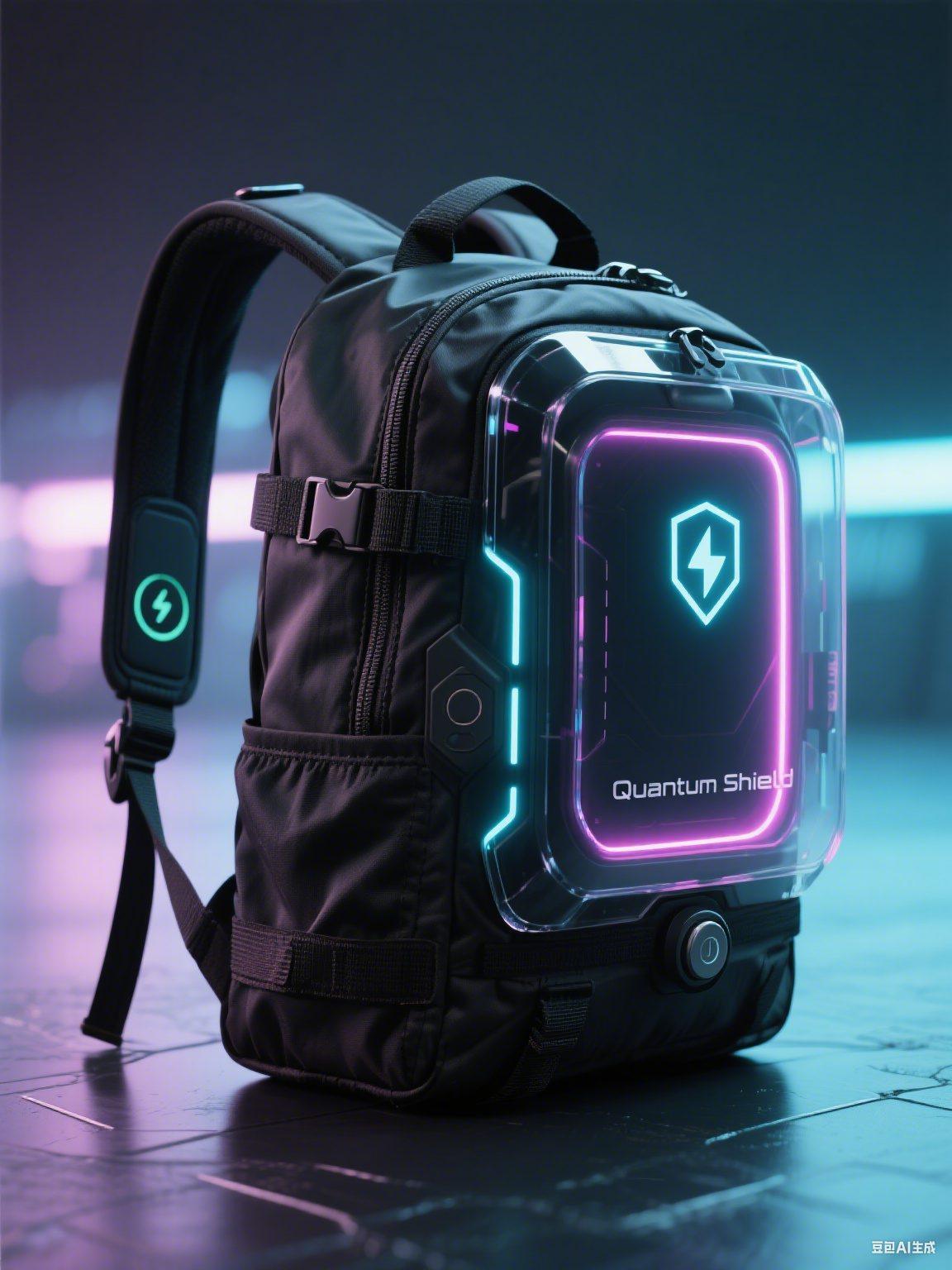
- Why stretch goals break production plans
- The governing rule: upgrade the trim, not the shell
- Colourway unlocks: the cheapest premium you can offer
- Hardware and trim upgrades
- Companion pieces: pouches, cubes and straps
- Print, embroidery and personalisation unlocks
- Packaging and unboxing unlocks
- What each unlock costs in lead time
- Costing the unlock before you publish it
- Sizing the unlock against the 500 pcs minimum
- Communicating an unlock without overpromising
- Turning stretch goals into re-orders
Why stretch goals break production plans
A stretch goal is published before it is engineered. That is the whole problem in one sentence. The campaign page goes live with a promise to unlock a new colourway, a new pocket or a new strap if funding passes a threshold, and nobody has yet written the specification, confirmed material availability, or checked whether the change needs new tooling. The unlock is then engineered in public, under time pressure, while backers count the days to the published delivery month.
Three failure modes account for most of the damage. New tooling: a custom zip puller or moulded buckle needs 15-20 days before the first unit can be sewn. New material: a custom-dyed or laminated fabric needs 15-25 days before cutting. New SKU: a structurally different bag is a second development programme, not an upgrade, and it needs its own sampling rounds and its own 500 pcs commitment.
The fix is to design stretch goals backwards from a shared bill of materials. Decide at specification stage which elements of the bag are fixed and which are variable, then publish only the variable ones as unlocks. A production partner can price a fixed shell with three variable trim options in one quotation cycle; they cannot price an unengineered second product in one cycle. The crowdfunding bag guide walks through this sequencing from the planning side, and the custom bag categories page shows which formats carry trim-based unlocks most easily.
Design the unlock ladder before the page is built, not during the campaign. A workable ladder has three rungs: a trim upgrade around 120-140% of target, a colourway unlock around 160-180%, and a companion piece or packaging upgrade beyond 200%. Each rung should be cheaper to deliver than it feels, which is what makes backers push for the next one. The ladder also forces you to confront quantity, because the higher rungs usually imply more units rather than simply more features.
- Minimum order quantity
- 500 pcs per style / colourway
- Sampling
- 6-10 working days (12-15 for complex builds)
- Bulk production
- 35-50 days after deposit + approved pre-production sample
- Inspection
- AQL 2.5 to ISO 2859-1
- Trade term
- FOB Xiamen
- Payment
- T/T 30/70
- Production floor
- 4,950 m² SGS-verified, 137 staff, 7 lines, 149 machines
- Monthly capacity
- 200,000 pcs per month
- Programme contact
- service@junyuanbags.com
Key takeaways on bag stretch goals
- Design every unlock against the original bill of materials before the page goes live.
- Colourway unlocks are the cheapest premium; new tooling is the most expensive.
- Price the unlock in the first RFQ so it is a confirmation rather than a new negotiation.
- A structural change is a second product and needs its own sampling and minimum quantity.
- Publish the delivery impact of each unlock alongside the unlock itself.
The governing rule: upgrade the trim, not the shell
The simplest test for any bag stretch goal is this: does it change the shell pattern? If the answer is yes, it is not an upgrade, it is a new style, and it carries a new development cycle and a new 500 pcs minimum. If the answer is no, it is a trim, colour, print or packaging change, and it can usually be absorbed into the existing production window with a small number of added days.
| Element | Fixed, do not unlock | Variable, safe to unlock |
|---|---|---|
| Shell pattern and panel count | Yes, changing it resets sampling | No |
| Base fabric construction | Yes | Colourway and print only |
| Lining fabric | Construction yes | Print or colourway yes |
| Hardware | Load-rated components yes | Finish, puller and logo badge yes |
| Webbing and strap width | Yes | Colour and weave pattern yes |
| Branding method | No, this is the main unlock lever | Yes |
| Retail packaging | No | Yes |
Ask whether the unlock can be produced on the same cutting markers and the same sewing jigs as the base reward. If it can, it is a trim change and probably costs 0-5 added days. If it cannot, it is a new style and costs a full sampling cycle plus its own minimum quantity.
Colourway unlocks: the cheapest premium you can offer
A second colourway is the most efficient stretch goal available on a sewn bag, because the shell pattern, markers, jigs and construction sequence are all unchanged. What changes is the fabric purchase order and the shade approval. Provided the colourway is a stock option from the mill, the added lead time can be as little as zero to five days, covering the additional shade check and the second material issue.
| Fabric route | Added working days | Added unit cost | Note |
|---|---|---|---|
| Stock colourway | 0-5 | None to very low | Shade check only; cheapest unlock |
| Stock base, custom dye lot | 15-25 | Low to moderate | Lab dip approval and dye lot minimum |
| Custom weave or laminate | 25-40 | Moderate to high | Treat as a new material, not an unlock |
| Contrast lining colourway | 3-7 | Low | High visual impact per unit of cost |
| Contrast webbing or binding | 2-5 | Very low | Cheapest visible differentiator |
- Confirm mill availability for each colourway before the unlock is published, not after it funds.
- Price all colourways in the original RFQ so a funded unlock is a confirmation, not a negotiation.
- Remember that 500 pcs applies per style and per colourway, so three colourways is 1,500 pcs.
- A contrast lining or binding often reads as premium at a fraction of a full colourway change.
- Photograph every colourway on a real sample before it appears as a pledge option.
Naming and photographing the colourway matters more than the fabric choice in many campaigns. Backers choose from images, and a colourway that photographs badly under campaign lighting underperforms no matter how good the material is in the hand. Ask for sample photography of every colourway under consistent lighting before the page is finalised, and use the same naming convention on the campaign page, the packing list and the unit barcodes so the fulfilment warehouse cannot mis-pick.
Hardware and trim upgrades
Hardware is the second most efficient unlock lever, with one important exception. Catalogue hardware in a different finish, such as antique brass, matte black or gunmetal, costs nothing in lead time and a small amount in unit cost, and it changes the perceived value of a reward bag more than most creators expect. Custom moulded hardware is the opposite: it needs tooling cut and trialled before the first unit is sewn, which is where 15-20 days disappear.
| Unlock | Added working days | Added unit cost | Buyer note |
|---|---|---|---|
| Catalogue puller in a new finish | 0-3 | Very low | Best value unlock available |
| Branded logo badge on puller | 5-10 | Low | Small tooling, reusable across re-orders |
| Custom moulded puller | 15-20 | Moderate | Only where it is front and centre |
| Upgraded zip gauge or brand | 0-5 | Low to moderate | Improves perceived durability |
| Contrast webbing or binding | 2-5 | Very low | High visual impact, low complexity |
| Metal feet or base studs | 3-7 | Low | Adds structure and a premium cue |
The reusable-tooling point is worth planning around. A branded puller badge or a logo mould costs money once and then works across every re-order, so it is a better investment on a programme you intend to repeat than on a one-off. Ask which tooling is reusable and get that confirmed in writing with the quotation, because it changes the economics of the unlock on the second and third run.
There is a trap in hardware upgrades worth naming: the visible component and the load-bearing component are not always the same part. A decorative puller can be swapped cheaply; the slider, the tape and the stop are what determine whether the zip survives a year of use. Upgrade the decorative part freely and be conservative with anything that carries load, because a hardware failure generates warranty claims long after the campaign has closed.
Companion pieces: pouches, cubes and straps
A companion piece is the classic crowdfunding stretch goal: a small second item that ships with the hero reward. It works commercially because it adds perceived value without changing the hero SKU. It works operationally only if the companion piece is simple, flat, and does not carry its own material risk. A flat zip pouch or a packing cube is a good companion. Anything structured, moulded or electronic is a second product in disguise.
| Companion piece | Production risk | Added unit cost | Why |
|---|---|---|---|
| Flat zip pouch | Low | Low | Few panels, flat fold, easy QC |
| Packing cube set | Low | Low to moderate | Reuses shell fabric, nests in the hero bag |
| Woven key strap or lanyard | Low | Very low | Minimal material, no pattern risk |
| Structured tech organiser | Moderate | Moderate | Needs internal structure and more operations |
| Moulded or hard-shell case | High | High | New tooling; treat as a second product |
- Choose companion pieces made from the same fabric family as the hero bag to consolidate the material order.
- Keep companion pieces flat-fold so they pack inside the hero bag and add no carton volume.
- Confirm the companion piece is quoted against its own 500 pcs minimum, or is negotiated as part of the same run.
- Avoid companion pieces that need their own certifications for the destination market.
- Bundle the companion piece as an add-on as well, so late backers can buy it separately.
The economics of a companion piece turn on the shared-material question. Where a pouch shares the hero bag's face fabric, the material purchase consolidates and the unit cost falls; where it needs its own fabric, lining and zip, it behaves like a separate style with its own 500 pcs minimum. Ask for the companion piece quoted both ways. In campaigns we support, the shared-fabric route is usually what makes a companion pouch viable at first-run volumes.
Print, embroidery and personalisation unlocks
Branding is the most flexible stretch goal because most of the cost sits in a screen, a tape or a die rather than in the bag itself. A second print colour, a liner print, an embroidered patch or an interior woven label can each be unlocked at low cost and low risk. Personalisation is the exception: individual names or initials change the packing line from a batch operation into a per-unit operation, and that has to be planned and priced separately before it appears on the page.
- Second or third print colour: low cost, needs a screen per colour and a first-off approval.
- All-over liner print: high visual impact, adds cost proportional to fabric area.
- Embroidered patch or badge: moderate cost, needs a tape and a placement jig.
- Interior woven label with a limited edition number: very low cost, strong exclusivity cue.
- Personalised initials: changes the packing line, so price the per-unit handling time.
Every branding unlock should carry a first-off approval gate. Before the run starts, one unit is decorated with the exact method, at final size, on the exact fabric, and photographed for written sign-off. This is where a placement error or a colour shift is caught on one unit rather than five hundred, and it is why the branding method belongs in the tech pack rather than in a late change request. Our print and embroidery page sets out the proofing sequence.
Packaging and unboxing unlocks
Packaging unlocks sit at the very low end of production risk because they are applied after the bag is finished. A printed polybag, a branded header card, a hangtag, a care card or a dust bag can each be added without touching the bag specification at all. The two constraints are minimum print quantities and the pack-out time each element adds at the bench, both of which are cheap to resolve if they are raised during the quotation cycle rather than after funding.
| Packaging unlock | Added working days | Key constraint | Note |
|---|---|---|---|
| Printed polybag | 5-12 | Film print minimum quantity | Also carries the suffocation warning |
| Branded hangtag | 7-14 | Card print minimum | Needs a string and attachment method |
| Header card | 7-14 | Card print minimum | Commonly used on retail packing |
| Care or story card | 3-7 | Very low | Cheapest narrative upgrade |
| Dust bag | 10-18 | Low to moderate | Strong premium cue on higher tiers |
Print minimum quantities are the part most creators miss. A printed polybag or a card is usually quoted against a minimum run that can exceed 500 pieces, so a 500 pcs bag order may leave surplus packing material or force a larger print quantity than the bag run needs. Ask for the print minimum alongside the unit cost, and decide whether the surplus is acceptable or whether a plain pack with a printed insert is the better route.
What each unlock costs in lead time
Unlock costs are additive and they do not all fall in the same place. Some add days before cutting, some add days in sewing, and some add days at packing. Understanding which stage absorbs the change is what lets you publish a delivery estimate you can actually hold. A colourway unlock lands in material procurement, a branding unlock lands in the decoration stage, and a packaging unlock lands entirely at packing, days 35-45 of the window.
- Material procurement, days 1-7: colourway unlocks and any non-stock fabric. Stock colourways add 0-5 days, custom dye lots 15-25 days.
- Tooling, before day 1: custom moulded hardware or a branded badge. Adds 15-20 days before sewing can begin.
- Cutting and panel prep, days 5-12: extra panels or additional materials on one shell. Adds 3-5 days.
- Decoration, days 8-20: additional print colours, liner prints, patches and labels. Adds 6-10 working days.
- Packing, days 35-45: printed polybags, cards, hangtags and dust bags. Adds 2-6 days once materials are in hand.
Where an unlock does require a new sample round, treat it as a fresh 6-10 working day cycle, or 12-15 for a complex build. The sample prototyping page sets out what to expect at each gate, including the measurements and photographs to capture so the approval is a single pass rather than a third round.
Any unlock requiring new tooling or a custom dye lot moves the published delivery month, because those days fall before the 35-50 day bulk window even starts. Trim, print and packaging unlocks usually do not, because they sit inside a window that is already booked. Publish the distinction on your campaign page.
Costing the unlock before you publish it
The most common commercial error on a campaign bag programme is publishing an unlock that has not been priced. The creator estimates a figure on the page, the unlock funds, and the real quotation arrives higher. That difference comes out of the reward margin, and it is rarely recoverable from backers. Every unlock should be quoted in the original RFQ cycle, before the page is published, with the quantity assumption stated.
| Line | Why it matters | How to state it |
|---|---|---|
| Added unit cost | Protects reward margin | Per unit, at 500 pcs and at the stretch quantity |
| Tooling or screen charge | One-off, may be reusable | Named amount, with reuse rights stated |
| Print or material minimum | Can exceed the bag quantity | Stated minimum quantity per element |
| Added lead time | Protects the delivery month | Added days and which stage absorbs them |
| Packing labour | Per-unit handling time | Seconds per unit, or included in packing line |
| Compliance impact | May need new documentation | Named standards affected |
State the quantity assumption explicitly, because unit cost moves with volume. An unlock priced at 500 pcs and an unlock priced at 2,000 pcs are different products commercially. If you expect the stretch goal to push the run past 1,000 units, ask for the volume pricing at both levels so the campaign forecast is built on the figure you will actually pay. The low minimum production page explains how minimums interact with re-order pricing.
Build the campaign budget from the landed cost per tier rather than from the unit cost alone. Landed cost is unit cost, plus packing, plus freight allocated per unit, plus a replacement buffer, plus platform and payment fees. An unlock that adds less than a dollar to the unit cost can add meaningfully more once freight and fees are applied, and that is the figure which decides whether the tier is worth publishing at all.
Sizing the unlock against the 500 pcs minimum
Every colourway is its own 500 pcs commitment. That single rule reshapes how stretch goals should be designed. A campaign that unlocks three colourways has not created one 500 pcs order with three options; it has created three orders of 500 pcs each, unless the run is negotiated as a single production with a colourway split. This is the most common place where a funded stretch goal turns into an inventory problem after fulfilment.
- Unlocked colourways: 500 pcs each, unless split within one run and agreed in writing.
- Companion pieces: their own 500 pcs minimum, or bundled into the hero run.
- Confirm whether a colourway split keeps unit cost flat or carries a split surcharge.
- Model the worst case, where every unlock funds and all minimums apply.
- Decide in advance where surplus inventory goes: re-order stock, retail, or a later campaign.
Work the minimum against the pledge forecast rather than the other way round. Estimate the realistic split between colourways from your pre-launch survey or from comparable campaigns, then check whether each colourway clears 500 pcs. Where one colourway is forecast well below the minimum, either drop it from the unlock list or accept the surplus as inventory for a later retail or re-order channel. Discovering this at planning stage is cheap; discovering it after funding is not.
Communicating an unlock without overpromising
Backers read an unlock as a promise about both the product and the date. The safest communication is specific and conditional: name what unlocks, at what funding level, for which tiers, and with what effect on delivery. Vague unlocks create expectations you then have to manage in public, and an ambiguous unlock is the usual origin of a dispute about whether a goal was actually met or which backers qualify.
- Name the unlock precisely: colourway name, hardware finish, or companion piece specification.
- State which pledge tiers the unlock applies to, and whether it is automatic or opt-in.
- Publish the delivery impact in days, or state clearly that there is none.
- Confirm whether the unlock applies to late pledges and to re-orders.
- Update the campaign page the moment a threshold is passed, not at the next scheduled update.
- Keep an image of the real unlocked unit rather than a render wherever one exists.
Turning stretch goals into re-orders
The unlock structure is also the re-order structure. A second colourway that funded well during the campaign is the obvious candidate for the first re-order, and the tooling paid for during the campaign, whether a branded badge, a screen or a patch tape, is already in hand. Creators who design stretch goals as a platform rather than as one-off promises get cheaper, faster second runs, because the second run repeats an engineered product instead of developing a fresh one.
To set that up, ask for the unlock pricing to be quoted as a standing schedule rather than a single figure: unit cost at 500, 1,000 and 2,000 pcs, tooling reuse confirmed in writing, and the sampling estimate for a repeat run, which is normally shorter than the original 6-10 working days because the pattern and jigs already exist. If you want the full structure, request a quotation with every unlock listed up front, and see the crowdfunding bag guide for the sequencing.
Finally, record what each unlock actually cost once the run is finished. The gap between the pre-campaign estimate and the final landed cost is the most useful number you will carry into a second campaign, and most creators never write it down. Keep the original RFQ, the final invoice, the inspection report and the packing list together as one programme file, and the next campaign starts with real data instead of guesses.
- Custom bags for Kickstarter campaigns
- Crowdfunding bag guide
- Print and embroidery for custom bags
- Material customisation for Kickstarter bags
- Low minimum bag production for creators
- Request a quotation
Design stretch goals that survive funding
List every stretch goal you are considering, with target quantities and your delivery month. As your production partner we will price each unlock, state the added days, and confirm which tooling is reusable on re-order. Write to service@junyuanbags.com or use the quotation form.
Frequently Asked Questions
What is the cheapest stretch goal for a bag campaign?
A second stock colourway, or a contrast lining, webbing or binding. These leave the shell pattern, cutting markers and sewing jigs untouched, so they typically add 0-5 working days and very little unit cost. Contrast trims give most of the visual impact of a full colourway change at a fraction of the complexity.
Does unlocking a new colourway create a new minimum order?
Yes, 500 pcs applies per style and per colourway, so three colourways is 1,500 pcs unless the run is negotiated as one production with a colourway split. Get the split and its pricing confirmed in writing before the unlock is published on your campaign page.
How many days does a custom zip puller add to a campaign?
Custom moulded hardware adds roughly 15-20 working days before sewing can begin, because tooling must be cut and trialled first. Catalogue hardware in a different finish adds 0-3 days. A branded logo badge on a stock puller sits in between at about 6-10 working days.
Can I offer personalised initials as a stretch goal?
Yes, but price it as a packing change rather than a product change. Personalisation converts the packing line from a batch operation into a per-unit operation, typically adding 20-40 seconds of handling to every one of your 500 units. Confirm the extra time and the reprint risk before publishing.
Should companion pouches have their own minimum quantity?
Usually yes: 500 pcs per style applies to the pouch as its own item. It can sometimes be negotiated into the hero run where it shares the same fabric and production window. Ask for both options in the RFQ so you can compare the unit costs side by side.
How do I price a stretch goal before the campaign launches?
Include every unlock in the original RFQ with its target quantity, then ask for the added unit cost, tooling or screen charges, print minimums and added lead time. An unlock priced at 500 pcs and the same unlock at 2,000 pcs are commercially different products.
What happens if a stretch goal funds after production starts?
It depends which stage absorbs the change. Trim, print and packaging unlocks can sometimes be added mid-run. Anything needing new tooling or a custom dye lot usually means a separate production window, its own 35-50 day cycle and its own 500 pcs minimum.
Is a limited edition label a safe stretch goal?
Yes, it is one of the safest. An interior woven label, a numbered patch or an embroidered badge applies to units already specified and sampled, so no pattern or tooling changes are needed. Budget roughly 0.10-0.30 USD per unit plus 6-10 working days for the label order.
Do packaging unlocks affect the delivery date?
Packaging unlocks affect the schedule less than product unlocks, because they are applied at packing, days 35-45 of the bulk window. Expect roughly 2-6 added days once printed material is in hand. The real risk is print minimum quantity, which can exceed a 500 pcs bag run.
How many stretch goals should a bag campaign publish?
Two to three well-engineered unlocks outperform five unpriced ones. Each adds a specification, a quotation line and a pack-out variation, and every variation is another chance for a packing or QC error. A workable ladder sits at roughly 120-140%, 160-180% and 200%+ of target.
Can stretch goals be reused as retail SKUs later?
Yes. A colourway or companion piece that funded well has a proven demand signal, an engineered specification and existing tooling, and re-ordering it skips most of the original sampling cycle. Ask for unit cost at 500, 1,000 and 2,000 pcs before you need it.
Does inspection cover unlocked variants separately?
It should. At AQL 2.5 to ISO 2859-1, sampling is drawn per lot, so treat each colourway or companion piece as its own lot. State this in the purchase order so the inspector draws samples across every variant rather than only the base style.
People Also Ask
Are stretch goals worth the production risk on a bag campaign?
Yes if they are trim, colour or packaging changes. They raise perceived value without changing the shell pattern. The risk appears when an unlock is really a second product, which brings its own sampling cycle and minimum quantity.
How early should I engineer my stretch goals?
Before the campaign page is published. Decide then which elements are fixed and which are variable, and get every variable priced in the first RFQ cycle. Unlocks engineered after funding are priced under pressure and usually cost more.
What is the safest limited edition idea for a reward bag?
A numbered interior woven label. It costs roughly 0.10-0.30 USD per unit, needs no new tooling or pattern change, applies to units that have already been sampled, and creates a genuine exclusivity cue that backers recognise on arrival.
Can I add a stretch goal colourway to a re-order?
Yes. If the colourway was unlocked and produced during the campaign, the pattern, jigs and tooling already exist, so a re-order is a confirmation rather than a new development. Ask for the standing price schedule at 500, 1,000 and 2,000 pcs when you place the first order.
Do stretch goals change my freight calculation?
Only if the unlock changes pack-out. A new colourway or label adds no volume, but a companion pouch adds unit volume and sometimes a second carton size. Recalculate cubic metres against your 500 pcs run before confirming any delivery date.