Pledge Tier Strategy Using Bag Rewards (Without Overcomplicating SKUs)
A bag reward ladder does not need more bags. It needs one hero construction and a short list of controlled upgrades. This article sets out how to build early bird, standard and premium tiers around 500 pcs per style and colourway, which upgrade levers add perceived value without adding a pattern, how colourway splits are committed before dye lots are planned, and where tier design quietly changes fulfilment cost. Standard sampling is 6-10 working days, complex builds 12-15, and production 35-50 days after deposit and approved pre-production sample.
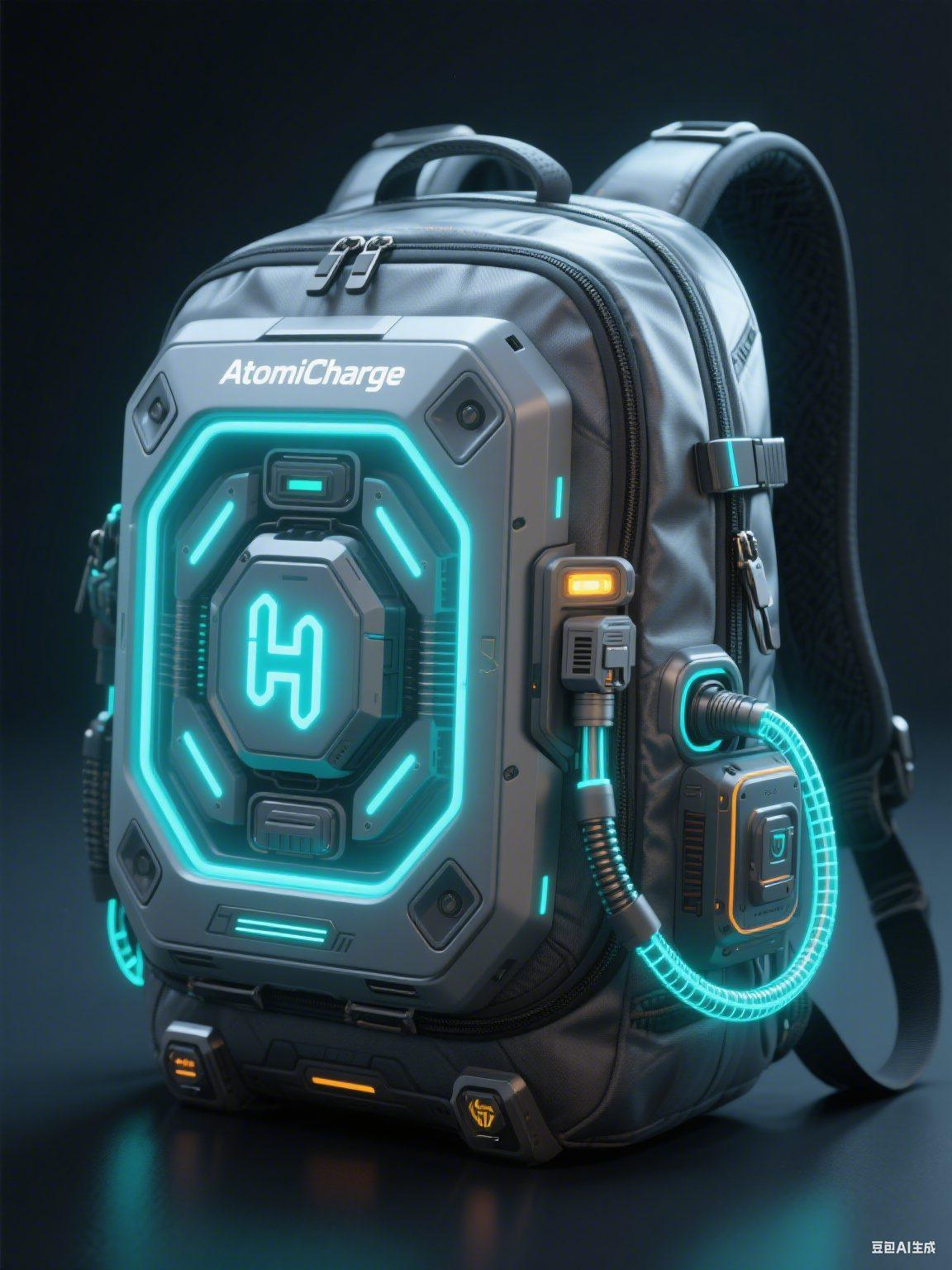
- Why SKU count is the hidden cost
- The one-hero-SKU rule
- Building the tier ladder
- Upgrade levers that add value
- Colourway strategy and MOQ maths
- Bundles, sets and companion pieces
- Packaging as a tier signal
- Matching bag types to categories
- Pricing the ladder for margin
- Fulfilment consequences
- Sampling gates between tiers
- Next steps
Why SKU count is the hidden cost
Most first-time creators assume the cost of a reward tier is the unit price. It is not. The real cost of adding a tier is the extra pattern, the extra sample round, the extra colour approval, the extra line item on the packing instruction, and the extra reference sample that QC has to hold against. A fourth bag SKU does not add 25% to the bill; it can add 25% to the calendar, because every variant needs its own confirmation before bulk is cut.
That is why the discipline is not "offer fewer rewards". It is "offer more perceived choice with fewer physical variants". Backers respond to a ladder they can read in five seconds: a cheaper early option, a clear standard, and something obviously better at the top. A ladder built from three constructions does that. A ladder built from three fabrics on one construction does it cheaper, faster and with far less QC risk.
The practical ceiling for a first run is three physical styles. Beyond that, pledge pages stop converting because the comparison becomes work, and packing lines stop being predictable because each additional style carries its own defect profile. Everything above three should be an upgrade lever, an add-on or a stretch unlock attached to something already tooled.
What one extra SKU actually costs
Count the calendar, not the invoice. A second construction needs its own pattern, its own sample round of 6-10 working days, its own print proof on the actual fabric, and its own golden reference held at inspection. If the two styles share no components, you also carry two hardware schedules and two trim approvals. On paper this is one line on a quote. In practice it is two to three weeks.
The downstream cost is larger. An extra style means an extra pick face in the warehouse, an extra row on the packing card, an extra defect profile for QC to learn, and an extra set of carton counts to reconcile against the packing list. Customs delays almost always begin with a count mismatch, and mismatch probability rises with the number of distinct items on the manifest.
The rule in one line
- O
- n
- e
- h
- e
- r
- o
- c
- o
- n
- s
- t
- r
- u
- c
- t
- i
- o
- n
- ,
- t
- h
- e
- n
- v
- a
- r
- i
- a
- n
- t
- s
- c
- r
- e
- a
- t
- e
- d
- b
- y
- c
- o
- l
- o
- u
- r
- w
- a
- y
- ,
- p
- r
- i
- n
- t
- ,
- t
- r
- i
- m
- a
- n
- d
- p
- a
- c
- k
- a
- g
- i
- n
- g
- .
- A
- d
- d
- a
- n
- e
- w
- p
- a
- t
- t
- e
- r
- n
- o
- n
- l
- y
- w
- h
- e
- n
- t
- h
- e
- p
- l
- e
- d
- g
- e
- g
- a
- p
- p
- a
- y
- s
- f
- o
- r
- t
- h
- e
- e
- x
- t
- r
- a
- s
- a
- m
- p
- l
- i
- n
- g
- r
- o
- u
- n
- d
- a
- n
- d
- t
- h
- e
- e
- x
- t
- r
- a
- 5
- 0
- 0
- p
- c
- s
- b
- l
- o
- c
- k
- .
The one-hero-SKU rule
The hero SKU is the bag that appears in the campaign video, on the reward image, and in the pledge manager as the default. It is specified first, sampled first and approved first. Every other tier is described as a modification of it, which means the pattern, the tooling and the QC reference are shared across the whole ladder. That sharing is what makes a four-tier page operationally identical to a one-tier page.
- Write the hero spec on one page: dimensions, main fabric, lining, hardware, print method and tolerance.
- Sample the hero first and photograph it before any variant is quoted. The photographs sell every tier.
- Define upgrades as deltas against the hero, so a change in one tier never silently changes another.
- Hold the hero as the golden reference. QC checks variants against it, not against a written description.
- Cap the first run at three physical styles, or four if one is a flat pouch with no hardware.
A useful test: if a backer asked what differs between two tiers, could you answer in one sentence that names a material or a component? If the answer requires explaining a new pattern, the tier is too expensive to run. Colourway, fabric weight, hardware finish, lining print and packaging are all one-sentence differences. A second size, a different silhouette or a new closure system are not.
Building the tier ladder
A bag ladder works because the product is familiar. Backers already understand the difference between a light tote and a heavy canvas tote, so the pledge gap does not need a paragraph of justification. The structure below is the one that shows up most often in funded bag campaigns: an early bird that buys urgency, a standard tier that carries volume, and a premium tier that uses a different material rather than a different pattern.
| Rung | What the backer receives | Typical pledge relationship | SKU impact |
|---|---|---|---|
| Early bird | Hero bag, standard colourway | Lowest 100-200 pledges only | No new SKU |
| Standard | Hero bag, chosen colourway | Baseline price | Colourway split only |
| Premium | Hero bag in heavier fabric plus branded hardware | Roughly 1.4-1.8x standard | Fabric plus trim change |
| Collector set | Premium bag plus companion pouch | Roughly 1.8-2.4x standard | One flat component |
Notice that only two of the four rungs touch the bill of materials. The early bird is a pricing device, not a product. The colourway choice is a planning device. The real specification work sits in the premium rung, and even that shares the hero pattern, so the cutting dies and the sewing instructions are unchanged. That is the whole trick: spend the specification budget once.
Tier maths before you publish: three colourways on one style is one pattern but three 500 pcs commitments unless the split is run in a single production. Confirm the split with your production partner before dye lots are planned, not after.
Upgrade levers that add value
An upgrade lever is any change that a backer can see or feel but that does not require a new pattern. Some levers are nearly free because they are decided at the printing stage. Others are worth the money because they photograph well. The table below ranks the common levers by what they actually change, so you can pick the ones that support a price increase instead of the ones that merely sound good in a campaign update.
| Lever | What visibly changes | Unit cost signal | Operational risk |
|---|---|---|---|
| Colourway unlock | Whole look of the bag | Very low | Low, but fixes the split |
| Extra print location | Second logo on pocket or strap | Low | Low |
| Woven label or patch | Brand marks inside and out | Low | Low |
| Branded webbing tape | Strap or handle identity | Medium | Low, needs tape lead time |
| Hardware upgrade | Metal pulls, D rings, buckles | Medium | Medium, confirm finish |
| Lining print | Hidden pattern revealed on opening | Medium | Medium, artwork registration |
| Fabric weight change | Hand feel and drape | High | Medium, re-sample required |
| New size or silhouette | Entirely different product | High | High, new pattern and sample |
The last two rows are the ones that quietly wreck a delivery estimate. A fabric weight change behaves like a new product even though it looks like a small edit, because the drape, the seam allowance and the print absorption all shift. A new size is unambiguously a new SKU. If a stretch goal depends on either, price the extra sampling round into the goal before it unlocks.
Colourway as the cheapest lever
Colourway is the only lever that changes the entire appearance of the reward without touching the pattern, the tooling or the sewing line. It is also the lever most often mishandled, because each colourway normally carries its own 500 pcs minimum. The fix is to treat colourway as a stretch unlock rather than a pledge-time choice: let backers vote with pledges, confirm demand, then commit the split in one production run. See the crowdfunding bag guide for how unlocks map onto the production calendar.
Colourway strategy and MOQ maths
MOQ is 500 pcs per style and colourway. That single sentence drives most of tier strategy. If you launch three colourways as pledge options, you are committing to roughly 1,500 units, and you must forecast the mix correctly before you know demand. If instead you launch one confirmed colourway and unlock two more, you commit 500 first, then re-weight the remaining 1,000 once the pledge data tells you what backers actually want.
| Colourways | Common starting split | Total commitment at MOQ | Risk profile |
|---|---|---|---|
| One | 100% | 500 pcs | Lowest risk, weakest page |
| Two | 60 / 40 | 1,000 pcs | Manageable, standard choice |
| Three | 50 / 30 / 20 | 1,500 pcs | Needs real demand signal |
| Four | 40 / 25 / 20 / 15 | 2,000 pcs | Only after a funded track record |
The split is not fixed until bulk is scheduled. Most programmes confirm a provisional ratio when the purchase order is raised, then adjust it during the survey window before fabric is dyed. That window is the last point at which changing the mix is free. Once dye lots are planned, a change is either a surcharge or a delay, and with 35-50 day bulk production, a delay is the more expensive of the two.
Bundles, sets and companion pieces
Bundles are how a bag ladder reaches a higher average pledge without a higher unit cost. A companion pouch, a cable organiser or a flat packing cube all use material that would otherwise be waste, pack flat, and add very little to volumetric weight. The key is to kit them at origin rather than at the fulfilment warehouse, so the bundle arrives as one scannable unit.
- Give every component its own part code and print it on the packing card, even when the bundle is pre-kitted.
- Kit bundles at the production site and scan each kit, so a missing component is caught before cartons close.
- Size the bundle to the carton: a pouch added to a folded tote should not push the carton into a higher volumetric bracket.
- Describe the bundle in pledge terms as a set, not as a list of parts, or the perceived value drops.
- Keep bundle components free of new hardware, so no extra tooling or metal compliance work is triggered.
Pre-kitting also simplifies the packing SOP described in crowdfunding rewards fulfilment. One scanned unit, one polybag, one carton label. Compare that with a warehouse kitting operation where a picker assembles three components per order: the second route can easily cost three to four times more per parcel in labour and error handling, and error handling is the part that generates backer messages.
A second structural question decides how many styles the page can carry: do the tiers share a production window? If the premium rung uses a fabric that has to be dyed to order, its lead time is set by the dye house, not by the sewing line, and it may not land in the same container as the standard rung. Splitting a shipment across two containers changes freight cost, customs paperwork and the delivery date promised to backers. Where a material has a long lead time, either confirm it before the page goes live or design the rung around a stocked fabric.
Packaging as a tier signal
Packaging is the cheapest place to create a visible difference between a standard tier and a premium tier. The standard tier ships in a plain polybag inside the master carton. The premium tier ships in a printed sleeve or a recyclable paper wrap with a care card. The bag inside is the same pattern; the arrival experience is not. Because the packaging decision is made after the bag is specified, it can also be changed late without disturbing production.
The operational warning is dimensional. A printed sleeve adds 2-4 mm per side, which sounds trivial until it changes the packing count per carton. Confirm the packed dimensions of the premium tier separately from the standard tier, and re-run the volumetric weight calculation before you commit to a shipping quote. Full specification guidance sits in the QA and QC page.
Packaging is also the last point at which a rung can be upgraded cheaply. A printed sleeve, a care card and a recyclable mailer can be specified after the bag is approved, which makes packaging the natural reward for a late stretch goal. Build the artwork at the same time as the bag print proofs so the two share a colour reference, and confirm the packed dimensions in the sampling round rather than on a calculator.
The most common tier design failure is a stretch goal that needs a new pattern or a new mould. It is announced at 150% funded, sampling restarts, and the 35-50 day production window moves. Tie every unlock to an existing tool.
Matching bag types to categories
Not every bag works as a reward for every campaign. The right match is the one that makes the reward feel inevitable rather than attached: a tote for a print or publishing project, a tech organiser for a hardware project, a gym or duffel bag for a fitness product. Backers read the match as evidence that the creator understands the product, which is a conversion argument, not a sourcing one.
| Campaign category | Bag type that fits | Why the match works |
|---|---|---|
| Print, zine, publishing | Flat tote | Carries the thing being funded, doubles as merchandise |
| Hardware, EDC, tech | Tech organiser or sling | Holds cables and accessories the product needs |
| Fitness, outdoor | Gym bag or duffel | Used in the same context as the product |
| Travel, photography | Packing cube set or backpack | Extends the travel system being funded |
| Beauty, skincare | Cosmetic bag | Sized to the product range, giftable |
Once the category match is made, the construction choice follows. Browse the custom bag categories to see which silhouettes are already tooled, then review material customisation and print and embroidery options before you price the rungs. Where a project funds a backpack or a duffel, the bag manufacturing for campaign creators page sets out how the construction decisions interact with lead time.
Ladder economics at a glance
Pricing the ladder for margin
Price the ladder from the bottom up, not from the top down. Start with the landed unit cost of the hero bag at the volume you actually expect, add the per-parcel fulfilment cost, add the platform fee and the payment processing fee, then add the replacement buffer. Whatever is left is the margin. Only after that do you decide whether the premium rung can carry a higher price without a proportional cost increase.
Two numbers catch creators out. The first is volumetric weight: a bulky but light bag can cost more to ship than a denser reward. The second is the replacement buffer: budget 2-3% per style, rounded up to the nearest 25 pcs, because damaged and missing parcels are a certainty, not a risk. On a 500 pcs style that is roughly 15 units held back from the pickable quantity.
The premium rung is where margin is actually made. Fabric and hardware upgrades on a 500 pcs run usually cost a small fraction of the price increase they justify, particularly when the pattern is shared. A heavier canvas with branded hardware reads as a different product in photographs, and backers evaluate the rung against the photograph, not against the bill of materials.
One more cost sits outside both the unit price and the freight quote: the support load. Every additional variant is another question backers ask in the survey, another thing that can be mis-picked, and another exchange request. Programmes that run four or more physical styles typically see a noticeably higher message volume per hundred backers than programmes that run one hero with colourway unlocks. That support time is real money, and it lands during the weeks when the team is least able to absorb it.
Fulfilment consequences
Every tier decision lands somewhere on the packing line. Colourway splits determine how many pick faces the warehouse needs. Bundle logic determines whether an order is one scan or three. Packaging determines carton count and volumetric weight. None of these show up in the unit price, which is exactly why they are the usual source of a blown fulfilment budget.
- Three colourways means three pick faces and three chances to pick the wrong one; label each with a distinct part code.
- Pre-kitted bundles remove per-order assembly and cut pick error rates substantially on multi-component rewards.
- Confirm packed dimensions for every rung separately; a 3 mm sleeve can change the per-carton count.
- Keep the packing instruction to one page with photographs of each rung, printed at the packing station.
- Reconcile carton counts against the packing list before the truck leaves; customs delays usually start with a count mismatch.
The survey is the other place where tier design either pays off or leaks money. If the survey asks backers to choose colourway, size and print option separately, the number of fulfilment combinations multiplies and the pledge manager export stops mapping cleanly onto part codes. If instead each pledge tier already resolves to a single part code, the export becomes a pick list with no interpretation required. Design the ladder so that a backer's pledge level, not a survey configuration exercise, determines the physical item.
The cleanest way to hold all of this together is to freeze a one-page tier matrix before launch: one row per rung, columns for construction, fabric, print, packaging, part code and packed dimensions. It becomes the RFQ, the packing instruction and the QC reference at the same time. Programmes that carry a matrix from day one rarely need a re-quote, because nobody is guessing what tier two was supposed to be.
Sampling gates between tiers
Sampling is where a tier ladder either holds together or drifts. The rule is one variable per round. If you change fabric, hardware and print in the same sample, and the result disappoints, you cannot tell which change caused it. Sequence the rounds so each one answers a single question, and you will finish in the same calendar time with far less risk of a second full round.
- Round one: approve the hero construction, dimensions and pattern. Photograph it for the campaign page.
- Round two: approve print placement and colour on the exact production fabric, not on a substitute.
- Round three: approve the premium rung's fabric weight, hardware finish and any lining print.
- Gate: confirm the pre-production sample, built on bulk materials with bulk tooling, against the golden reference.
- Freeze: issue the approved PPS as the QC reference and hold it at the inspection site.
Standard sampling runs 6-10 working days per round, and 12-15 for complex builds with custom hardware or lining. Three sequential rounds therefore sit inside a 4-6 week window, which is one reason to start sampling before the campaign closes rather than after. Details of the gate sequence are set out on the sampling and prototyping page, and the approval checklist is covered in the PPS article on this blog.
Next steps
Start with the category match, write the hero spec on one page, and only then decide how many rungs the ladder needs. If you are working inside a 500 pcs first run, the answer is usually three physical styles plus two unlockable colourways. Confirm the colourway split before dye lots are planned, kit any bundles at origin, and freeze the tier matrix before the page goes live.
Send the tier ladder, target quantities and campaign dates to service@junyuanbags.com and we will come back with a spec pack, sampling schedule and unit costs at 500 pcs per style.
Frequently Asked Questions
How many bag SKUs should a first-time Kickstarter campaign run?
Three is the practical ceiling: one hero construction, then two variants created by colourway, trim or print rather than by a new pattern. Each extra pattern adds another 500 pcs commitment, another sampling round and another QC reference. Three keeps the packing line simple and keeps the pledge page readable.
What is the minimum order quantity for a bag reward tier?
MOQ is 500 pcs per style and colourway. That means a hero tote in three colours is three separate 500 pcs commitments unless the run is combined in a single production. Plan tiers around whole 500 pcs blocks and use colourway unlocks to reach them rather than launching four thin variants at once.
How long does it take to produce bag rewards after a campaign closes?
production 35-50 days after the deposit clears and the pre-production sample is approved. Add 6-10 working days for standard sampling, or 12-15 for complex builds, plus ocean transit from FOB Xiamen. Build a 2-3 week buffer before you publish a delivery date on the page.
Can I offer the same bag in two sizes as separate pledge tiers?
Yes, but each size needs its own pattern, its own sample and its own 500 pcs block. Sizing is the most expensive kind of tier upgrade. If the pledge gap between the two tiers is under roughly 15 USD, use a print or trim upgrade instead and keep the pattern count at one.
Should early bird tiers receive a different bag or the same one?
The same bag, differentiated by price timing and by an add-on credit rather than by construction. Cap the early bird at 100-200 pledges so scarcity is real, then let later backers buy the difference as an add-on. If you want a visible difference, add a woven label, which needs no new pattern.
How do stretch goals change bag SKU planning?
Stretch goals are where SKU counts quietly double. Each unlock should land inside the same 500 pcs style: a new colourway, an extra print colour, a lining swap or a detachable strap. Avoid unlocks that require a new mould, a new pattern or a new hardware die, because those restart sampling.
Which upgrade lever gives the biggest perceived value at 500 pcs?
Hardware and edge finishing. A metal zipper pull, a branded webbing tape or a bound internal seam reads as premium in photographs, and at 500 pcs the incremental unit cost is usually a small fraction of the tier price increase. Colourway is cheaper still, but it does not change the hand.
How should colourways be split across a 500 pcs MOQ?
Most programmes start at 60/40 across two colourways, or 50/30/20 across three, then re-weight after the first week of pledges. Confirm the split with your production partner before bulk is cut, because dye lot planning happens against the confirmed ratio and changes after that carry a surcharge.
Do bundles increase the risk of shipping errors?
Bundles do raise pick error rates, so label each component with its own part code and pack a single packing card listing every item. A pre-kitted bundle with a scan check at the production site removes most of the risk, and most of the errors that remain appear in the first 50 parcels.
What is the difference between an add-on and a pledge tier?
A tier is chosen at pledge time and drives the reward matrix. An add-on is selected during the post-campaign survey, which typically closes 2-3 weeks after funding, and ships with the main reward. Add-ons that reuse an existing style carry no extra MOQ risk, which is why bags work well as add-ons.
When should bag specifications be frozen relative to launch?
Freeze the printed specification at least 2 weeks before launch so the campaign page, the sample photographs and the RFQ all describe the same bag. Changing a specification mid-campaign forces a re-quote and usually pushes the production slot back by 1-3 weeks, which is longer than the delay the change was meant to avoid.
How much buffer stock should a campaign hold per tier?
Hold 2-3% per style for damage and replacement, rounded up to the nearest 25 pcs. On a 500 pcs style that is roughly 15 units. Replacement parcels sent from a regional warehouse arrive in 2-3 days rather than several weeks from origin, which is the difference between a solved ticket and a public complaint.
People Also Ask
How many pledge tiers should a bag campaign offer?
Three or four. One more tier usually means one more reward to source, pack and support. Bag campaigns convert best with a clear early bird, a standard tier and one premium tier built from upgrades such as heavier fabric or branded hardware rather than a new pattern.
Are bag add-ons worth adding after funding?
Yes, because a bag that reuses an existing style adds revenue without a new 500 pcs commitment. Bags are light, pack flat and carry high perceived value, so the incremental shipping cost per unit is usually low, and the add-on can be picked during the post-campaign survey.
What makes a premium bag tier feel premium?
Heavier fabric, branded hardware and finished internal seams. A 12 oz canvas build with a metal pull and bound seams photographs as a different product from an 8 oz version, even when the pattern and the logo artwork are identical, which is why it supports a higher pledge.
Should colourways be pledge tiers or stretch goals?
Stretch goals. A colourway chosen at pledge time splits the order and forces you to forecast the mix before you have demand data. Unlocked colourways let you confirm demand first, then re-weight the 500 pcs split before dye lots are planned against a confirmed ratio.
How do I keep SKUs under control during a campaign?
Freeze the specification before launch, tie every stretch goal to an existing tool, and reject any unlock that needs a new pattern or mould. One construction with controlled variants keeps sampling, QC and packing on a single reference throughout the run.