Bag Production Partner Onboarding: Tech Pack, Timeline and Milestones
Onboarding is the stretch between agreeing to work together and releasing bulk, and it is where most campaign bag programmes quietly lose three weeks. This article sets out the five stages, the documents that change hands at each, the nine milestone dates worth writing down, and the change control rule that stops a small revision from becoming a week. It is built around the timings we work to: 6-10 working days per sampling round, 12-15 on a complex construction, 35-50 days bulk, 500 pcs per style and colourway, AQL 2.5 to ISO 2859-1, FOB Xiamen.
- What onboarding is and why campaigns need it
- Stage one: the information pack
- Stage two: the kickoff call
- Stage three: specification freeze and revision control
- Stage four: sampling and the approval gate
- Stage five: pre-production sample and bulk release
- The milestone calendar: nine dates
- Change control and what a revision costs
- Communication governance
- Onboarding checklist and failure points
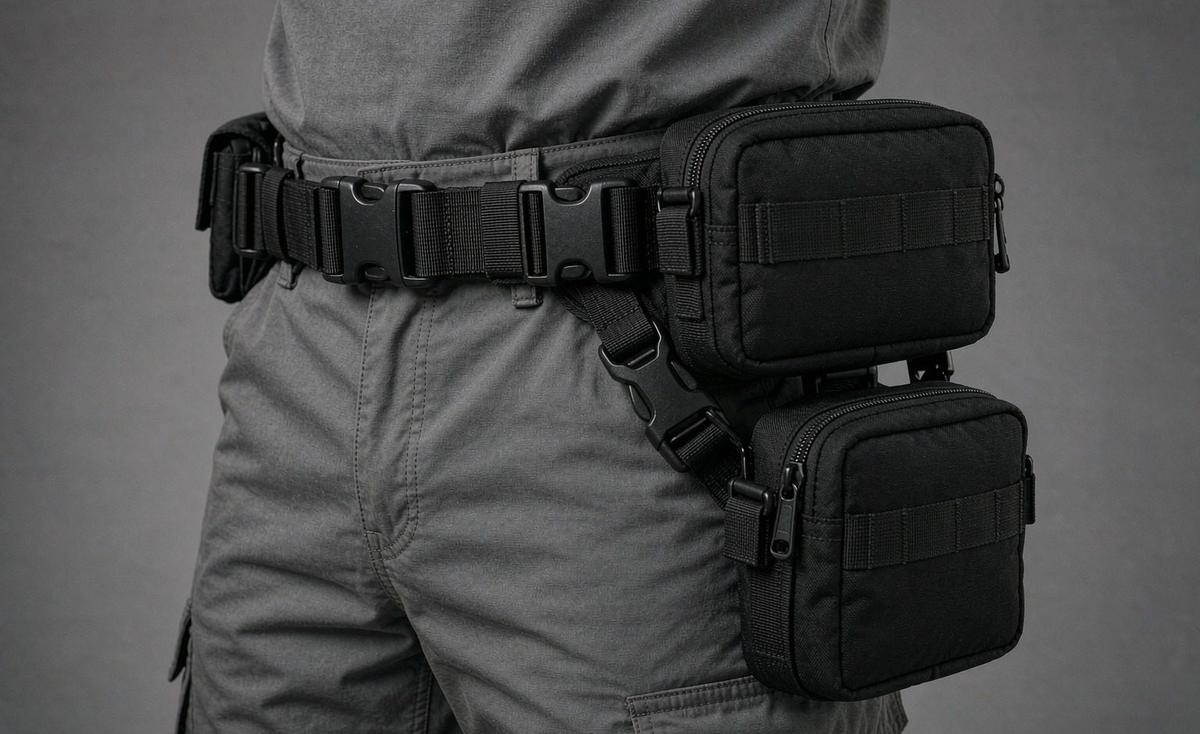
Onboarding is the stretch between agreeing to work together and releasing bulk production, and it is where most campaign bag programmes quietly lose three weeks. Not through any single failure, but through a hundred small ones: a dimension nobody confirmed, a colour approved from a screen, a revision sent as three separate emails on three separate days. This article sets out the five stages of a clean onboarding, the document that changes hands at each, the nine milestone dates worth writing down, and the change control rule that keeps a small revision from costing a week. If you have not yet built the pack itself, read the tech pack guide first, then come back for the sequence.
What onboarding is and why campaigns need it
Onboarding is the process of transferring your intent into someone else's production system. That system has a pattern maker who needs flat views, a material buyer who needs references and quantities, a line supervisor who needs an operations sequence, and a planner who needs a date. Each of them needs a different piece of information, and onboarding is simply the structured way of making sure each one gets theirs before the clock starts rather than during it.
Campaign creators need this more than retail buyers do, for one specific reason: there is no second run. A retail buyer treats the first production run as a test and adjusts on the reorder. A creator has one shot at five hundred or five thousand units that are already promised to named backers, with a public comment thread measuring the result. That asymmetry means the cost of an onboarding mistake is not a discount, it is the campaign.
The good news is that onboarding is almost entirely predictable. The same five stages appear on every well run programme, the same documents change hands at each, and the same handful of failure points accounts for nearly all the delay. Treat it as a process with gates rather than as a conversation, and most of the risk disappears. Our bag manufacturing guide for campaign creators frames this in the wider sourcing context.
- Stage one: you send an information pack that answers every question a planner will ask
- Stage two: a kickoff call resolves what the pack could not, on a recorded agenda
- Stage three: the specification is frozen and revision control begins
- Stage four: sampling runs in rounds until an approval gate is passed
- Stage five: a pre-production sample on bulk materials releases the bulk order
Stage one: the information pack
Stage one is a document transfer and it is entirely under your control. The pack has five elements: a flat technical drawing with millimetre dimensions, a material and hardware specification by reference, a decoration specification with artwork and placement coordinates, a quantity breakdown by style and colourway, and a target delivery month with the destination market. Send all five at once, because anything missing becomes a question, and questions arrive one at a time.
| Element | Who needs it | Failure if missing |
|---|---|---|
| Flat drawing with dimensions | Pattern maker | Panels cut to a guess, second sampling round |
| Material and hardware by reference | Material buyer | Wrong shade or gauge discovered in bulk |
| Artwork with placement coordinates | Printing operator | Logo position argued after sampling |
| Quantity by style and colourway | Planner | No line slot, or a quote that does not hold |
| Target month and destination | Programme coordinator | Compliance or freight discovered too late |
Quantity deserves its own note because it is the most commonly omitted field and the one that blocks a quotation fastest. State it as 500 pcs per style and colourway at minimum, broken out by SKU. A request for 1,500 backpacks and a request for 1,500 backpacks in three colourways of 500 are not the same order to a planner: the second has three times the line setups, three material call offs, and a different inspection sampling plan.
Also state what you do not know. A line that reads webbing width to be confirmed, target 25 millimetres is far more useful than silence, because it lets the planner make an assumption and flag it. Silence means they assume something and do not flag it, and you find out on the sample. If you need a fill in version, the 30 field RFQ template is built for exactly this.
Stage two: the kickoff call
The kickoff call is not a courtesy, it is a working session with an agenda, and it should be booked after the pack has been read rather than before it is sent. Sixty minutes is usually enough. The goal is not to build rapport, it is to close every open item in one pass so that sampling can start with a complete instruction.
- Confirm quantities by SKU and colourway, and the target delivery month
- Walk the drawing panel by panel and confirm every dimension that is missing
- Confirm each material by reference, or agree a substitute with the same specification
- Agree the sampling plan: how many rounds are expected and what each round costs
- Confirm the decoration method, placement coordinates and colour standard
- Agree the inspection standard and the rework path if a batch fails
- Confirm the milestone dates and who owns each one
- Agree the communication cadence and the single point of contact on each side
Two habits make this call worth the hour. First, send the agenda in advance and ask for the open items to be listed before the call, so the time is spent deciding rather than discovering. Second, write the minutes the same day and send them for confirmation. Minutes do not need to be formal; a list of decisions in an email is enough, and it becomes the reference document that settles the argument three weeks later about whether 210 millimetres was confirmed.
One item on that list is worth defending specifically: the sampling plan. Ask how many rounds they expect and what a round costs and takes. The standard answer is 6-10 working days per round on a standard construction and 12-15 on a complex one with custom hardware or moulded parts. Knowing that number up front lets you decide whether to consolidate your feedback into one revision or accept that a second round is coming.
Stage three: specification freeze and revision control
A specification freeze is the moment the drawing and materials stop changing so that a pattern can be made. It does not mean the design can never change again; it means that after this point, every change is a revision with a number, a date and a cost in days, rather than a casual request in an email thread.
Revision control is simple to run and almost nobody runs it. Give every drawing revision a number and a date in the title block. Keep a revision log listing what changed, why, and what it affects. Send one consolidated revision per round rather than five separate notes, because five notes arriving on five days means five restarts of the same pattern work, and each restart is billed in days rather than hours.
- Revision format
- Number and date in the drawing title block
- Revision log
- What changed, why, and what it affects
- Consolidation rule
- One revision list per sampling round, never drip fed
- Effect on schedule
- Changes after freeze move the delivery date by written agreement
- Reference sample
- Signed and dated, held for the whole programme
The commercial version of this is a clause in the order confirmation: changes requested after pre-production sample approval move the delivery date by written agreement. That clause protects both sides. It stops you from being charged for a delay caused by a late idea, and it stops the partner from absorbing a change silently and then missing the date anyway without telling you why.
There is one legitimate exception worth building in. Changes that improve manufacturability, such as a seam allowance increase or a reinforcement added at a load point, should be fast tracked and usually should not cost days. Ask your counterpart to propose these proactively during sampling; a partner who does is showing you the difference between taking an order and running a programme.

Stage four: sampling and the approval gate
Sampling is where the drawing becomes an object, and it is the stage where most onboarding time is actually spent. Expect one round on a simple tote and two on a backpack with dividers. The single biggest lever you have on sampling duration is consolidation: gather every comment from every reviewer into one list before sending it back, because a comment sent on Thursday after the list went on Monday means the pattern maker starts twice.
Evaluate the sample against a written checklist rather than a reaction. Lay it flat and check symmetry, turn it inside out and read the seam allowances, load it with the weight it will carry and hang it for an hour, run every zip twenty times, pull every strap root hard, and check colour against the approved swatch under the same light you will photograph in. That sequence is set out in full in our sample approval guide.
- Dimensions against the drawing, measured on a flat table rather than by eye
- Panel symmetry left to right, checked at the seams and at pocket placement
- Stitch density at 7 to 9 per inch, with bar tacks at every load point
- Colour against the approved Pantone reference or physical swatch, not against a screen
- Hardware function: every zip, buckle, snap and magnet operated repeatedly
- Decoration registration within tolerance and position against the stated coordinates
The approval gate is the point at which you say, in writing, that this sample is the reference for bulk. Do it explicitly: approve the sample by name, date the approval, and ask for that unit to be retained and marked. A signed reference sample is the single most useful object in a quality dispute, because it converts every later argument from an opinion into a comparison.
If the sample fails, resist the temptation to approve with comments attached. An approval with conditions is not an approval; it is a request for another round that has not been scheduled. Either approve it and accept the listed imperfections, or reject it with a consolidated revision and reset the clock knowingly. What costs the most is the middle path, where nobody is sure whether production can start.
Stage five: pre-production sample and bulk release
A pre-production sample, sometimes called a PPS, is a unit built on the bulk line using bulk materials, after the patterns are finalised. It is different from a sales sample or a prototype, and on a first run of a new construction it is worth insisting on. The reason is that the bulk line behaves differently from the sample room: different machines, different operators, different tempo, and faults that exist only at speed.
Ask three questions about the PPS. Will it be built on the production line rather than in the sample room? Will it use the actual bulk fabric and hardware rather than substitutes? Will it be retained as the reference for the inspection? A yes to all three is what makes the unit worth the days it costs, and our pre-production sample guide explains when to insist on one and when it is overkill.
Bulk release is then a short list of conditions, and they should all be written into the order confirmation: approved pre-production sample held and marked, bulk materials in house and confirmed by count, line slot booked with a date, deposit cleared, and inspection standard agreed at AQL 2.5 under ISO 2859-1 with a named rework path. When all five are true, the 35-50 day bulk window starts and means something.
One detail that saves arguments later: ask for a material count confirmation rather than a material promise. In house can mean the fabric is on the floor or it can mean the fabric has been ordered. The difference is anywhere from three days to three weeks, and it is the most common cause of a bulk window that starts late without anyone having technically lied about it.
The milestone calendar: nine dates
A programme with named dates behaves differently from one with intentions. Write these nine down in one table, circulate it, and review it on every call. Each has an owner, and the owner is not always you.
| Milestone | Owner | Exit condition |
|---|---|---|
| Information pack sent | Creator | All five elements delivered, open items listed |
| Kickoff call held | Both | Minutes circulated and confirmed same day |
| Specification frozen | Both | Revision numbering begins |
| Sample round one received | Partner | 6-10 working days, 12-15 complex |
| Consolidated revision sent | Creator | One list, all reviewers, sent once |
| Sample approved in writing | Creator | Dated approval, reference unit retained |
| Pre-production sample approved | Both | Built on bulk line with bulk materials |
| Deposit cleared, materials in house | Both | Line slot booked with a date |
| Inspection passed and balance released | Both | AQL 2.5 report issued before invoice |
Notice that several of these are yours rather than theirs. Creators who track only the partner's dates end up blaming the workshop for a schedule they themselves slipped, and the most common self inflicted slip is the consolidated revision. A week spent gathering feedback from a co founder, a designer and a backer survey is a week that looks like nothing on your side and like silence on theirs.
Review the calendar at a fixed cadence rather than when something feels wrong. A fifteen minute weekly check with the same five questions, are we on the current milestone, what blocks the next one, who owns it, what date did it move to, and what did we decide last week, catches drift while it is still a day rather than a week.
Change control and what a revision costs
Every change has a price in days and most creators only discover the price after agreeing to the change. The useful mental model is that a change costs differently depending on when it is made, and the cost curve is steep rather than flat.
| Change made during | Typical cost | Why |
|---|---|---|
| Quotation stage | Zero days, possibly a price change | Nothing has been cut or ordered |
| First sampling round | Adds 2-4 days to that round | Pattern adjustment, re-cut of parts |
| Second sampling round | Adds 6-10 days | A full further round is triggered |
| After PPS approval | Adds days plus material risk | Bulk materials may already be committed |
| During bulk production | Adds weeks, or is refused | Rework or scrap on finished units |
Read that table and the rule writes itself: make changes early and make them all at once. A change to webbing width costs nothing at quotation stage and costs a full sampling round after sample approval. This is not an argument against changing your mind; it is an argument for deciding before the pattern is cut rather than after.
There is a second cost that is easy to miss. A change that affects a purchased material can strand it. Fabric dyed to a specific shade, webbing woven to a specific width, or a mould cut for a custom puller all become unusable if the specification moves, and that cost lands somewhere in the relationship. If a change is genuinely necessary, ask what it strands, because knowing that number changes how necessary it feels.
The practical tool is a change request line in your emails: state the change, the reason, what it affects, and ask for the cost in days before approving it. Four sentences, and it converts an informal request into a decision with a price, which is exactly what stops small changes from quietly accumulating into a missed launch window.
Communication governance
Governance sounds like a corporate word for something simple: who talks to whom, how often, and what happens when something goes wrong. On a cross border programme with a time difference, these three answers determine how quickly problems surface, and speed of surfacing is most of what determines whether a problem stays small.
- One named point of contact on each side, with a named backup for holidays
- A fixed weekly update on the same day and hour, even when there is nothing to report
- One channel for decisions, ideally email, so that history is searchable
- A stated response window, typically one working day, acknowledged in both directions
- An escalation name and route, used when the response window is missed twice
The weekly update is the highest value item on that list and the one most often dropped. A three line message, current milestone, next milestone, nothing blocking, sent on the same day every week, does two things. It creates a rhythm where bad news has a scheduled place to appear, and it makes silence visible, because a missing weekly update is itself a signal worth acting on.
Time zone maths deserves a line of its own. If you are in North America and the floor is in China, your working days barely overlap. The practical fix is to send questions as a numbered list at your end of day so they arrive at the start of theirs, and to expect answers while you sleep. Our timezone communication guide covers the routines that make this work, including how to write a question so it can be answered yes or no.
Finally, decide where decisions live. Chat is fast and terrible as a record. Use it for quick clarifications and then move anything that affects cost, specification or schedule into email or the shared document, with a sentence confirming what was agreed. When a dispute arises months later, the side with the cleanest written record wins it, and building that record costs nothing while you go.
Onboarding checklist and failure points
Here is the whole sequence as a checklist, followed by the failure points that account for most lost time. Pin it next to the milestone calendar and work through it in order.
- Send the information pack with all five elements and a list of open items
- Hold the kickoff call on a pre circulated agenda and circulate minutes the same day
- Freeze the specification, start revision numbering, open the revision log
- Run sampling rounds with one consolidated revision per round
- Evaluate the sample against a written checklist, not a reaction
- Approve in writing, dated, and retain the reference unit
- Request a pre-production sample built on the bulk line with bulk materials
- Confirm deposit cleared and materials physically in house before the bulk window starts
- Book the line slot with a date and hold the milestone calendar weekly
And the failure points, in the order we see them most often. Feedback sent in drips rather than one list. Colour approved from a screen. Quantity given as a total rather than by colourway. A sample approved with conditions attached. Materials assumed in house rather than counted. A revision that strands a purchased material. And last, the one that costs the most: no written record of what was agreed, so every disagreement becomes a memory contest.
Consolidate your feedback into one list, freeze the specification once, and write down what was agreed the same day. Those three habits are most of onboarding.
Want your onboarding reviewed before it starts? Send your drawing, quantity by colourway and launch month to the contact quotation form or service@junyuanbags.com and a campaign bag specialist will send back the milestone calendar with owners filled in.
Frequently Asked Questions
What does onboarding a bag production partner involve?
Five stages: sending an information pack, holding a kickoff call with minutes, freezing the specification and starting revision control, running sampling rounds to an approval gate, and releasing bulk on an approved pre-production sample.
How long does onboarding take before bulk starts?
Typically four to eight weeks, dominated by sampling at 6-10 working days per round, or 12-15 on a complex construction. Most backpacks need two rounds, so plan for that rather than one.
What is a specification freeze?
The point at which the drawing and materials stop changing informally so a pattern can be made. After it, every change is a numbered revision with a stated cost in days rather than a casual request.
Why should feedback be consolidated into one list?
Because each separate note restarts the same pattern work. Five comments sent on five days means five restarts, and each restart is billed in days. One list means one revision round.
What is a pre-production sample?
A unit built on the bulk line with bulk materials after patterns are finalised. It catches line specific faults that a sample room prototype cannot, and it should be retained as the inspection reference.
What conditions should release bulk production?
Approved and retained pre-production sample, bulk materials physically in house and counted, line slot booked with a date, deposit cleared, and an inspection standard agreed at AQL 2.5 with a rework path.
How much does a change cost after sample approval?
Typically a full further sampling round, so 6-10 working days, plus the risk of stranding already purchased materials such as dyed fabric or custom hardware.
Who should own each milestone?
Both sides own different ones. The creator owns the pack, the consolidated revision and the written approval. The partner owns sample delivery, material count and line slot. Write the owner next to each date.
How often should we communicate during a programme?
A fixed weekly update on the same day and hour, even when nothing has changed, plus a stated one working day response window and a named escalation route when that window is missed twice.
Should decisions be recorded in chat or email?
Use chat for quick clarifications and move anything affecting cost, specification or schedule into email or the shared document, with a sentence confirming what was agreed. A written record wins disputes.
What if I do not know a specification yet?
State it as an open item with a proposed value, such as webbing width to be confirmed at 25 millimetres. That lets the planner assume and flag, whereas silence means an unflagged assumption appears on the sample.
What is the most common onboarding failure?
Feedback sent in drips rather than as one consolidated list. It costs more total days than any production problem and it is entirely within the creator's control.
People Also Ask
What is bag production onboarding?
The five stage process of transferring your design into a production system: pack, kickoff, freeze, sampling, bulk release.
How many sampling rounds will my bag need?
One on a simple tote, two on a backpack with dividers, and more on a complex construction with custom hardware.
What is a specification freeze?
The moment the drawing stops changing informally, after which every change is a numbered revision with a cost in days.
What is a pre-production sample?
A unit built on the bulk line with bulk materials, retained as the reference for inspection.
How do I avoid delays during onboarding?
Send a complete pack, consolidate feedback into one list per round, freeze the specification once, and keep a written record of decisions.
Who owns the production schedule?
Both sides. The creator owns approvals and revisions; the partner owns sample delivery, material count and the line slot.
How often should I check in during a bag programme?
Once a week on a fixed day, with a three line update covering current milestone, next milestone and blockers.