Bag Sampling Cost: What Creators Pay and When It Comes Back
A bag sampling charge is not a single number, it is a sum of setup, material, labour and courier lines, and on most programmes it is credited back against the bulk order. Standard sampling runs 6-10 working days per round and complex builds 12-15, with production 35-50 days on a 500 pcs minimum per style and colourway. This article breaks the charge into its components, explains what moves each one, sets out how the refund is applied, and shows where creators accidentally pay for a second sample without meaning to.
- What a sampling charge actually pays for
- The five components of a sample invoice
- What moves the number up and down
- Setup and tooling: the one time line
- Material and courier: the variable lines
- How the refund against bulk works
- When the sampling charge is not refunded
- The cost of not sampling
- How to compare two sampling quotations
- Budgeting sampling into a campaign
- Questions to ask before you pay
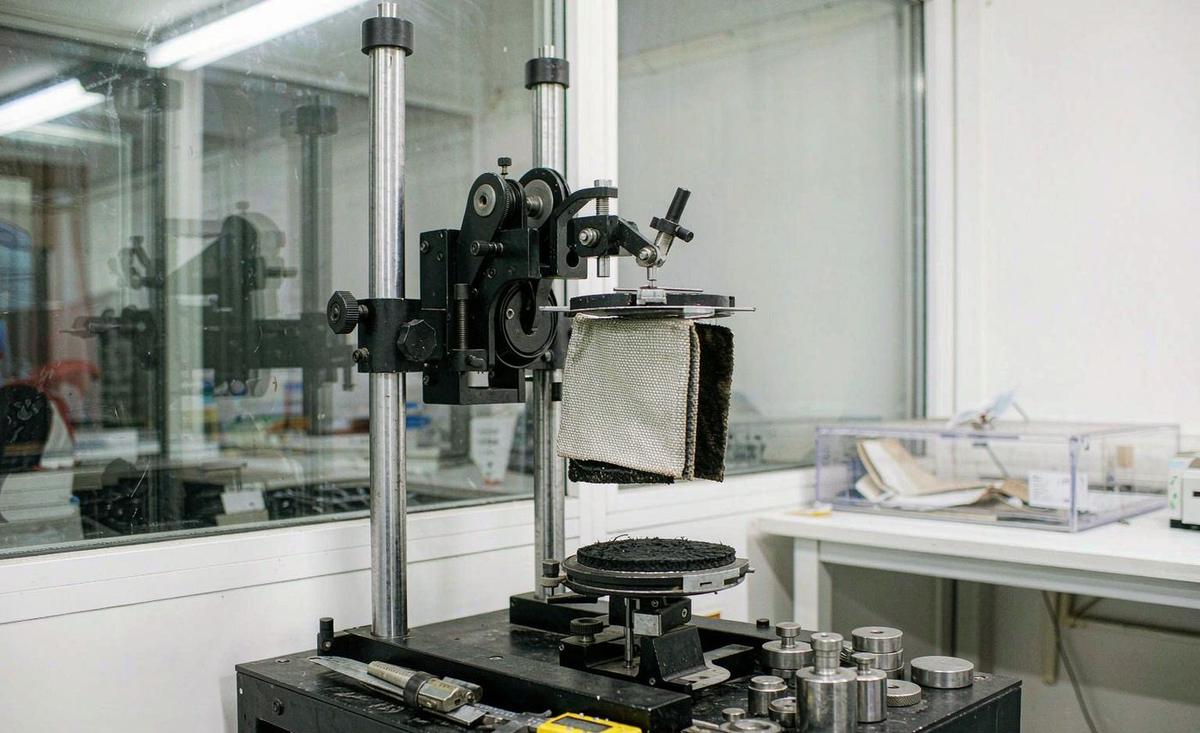
The question creators ask first is what a sample costs, and the honest answer is that it depends on five things. Understanding the five is more useful than a single figure, because the figure changes with the design while the structure does not. Once you can read the structure you can tell whether a quotation is reasonable, and you can see exactly where a change in your design will move the number.
The headline is that on most programmes the sampling charge is credited against the bulk order, so the real cost of sampling is closer to the calendar than to the invoice. That credit should be stated in writing, along with how many rounds it covers, because those two facts determine both the money and the schedule.
What a sampling charge actually pays for
A sample is a one-off build, and one-off builds are expensive relative to their size because none of the efficiencies of a production run apply. There is no marker optimisation across hundreds of units, no rhythm at the machines, and no bulk material rate. The charge recovers the real cost of interrupting a production environment to make one bag.
Concretely, the charge pays for pattern work, material preparation, cutting, sewing time, decoration setup and the internal check before packing. Some of those are fixed regardless of the bag and some scale with complexity. Knowing which is which lets you predict the effect of a design change before you make it.
It also pays for attention. A sample is normally built by a more experienced operator than a production unit, because the first build of a new construction needs judgement rather than repetition. That labour is more expensive per hour and it is worth it, because a well-built first sample answers more questions than a rushed one.
What the charge does not pay for is profit on a bag that will never be sold. On our programmes the sampling charge is a recovery of cost, and it is normally credited against bulk, which is the practical proof of that. If a quotation treats sampling as a profit centre, ask about the credit and see what the answer is. Our sampling and prototyping guide sets out where the charge sits in the wider programme.
It is also worth separating the sampling charge from the price of the bag itself. A sample is priced to recover an interruption, while a production unit is priced to recover a repeatable process, and the two numbers are not proportional. A bag that costs a certain amount at 500 pcs will always cost considerably more as a single sample, and expecting the sample price to track the unit price is a source of unnecessary friction.
The five components of a sample invoice
Reading an invoice by component is the skill that matters, because a single figure hides the two things you most need to know: how much is one-time setup and how much repeats if you need another round. A sample quotation should always be split, and if it arrives as one number, ask for the split.
| Component | One time or repeating | Scales with | Typical behaviour |
|---|---|---|---|
| Pattern and marker work | One time per construction | Panel count, novelty | Fixed unless architecture changes |
| Setup or tooling | One time per artwork or part | Method, part count | Repeats if artwork changes |
| Material preparation | Repeats each round | Custom dye, trims | Small for stock, large for custom |
| Labour and assembly | Repeats each round | Operations, complexity | The largest repeating line |
| Courier and packing | Repeats each round | Weight, service, destination | Upgradeable, often worth it |
The critical distinction in that table is between the first two rows and the last three. Pattern and setup are one-time costs for a given design and artwork, so a second round of the same construction usually costs less than the first. Material, labour and courier repeat on every round, which is why a third round is never free.
This is also why an artwork change is expensive out of proportion to its apparent size. Changing a logo does not touch the pattern, but it does create a new setup, and a new setup plus a full repeat of material, labour and courier is effectively the price of another sample. Freeze the artwork before the build starts and you avoid the whole category.
Asking for the split also exposes padding. A quotation that lists a large setup charge for a decoration method that needs no physical setup is quoting a margin, and a quotation that buries everything inside a single sample fee makes it impossible to tell. Ask, and the answer is usually informative.
What moves the number up and down
Five design decisions account for most of the variance in sampling cost between two bags of similar size. If your budget is tight, these are the levers, and they are all decisions you control rather than facts about the market.
The first is novelty of construction. A bag built on a known architecture with a known panel set costs less to develop than one with a new silhouette, because pattern work is the largest fixed line and it is where novelty is paid for. Small changes to a familiar shape are the cheapest route to a distinctive product.
- Construction novelty: new patterns cost more than confirmed ones.
- Material choice: stock fabrics and trims cost less than custom dyed or special weaves.
- Decoration method: each method has a different setup cost, and each extra position adds one.
- Hardware specification: stock hardware is cheaper than custom finished or custom moulded parts.
- Round count: every additional round repeats material, labour and courier.
The second is material choice, and specifically stock versus custom. A stock fabric in a stock colour can be pulled in small quantity at a reasonable rate. A custom dye carries a mill minimum that is expressed in metres, not in bags, and that minimum is often larger than the few metres a single sample needs. Where the colour is critical, ask for a lab dip instead, which is cheaper than a full custom dye.
The third is hardware. A standard buckle in a stock finish costs very little. A custom moulded part, a plated puller in a non standard finish or a bespoke zip pull shape introduces tooling, and tooling is a one-time charge that can dwarf the rest of the sample. Choosing from an existing hardware range is one of the easiest savings available.
As indicative ranges rather than a quotation: a simple sample built from stock materials with one decoration position sits at the lower end, and a structured bag with custom hardware, a custom colour and two decoration methods sits at the upper end, commonly several times the lower figure. Those are illustrative bands, not prices. Our cost breakdown article shows how the same components behave at production volume.
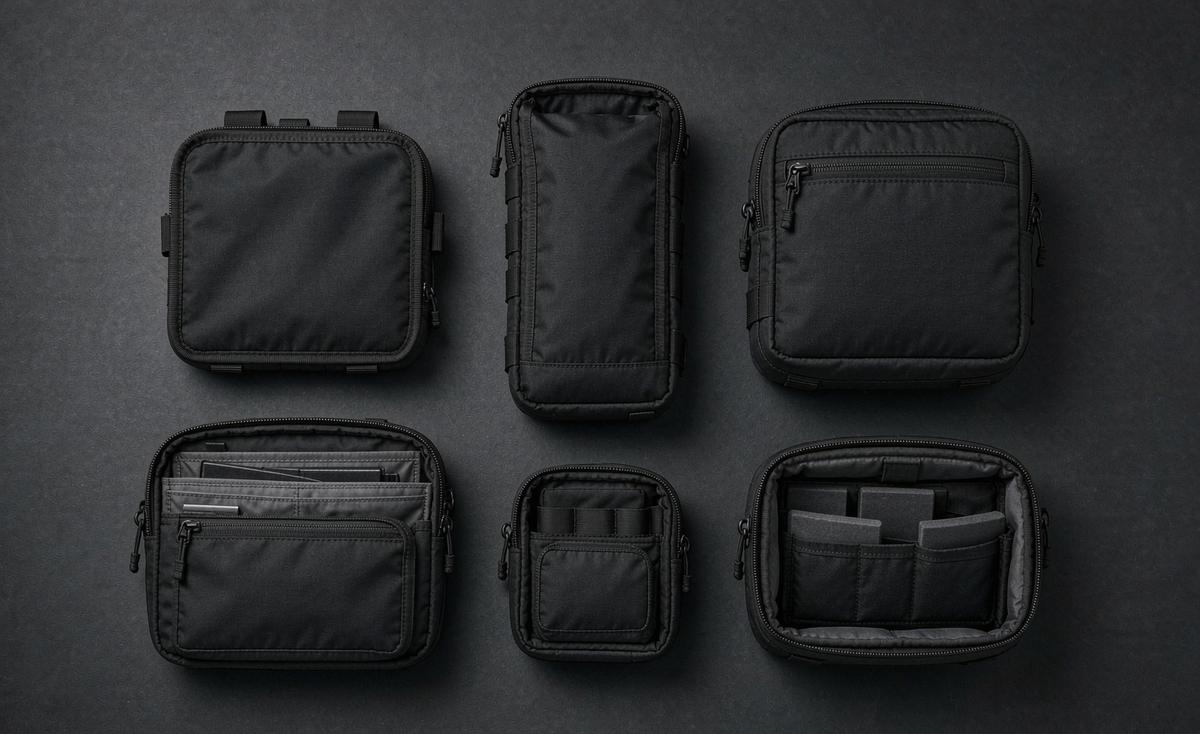
Setup and tooling: the one time line
Setup is the charge that most confuses creators, because it is large relative to a single sample and almost invisible at production volume. It exists because decoration and certain hardware need a physical or digital preparation step before the first piece can be made. Once that step is done, the same setup serves the whole run.
For embroidery the setup is a digitised file. For screen print it is a screen per colour. For heat transfer it is a film or plate. For a silicone patch or a metal plate it is a mould or die. Each of those costs money once, and each has to be repeated if the artwork changes, which is the practical reason for freezing artwork early.
| Method | Setup required | Repeats if artwork changes | Note |
|---|---|---|---|
| Embroidery | Digitised file | Yes | Stitch count affects run time |
| Screen print | Screen per colour | Yes | One screen per ink colour |
| Heat transfer | Film or plate | Yes | Check adhesion on the material |
| Woven label | Woven setup plus label minimum | Yes | Minimum is per artwork |
| Silicone patch | Mould | Yes | Tooling is the larger cost |
| Metal plate | Die | Yes | Finish affects lead time |
Note the woven label row. Labels carry a minimum per artwork that is independent of the bag minimum, and that minimum can exceed the number of labels a single sample needs. Where a label design is still being finalised, ask what the label minimum is before committing, because it is a separate commitment from the 500 pcs bag minimum.
The useful question to ask about any setup line is whether it transfers to bulk. On our programmes it does, in the sense that the same setup serves the production run once the artwork is approved. If a quotation charges setup twice, once for sampling and once for bulk, ask why.
Material and courier: the variable lines
Material and courier are the two lines that repeat on every round and that creators most often underestimate. Both are small in absolute terms compared with setup, and both accumulate across three rounds into a number worth managing.
Material cost for a sample is not proportional to material cost per bag. A production run buys fabric at a volume rate and cuts many panels from one marker with low waste. A sample buys a small length, sometimes at a cut length premium, and cuts a few panels from a marker that was never optimised. The per bag material cost of a sample is therefore higher than the production figure.
Custom materials make this worse in a specific way: the mill minimum. If a custom dyed fabric has a minimum expressed in metres, and a sample needs two metres, the sample carries the whole minimum. That is often the single largest material line in a complex sample, and it is entirely avoidable by choosing a stock colour for the first round and a custom colour for bulk.
- Ask whether each named material is stock or custom before the quote is prepared.
- Choose stock colours for round one, custom colours from round two onward.
- Ask for a lab dip rather than a full custom dye when only the shade is critical.
- Consider express courier, which is usually cheaper than a rushed build.
- Consolidate two variants into one shipment where possible to save a courier charge.
Courier is worth its own note because it is the most cost effective acceleration available. Upgrading transit removes days from the calendar at a fraction of the cost of workshop acceleration, and it has no effect on quality. Where a sample is urgent, spend the money on the courier rather than on the build.
How the refund against bulk works
The standard arrangement is that the sampling charge is credited against the bulk order, which means the money paid for sampling is deducted from the production invoice rather than returned as cash. Understanding that distinction prevents an unpleasant surprise, because a creator expecting a refund payment will not get one.
The credit is normally applied once the bulk order is placed and the deposit is paid, and it usually covers the sampling charge rather than the courier and any custom material minimums. Ask precisely what is covered. In our programmes the credit covers the build and setup lines, and the exclusions are stated in the quotation.
- You pay the sampling charge before the build starts.
- The sample is built in 6-10 working days, or 12-15 for a complex build.
- You approve a piece, which becomes the golden reference.
- You place the bulk order at 500 pcs per style and colourway and pay the 30% deposit.
- The sampling charge is credited against the bulk invoice.
- The 70% balance is paid before shipment under FOB Xiamen.
There is usually a time limit on the credit. A sampling charge credited against an order placed within the same programme year is standard, while a credit held indefinitely is not, because material and labour rates move. Ask what the validity window is, and note it in your plan.
There is also a quantity condition worth knowing. The credit assumes a bulk order at the standard minimum of 500 pcs per style and per colourway. If the eventual order is significantly smaller and that reduction was agreed, the credit may be reduced proportionally. Again, ask rather than assume.
The practical effect is that sampling is close to free for a campaign that proceeds to production, and genuinely costs money for one that does not. That is a reasonable arrangement and it also aligns incentives: our production team wants the sample to lead to an order, because that is when the work is paid for.
When the sampling charge is not refunded
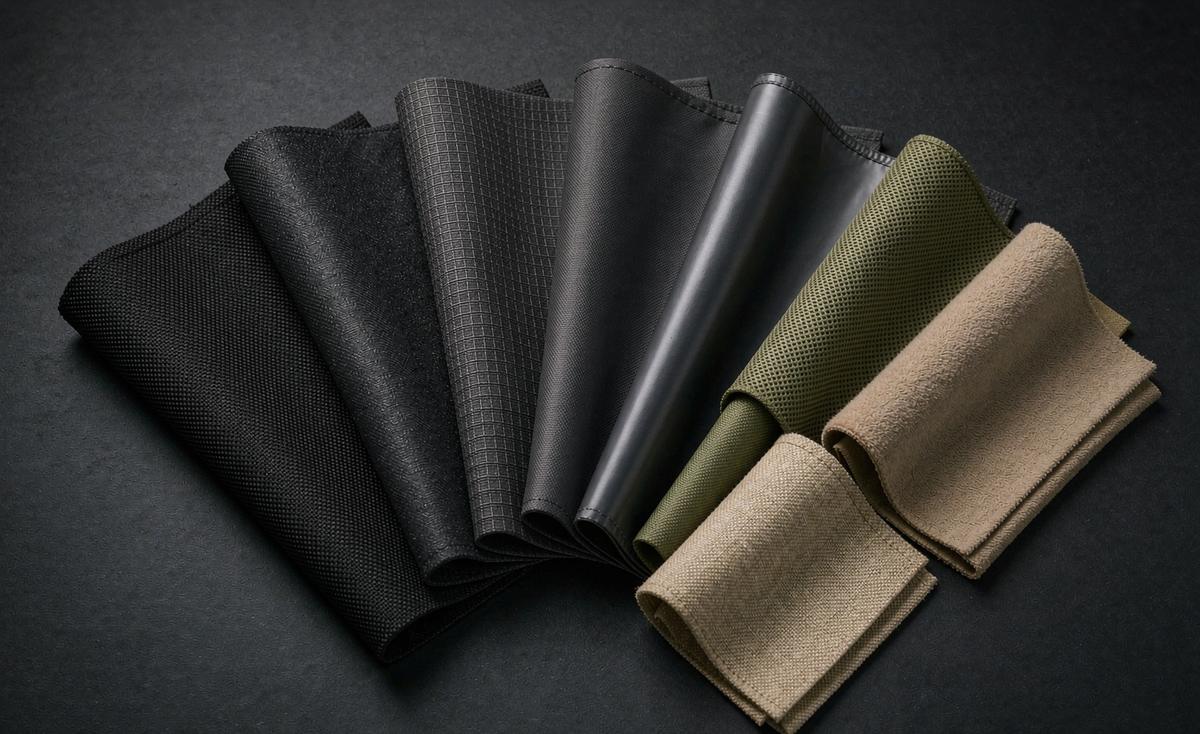
The credit is standard but it is not universal, and there are four situations where it does not apply or applies only partially. All four are knowable in advance, and all four should be asked about before the sampling charge is paid rather than after the bulk order is discussed.
The first is when the campaign does not proceed to production. If no bulk order is placed there is nothing to credit against, and the sampling charge stands as the cost of the work done. That is the ordinary case and it is worth accepting as the price of a genuine option on a product.
- No bulk order placed: nothing to credit against, the charge stands.
- Custom materials purchased: mill minimums and lab dips are usually excluded from the credit.
- Courier charges: freight is a pass through and is rarely credited.
- Credit validity expired: credits are typically time bound to the current programme year.
The second and third are exclusions rather than refusals, and they are reasonable. A mill minimum is money that left for a third party, and a courier charge is a pass through to a carrier. Neither can be recovered from a production invoice, so neither appears in the credit.
The fourth is the one that catches people, and it is entirely administrative. A credit with a validity window quietly expires. If your campaign timeline slips by several months between sampling and bulk, ask whether the credit still applies before you rely on it in your budget.
The defensive habit is simple: get the credit terms in writing at the same time as the sampling charge, including the amount, what it covers, what it excludes, and how long it lasts. That is one paragraph in an email and it removes an entire category of later disagreement.
The cost of not sampling
Creators sometimes propose skipping straight to bulk to save the sampling charge and the calendar. It is worth pricing that decision properly, because the saving is small and the exposure is large. The comparison is not sampling cost versus zero, it is sampling cost versus the cost of a bulk run that cannot be sold.
A 500 unit run built without an approved reference has no acceptance standard. If the bags arrive with a compartment that does not fit the intended device, or a decoration position that is visibly off, or a weight that makes the reward uneconomic to ship, the whole lot is the problem rather than one sample. The sampling charge is a small fraction of that exposure.
There is also a scheduling argument. Bulk production runs 35-50 days, and a problem discovered at the end of that window costs another full window to correct. A problem discovered in a sample costs 6-10 working days. The calendar saving from skipping sampling is an illusion that is paid for at the worst possible moment.
| Scenario | Cost if sampled | Cost if not sampled |
|---|---|---|
| Compartment does not fit | One round, 6-10 days | Full lot rework or rejection |
| Decoration position wrong | One setup and one round | 500 units with the same defect |
| Weight makes shipping uneconomic | Reward price corrected pre launch | Margin lost on every unit |
| Construction fails under load | Reinforcement added in round two | Returns and backer complaints |
| Colour is off | Lab dip or swatch approval | Whole lot disputed on delivery |
Read down the right hand column and the pattern is clear: every one of those failures is multiplied by 500 when it is discovered in bulk, and every one costs a full 35-50 day window to fix. The sampling charge is insurance, and it is cheap insurance.
The inspection argument points the same way. An AQL 2.5 to ISO 2859-1 inspection needs a reference to inspect against. Without an approved and retained golden sample, inspectors have no standard and acceptance becomes a negotiation. Our AQL inspection article sets out what the inspection actually covers.
How to compare two sampling quotations
Two sampling quotations that look different are often identical once you align what they include, and two that look similar can differ substantially. The comparison has to be done line by line, and it has to be done on the same assumptions.
Start by aligning the scope. How many rounds does each cover, does each include decoration setup, does each include courier, and does each state the credit terms. A quotation for one round and a quotation for three are not comparable on price, because the second is three times the work.
- Align round count, then compare.
- Check whether setup is included or separate.
- Check whether courier is included, excluded or estimated.
- Check the credit terms: amount, coverage, exclusions, validity.
- Check the sampling window: 6-10 or 12-15 working days.
- Check whether a pre-production sample is included or extra.
Then look at what is excluded, because exclusions are where the difference hides. A quotation that excludes material preparation will invoice it later, and a quotation that excludes the lab dip will invoice that too. Ask for exclusions to be listed explicitly rather than omitted.
Finally, compare on communication rather than only on price. The cheapest quotation that takes five days to answer a question is more expensive than a slightly dearer one that answers in an hour, because unanswered questions are the main cause of a missed launch. Our sourcing red flags article covers what else to look for.
One more alignment step saves real money: send the same brief to both parties on the same day. A brief sent a week apart will be quoted against different material availability and different workshop loading, and the comparison will be meaningless. Identical inputs on the same day is the only way to make a price comparison honest.
If one quotation is materially lower than the other, ask which line is missing rather than celebrating. In our experience the gap is usually a round count, an excluded setup, or an unstated courier charge, and all three reappear later as a change to the invoice rather than as a saving.
Budgeting sampling into a campaign
Sampling belongs in the campaign budget as a pre-launch cost, alongside photography and page design, rather than inside the cost of goods. Treating it that way keeps the reward price honest, because a sampling cost buried in the unit price makes the product look less profitable than it is.
Budget three rounds rather than one. Even where the sampling charge is credited later, the cash leaves before the campaign funds, and a campaign that runs out of money at round two is a campaign that stalls. Sizing the budget for three rounds is the conservative and, in our experience, the realistic choice.
- Budget for three rounds, not one.
- Include courier both ways in the figure.
- Allow for one setup change if artwork may move.
- Add a contingency of one round for a complex build.
- Record the credit as a reduction against bulk, not as income.
- Keep a reserve for a pre-production sample on a new construction.
Cash flow is the practical constraint. The sampling charge and the 30% deposit both fall before the campaign funds in most plans, so the creator is funding development out of pocket. That is normal for a crowdfunding programme and worth planning for explicitly rather than discovering.
If cash is genuinely tight, the cheapest legitimate saving is scope rather than sampling. One colourway instead of two, one decoration method instead of two, stock materials instead of custom. Each reduces both the sampling charge and the eventual bulk commitment, and none of them reduces the quality of the product.
Our campaign budget article places sampling inside the wider pre-launch spend. The summary for this article is that sampling is a small line in the budget and a large lever on everything after it.
Questions to ask before you pay
Six questions, asked before the sampling charge is paid, prevent most of the disagreements that otherwise arise later. They take five minutes to ask and they are worth asking in writing, because a written answer is a term and a spoken answer is a memory.
Ask how many rounds the charge covers, whether the credit applies and for how long, what the credit excludes, whether setup transfers to bulk, what the sampling window is for this construction, and what happens if the material you named is unavailable. Those six cover the whole ground.
- How many rounds does this charge cover?
- Is the sampling charge credited against bulk, and for how long?
- What exactly does the credit exclude?
- Does setup transfer to the production run?
- Is this construction 6-10 or 12-15 working days?
- If a named material is unavailable, who authorises the substitute?
The last question is the one nobody asks and everybody needs. Material availability is the most common mid-build pause, and pre authorising a substitute with a named person removes it entirely. It costs one line in an email and it can save a week on the calendar.
The summary is short. A sampling charge is setup plus material plus labour plus courier, typically credited against a bulk order at 500 pcs per style and per colourway, with standard sampling at 6-10 working days and complex builds at 12-15. Ask what it covers, get the credit in writing, and budget three rounds rather than one.
Want the sampling charge split by line before you commit? Send the design, materials and quantity through the contact quotation form or to service@junyuanbags.com and we will return the breakdown with the credit terms.
Frequently Asked Questions
What does a bag sampling charge usually cover?
Five lines: pattern and marker work, setup or tooling, material preparation, labour and assembly, and courier. Pattern and setup are one time costs for a given design and artwork. Material, labour and courier repeat on every additional round, which is why a third round is never free.
Is the bag sampling fee refunded?
On most programmes the sampling charge is credited against the bulk invoice rather than refunded as cash, once the order is placed and the 30% deposit is paid. Ask what the credit covers, what it excludes, and how long it stays valid, and get those three answers in writing.
Why does a second sample cost less than the first?
Because pattern work and setup are one time lines for a given construction and artwork. A second round of the same design repeats material, labour and courier but not the pattern, unless the architecture changes or the artwork changes, and an artwork change creates a new setup.
What is a setup or tooling charge?
The preparation needed before the first piece can be made: a digitised file for embroidery, a screen per colour for screen print, a film for heat transfer, a mould for a silicone patch, a die for a metal plate. It is charged once and normally transfers to the production run.
Are custom materials included in the sampling credit?
Usually not. A custom dye carries a mill minimum expressed in metres, and that money has gone to a third party, so it cannot be recovered from a production invoice. Courier is also a pass through and is rarely credited. Ask which lines are excluded before you rely on the credit.
Does a woven label have its own minimum?
Yes. Labels carry a minimum per artwork that is separate from the 500 pcs bag minimum, and that minimum can exceed the number of labels a single sample needs. Ask what the label minimum is before committing, particularly if the label design is still being finalised.
How can I reduce my sampling cost?
Choose stock materials and stock hardware, use stock colours for the first round and custom colours from round two, keep to one decoration method and one position, freeze the artwork before the build starts, and limit the number of variants sampled. Each of those removes a line rather than bargaining one down.
Is it cheaper to skip sampling and go straight to bulk?
No, in exposure terms. A compartment that does not fit, a decoration position that is off or an uneconomic shipping weight discovered in bulk is multiplied by 500 units and costs another 35-50 day window to correct. The sampling charge is small insurance against that.
How many rounds should I budget cash for?
Three. Each runs 6-10 working days for a standard build or 12-15 for a complex one, and the sampling charge plus courier leaves before the campaign funds in most plans. Sizing for three rounds is the conservative and realistic choice even where the charge is later credited.
What is a lab dip and is it cheaper than a custom dye?
A lab dip is a small dyed sample of the fabric used to approve a shade before any bulk dyeing happens. It is considerably cheaper than committing to a full custom dye with its mill minimum, and it is the right tool when only the colour is critical rather than the fabric itself.
How long does a sampling credit stay valid?
Typically within the same programme year, because material and labour rates move. A credit held indefinitely is not standard. If your timeline slips by several months between sampling and bulk, ask whether the credit still applies before you rely on it in your budget.
Should sampling cost go into my reward price?
No. Treat it as a pre-launch cost alongside photography and page design, and record the credit as a reduction against bulk rather than as income. Burying sampling in the unit price makes the product look less profitable than it is and distorts future re-order pricing.
People Also Ask
What does a bag sample cost?
Setup plus material plus labour plus courier. Simple stock builds sit at the low end and structured bags with custom hardware sit several times higher.
Is the sampling fee refunded?
It is usually credited against the bulk invoice rather than refunded as cash. Confirm the amount, exclusions and validity in writing.
Why is a second sample cheaper?
Pattern and setup are one time costs. Later rounds repeat material, labour and courier only, unless the artwork or architecture changes.
What is a tooling charge?
The one time preparation for decoration or a custom part: an embroidery file, a print screen, a mould or a die. It normally transfers to bulk.
Are courier costs credited?
Rarely. Freight is a pass through to a carrier and cannot be recovered from a production invoice.
How do I lower sampling costs?
Use stock materials and hardware, one decoration method, one colourway for round one, and freeze artwork before the build starts.
Can I skip sampling?
You can, but any defect is then multiplied by 500 units and costs a further 35-50 days to correct. Sampling is cheap insurance.
How many rounds should I budget?
Three, at 6-10 working days each for a standard build, with the cash leaving before the campaign funds.