Indiegogo Backpack Campaigns: 3 Success Stories and What to Copy
The three backpack campaign patterns described here are composites drawn from programmes our production team has supported, not named campaigns, and the figures are representative ranges rather than reported results. What transfers is the structure: each pattern picked one hero bag, priced the tier against landed cost rather than unit cost, published measured dimensions from the approved sample, and sequenced sampling before bulk so a 35 to 50 day production window did not collide with a public delivery promise. This page sets out each pattern, the tier and add-on mix behind it, and the specific decisions worth copying.
- How to read these three patterns
- Pattern one: the tech carry backpack
- What to copy from pattern one
- Pattern two: the travel and commute pack
- What to copy from pattern two
- Pattern three: the minimalist everyday pack
- What to copy from pattern three
- Comparing the three patterns
- The production calendar behind all three
- Specification decisions shared by all three
- Mistakes all three avoided
How to Read These Three Patterns
Crowdfunding case studies are usually written as success stories with a headline number and no mechanism, which makes them useless to copy. What follows is different. These are three recurring patterns we see in backpack programmes, described as composites with representative ranges, and the point of each is the decision structure rather than the outcome. Any of the three can be applied to a campaign with a modest budget and no existing audience.
The reason patterns are more useful than stories is that a story's numbers depend on an audience the campaign already had, while a pattern's decisions are available to anyone. A campaign with a large email list and a campaign with no list can both choose to publish measured dimensions, to sequence sampling before bulk, and to put low-value items in the add-on menu. Those three decisions explain more of the difference in outcome than the size of the list does.
Each pattern below is described in the same five dimensions: the hero bag and why it was chosen, the tier and add-on structure, the specification decisions that mattered, the production calendar, and the shipping approach. Reading them side by side shows that the successful structure is remarkably consistent, and that what varies between the three is the audience being addressed rather than the operating discipline.
For the platform level comparison behind these choices, our Indiegogo and multi-platform crowdfunding hub sets out how the platform mechanics differ, and Kickstarter versus Indiegogo for bag campaigns covers which platform suits which reward structure.
Pattern One: The Tech Carry Backpack
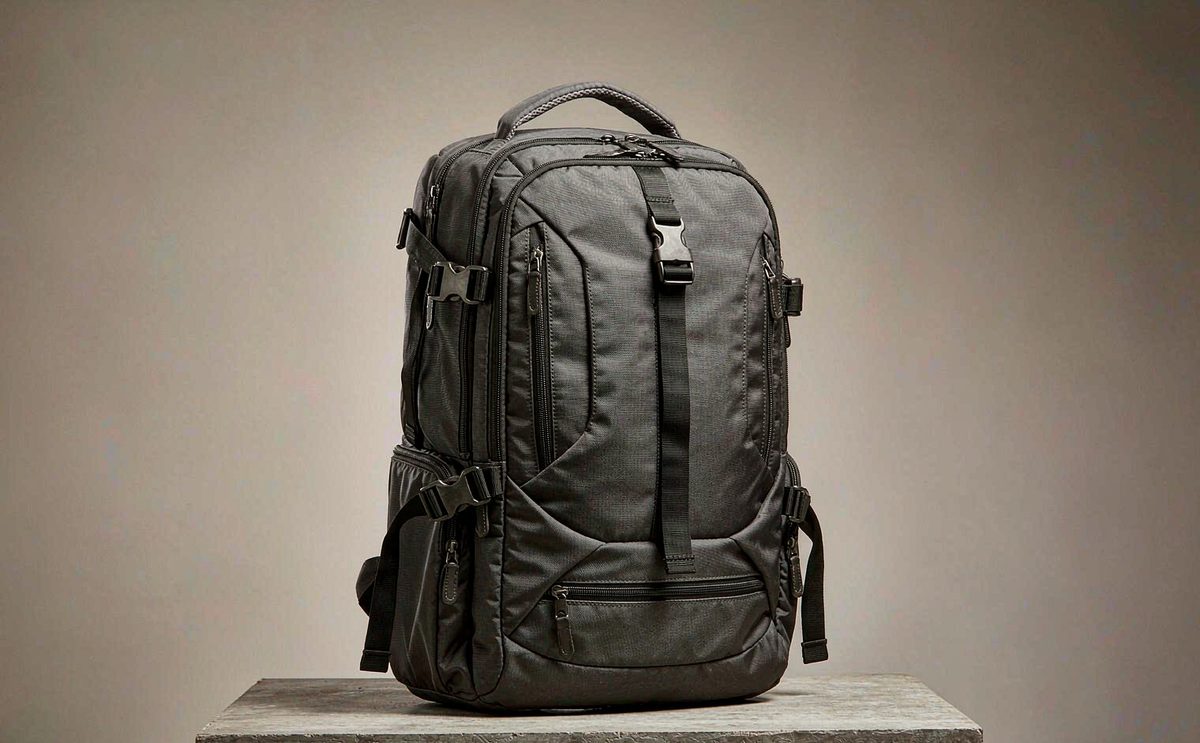
The tech carry pattern is the most reliable of the three. It targets an audience that already owns a laptop, a tablet and a charger, and it sells a single proposition: everything has a place. The hero bag is a structured backpack with a padded laptop sleeve sized to a specific device, a cable organiser panel, and a flat front pocket for a power bank. The campaign page leads with one image of the internal layout with a laptop actually inserted.
Typical pledge values for this pattern run 99 to 169 USD, which is the highest of the three, and the volume is correspondingly lower. The specification carries the price: a structured back panel, a dedicated sleeve with a suspended bottom, a water resistant coating, and branded hardware. Our production team specifies the sleeve with a suspended base because a laptop dropped into a sleeve that reaches the bottom of the bag is the most common cause of a damaged device complaint.
| Dimension | Typical range | Why it works |
|---|---|---|
| Headline pledge | 99 to 169 USD | Device protection justifies a premium |
| Forecast volume | 800 to 2,500 units | Higher value, narrower audience |
| Hero specification | 16 inch suspended sleeve, organiser panel | Solves a problem the backer already has |
| Colourways committed | One core, one optional | Keeps the 500 pcs minimum manageable |
| Add-on attach rate | 25 to 40 percent | Cable pouch and strap accessories |
| Delivery promise | One month, stated with assumptions | Matches a 35 to 50 day bulk window |
The failure mode for this pattern is over-promising the internal layout. A page that shows six pockets and delivers four generates complaints even when the bag is well made, so the layout photograph has to come from the approved sample and the copy has to describe only what exists. Our sourcing partner supplies an internal layout shot with the sample approval pack for exactly this reason.
This pattern also benefits most from a published device compatibility statement. Naming the exact laptop sizes the sleeve fits converts better than saying it fits most laptops, and it reduces the return rate, because a backer who owns a 16 inch machine knows immediately whether the bag is for them.
What to Copy From Pattern One
Three decisions from the tech carry pattern transfer to almost any campaign. First, lead with the internal layout rather than the external silhouette, because the layout is the part that carries the value proposition and the part that competitors rarely photograph well. Second, name the device sizes the bag actually fits instead of using a vague compatibility claim. Third, suspend the laptop sleeve so it does not touch the base of the bag.
- Photograph the internal layout with a real device inserted, from the approved sample
- Publish exact device compatibility, which both converts and reduces returns
- Specify a suspended sleeve base, which costs almost nothing and prevents damage complaints
- Keep the colourway count low, because a premium audience still needs the minimum managed
- Put cable pouches and organisers in the add-on menu rather than in a separate tier
- State the coating and fabric denier in the specification block rather than using unqualified water resistant claims
The coating line is worth a note. A water resistance claim is a performance claim, and while it is legitimate, it should be stated as a specification rather than as an absolute promise. Naming the coating and the denier tells a technical audience what they are buying, and it avoids the disappointment that follows an unqualified claim when a bag is caught in heavy rain.
If this pattern fits your campaign, our page on custom laptop bags for tech campaigns covers the specification depth, and choosing a hero reward bag sets out how to decide whether the laptop bag should be the hero or an add-on.
Pattern Two: The Travel and Commute Pack
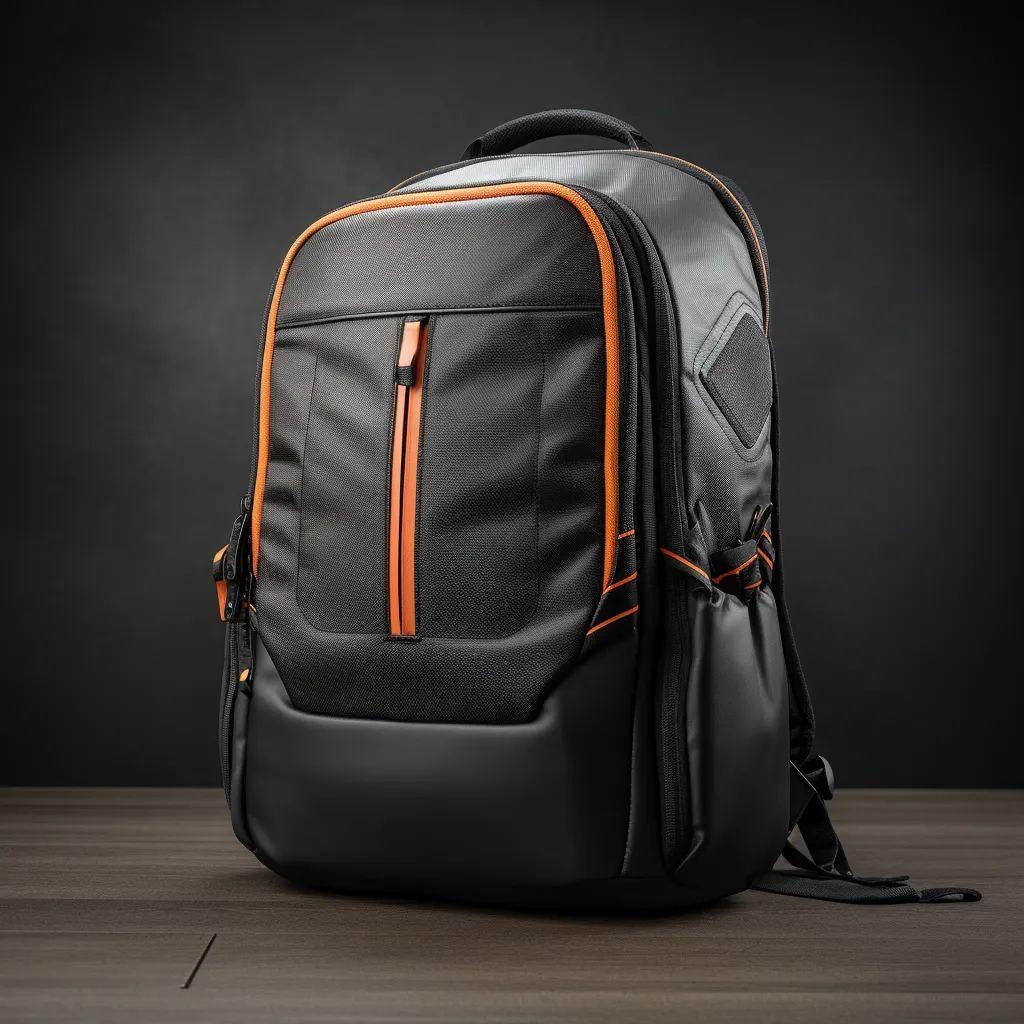
The travel and commute pattern sells capacity and transition rather than device protection. The hero bag is a 30 to 40 litre pack that opens flat like a suitcase, carries a shoe or laundry compartment, and compresses enough to pass as a personal item on a flight. The audience is people who travel for work several times a year and are tired of choosing between a backpack and a rolling bag.
Pledge values for this pattern run 89 to 149 USD, with higher volumes than the tech carry pattern because the audience is broader. The specification burden sits in the opening mechanism and the compartment structure, both of which require more sampling attention than a simple backpack. Sampling for this pattern typically sits at the upper end of the range, 12 to 15 working days, because a suitcase style opening with a reinforced frame is a more complex build.
The compartment count is where this pattern either succeeds or disappoints. A bag that opens flat but has no internal structure becomes a sack, and a bag with too many compartments becomes heavy and expensive. The working balance in the successful versions of this pattern is three or four dedicated compartments rather than eight, with the shoe compartment isolated and ventilated.
Weight is the other specification that decides satisfaction. A travel pack that weighs 1.6 kg empty is noticed, and it is noticed every time the backer lifts it into an overhead bin. Our production team reports the empty weight on the sample approval sheet so the campaign page can publish it, because an unpublished weight that turns out to be high is a common source of disappointment returns.
What to Copy From Pattern Two
The travel pattern's transferable lessons are about restraint and about publishing the number that will otherwise disappoint. Restraint means three or four compartments rather than eight. Publishing means empty weight, packed dimensions and the airline personal item test, all measured from the sample rather than estimated from a render.
- Publish empty weight, because an undisclosed heavy pack generates disappointment returns
- Publish packed dimensions and state the airline compatibility claim precisely
- Limit compartments to three or four dedicated spaces instead of a long list
- Isolate and vent the shoe compartment, which is the feature backers check first
- Budget 12 to 15 working days for sampling, because a framed suitcase opening is a complex build
- Reinforce the opening zipper, because a flat opening puts sustained load on one long chain
That last line is a specification detail that separates the versions of this pattern that work from the ones that do not. A suitcase style opening puts continuous stress along a single long zipper run, and a chain that is fine on a conventional backpack will fail there. Specifying a heavier gauge chain and a reinforced zipper tape costs a small amount and removes the single most common warranty claim on this bag type.
Our page on custom duffle bags for multi-category campaigns covers the adjacent decisions for travel shaped rewards, and bag sampling across platforms explains how to sequence a longer sampling window without delaying the campaign.
Pattern Three: The Minimalist Everyday Pack
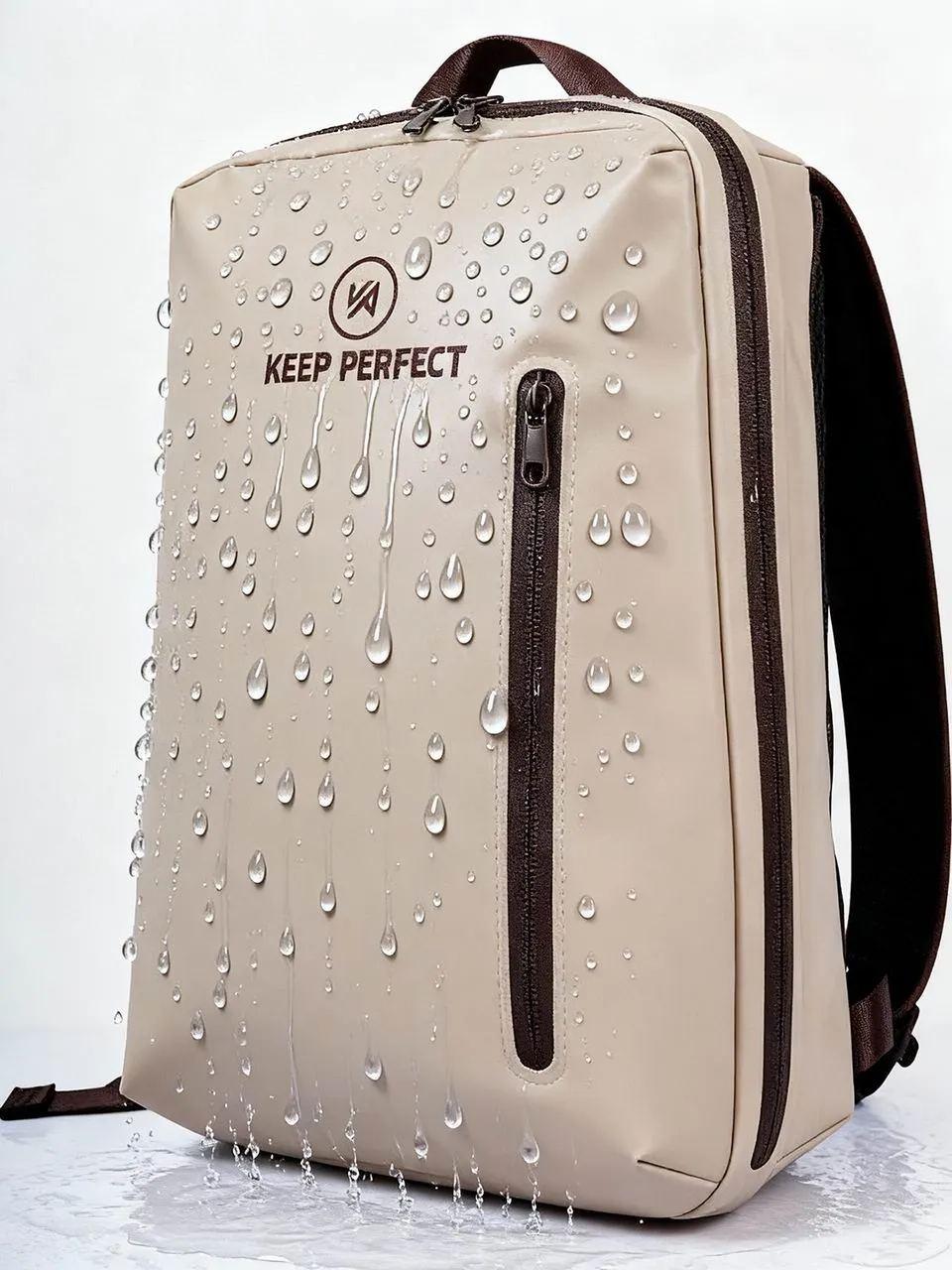
The minimalist pattern is the highest volume and lowest pledge value of the three, typically 59 to 99 USD. It sells restraint: a clean silhouette, no visible logo, two or three pockets, and a material story. The audience is people who want one bag that works at work, at a cafe and at the gym, and who are actively put off by the technical look of the other two patterns.
Because the pledge value is lower, the margin discipline has to be tighter. This pattern depends on volume to clear the production minimum comfortably, and it depends on add-ons to lift the average pledge value. The campaigns in this pattern that work usually run four or five add-ons priced between 12 and 35 USD, which lift the realised average pledge by 20 to 35 percent without adding a new production style.
The material story carries the page. Where the tech pattern sells structure and the travel pattern sells capacity, the minimalist pattern sells the fabric and the finish. That makes fabric selection more consequential here than in the other two, and it makes colour accuracy more consequential, because a backer choosing between four near-identical neutrals is choosing on colour alone.
Colour accuracy in this pattern is where a signed golden sample earns its cost. Four neutral colourways photographed under studio lighting can look nearly identical on a screen, and the delivered bags can differ more than the page suggested. Our campaign bag specialist requires a signed golden sample and a neutral lighting reference photograph for any campaign running more than two near-neutral colourways.
What to Copy From Pattern Three
The minimalist pattern teaches margin discipline, because it has the least room for error. The transferable decisions are to lean on add-ons for revenue, to invest in colour control, and to keep the specification simple enough that the unit cost stays predictable at higher volumes.
- Run four or five add-ons priced 12 to 35 USD to lift realised average pledge value
- Sign a golden sample for every colourway when neutrals are close in value
- Keep the pocket count low, because every pocket adds labour cost and pattern complexity
- Let the fabric and finish carry the page rather than a feature list
- Quote at two volume bands, because this pattern lives or dies on volume
- Use packing inserts and a dust bag to raise perceived value at low unit cost
The two volume band quotation matters more here than anywhere else. MOQ is 500 pcs per style and colourway, and a minimalist campaign running four colourways has committed to 2,000 units before a single pledge arrives. Our sourcing partner quotes at 500 and at 2,000 pcs so the campaign can see the unit cost curve and decide whether a fourth colourway is worth the commitment.
For packing and kitting in this pattern, see custom bag kitting and mixing colourways, which covers how to keep four near-identical colourways from being mixed on the packing line.
Comparing the Three Patterns
The three patterns differ in audience, pledge value and specification complexity, and they are remarkably similar in operating discipline. Reading them side by side makes the choice concrete: pick the pattern that matches your audience, then apply the same discipline regardless of which one you picked.
| Dimension | Tech carry | Travel commute | Minimalist everyday |
|---|---|---|---|
| Headline pledge | 99 to 169 USD | 89 to 149 USD | 59 to 99 USD |
| Typical volume | 800 to 2,500 units | 1,200 to 3,000 units | 2,000 to 5,000 units |
| Sampling window | 6 to 10 working days | 12 to 15 working days | 6 to 10 working days |
| Colourways committed | One core, one optional | One core, one optional | Two to four |
| Add-on attach rate | 25 to 40 percent | 20 to 35 percent | 30 to 45 percent |
| Main specification risk | Sleeve and layout accuracy | Opening zipper load | Colour accuracy |
The volume row is the one to read alongside the minimum. A pattern that commits two colourways has committed 1,000 units at 500 pcs per style and colourway, and a four colourway minimalist campaign has committed 2,000. Those commitments are made before pledges on every platform, which is why the colourway decision belongs in the financial model rather than in the design meeting.
The add-on row shows why add-ons matter most where pledge value is lowest. The minimalist pattern has the thinnest headline margin and the highest add-on attach rate, which is not a coincidence. Where the headline pledge cannot carry the margin, the add-on menu has to, and building it from the same materials keeps the production run simple.
The Production Calendar Behind All Three
All three patterns run the same calendar, and the calendar is the constraint that most often breaks a delivery promise. Sampling runs 6 to 10 working days, extending to 12 to 15 working days for the travel pattern's framed opening. Bulk runs 35 to 50 days. Inspection to AQL 2.5 to ISO 2859-1 takes 1 to 2 working days, and a failed lot adds 7 to 14 days for rework and re-inspection.
- Approve the first article and freeze the specification before pledges close where possible
- Place the bulk order against confirmed pledge volume plus a 3 to 5 percent reserve
- Plan bulk at the 50 day end of the window rather than the 35 day end
- Schedule one in-line visit partway through bulk to catch drift while it can still be corrected
- Run final inspection and hold the release decision on the report rather than on the calendar
- Book freight against a confirmed handover date, not against a hoped-for one
The in-line visit is the step most first campaigns skip and the one that most reliably prevents a failed final inspection. On a 35 to 50 day run, a visit around day 12 to day 20 catches fixture drift, needle damage and shade variation while most of the run is still uncut. Our fulfilment checklist for bag campaigns covers the steps after that gate.
Commercial terms shape the calendar too. Quotations are issued FOB Xiamen with T/T 30/70 payment terms, which means the production schedule is fixed once the deposit clears and the freight leg belongs to the forwarder. Publishing a delivery month built from these blocks, with the assumptions stated, is what separates a promise that holds from one that slips.
Specification Decisions Shared by All Three
Across all three patterns, the same four specification lines decide whether the delivered bag satisfies the backer. They are not the exciting parts of the design, and they are the parts that appear in complaint emails when they are wrong. Each one costs very little to specify correctly and a great deal to correct after bulk.
- Bar tack positions at every strap and handle junction, written into the specification sheet
- Zipper brand and gauge named, with a cycle test on the first article
- Seam allowance written down, because a narrow allowance at a gusset is the usual cause of a burst seam
- Colour reference signed as a golden sample, with listing photography taken from that physical unit
Those four lines cover the three defect categories that generate the majority of backer returns: strap and handle pull-out, zipper failure, and seam burst at a stress corner. Adding them to a specification sheet takes an hour. Discovering they were missing after 2,000 units have shipped costs a rework programme and a refund budget.
The fifth shared decision is to publish measured rather than rendered numbers. Every pattern on this page benefits from a specification block listing dimensions, internal volume, empty weight and device compatibility, all measured from the approved sample. It is the cheapest single change available to any campaign page, and it removes an entire category of disappointment returns.
Mistakes All Three Avoided
It is easier to describe what these patterns did than what they avoided, but the avoided list is more instructive. Each of the following is a common cause of a campaign that funded well and delivered badly, and none of them requires a large budget to prevent. They require only that someone checks a number before it is published.
| Mistake | Consequence | Check that prevents it |
|---|---|---|
| Publishing rendered dimensions | Capacity disappointment and returns | Measure the approved sample and publish those numbers |
| Shipping quoted before carton size exists | Margin erosion per unit | Measure the packed carton, then get a rate card |
| Open free colourway choice | Forecast split unknown at order time | Commit a core colourway and charge for swaps |
| Sampling after pledges close | Six to ten working days added post-campaign | Sample during the campaign against the frozen design |
| No bar tacks specified | Strap pull-out returns at roughly 22 percent of cases | Write bar tack positions into the specification |
None of those five checks costs money. All of them cost attention, and attention is the resource a first campaign has least of. The practical fix is a written checklist reviewed before launch by someone other than the person who wrote the page, because the person who wrote the page knows what they meant and will read it as correct.
If you want that review done by someone who has seen the failure modes, send your perk structure, specification sheet and delivery calendar to our campaign bag specialist through the quote and contact page. Our Indiegogo crowdfunding hub also covers the platform side of the same decisions.
Send your hero bag choice, colourway count and target delivery month for a pattern review and two-scenario quote. Our campaign bag specialist will flag the specification gaps, or reach us at service@junyuanbags.com.
Key takeaways
- Three patterns: tech carry at 99 to 169 USD, travel commute at 89 to 149 USD, minimalist at 59 to 99 USD
- Sampling 6 to 10 working days, complex builds 12 to 15 working days, bulk 35 to 50 days
- MOQ 500 pcs per style and colourway, inspection to AQL 2.5 to ISO 2859-1
- FOB Xiamen, T/T 30/70 terms
- Four specification lines prevent most returns: bar tacks, zipper brand, seam allowance, colour reference
- Publish measured dimensions, volume and empty weight from the approved sample
Frequently Asked Questions
Are these real Indiegogo campaigns?
They are composites drawn from programmes our production team has supported, described as recurring patterns rather than as named campaigns, and the figures are representative ranges rather than reported results. The reason for framing them this way is that a pattern's decisions transfer to your campaign while a story's numbers depend on an audience you may not have. The discipline described here is available to a first campaign with no existing list.
Which backpack pattern suits a first campaign best?
The minimalist everyday pack if your budget is limited, because pledge values of 59 to 99 USD convert at higher volume and the specification is simpler. The tech carry pack if your audience is technical, because 99 to 169 USD carries more margin per unit. Avoid the travel pack for a first campaign unless you have budget for 12 to 15 working days of sampling on a complex framed opening.
How many colourways should a first backpack campaign commit to?
One core colourway, with a second exercised only after pledge data exists. MOQ is 500 pcs per style and colourway, so a four colourway minimalist campaign has committed 2,000 units before pledges arrive. Charging for colourway swaps both reduces casual changes and generates revenue that covers the additional setup.
What are the most important specification lines on a reward backpack?
Bar tack positions at every strap and handle junction, the zipper brand and gauge with a cycle test on the first article, a written seam allowance, and a signed golden sample for colour. Those four cover the three defect categories that cause most returns: strap pull-out, zipper failure and seam burst at a stress corner.
How long does a backpack campaign take from close to delivery?
Plan 90 to 120 days. Sampling is 6 to 10 working days, or 12 to 15 working days for complex builds. Bulk is 35 to 50 days, inspection to AQL 2.5 to ISO 2859-1 is 1 to 2 working days, sea freight and clearance is 25 to 40 days, and fulfilment is 7 to 14 days. Sampling during the campaign removes its window entirely.
Should I publish device compatibility on a laptop backpack?
Yes. Naming the exact laptop sizes the sleeve fits converts better than a vague claim and reduces returns, because a backer with a 16 inch machine knows immediately whether the bag suits them. Also specify a suspended sleeve base so the device does not rest on the bottom of the bag, which is the commonest cause of damage complaints.
Why is empty weight published on travel packs?
Because an undisclosed heavy pack generates disappointment returns. A travel pack weighing 1.6 kg empty is noticed every time it is lifted into an overhead bin. Our production team reports empty weight on the sample approval sheet so the campaign page can publish it, alongside packed dimensions and any airline compatibility claim stated precisely.
How much should add-ons contribute to campaign revenue?
Typically 20 to 35 percent, and up to 45 percent on the minimalist pattern where headline margin is thinnest. Keep the menu to four or five items priced 12 to 35 USD and build them from the same fabric, webbing and hardware as the main bag, so they can be produced in the same run without a new material purchase.
What is the biggest cause of a missed delivery promise?
Building the calendar on best case bulk timing. Plan bulk at the 50 day end rather than the 35 day end, add 7 to 14 days in case a lot fails inspection and needs rework, and add freight, clearance and fulfilment. Publish a month with the assumptions stated rather than a date with no explanation behind it.
Should campaign photography use renders or real samples?
Real samples. A render can be produced before sampling and looks cleaner, but it sets a colour and proportion expectation the delivered product may not match. Photograph the approved sample under neutral lighting, include one in-use shot for scale and one internal layout shot, and publish measured dimensions from the same unit.
How do I keep near-neutral colourways from arriving different from the page?
Sign a golden sample for each colourway and take the listing photograph from that physical unit under neutral lighting. Four near-neutral colourways photographed under studio lighting look nearly identical on a screen, and the delivered bags can differ more than the page suggested. Our campaign bag specialist requires this whenever more than two near-neutral colourways run.
What does an in-line inspection visit prevent?
It catches fixture drift, needle damage and shade variation while most of the run is still uncut. On a 35 to 50 day bulk run a visit around day 12 to day 20 is the step that most reliably prevents a failed final inspection, because final inspection can only accept or reject finished goods while an in-line visit changes what is still being made.
People Also Ask
What backpack sells best on Indiegogo?
Tech carry backpacks with a dedicated laptop sleeve convert best with technical audiences, while minimalist everyday packs convert at the highest volume.
How much should a crowdfunding backpack pledge cost?
Between 59 and 169 USD depending on the pattern, with minimalist packs at the low end and structured tech carry packs at the high end.
How many colourways should a first campaign offer?
One committed core colourway, with additional colourways treated as options exercised after pledge data confirms the split.
What makes a reward backpack fail after delivery?
Strap pull-out, zipper failure and seam burst at a stress corner, all three preventable by specifying bar tacks, zipper brand and seam allowance.
Should I photograph the sample or use a render?
The sample. Renders set a colour and proportion expectation the delivered product may not match, which becomes a return reason.
How long is bulk production for a backpack order?
35 to 50 days, planned at the upper end, plus 6 to 10 working days of sampling and 1 to 2 working days for inspection.
Do add-ons matter for a backpack campaign?
Yes, typically 20 to 35 percent of revenue, and they carry better margin because they ride on packing and shipping already paid for.