Custom Bags for Indiegogo: Rewards Strategy for Flexible Funding
Flexible funding changes the reward maths because you are paid on whatever is raised, not on a target that must be met. That makes the custom bag reward a cash flow decision before it is a product decision: MOQ is 500 pcs per style and colourway, sampling runs 6 to 10 working days, bulk runs 35 to 50 days, and the money has to be in hand before bulk starts. This page sets out tier architecture for flexible funding, where add-ons rather than headline tiers carry the margin, how InDemand keeps a bag reward alive after the campaign closes, and how to write delivery promises that survive a lower-than-expected raise.
- Why flexible funding changes the reward budget
- Reward tier architecture for flexible funding
- Bag types that work as Indiegogo perks
- Pricing the bag reward against cash flow
- The add-on economy: where margin comes from
- InDemand: keeping the bag reward alive
- Timeline reality: sampling and bulk
- Colourway and kitting for higher pledge value
- Shipping promises on a flexible funding campaign
- Perk copy and photography that convert
- Risk register for a flexible funding bag reward
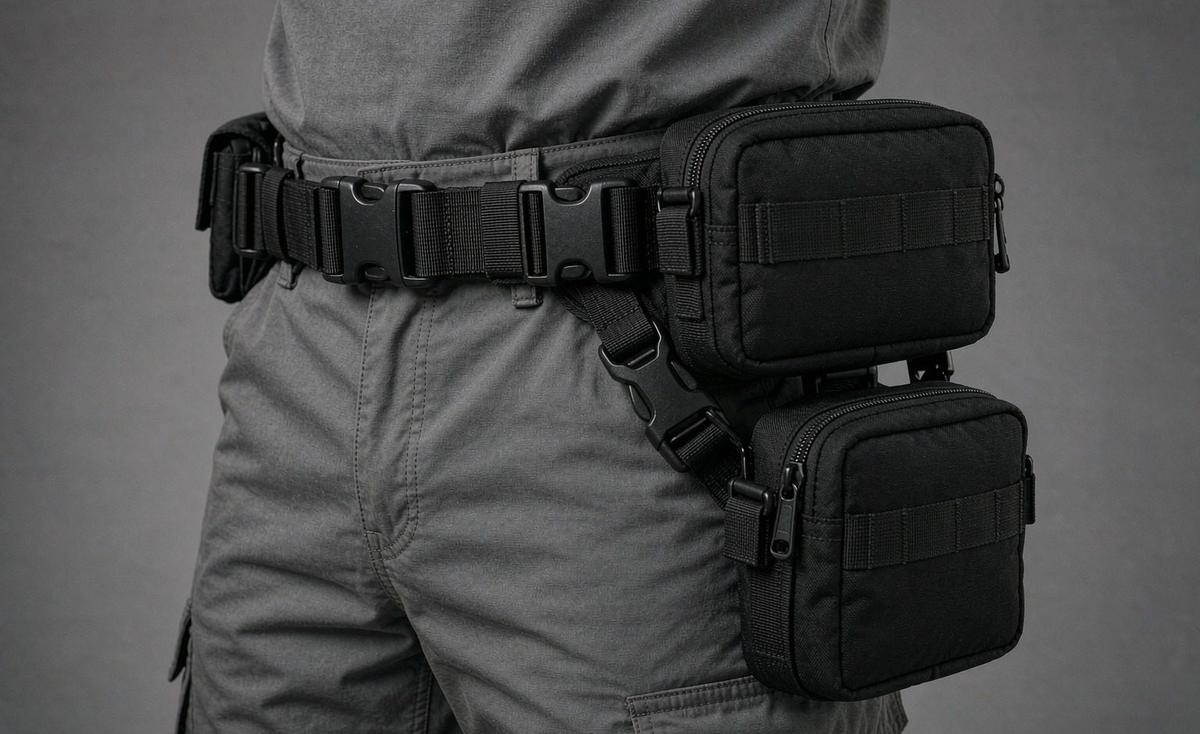
Why Flexible Funding Changes the Reward Budget
On a fixed funding campaign the target is a gate: miss it and no money moves. On flexible funding you keep whatever is raised, which sounds like freedom and behaves like a constraint. The custom bag reward is where the constraint bites hardest, because a custom bag carries a production minimum and a production lead time, and both are real whether you raised 100 percent of target or 40 percent of it.
The mechanism is straightforward once written down. MOQ is 500 pcs per style and colourway, bulk runs 35 to 50 days, and our terms are T/T 30/70 with the balance settled before shipment. That means the production commitment is made against forecast demand, not against confirmed pledges, unless the forecast is conservative enough to survive a shortfall. A flexible funding campaign that prices its bag reward as if the target were guaranteed is the campaign that ends up holding inventory it cannot fund.
The compensating advantage is that flexible funding lets you start earlier. Because there is no all-or-nothing gate, a campaign can open with a smaller media buy, validate the bag reward with real pledges, and then decide whether to commit to the second colourway. Our campaign bag specialist recommends treating the first colourway as the committed quantity and every additional colourway as an option exercised only after pledge data exists.
This is also why the bag reward should be quoted in two scenarios before launch: one at 60 percent of target and one at 120 percent. The difference between those unit prices is usually 8 to 15 percent, and knowing the spread in advance means the campaign page can be written against the conservative number while the upside is retained as margin rather than spent.
Reward Tier Architecture for Flexible Funding
A fixed funding campaign can afford five or six tiers because every tier is funded at the same moment. A flexible funding campaign benefits from fewer, deeper tiers, because each additional tier adds a packing combination and a forecast variable, and both cost money before they earn it. Three well-chosen tiers with a strong add-on menu outperforms six tiers on a campaign where the final raise is uncertain.
| Tier | Contents | Pledge band | Production commitment |
|---|---|---|---|
| Early bird | One bag, one colourway, campaign patch | 59 to 79 USD | Committed core quantity |
| Standard | One bag, colourway choice, dust bag | 79 to 99 USD | Committed core quantity |
| Duo | Two bags or one bag plus matching pouch | 139 to 169 USD | Second colourway as an option |
| Collector | Full set with all colourways and accessories | 219 to 279 USD | Exercised only on pledge data |
The production commitment column is the part most campaigns omit, and it is the part that decides whether the campaign is solvent. The first two tiers map onto a single committed production run. The third tier introduces a second colourway, and the fourth introduces the full colourway set. Exercising those options after pledge data exists converts an uncertain commitment into a measured one.
Early bird tiers deserve a specific caution on flexible funding. They drive the launch spike that makes the campaign look successful, but they are the lowest margin pledges in the structure. Cap them at roughly 15 to 20 percent of forecast units, because beyond that point the early bird discount is subsidised by standard pledges that may never arrive at the forecast volume.
For the structural comparison against the other platform, read Kickstarter versus Indiegogo for bag campaigns, and for tier design detail see how to structure reward tiers with bags.
Bag Types That Work as Indiegogo Perks
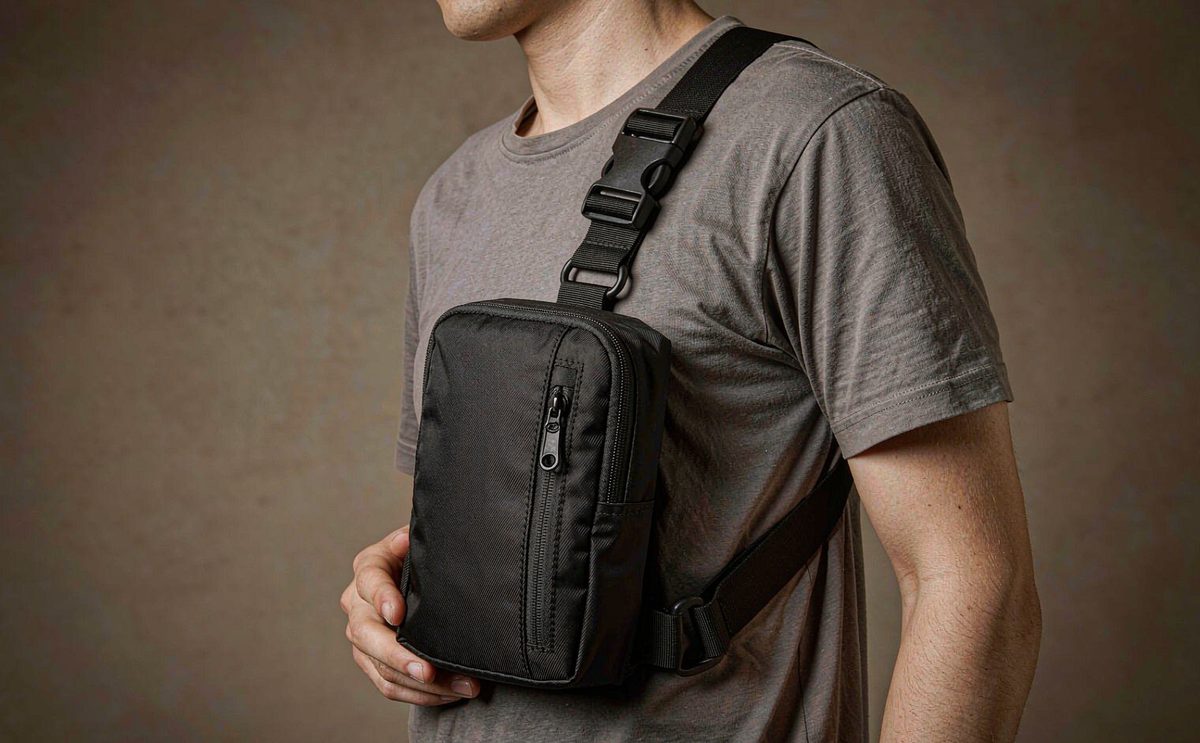
Indiegogo audiences skew toward tech, design and lifestyle projects, and the bag types that perform reflect that. The decision is less about which bag is best and more about which bag carries a clear use case that can be photographed in one image. A perk that needs three photographs to explain is a perk that underperforms, regardless of how good the product is.
- Tech backpack with a dedicated laptop sleeve, which converts well on gadget and productivity campaigns
- Everyday carry sling, which works as a mid-tier because it costs less and still feels substantial
- Packable duffle, which suits travel campaigns and ships cheaply because it compresses flat
- Structured tote, which suits design and lifestyle campaigns and photographs well with minimal styling
- Camera or drone insert bag, which commands a premium when tied to a specific device
- Pouch and organiser sets, which work best as add-ons rather than as headline tiers
The laptop bag and the duffle carry the highest average pledge values in our experience, while the tote and the pouch carry the highest unit volumes. A flexible funding campaign usually does better leading with one high-value bag and letting the lower-value items sit in the add-on menu, because add-ons convert at a higher rate than a second headline tier and they carry less forecast risk.
Our pages on custom laptop bags for tech campaigns, custom duffle bags for multi-category campaigns and custom tote bags for lifestyle campaigns each cover the specification decisions behind those categories, including fabric denier, hardware choice and the internal layout that photographs well.
Pricing the Bag Reward Against Cash Flow
Pricing on flexible funding has to clear three hurdles at once. The pledge has to look fair to a backer, it has to cover landed unit cost plus shipping plus platform and payment fees, and it has to leave enough margin to fund the production deposit before the balance is due. Campaigns usually check the first two and discover the third when the deposit invoice arrives.
- Start from landed unit cost, which is unit price plus freight plus duty plus handling, not from unit price alone
- Add platform and payment fees, typically 5 to 9 percent combined depending on the payment method
- Add shipping to the backer as a separate collected line rather than folding it into the pledge
- Add a returns and replacement reserve of 3 to 5 percent of units
- Check that the remaining margin covers the 30 percent deposit before the campaign closes
- Re-run the whole calculation at 60 percent of target volume, and publish only if it still clears
The deposit check is the one that decides solvency. With T/T 30/70 terms, 30 percent is due to start production and 70 percent before shipment. If pledges land at 60 percent of forecast and the price was set at forecast volume, the deposit may still be coverable while the balance is not, which is the worst position to be in because production has already started.
Quoting in two scenarios removes that risk. Our sourcing partner issues quotations at two volume bands as standard, so a campaign can see the unit price at 500 pcs and at 2,000 pcs before writing a single line of perk copy. Quotations are issued FOB Xiamen, which keeps the freight and duty lines visible and separate rather than hidden inside a landed price.
The Add-On Economy: Where Margin Comes From
On a well-run flexible funding campaign, add-ons contribute 20 to 35 percent of total revenue at a higher margin than the headline tier. The reason is behavioural: a backer who has already decided to pledge adds a pouch or a strap at a small incremental price, and that incremental sale uses the same carton, the same pick and the same shipment as the main reward.
- Price add-ons against incremental cost, because they ride on packing and shipping already paid for
- Keep add-on items to components that use the same material and trim as the main bag
- Limit the add-on menu to four or five items, because long menus slow the pledge decision
- Offer colourway swaps as a paid add-on rather than as a free choice, which protects the colourway forecast
- Bundle two add-ons at a small discount to lift average pledge value without a new production item
The material commonality point is what protects the production schedule. An add-on pouch made from the same fabric roll and the same webbing as the main bag can be produced in the same run, while an add-on that needs a new material introduces a new purchase, a new approval and a new lead time. Our production team reviews the add-on list against the bill of materials before sampling, specifically to catch items that look small on the page and large in the factory.
Colourway swaps as a paid option are underused. On flexible funding, an open colourway choice creates a forecast problem, because the split is unknown until pledges close and each colourway carries the 500 pcs minimum. Charging for the swap both reduces the number of backers who exercise it and generates revenue that covers the extra setup.
InDemand: Keeping the Bag Reward Alive
InDemand is the continuity mechanism that suits a custom bag reward better than any other platform feature. After the campaign closes, the perk page stays open and late pledges continue to arrive, which converts a one-off production run into a rolling one. For a product with a 35 to 50 day bulk lead time and a 500 pcs minimum, that rolling demand is the difference between one run and two.
The operational version of this is simple: keep the core colourway permanently available on InDemand and consolidate demand into scheduled production windows. Rather than producing 500 pcs for the campaign and 500 pcs for InDemand separately, our programme coordinator groups InDemand orders into quarterly runs so each run clears the minimum comfortably and each run gets a single setup.
- Keep one colourway permanently open on InDemand to accumulate demand between runs
- Publish a production window rather than a ship date, so late pledges enter the next run cleanly
- Consolidate InDemand orders into scheduled runs to clear the minimum once rather than twice
- Hold a small finished buffer from the main run to serve InDemand orders immediately
- Re-use the approved sample and specification, because re-sampling for an InDemand run is avoidable cost
That last line is worth emphasising. An InDemand run on the same specification does not need re-sampling, which removes 6 to 10 working days from the calendar and removes the sampling cost entirely. The saving only applies if the specification was documented properly the first time, which is another argument for treating the sample approval pack as a permanent asset.
Timeline Reality: Sampling and Bulk
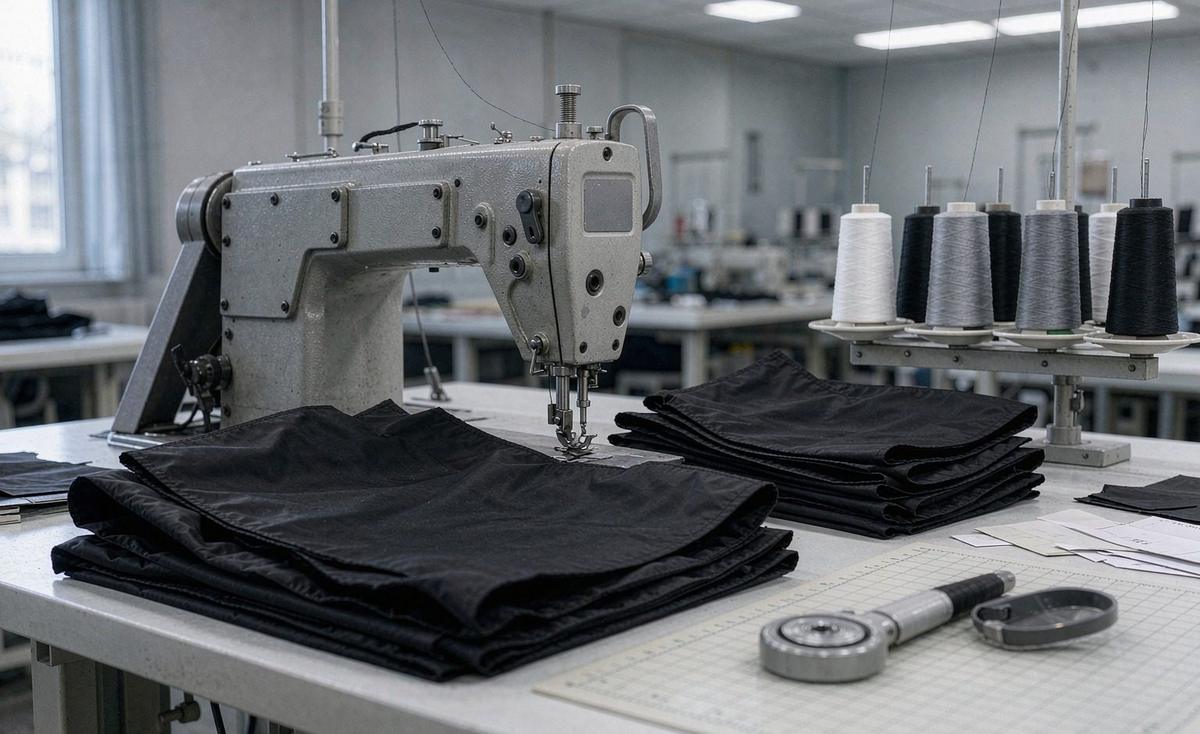
The production calendar is the constraint that flexible funding cannot negotiate around. Sampling runs 6 to 10 working days for a conventional build and 12 to 15 working days where the bag includes moulded panels, bonded seams or laminated foam. Bulk runs 35 to 50 days. Those two windows sit between the campaign closing and the first reward arriving, and no amount of funding flexibility shortens them.
| Stage | Duration | Owner | Note |
|---|---|---|---|
| Pledge data locked and colourway split confirmed | 3 to 5 working days | Campaign | Survey close |
| Sampling and first article approval | 6 to 10 working days | Our production team | 12 to 15 for complex builds |
| Bulk production | 35 to 50 days | Our production team | Planned at the upper end |
| Inspection to AQL 2.5 to ISO 2859-1 | 1 to 2 working days | Inspection team | Plus rework if a lot fails |
| Freight and clearance | 25 to 40 days by sea | Forwarder | Air reduces transit, raises cost |
| Fulfilment to backers | 7 to 14 days | Campaign or 3PL | Depends on address collection |
Read the total and the flexible funding problem becomes concrete: roughly 90 to 120 days from campaign close to first delivery, before any allowance for a failed inspection lot or a delayed survey. A campaign that promises six weeks has promised something the calendar cannot deliver, and on flexible funding the backer has already paid, which makes the disappointment sharper.
The two levers available are starting sampling during the campaign and holding a finished buffer. Sampling during the campaign is legitimate because the specification does not depend on pledge volume, only on the design, and it removes the sampling window from the post-campaign calendar entirely. Our guide to bag sampling across platforms covers how to sequence that without committing to bulk before pledges close.
Colourway and Kitting for Higher Pledge Value
Colourway strategy on flexible funding is a forecast decision disguised as a design decision. Each colourway carries the 500 pcs minimum, so three colourways of one style is a 1,500 unit commitment regardless of how the pledges split. The safe pattern is one committed core colourway, one second colourway exercised on pledge data, and a paid swap option that discourages casual changes.
Kitting is the cheaper way to raise pledge value, because a kit increases what the backer receives without increasing the number of production styles. A backpack plus a matching pouch plus a strap set reads as a premium offer on the page, and all three items can come from the same material purchase and the same production run.
- Commit one core colourway before launch and treat the rest as options
- Build kits from components that share fabric, webbing and hardware with the main bag
- Use packaging to raise perceived value, because a dust bag and a printed insert cost little per unit
- Keep the carton split simple, because every additional combination is a packing error opportunity
- Verify kits at carton close with a scan check rather than a visual count
The packing note matters more on flexible funding than on a fixed funding campaign, because a smaller team is usually handling fulfilment. Wrong colourway and missing accessory are among the most common backer complaints and both are packing errors rather than product defects. Our page on kitting and mixing colourways sets out the packing controls that prevent them.
Shipping Promises on a Flexible Funding Campaign
Shipping is where flexible funding campaigns lose the margin they carefully protected on the tier card. The two errors are folding shipping into the pledge, which makes the pledge look expensive and hides a real cost, and estimating shipping before the carton dimensions are known, which produces a number that turns out to be wrong.
The correct sequence is to measure the packed carton from the approved sample, get a rate card against those dimensions for each destination region, and then decide whether to charge shipping separately or offer free shipping at a higher pledge. Deciding before the sample exists means guessing, and guessing on shipping is the single most common cause of a campaign that funded well and delivered at a loss.
- Measure the packed carton from the approved sample, not from a design estimate
- Collect shipping as a separate line so a rate change does not erode the product margin
- Publish regional shipping bands rather than a single global figure
- Decide early whether duties are included, because duties paid terms change the paperwork and the price
- Budget a damage and loss allowance of 0.5 to 1.5 percent by sea freight
Our backer shipping cost guide sets out how to price the line, shipping reward bags to backers covers the transit methods, and DDP shipping for backers explains what changes when duty is included. All three should be read before the perk page is written rather than after.
Perk Copy and Photography That Convert
Perk copy on Indiegogo has one job that is easy to forget: it must tell the backer exactly what arrives. Vague superlatives do not convert as well as a measured specification, and they generate returns later when the product does not match an impression. Publish measured dimensions, internal volume in litres, weight, and the laptop size the sleeve actually fits.
Photography should come from the physical sample rather than from a render. A render can be produced before sampling and looks cleaner, but it creates a colour and proportion expectation that the delivered product may not match. Colour mismatch is a recognised return reason, and it is entirely preventable by photographing the approved sample under neutral lighting.
- Lead the image set with one hero shot on a neutral background
- Include one in-use shot with a person, because scale is otherwise impossible to judge
- Include one internal layout shot with the laptop or device actually inserted
- State dimensions, volume and weight in the specification block, measured from the sample
- State what is included and what is not, so the kit contents are unambiguous
Our sourcing partner supplies measured dimensions and internal volume with the sample approval pack specifically so the listing can be corrected before pledges close. Choosing the hero reward is covered in how to choose a hero reward bag, and tier pricing depth is covered in pricing tiers to maximise pledge value.
Risk Register for a Flexible Funding Bag Reward
Every flexible funding bag campaign carries the same six risks, and all six are cheaper to mitigate before launch than to manage during delivery. The register below is what our campaign bag specialist reviews at quotation stage, and each row has a named mitigation that costs little or nothing at that point.
| Risk | Trigger | Mitigation before launch |
|---|---|---|
| Raise below forecast | Pledges land under 60 percent of target | Quote at two volume bands and commit one colourway only |
| Deposit not covered | Slow pledge curve before production starts | Check margin covers the 30 percent deposit at low volume |
| Colourway split wrong | Open colourway choice on the perk | Charge for swaps and commit the core colourway first |
| Shipping underestimated | Rates quoted before carton dimensions exist | Measure the sample carton and get a rate card |
| Delivery promise missed | Calendar built on best case bulk timing | Plan bulk at 50 days and add a rework buffer |
| Packing errors | Many colourways and kits in one fulfilment run | Scan check at carton close and separate packing zones |
Working the register takes about an hour before launch and prevents the two outcomes that damage a brand: delivering late, and delivering at a loss. Neither is caused by a bad product. Both are caused by a number that was assumed rather than measured, which is the recurring theme across every section of this page.
If you want a second opinion on your tier structure and volume assumptions before launch, our Indiegogo and multi-platform crowdfunding hub covers the platform side in full, and you can send your perk structure to our campaign bag specialist through the quote and contact page.
Send your tier structure, forecast volume and target delivery month for a two-scenario quotation. Our campaign bag specialist will model the commitment against flexible funding cash flow, or reach us at service@junyuanbags.com.
Key takeaways
- MOQ 500 pcs per style and colourway, sampling 6 to 10 working days, complex 12 to 15 working days
- Bulk 35 to 50 days, inspection to AQL 2.5 to ISO 2859-1, FOB Xiamen, T/T 30/70
- Commit one core colourway and treat additional colourways as options exercised on pledge data
- Add-ons typically contribute 20 to 35 percent of revenue at higher margin than the headline tier
- Plan 90 to 120 days from campaign close to first delivery, and publish a month
- Check that margin covers the 30 percent deposit at 60 percent of forecast volume
Frequently Asked Questions
How does flexible funding change how I should budget a custom bag reward?
You are paid on what is raised rather than on a met target, so the production commitment has to survive a shortfall. Quote at two volume bands, commit one core colourway at the 500 pcs minimum, and treat every additional colourway as an option exercised after pledge data exists. Check that the remaining margin covers the 30 percent deposit at 60 percent of forecast volume, because that is the point where campaigns become insolvent rather than merely less profitable.
What is the minimum order for an Indiegogo bag reward?
MOQ is 500 pcs per style and colourway, so three colourways of one style is a 1,500 unit commitment. On flexible funding our campaign bag specialist recommends committing one core colourway before launch and using a paid colourway swap to manage demand for the others. That keeps the committed quantity aligned with what you can actually fund.
How long does it take from campaign close to first delivery?
Plan 90 to 120 days. Sampling is 6 to 10 working days, or 12 to 15 working days for complex builds with moulded panels or bonded seams. Bulk is 35 to 50 days, inspection is 1 to 2 working days, sea freight and clearance is 25 to 40 days, and fulfilment is 7 to 14 days. Starting sampling during the campaign removes that window from the post-campaign calendar.
Should shipping be included in the pledge or charged separately?
Charge it separately. Collecting shipping as its own line keeps the pledge looking competitive and protects the product margin when carrier rates change. Measure the packed carton from the approved sample first, get a rate card against those dimensions for each region, and publish regional bands rather than one global figure.
How many reward tiers should an Indiegogo bag campaign have?
Three or four rather than six. Each additional tier adds a packing combination and a forecast variable, and both cost money before they earn it. Put the lower-value items such as pouches and organisers into the add-on menu instead, because add-ons convert at a higher rate and carry less forecast risk than a second headline tier.
Do add-ons really make a difference to campaign revenue?
Yes, typically 20 to 35 percent of total revenue at a better margin than the headline tier, because they ride on packing and shipping that is already paid for. Keep the menu to four or five items and build them from the same fabric, webbing and hardware as the main bag, so they can be produced in the same run without a new material purchase.
How does InDemand work with a custom bag production run?
Keep one core colourway permanently available and consolidate the orders that accumulate into scheduled production windows, so each run clears the 500 pcs minimum once rather than twice. Re-using the approved specification removes the 6 to 10 working day sampling window from an InDemand run, which is the main cost saving available.
How should I handle colourway choice on the perk?
Commit one core colourway before launch, offer a second only after pledge data exists, and charge for colourway swaps. An open free choice creates a forecast problem because the split is unknown until pledges close and each colourway carries its own minimum. Charging reduces casual swaps and generates revenue that covers the extra setup.
What is a realistic delivery promise to publish?
A month rather than a date, built from named blocks with buffers. Plan bulk at the 50 day end rather than the 35 day end, add 7 to 14 days in case a lot fails inspection and needs rework, and add freight, clearance and fulfilment. State the assumptions on the campaign page so backers can see what the month is made of.
Should I use renders or real photographs on the perk page?
Real photographs of the approved sample. A render can be produced before sampling and looks cleaner, but it sets a colour and proportion expectation the delivered product may not match, and colour mismatch is a recognised return reason. Photograph the sample under neutral lighting and publish measured dimensions from the same unit.
What is the biggest financial risk on a flexible funding bag campaign?
Committing to production at forecast volume and then raising less. The mitigation is to quote at two volume bands, commit one colourway only, and confirm that the margin still covers the 30 percent deposit at 60 percent of forecast. Running that check takes an hour before launch and prevents the outcome where production has started and the balance cannot be funded.
Can I start sampling before the campaign closes?
Yes, and it is recommended. The specification depends on the design rather than on pledge volume, so sampling can run during the campaign and removes 6 to 10 working days from the post-campaign calendar. It does not commit you to bulk, which is decided after pledges close and the colourway split is confirmed.
People Also Ask
What is flexible funding on Indiegogo?
You keep whatever is raised rather than needing to hit a target, which makes reward budgeting a cash flow exercise rather than a gate.
How many bags should I order for a first Indiegogo campaign?
Commit one colourway at the 500 pcs minimum, then add colourways only once pledge data confirms the split.
Do Indiegogo backers prefer backpacks or totes?
Tech and productivity audiences convert best on laptop backpacks, while design and lifestyle audiences convert best on structured totes.
What margin should a bag reward leave?
Enough to cover landed cost, fees of 5 to 9 percent, shipping and a 3 to 5 percent replacement reserve, plus the 30 percent deposit.
Is InDemand worth using for bag rewards?
Yes, because it turns a one-off run into rolling demand that can be consolidated into scheduled production windows.
When should I collect backer shipping?
As a separate line, priced from the measured packed carton, after the sample is approved and before the perk page is published.
What causes a flexible funding campaign to deliver at a loss?
Shipping estimated before carton dimensions exist, and production committed at forecast volume that pledges never reached.