Kickstarter Laptop Backpack: Specs Backers Check Before Pledging
Backers pledge on a laptop backpack after checking four things: whether their device fits, how the sleeve is protected, what the pack weighs empty and whether the harness looks load-bearing. Each of those is a line in the tech pack with a measurable acceptance figure and a cost. At MOQ 500 pcs per style and colourway, sampling 6-10 working days and production 35-50 days, the specification list is what turns a render into a quotable, inspectable production order.
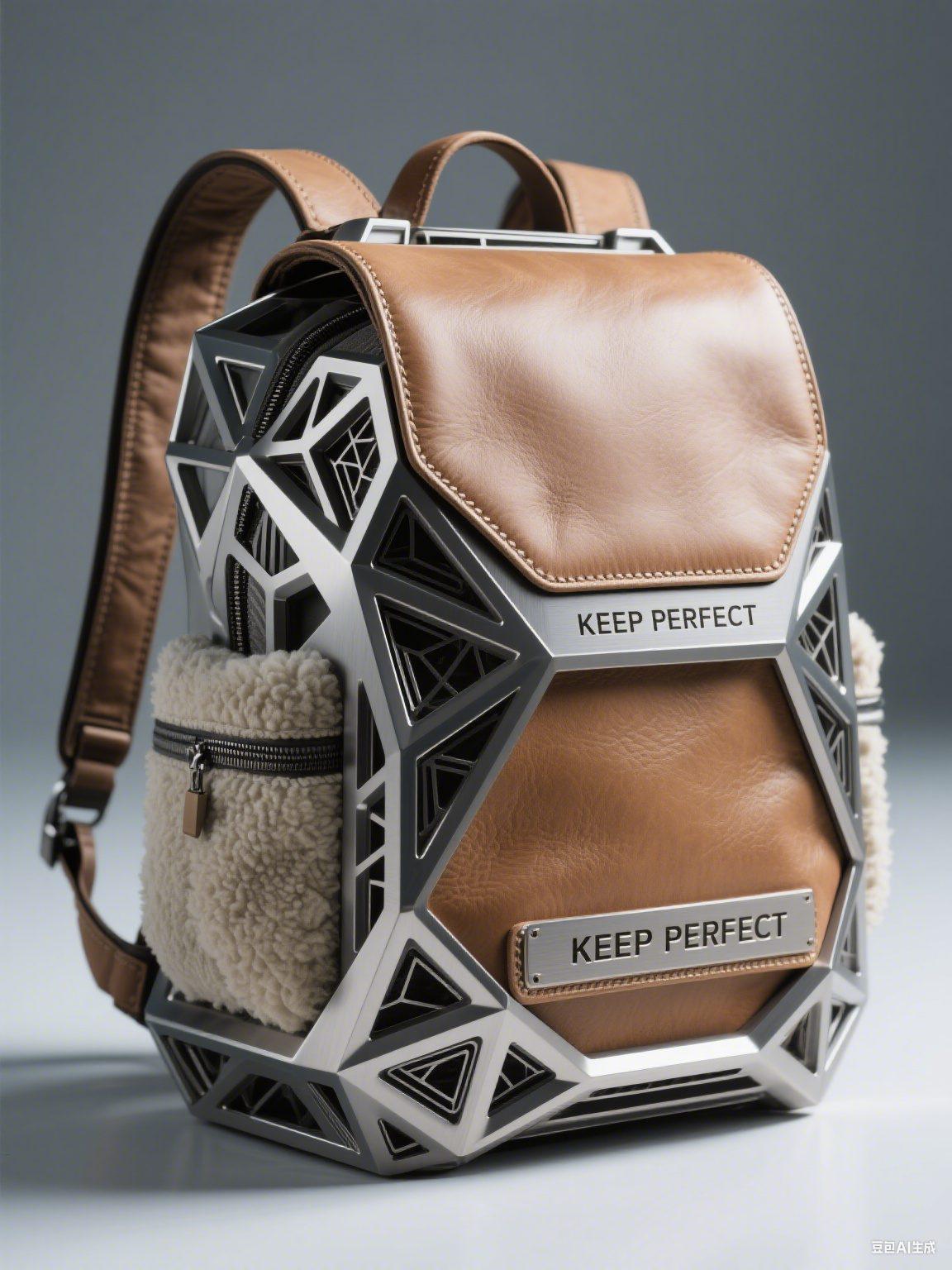
- The laptop sleeve is checked first
- Device sizing: internal dimensions versus the marketing number
- Drop protection specified by test
- Load testing and the standards worth naming
- Water resistance, coating and closure geometry
- Straps, back panel and comfort as a warranty lever
- Organisation, cable routing and pocket count
- Weight, dimensions and the carry-on question
- What each specification costs at 500 pcs
- Writing specs so the sample matches the page
- Inspection criteria for a laptop backpack run
- Specification checklist for the RFQ
The laptop sleeve is checked first
On a laptop backpack, one specification is read before any other: whether the device fits. Backers scroll to the device sizing line, compare it with the machine on their desk, and either continue or leave. That makes the sleeve the highest-value line in the entire tech pack and, paradoxically, the one most often written as a marketing number rather than as a dimension with a tolerance.
A sleeve specified as fits up to 16-inch laptops is not a specification. Sixteen-inch devices differ by several millimetres between manufacturers, and a sleeve that fits one manufacturer's 16-inch machine with 2 mm to spare will not close over another's. What belongs in the tech pack is a stated internal width, height and depth in millimetres, a stated clearance over the largest intended device, and a note on whether the sleeve is suspended above the base of the pack.
Suspension matters more than most creators realise. If the sleeve bottom sits directly on the base panel, a pack set down on a hard floor transmits that impact straight into the corner of the device. A false bottom — the sleeve base standing 15-20 mm above the pack base, with a compressible buffer beneath — is the cheapest meaningful piece of drop protection available and costs one pattern change rather than a material upgrade.
Everything in this article follows the same principle: a specification is only useful if it can be measured and inspected. That is what separates a campaign page from a production order, and it is what a sourcing partner needs in order to quote. If the base format is still open, the custom backpacks for Kickstarter category page sets out where a laptop pack sits against duffles, totes and travel bags on cost and lead time.
Key takeaways on laptop backpack specification
- State sleeve internal dimensions in millimetres with a clearance figure, never a nominal inch size.
- A suspended sleeve base 15-20 mm above the pack floor is the cheapest real drop protection available.
- Specify drop and load acceptance by test method, so inspection has something objective to check.
- Empty weight, external dimensions and device fit are the three figures backers compare before pledging.
Device sizing: internal dimensions versus the marketing number
Work from real device dimensions rather than from screen size. A 14-inch laptop commonly measures around 312 x 221 x 15 mm, a 16-inch machine around 356 x 248 x 17 mm, and a 13-inch ultrabook around 304 x 212 x 11 mm, though the spread between manufacturers is wider than most creators expect. Design the sleeve around the largest device the campaign claims to carry, then add clearance.
| Nominal device | Typical device footprint | Recommended sleeve internal | Notes |
|---|---|---|---|
| 13-inch ultrabook | Roughly 304 x 212 x 11 mm | 320 x 230 mm minimum | Comfortable; allows a 420D lining and 5 mm foam without bulk |
| 14-inch laptop | Roughly 312 x 221 x 15 mm | 330 x 240 mm minimum | The most common commuter target; suits a 25-30 L pack |
| 15-inch laptop | Roughly 340 x 235 x 16 mm | 355 x 250 mm minimum | Check the pack's external depth does not exceed carry-on frames |
| 16-inch laptop | Roughly 356 x 248 x 17 mm | 372 x 262 mm minimum | Requires a wider back panel; confirm the harness geometry still balances |
| Tablet or e-reader sleeve | Varies widely | Separate flat sleeve | Keeps a tablet from pressing against the laptop in the same compartment |
Clearance should be generous enough for the device to slide in with a sleeve or skin on it, and tight enough that it does not rattle. Ten to fifteen millimetres on width and height is the working range. Deeper is not better: a sleeve with 40 mm of slack lets the device shift and defeats the corner protection the padding is there to provide.
Depth is the dimension campaigns forget. A laptop with a protective hard case on it is several millimetres thicker than the bare machine, and a compartment that accepts the bare device may not close over the cased one. State whether the published fit figure refers to a bare or a cased device, because that single word decides how many backers complain in month one.
Drop protection specified by test
Shock-absorbing, protective and padded are adjectives. They cannot be quoted, built consistently across 500 units, or inspected. A drop specification states a height, a surface, a representative load and an acceptance outcome: for example, a loaded pack dropped from 0.8-1.0 m onto a hard surface with a representative device inside, with no damage to the device and no seam failure. That is a specification a line can build to and an inspector can verify.
- Padding material. Closed-cell EVA or PE foam at 5-8 mm on both faces of the sleeve; open-cell foam compresses permanently and stops protecting after a season.
- Corner construction. Reinforced or double-layered corners, because corners take the impact and are where a device actually fails.
- Suspended base. The sleeve floor standing 15-20 mm above the pack base with a compressible buffer beneath it.
- Closure at the sleeve mouth. An elasticated or hook-and-loop retention strap stops the device sliding out when the pack is opened.
- Separation from other load. The device compartment should not share a wall with a water-bottle pocket that can be crushed inward.
For transit rather than drop, ISTA 3A is the recognised parcel simulation for individually shipped packages and is worth booking if the campaign ships single units directly to backers. It tests the pack and its packaging together, which is the condition that actually fails in transit. Book it during the sampling window, because a test report requested in the final production week protects nothing.
Load testing and the standards worth naming
A laptop backpack carries more dead weight than any other bag category, and dead weight is what tears straps. The failure mode is rarely dramatic: a strap root begins to lift after four months, the stitching lets go, and the campaign receives a warranty claim long after the update cycle has ended. Specifying the load path by test rather than by appearance is what prevents that.
| Property | Test method | Typical acceptance target | When to run |
|---|---|---|---|
| Seam and fabric strength | ASTM D5034 grab test | A stated minimum force in newtons, recorded in the tech pack | During sampling, on the production fabric lot |
| Strap and handle attachment | Static load test with the pack loaded to a stated weight | No seam failure or visible distortion after a stated dwell time | First sample round and again at first-off in bulk |
| Abrasion resistance | ISO 12947-2 Martindale | A cycle count appropriate to the stated denier | At fabric selection |
| Water resistance of the shell | ISO 811 or AATCC 127 hydrostatic head | 1,000-5,000 mm for PU-coated fabric | At fabric selection |
| Rain shedding of the whole pack | AATCC 35 rain test | A stated maximum moisture ingress inside the device compartment | On the first sample |
| Parcel transit simulation | ISTA 3A | No damage to contents or structure after the test sequence | During sampling if shipping single units to backers |
The strap attachment test is the one that pays for itself. It costs very little to run, it catches the difference between a bar-tacked strap root and a merely stitched one, and it is the specification most likely to be quietly reduced when a quotation is being squeezed. Ask for the bar-tack count at each load point to be written into the tech pack, because bar-tacks are cheap to add and expensive to retrofit.
Water resistance, coating and closure geometry
Water resistance on a laptop pack is a claim with consequences: a wet device is a warranty claim, not a complaint. Physically, the water does not come through the fabric in normal rain. It comes through the seams, down the zip and in through the top opening. Specifying a coated shell and calling it weatherproof is therefore the wrong instruction, because it directs the budget at the least important path.
- Coated shell. PU or TPU coating with a stated hydrostatic head figure to ISO 811 or AATCC 127, typically 1,000-5,000 mm.
- Reverse-coil zips. The coil sits behind the tape, so the closure sheds water far better than a standard coil on an exposed compartment.
- Storm flap or garage. A covered zip garage at the top of the main compartment removes the most common entry point.
- Roll-top or extended collar. The most effective closure where the design allows it, because it removes a horizontal zip entirely.
- Seam construction. Bound or taped seams on the top panel matter more than on the sides, which rarely see standing water.
Be careful with the word waterproof. To make that claim credibly the construction has to change — welded seams, a roll-top closure and water-resistant zips throughout — and that change moves the build out of the standard 6-10 working days of sampling band into the 12-15 working day complex band, because the weld parameters must be set on the production fabric lot. Water-resistant is an honest, defensible and far cheaper claim.
Straps, back panel and comfort as a warranty lever
Harness specification is where a laptop pack earns or loses its reviews. A 2.5 kg load carried daily for a year exposes every shortcut: webbing that stretches, foam that bottoms out, mesh that abrades shirts, and a back panel that puts the load on one point instead of spreading it. None of these appear in photography, which is exactly why they are under-specified and then complained about.
- Strap webbing. 38 mm minimum on a laptop pack; 25 mm is acceptable only for a light daypack with no device load.
- Strap foam. Closed-cell EVA at a stated density and thickness, tapering at the shoulder rather than ending abruptly.
- Back panel. A laminated foam panel with spacer mesh, or a moulded air-channel panel where the campaign is positioning on airflow.
- Load lifters and sternum strap. Both are cheap additions that materially change how a heavy pack feels over an hour.
- Bar-tacks at every load point. Written into the operation sheet with a count, not implied by a drawing.
There is a specification trap worth naming. A heavily moulded harness looks premium in a render, adds four to eight days to the sampling window and requires a tooling decision, but is rarely the reason a backer pledges. On a first campaign at 500 pcs the money is better spent on webbing grade, foam density and bar-tack density — the three items that determine whether the pack still feels right in month twelve.
Organisation, cable routing and pocket count
Organisation is the most photographed aspect of a laptop pack and the easiest to over-specify. Each pocket adds a panel, a zip, a set-up and an inspection criterion. Nineteen pockets sounds generous on a campaign page and produces a pack that is heavier, slower to assemble and harder to inspect than a nine-pocket equivalent that puts the same items in better places.
Cable routing is the exception worth paying for. A pass-through port with an internal channel from a power-bank pocket to the device compartment is a stock component arrangement that reads as genuine design thinking, and it costs less than one additional external pocket. If the campaign intends to include a power bank as part of a higher tier, note that the battery itself carries transport and safety documentation requirements — UN 38.3 and IEC 62133 — which sit outside the bag specification entirely and need their own lead time.
A lay-flat device compartment that opens to 180 degrees is another high-value addition. It serves the airport security use case that business travellers specifically search for, requires no tooling, and is a closure geometry decision rather than a material one. It does, however, change the panel layout, so decide it before the first sampling round rather than during the second.
Weight, dimensions and the carry-on question
Empty weight is the specification experienced backers check and first-time creators omit. A 25-30 L laptop backpack with a padded device sleeve, a structured base and a padded harness typically lands between 0.9 and 1.4 kg empty. Publish the figure measured from the approved pre-production sample, not estimated from the design, because a pack that arrives 200 g heavier than advertised is a disappointment a backer can verify with kitchen scales.
External dimensions carry two commercial consequences. The first is airline compatibility: many carriers publish a cabin frame near 55 x 40 x 20 cm, and a pack marketed for travel is judged against it, so state the frame the pack was designed to and stay inside it. The second is freight: a structured pack ships air in volumetric terms, so a couple of centimetres of unnecessary height is paid for 500 times. Agree the carton with your rewards fulfilment partner before the pre-production sample is signed.
What each specification costs at 500 pcs
Specifications are not free, and on a laptop pack they concentrate in three places: foam, hardware and labour. The table below shows where the money goes for typical specification choices at a 500-pcs run, so the trade-offs can be made before the render rather than after the quotation. Figures are indicative ranges for a structured build and should be confirmed against a real bill of materials.
| Specification | Effect on unit cost | Effect on sampling window | Pledge value |
|---|---|---|---|
| Suspended, reinforced sleeve with corner padding | +3-6% | No change; one pattern adjustment | High — this is the specification checked first |
| Closed-cell EVA foam at 5-8 mm in the harness | +2-5% | No change | High over the life of the product |
| Reverse-coil zips on all external compartments | +3-7% | No change if stocked | Medium-high; visible and tactile |
| Lay-flat 180-degree device compartment | +2-4% | No change if decided before round one | Medium; strong for business travellers |
| Welded seams and a roll-top closure | +7-14% | +4-8 working days for parameter setting | Medium; justifies a waterproof claim |
| Moulded air-channel back panel | +6-12% | +3-5 working days | Low relative to cost on a first run |
| Additional external pockets beyond nine | +1-3% each | No change | Low; adds weight and inspection criteria |
Read the last two rows carefully. The two most expensive specification choices on a laptop pack — welded construction and a moulded harness — are also the two with the weakest link to pledge behaviour on a first campaign. Both are excellent candidates for a stretch-goal variant or a second-season re-order, where the fabric lot and print set-up are already paid for and the incremental cost falls substantially.
Send the specification list with the RFQ and ask for the cost impact of each line at 500, 1,000 and 2,000 pcs. The exercise takes a business day and tells you which specifications the pledge tier can actually carry, which is the only test that matters before a render is commissioned.
Writing specs so the sample matches the page
The purpose of a written specification is to make the approved sample, the campaign page and the inspection criteria the same document. When those three diverge, the campaign ends up promising one product and shipping another, and the dispute is unwinnable because the backer is holding the page and you are holding the tech pack.
- Write every published figure into the tech pack. Device fit, capacity, empty weight and external dimensions, each with a tolerance.
- Attach the test method to each claim. Drop height, load weight, hydrostatic head and abrasion cycles, each naming its standard.
- Photograph the approved sample for the page. The pack backers see should be the pack the line builds.
- Keep the measurement record. A dimension sheet signed at sample approval settles later disputes by comparison.
- Freeze the specification at publication. Later changes arrive as a surcharge and a delay, not as a revision.
- Retain one physical unit. Shade, dimension and construction disputes are resolved against it.
Our programme page on crowdfunding bag sample prototyping covers how to structure the mark-up and revision loop so the second sampling round is the last, which matters on a laptop pack because the device compartment geometry is the hardest thing to correct late.
Inspection criteria for a laptop backpack run
Pre-shipment inspection runs at AQL 2.5 under ISO 2859-1, and on a laptop pack the defect classes have to be defined in advance because so much of what matters is functional rather than cosmetic. A sleeve 4 mm short is not visible in a carton count but is a critical failure to the backer who owns the device it was meant to fit.
| Check | Method | Why it belongs in the criteria |
|---|---|---|
| Sleeve internal dimensions | Measured against the tech pack on a drawn sample | A short sleeve is an immediate fit complaint and cannot be corrected after packing |
| Sleeve base suspension | Measured clearance between sleeve floor and pack base | Confirms the drop protection the campaign claims actually exists in production |
| Device insertion and removal | Fit the stated largest device, cased if published | Catches padding compression and retention-strap problems |
| Bar-tack count at load points | Counted against the operation sheet | The specification most quietly reduced when a quotation is squeezed |
| Zip function under load | Open and close every compartment with the pack loaded | Catches binding zips on a curved panel before cartons close |
| Empty weight | Weighed against the published figure | A figure backers verify at home with kitchen scales |
Agree these with the production team before the run begins, and make sure they are written into the inspection criteria rather than raised afterwards. Our page on Kickstarter campaign bag QA and QC sets out how functional checks are documented alongside the standard cosmetic defect classes at AQL 2.5.
Specification checklist for the RFQ
A laptop backpack RFQ with a full specification list receives a quotable number quickly. One that arrives as a description receives a range, and a range cannot support a funding target. Use the checklist below, and where a figure is genuinely undecided, say so explicitly — an acknowledged open question is far cheaper than an assumed answer that reappears as a surcharge at sample approval.
- Largest device the pack must carry, with width, height and depth in millimetres.
- Whether the published fit refers to a bare or a cased device.
- Sleeve padding specification: material, thickness and corner reinforcement.
- Drop and load acceptance targets, with the test method named for each.
- Harness specification: webbing width, foam type and density, back panel construction.
- Closure specification: zip type and size, storm flaps, roll-top or lay-flat requirement.
- Target empty weight and external dimensions, including any carry-on frame to meet.
- Quantity at launch, stretch-goal volume, launch date and the reward price point.
With those items a production partner can return fabric and hardware options, a unit cost band at three volumes and a sampling window of 6-10 working days for a standard build. To start the conversation, use the quote request form. If volume rather than specification is the open question, What Is the MOQ for Custom Bags on a Kickstarter Campaign? covers the minimum by style, colourway and re-order economics, and the sourcing FAQs answer the questions creators ask most often.
Creators who publish detailed, accurate specifications set clearer expectations and receive fewer fulfilment complaints after delivery.
Kickstarter Creator Handbook
- Minimum order quantity
- 500 pcs per style / colourway
- Sampling
- 6-10 working days (12-15 for complex builds)
- Bulk production
- 35-50 days after deposit + approved pre-production sample
- Inspection
- AQL 2.5 to ISO 2859-1
- Trade term
- FOB Xiamen
- Payment
- T/T 30/70
- Production floor
- 4,950 m², SGS-verified
- Team
- 137 staff / 7 production lines / 149 machines
- Capacity
- 200,000 pcs per month
- Custom backpacks for Kickstarter campaigns
- Custom bags for Kickstarter — sourcing hub
- Custom bag categories and reward formats
- Campaign bag QA and QC
- Sampling and prototyping programme
- Rewards fulfilment planning
- Low MOQ bag production for creators
- Sourcing FAQs
- More campaign sourcing articles
Turn the spec list into a quotation
Send the device fit, harness detail, target weight and quantity. You get fabric and hardware options, a unit cost band at three volumes and the sampling window within one business day.
Frequently Asked Questions
What laptop size should a Kickstarter backpack be designed for?
Design around the largest device the campaign claims, using real dimensions in millimetres rather than a nominal inch size. A 16-inch machine measures roughly 356 x 248 x 17 mm, so the sleeve internal should be at least 372 x 262 mm with 10-15 mm clearance.
How much clearance should a laptop sleeve have?
Ten to fifteen millimetres on width and height is the working range. Less and a cased device will not close; more and the device shifts inside the compartment, which defeats the corner padding the sleeve is there to provide. State the clearance in the tech pack so inspection can measure it on a drawn sample.
Should the laptop compartment be suspended off the pack base?
Yes. A sleeve floor standing 15-20 mm above the pack base with a compressible buffer beneath is the cheapest meaningful drop protection available. Without it, setting the pack down on a hard floor transmits the impact straight into the device corner.
How is drop protection specified for a laptop backpack?
By test, not adjective: a drop height, a surface, a representative load and an acceptance outcome. A common frame is 0.8-1.0 m onto a hard surface with a representative device inside, with no device damage and no seam failure. Write the figure into the inspection criteria so it is verified on every production run.
Which test methods matter for a laptop backpack build?
ASTM D5034 for seam and fabric strength, ISO 12947-2 for abrasion, ISO 811 or AATCC 127 for hydrostatic head, AATCC 35 for rain shedding, and ISTA 3A for parcel transit when shipping single units directly to backers. Book all of them during the sampling window, because reports cannot precede fabric arrival.
What foam should be used in a laptop sleeve?
Closed-cell EVA or PE foam at 5-8 mm on both faces, with reinforced corners. Open-cell foam compresses permanently and stops protecting after a season, which turns into a warranty claim long after the campaign update cycle has ended. Specify density and thickness in millimetres rather than accepting a padded description.
Can a laptop backpack honestly claim to be waterproof?
Only with changed construction: welded seams, a roll-top closure and water-resistant zips throughout. That moves sampling into the 12-15 working day band and adds 7-14% to unit cost. Water-resistant is the defensible claim for most campaigns. A coated shell with covered zips satisfies most backers at a far lower unit cost.
What webbing width should a laptop backpack strap use?
38 mm minimum on a pack carrying a device. Twenty-five millimetres is acceptable only for a light daypack with no device load. Pair it with closed-cell EVA foam at a stated density and a bar-tack count written into the operation sheet.
How much should a laptop backpack weigh empty?
A 25-30 L pack with a padded sleeve, structured base and padded harness typically lands between 0.9 and 1.4 kg. Publish the figure measured from the approved pre-production sample, because arriving 200 g heavier than advertised is a disappointment backers can verify at home.
Does the device compartment need to open flat for airport security?
It is a strong addition for business travellers and needs no tooling, since it is a closure geometry decision rather than a material one. Decide it before the first sampling round, because changing panel layout during round two is expensive.
How many pockets should a laptop backpack have?
Around nine is usually the practical ceiling. Each pocket adds a panel, a zip, a set-up and an inspection criterion, so nineteen pockets makes the pack heavier, slower to assemble and harder to inspect without winning additional pledges. Put the budget into foam density, zip grade and bar-tack counts instead.
What functional checks belong in a laptop backpack inspection?
Sleeve internal dimensions, sleeve base suspension clearance, device insertion with the stated largest device, bar-tack count at load points, zip function under load and empty weight. Agree these before the run so they sit inside the AQL 2.5 criteria. A sleeve 4 mm short is invisible in a carton count but critical to the backer who owns the device.
What does a laptop backpack cost to produce at 500 pcs?
Unit cost depends on foam specification, zip grade and harness construction. A suspended reinforced sleeve adds 3-6%, quality harness foam 2-5% and reverse-coil zips 3-7%. Ask for all three at 500, 1,000 and 2,000 pcs before setting the pledge tier.
What should an RFQ state about device fit?
The largest device to be carried with width, height and depth in millimetres, whether the published fit means a bare or cased machine, and the padding specification. Those three items let a production partner quote the sleeve accurately in the first round.
People Also Ask
Will a 16-inch laptop fit in a Kickstarter laptop backpack?
It should, if the sleeve internal measures at least 372 x 262 mm. Check the published figure refers to the largest device claimed and whether it means a bare or a cased machine. Allow 10-15 mm clearance over the largest device the campaign claims to carry.
How do I know a laptop compartment is actually protective?
Look for stated padding thickness and material, reinforced corners and a suspended base 15-20 mm above the pack floor. Those three matter more than any shock-absorbing adjective. Ask which drop height, surface and load the claim was tested against.
Is a waterproof laptop backpack worth the extra cost?
Rarely on a first run. Welded seams and a roll-top add 7-14% to unit cost and 4-8 sampling days. Water-resistant construction satisfies most backers at a much lower cost. Reserve welded construction for a stretch-goal variant or a second-season re-order.
What weight is acceptable for a laptop backpack?
Between 0.9 and 1.4 kg empty for a 25-30 L pack with a padded harness. Publish the measured figure from the approved sample rather than an estimate from the design. A pack arriving 200 g heavier than advertised is a disappointment backers can verify at home.
Do more pockets make a laptop backpack better?
Not beyond roughly nine. Extra pockets add weight, assembly time and inspection criteria without moving pledge behaviour, so spend the budget on foam density and zip grade instead. Nine well-placed pockets outperform nineteen on weight, assembly time and inspection results.