How to Test Seam Sealing and Waterproof Claims on Campaign Bags
A waterproof bag claim must be proven on the complete construction, not inferred from coated fabric alone. Define the exposure first, then test fabric resistance, seam sealing, zips, closures and whole-bag ingress under a repeatable protocol. Use IPX language only when the exact product, orientation and method justify it, and carry the approved parameters into the 500-piece run through first-off, in-line and final leak checks.
- Choose a water-protection claim before a test
- Map every likely water-entry path
- Separate fabric resistance from product waterproofing
- Engineer taped, bound and welded seams
- Test zips, roll tops and closure geometry
- Use IPX ratings with precise product boundaries
- Write a repeatable whole-bag test protocol
- Control sealing parameters in production
- Combine leak tests with AQL inspection
- Publish claims that match the evidence
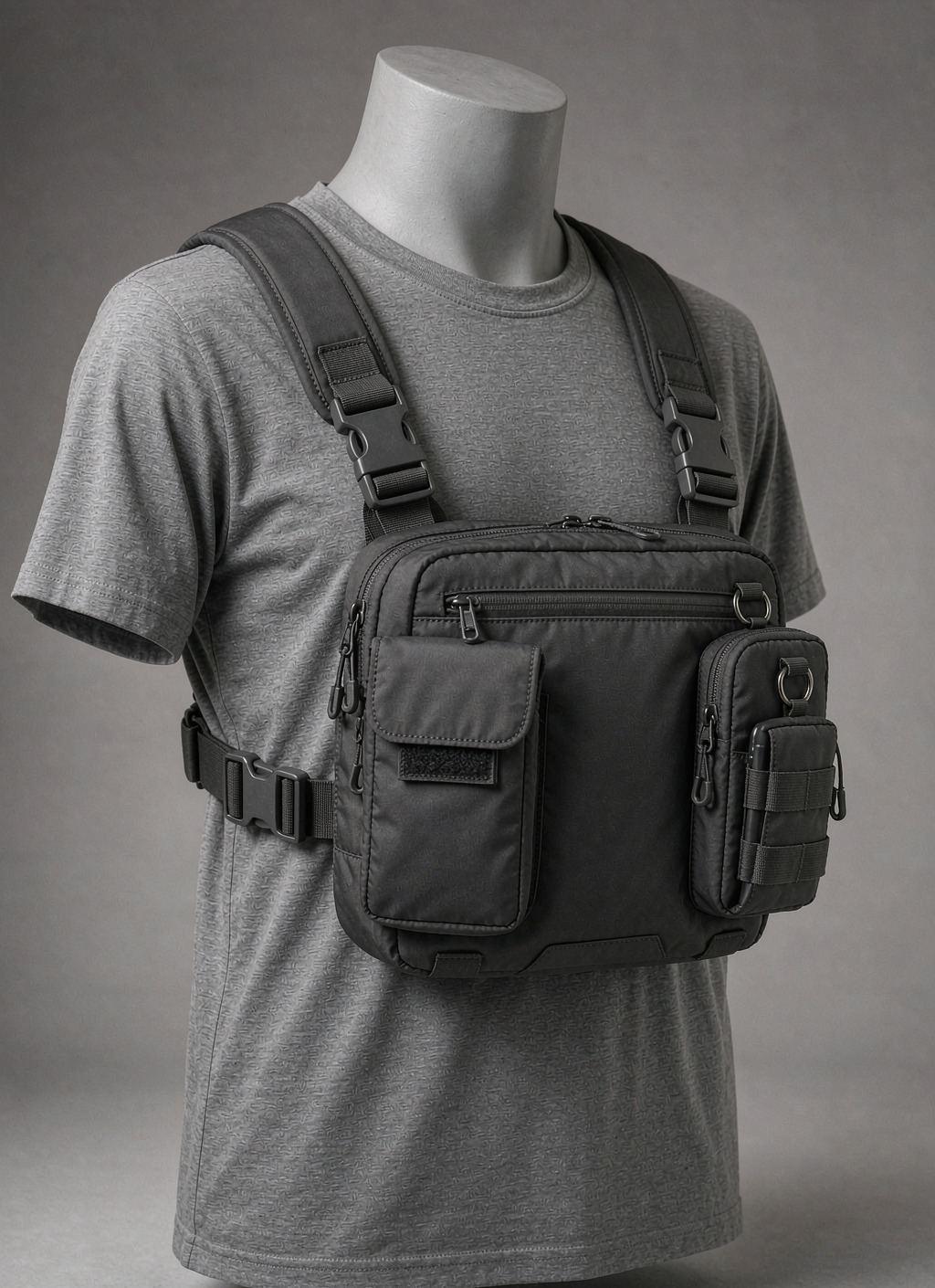
Water protection is a system property. A highly resistant shell can still leak at needle holes, zip ends, folded corners, valve fittings or a roll-top closed incorrectly. The creator should define exposure, duration, orientation, internal dryness criterion and acceptable change before selecting materials. Testing then validates a named construction under that protocol, while production controls keep temperature, pressure, dwell, overlap and workmanship within the approved window.
Choose a water-protection claim before a test
Begin with the backer situation, not the word “waterproof.” A city backpack caught in 20 minutes of rain, a cycling roll-top exposed to wheel spray, a wash bag containing a leak, a dry bag splashed in a kayak and an item intended for temporary immersion need different constructions and test methods. Write a claim statement with 6 elements: exposure source, intensity, duration, bag orientation, closure method and protected zone. Add exclusions such as deliberate immersion, pressure at depth or an external pocket that is not protected. This statement selects the protocol and prevents marketing from expanding a narrow result. Build a claim ladder. Water-repellent may describe surface behaviour under a defined spray; water-resistant may describe limited ingress under a stated rain exposure; waterproof suggests a stronger whole-product barrier and requires correspondingly stronger evidence. Do not use the tiers as synonyms. Avoid “100% waterproof” unless specialist review confirms that the complete product and intended use justify an absolute statement. Consider ageing. A new coating may bead impressively but lose performance after flex, abrasion or contamination. If the campaign promises daily use, condition the sample before repeating the ingress test. Define what constitutes leakage: visible droplets, moisture on witness paper, mass gain, damp seams or water reaching a protected compartment. Use an objective threshold where possible. Also state the user's closure steps. A roll top folded 3 times in the test cannot support a claim if the page shows 1 loose fold. Freeze the exact public wording before formal testing, then place it in the Kickstarter campaign bag QA and QC plan so sample, production and final inspection use one definition.
| Use case | Exposure to define | Likely test focus | Claim boundary |
|---|---|---|---|
| Urban commute | Rain from changing directions | Spray, zip ends and shoulder seams | No immersion |
| Cycling | Rain plus wheel spray | Seams, back panel and closure under motion | State pocket coverage |
| Dry bag | Splash or defined immersion | Roll top, welded body and whole-bag ingress | Depth and time explicit |
| Toiletry bag | Liquid contained inside | Lining seams and zip orientation | Containment, not outside waterproofing |
| Camera insert | Protected inner compartment | Outer-to-inner migration | Only named compartment |
| Beach pouch | Splash, sand and sunscreen | Closure contamination and coating | No pressure-at-depth claim |
Map every likely water-entry path
Create a leak map over the pattern and assembled sample. Mark shell panels, every stitch line, bound edge, tape start and stop, welded overlap, zip chain, slider garage, zip ends, hardware penetration, logo patch, vent, handle base, roll-top corner and lining join. Then rank each path by exposure and consequence. Top-facing seams and zip endpoints often receive direct water; lower corners hold pooled water; shoulder attachments combine needle holes with tension; a logo patch may pierce an otherwise continuous coating. Look inside as well as outside. Linings can transport water by wicking and make the source appear far from the visible wet area. Use coloured or otherwise traceable test water only when the method, material compatibility and cleanup are controlled. Dusting or witness paper inside can localise first ingress without assuming the largest wet patch is the entry. Test in multiple orientations that match use: upright, tilted, lying face down or compressed by load. Pressure changes when a soft bag flexes, so a rigidly supported empty specimen may understate leakage. The map should identify design controls before test controls. Move seams away from pooling zones, cover zip ends, extend tape beyond intersections, reduce needle penetration, use welded patches or choose a closure geometry that sheds water. A seam-tape machine cannot rescue an inaccessible 3-dimensional corner designed without application clearance. Mark access requirements on the tech pack. During sample review, compare the physical bag with the map and update both when pockets or branding move. The related custom bag durability testing guide is important because abrasion and repeated flex can create new entry paths after an initial dry test passes.
Separate fabric resistance from product waterproofing
Fabric tests describe a material specimen; they do not automatically describe a sewn bag. Record fibre, construction, weight, coating or membrane chemistry, coating side, finish, colour and lot. Relevant methods may assess hydrostatic resistance, spray behaviour, absorption, leakage or coating adhesion, selected by the test specialist for the claim. A high hydrostatic result can coexist with poor seam performance. Conversely, a tightly sealed product may still fail after the shell abrades. Test new material and conditioned material where use justifies it. Flex, crease, abrasion, heat, cold, laundering or chemical exposure can reveal cracking, pinholes, delamination and changes in hand-feel. Conditioning must be written and repeatable; “after wear” is not a method. Compare warp and weft or different panel orientations if construction is directional. Test the exact colour and finish intended for production because pigment and coating application can change results. For a 2-colour campaign, document why one colour is worst case or test both. Check wicking through cut edges and thread. Water can migrate along fibres beyond the original entry point, particularly at unsealed binding. Add fabric identity to incoming QC: article code, roll lot, width, weight, appearance and coating face. If a substitute arrives during the 35–50 day bulk window, do not accept it because a data sheet shows the same nominal rating. Compare the method, conditions, lot relevance and later processes. Printing, lamination and heat application can change the barrier. Retain approved roll swatches and enough material for confirmation testing. Precise material records let the production team connect a failed bag to fabric, seam or closure rather than blaming “waterproofing” as one undefined feature.
Engineer taped, bound and welded seams
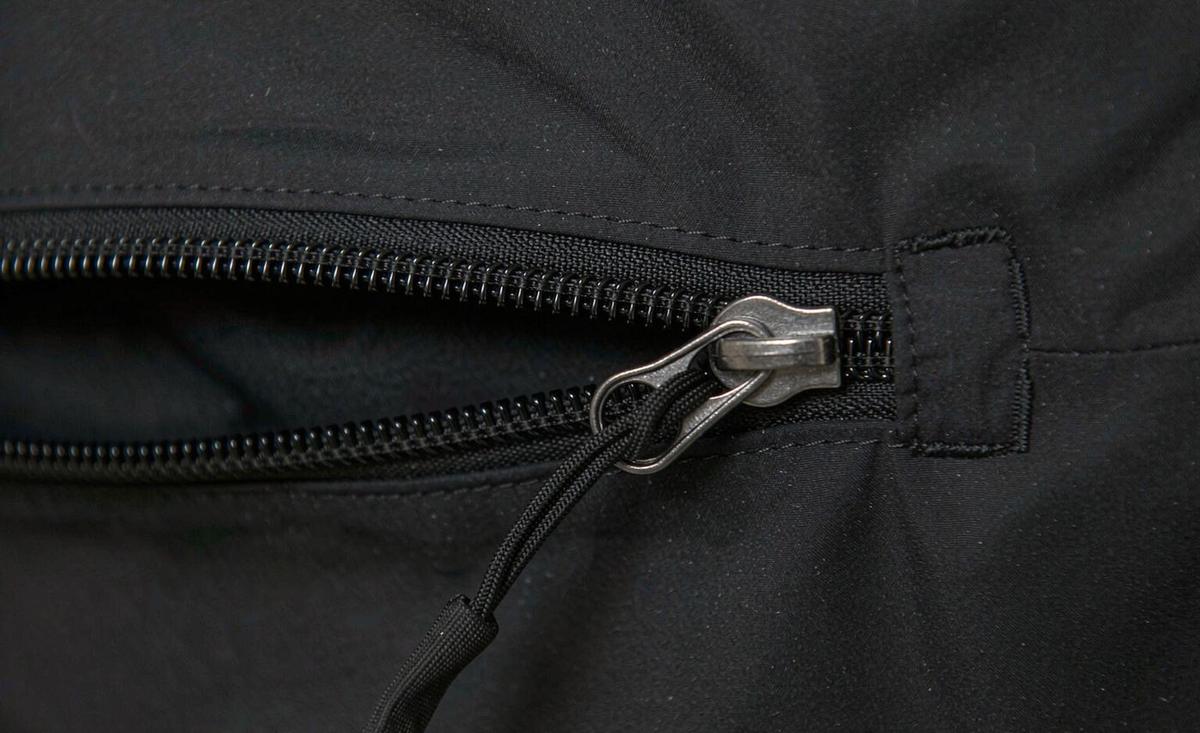
Seam construction determines whether needle holes and panel joins remain controlled. Taped seams use compatible tape applied over a sewn seam under a validated temperature, pressure, speed or dwell window. Too little heat can reduce bond; too much can distort coating or weaken fabric. Tape width, centred placement, overlap, corner treatment and start-stop finishing matter as much as machine settings. Build test strips across straight seams, curves, cross-seams and reinforcement stacks because thickness changes transfer energy. Peel or adhesion checks after conditioning can monitor bond, but whole-seam leakage remains essential. Bound seams usually organise raw edges and improve durability, yet standard binding is not automatically a water barrier. Water can wick through thread and exposed layers. If the claim depends on containment, select film, coated binding or an additional sealing approach and test the installed construction. Welded seams avoid needle holes but introduce their own process window: energy, temperature, pressure, dwell, overlap and electrode geometry. Material chemistry and coating thickness must be compatible. Inspect for channel leaks, incomplete fusion, thinning, scorching and brittle edges. A weld that looks continuous may contain a narrow unbonded path at an intersection. Design joints so the machine can reach them and so stresses do not peel the overlap during loading. Use destructive sectioning or peel samples at set-up where appropriate. Record approved parameters by material lot and machine, then verify first-off pieces before line release. Complex seam-sealed or welded builds commonly sit in the 12–15 working day sampling band rather than 6–10. The extra time is used to establish a stable process window, not merely to make the first sample look dry once.
Test zips, roll tops and closure geometry
Closures are usually the weakest planned opening. Water-resistant zip constructions can reduce ingress, but chain, slider, coating, sewing, curve, end stops and garages form one system. Test the installed zip under the bag's real tension. A straight coupon does not reproduce a curved main opening or an overfilled pocket. Focus spray on the slider, both ends and any stitched flange. Cycle the zip before retesting, because coating wear and slider friction can change performance. Record operating force as well as leakage; an aggressively shielded zip that backers cannot move is not a successful design. Roll tops depend on geometry and user action. Define the minimum number of folds, fold depth, side alignment, buckle engagement and load below the closure. Mark instructions visibly and test common imperfect closures to understand sensitivity, while basing the formal claim on the stated correct method. Reinforce buckle anchors without creating puncture paths into the protected zone. For flap or magnetic closures, review wind-driven paths and capillary gaps. Hook-and-loop may hold a flap but does not create a continuous barrier. Drawcords leave an opening unless a secondary construction controls it. Pocket claims need boundaries. A bag body may resist rain while an external quick-access pocket is deliberately drainable. Name the protected compartment rather than implying every cavity is dry. Hardware ports, cable holes and vents require gaskets, welds or explicit exclusion. Test after realistic packing because rigid contents can push against closure lines. The final tech pack should include photographs of correct closure and forbidden configurations. That same instruction belongs on any hangtag or campaign demonstration so the tested setup and backer behaviour are aligned.
Use IPX ratings with precise product boundaries
IPX terminology is attractive because it appears simple, but each level corresponds to defined water-exposure conditions and a tested enclosure configuration. A creator should not select a number from a marketing ladder and work backwards. Ask an accredited laboratory or qualified test specialist whether the chosen method is applicable to the bag, how flexible construction will be mounted, which compartments form the protected enclosure and what constitutes harmful ingress. Record the exact standard edition, rating, specimen orientation, closure method, loading, duration, water conditions and acceptance criterion. The X does not mean “extra waterproof”; it indicates that dust protection is not specified in that designation. Do not imply dust performance from a water result. Flexible bags present interpretation questions that rigid electronic enclosures may not: compression changes internal pressure, fabric moves, seams fold and the user closes the product manually. Resolve those details in the protocol before testing. If only an inner electronics compartment is assessed, the claim must name that compartment. If a test uses a sealed access port that production leaves open, the result does not represent shipped units. Test production-intent samples and repeat relevant checks after flex or closure cycling when durability is part of the promise. Keep the complete report, not only a certificate image. A campaign can also choose clear non-IPX language tied to a custom rain or immersion protocol when that better represents use. The evidence must still be repeatable and reviewed by an appropriate specialist. Avoid combining “IPX-rated,” “fully submersible” and “waterproof in all conditions” unless every phrase is independently supported. Precise boundaries strengthen trust; they do not weaken the product story.
Write a repeatable whole-bag test protocol
A whole-bag protocol needs enough detail for another operator to repeat it. Identify sample revision, size, colourway, material lots, seam process, zip codes, closure instructions and specimen count. State preconditioning and whether the bag is new, flexed, abraded or temperature-conditioned. Define internal loading, witness media and sensitive contents. Record mounting, orientation, distance, water source, pressure or flow where relevant, duration, movement and recovery time. Mark inspection points and the dryness criterion. Weighing can detect small mass changes, while witness paper or absorbent pads locate ingress; combine methods when needed. Photograph the interior before and immediately after, then again after a defined rest to distinguish surface condensation, wicking and active leakage. Include a control or system check so equipment performance is known. For immersion-style work, define depth relative to which point, air removal or retention, bag compression and closure handling. Never allow the operator to tighten a closure midway unless the method permits it and the intervention is recorded. Test at least the most severe realistic orientation and justify grouped variants. Formal evidence should use the signed pre-production sample. Standard sample builds take 6–10 working days, while seam-sealed, welded or complex waterproof work may take 12–15, plus laboratory and courier time. If the sample fails, map first ingress, change one variable where possible and repeat the complete affected protocol on a new specimen. Continuing after patching creates development information, not a clean qualification result. Link the final approved protocol to the construction register and campaign wording.
| Record field | Example control | Failure evidence | Production link |
|---|---|---|---|
| Specimen | Revision, colour and lot | Mismatch with approved build | Incoming identity |
| Closure | 3 folds and buckle engaged | Fold opens or channels form | Work instruction |
| Exposure | Named spray or immersion method | Flow, duration or position out of limit | Qualification only |
| Ingress | Witness paper plus mass check | Droplet, wet zone or gain over limit | Leak map |
| Conditioning | Flex and abrasion sequence | Crack or tape lift before water | Durability control |
| Disposition | Pass, redesign or retest | Root cause and corrective action | Release gate |
Control sealing parameters in production
Production transfer begins with a signed sample, approved seam sections and a process sheet. For tape, record machine, tape code and lot, fabric lot, temperature setting, pressure, speed or dwell, overlap, direction and operator checks. For welding, record the relevant energy and tooling parameters, overlap and fixture. Settings alone are not evidence because actual output can drift with warm-up, ambient conditions, roller wear and material variation. Verify first-off samples after the machine stabilises and at changeovers. Include straight seams, curves and intersections. Use quick checks such as visual centring, peel strips, short leak screening or destructive sections at a defined frequency, supported by periodic full-product tests. Calibrate gauges and maintain equipment. Operators should recognise lifting edges, bubbles, wrinkles, scorching, narrowing tape, skipped areas and channel paths. Mark nonconforming work and trace it to the last accepted check. Needle repairs on a sealed panel need an approved resealing method; an invisible restitch can add holes and compromise the claim. Protect coated surfaces from abrasion and contamination during line movement. At final assembly, inspect zip ends, roll-top alignment and any hardware penetration before lining hides access. A production line with 149 machines across 7 lines still needs dedicated specialist control for waterproof operations; total capacity of 200,000 pcs per month does not predict sealing throughput. Reserve that process in the 35–50 day plan. If volume grows above 500 pcs, confirm whether all sealing stays on the qualified equipment or moves to another line. Any transfer requires first-off approval and parameter verification before the additional units proceed.
Combine leak tests with AQL inspection
Final quality needs 2 layers: statistical workmanship inspection and a water-performance plan. AQL 2.5 to ISO 2859-1 samples finished cartons for defined critical, major and minor defects such as wrong construction, open seams, misaligned tape, damaged coating, zip failure, contamination and labelling. Water tests may use a different sample size or destructive procedure set by product risk and the agreed protocol. Do not assume the AQL sample alone is enough for every leak claim. Define whether first-off, in-line and final water screens are non-destructive, and how tested units are dried or removed from sale. A brief air or water check can screen seam continuity, while the full qualification method may be too slow for routine production. Set action rules. One leak at a critical welded intersection may trigger containment back to the last accepted process check, not merely classification as one major defect. Rework must use an approved method and be retested. Track leaks by location on the map to reveal recurring corners, tape starts or zip ends. The independent inspector should receive the approved sample, protocol summary, closure instructions, defect list and carton selection authority. Review reports and photographs before the T/T 70% balance and FOB Xiamen handover. The order minimum remains 500 pcs per style and colourway, so even a low leak percentage can create a large support burden and damage a headline promise. The third-party inspection guide helps determine when an independent witness should perform or observe the final checks.
Reconcile test counts with production records before release. The report should state how many first-offs, in-line samples, reworked units and final units were exposed, which method each received and whether any tested goods returned to saleable stock. Review process logs beside leak locations: repeated failure on one machine, operator, shift, tape lot or corner pattern can reveal a concentrated population even when the overall sample passes. If containment cannot identify a reliable last-known-good point, widen it rather than averaging early failures across all cartons. Require photographs before and after rework, plus a second test by someone who did not perform the repair. Carton selection must remain random and cover the full packing period. Keep units dry and odour-free before repacking, and replace any witness media or protective packaging affected by testing. The shipment decision should combine statistical outcome, process stability and claim risk; none of those 3 signals is sufficient by itself.
Publish claims that match the evidence
Build public wording from the final report, not from the fabric sales sheet. Name the protected area, exposure, closure method and meaningful exclusions in plain language. If the product completed a recognised IPX method, use the exact rating and configuration approved by the responsible laboratory; if it completed a custom rain protocol, describe that test rather than borrowing an IPX number. Demonstrate correct closure in campaign video. Keep shots consistent with the tested orientation and avoid dramatic immersion footage for a rain-only product. Explain care that preserves performance: keep zip tracks clean, inspect tape, dry before storage and follow coating-specific cleaning instructions. Avoid sharp folding if the material requires it. A limited claim can be a stronger conversion tool because backers know what use is covered. Keep the test report, sample identity, material lots, production checks and retained unit in the quality file. Train support staff to ask for lot code, closure condition, exposure, duration, orientation and photographs when a leak is reported. Compare returns with the leak map and retained sample. If field evidence reveals a new path, pause the affected batch where warranted and investigate rather than repeating the headline claim. To review a water-protection concept, send the use case, target wording, sketches, quantity and launch date through the quote request form. Our campaign bag specialist can coordinate material options, representative samples and production records, while qualified laboratories own formal rating interpretation. The goal is a claim that survives contact with both controlled water and informed backers.
Send the exposure scenario, closure concept, protected compartment, quantity and launch date to define waterproof evidence before sampling.
Frequently Asked Questions
Does waterproof fabric make a whole bag waterproof?
No. The finished product can leak through needle holes, seam intersections, bindings, zip ends, hardware penetrations and closures even when shell fabric has strong hydrostatic resistance. Test the complete production-intent construction in defined orientations and conditions. Keep fabric evidence as one layer, then qualify seams, zips and whole-bag ingress separately before applying a campaign-level claim to all 500 units.
What is the difference between water-resistant and waterproof bags?
The words imply different protection, but the meaningful distinction comes from a written exposure and acceptance criterion. Define water source, intensity, duration, orientation, closure and protected zone. A rain-resistant commuter bag is not automatically suitable for immersion. Avoid treating water-repellent, water-resistant and waterproof as interchangeable marketing tiers without corresponding whole-product evidence and clearly stated user instructions.
How are bag seams made waterproof?
Common approaches include compatible seam tape over sewn joins or welded overlaps that avoid needle holes. Each needs a controlled process window covering material, temperature or energy, pressure, speed or dwell and overlap. Bound seams are not automatically waterproof. Test straight seams, curves and intersections, then verify first-off and in-line production with approved quick checks and recorded parameter limits.
Are water-resistant zippers completely waterproof?
Not necessarily. Chain, coating, slider, panel tension, curve, sewing and zip ends form one system. Test the installed zip under representative packing and direct exposure, including the slider and endpoints. Cycle it before repeating the water test. State which pockets are protected, because an external quick-access pocket may intentionally remain outside the waterproof boundary and need separate campaign wording.
What does the X mean in an IPX rating?
The X indicates that dust or solid-particle protection is not specified in that designation; it does not mean extra waterproofing. Each water level has defined test conditions. A qualified laboratory should confirm applicability, sample mounting, protected enclosure and acceptance for a flexible bag before the campaign publishes any IPX number or demonstration.
Can a custom rain test replace an IPX rating?
A custom method can provide useful evidence when it better represents the bag's use, provided exposure, equipment, orientation, duration and failure limits are repeatable. It should be described honestly as a custom rain or ingress test rather than assigned an IPX number. Keep the protocol and report available behind the public summary and product instructions.
How long does waterproof bag sampling take?
A straightforward coated construction may fit the 6–10 working day standard window. Seam-sealed, welded or complex builds commonly need 12–15 working days to establish parameters and produce a representative sample, before laboratory and courier time. Leave room for leak mapping, redesign and a complete retest before campaign photography and claim approval. Add laboratory booking and courier transit separately.
Should waterproof testing happen before or after durability testing?
Do both in a planned sequence. Test initial ingress for a baseline, apply relevant flex, abrasion, closure cycling or environmental conditioning, then repeat ingress. This reveals coating cracks, tape lift and worn zip performance. Keep an unconditioned control so the team can separate ageing effects from specimen or equipment variation and document both results.
Does AQL 2.5 inspection include leak testing?
AQL 2.5 to ISO 2859-1 covers the agreed finished-lot defect plan, but water performance may require separate sample sizes and methods. Include visible sealing defects and short functional screens in inspection, then define first-off, in-line and final leak checks separately. One serious channel leak can trigger containment beyond its simple defect count and require documented rework.
Can every production bag receive a water test?
Some products support a short non-destructive 100% screen, while others use process checks and sampled tests because wetting, drying or pressure can damage saleable units. Choose the approach from risk and method. Qualification testing remains deeper than routine screening, and any tested saleable unit needs controlled drying and inspection before packing back into its marked carton.
What production parameters should be recorded for seam sealing?
Record fabric and tape lots, equipment, temperature or energy, pressure, speed or dwell, overlap, direction, operator, first-off result and check frequency. Settings can drift with warm-up, ambient conditions and roller wear, so verify output rather than trusting the display. Trace nonconforming work to the last accepted check and retest approved rework before release.
How should a waterproof claim be written for backers?
Name the protected compartment, exposure, duration or formal rating, correct closure and exclusions. Do not turn a shell-fabric result into a whole-bag promise or show immersion for a rain-only design. Keep the full evidence file and train support to collect lot code, closure condition, orientation and exposure details when a backer reports ingress, then trend cases by location.
People Also Ask
How do you test if a bag is waterproof?
Expose a representative closed bag to a defined spray or immersion method, then inspect objective internal witness media and mass change. Record orientation, duration and failure limits.
Do stitched seams leak?
Needle holes and thread can create water paths. Compatible seam tape, coating or a different joint construction may be needed, followed by whole-seam testing.
Are roll-top bags waterproof?
Only when materials, welded or sealed seams and closure geometry pass the intended protocol. The number and quality of folds must match the tested instructions.
Is IPX6 better than a rain test?
It is a defined rating condition, not automatically a better representation of every bag use. Select evidence from the intended exposure and obtain qualified interpretation.
Can waterproofing wear out?
Yes. Coatings, tape and zip surfaces can abrade, flex, contaminate or delaminate. Repeat ingress after relevant durability conditioning.
Why do waterproof bags leak at corners?
Corners combine folds, seam intersections, thickness changes and pooled water. Design machine access and tape or weld overlap before sampling.
When should production leak testing occur?
Verify first-off settings, screen at defined in-line intervals and perform final lot checks. Qualification of the full construction happens before bulk release.