Webbing and Straps for Bags: Fibre, Strength and Load Specs
Webbing is structural, not trim, and it should be specified by fibre, weave, width and thickness, strength band with the method named, and fit against hardware. Polyester is the default for reward bags because it stretches less, resists UV better and keeps strength when wet; nylon suits shock-loaded straps; polypropylene is for light duty only. Straps rarely break: they tear out at the anchor, slip through the adjuster or abrade at a hardware edge, so the specification must cover reinforcement, bar-tacks and thread as well as the tape. MOQ is 500 pcs, sampling 6 to 10 working days, bulk 35 to 50 days.
- Webbing as a Structural Component, Not Trim
- Nylon, Polyester and Polypropylene: the Fibre Choice
- Weave Types: Flat, Tubular, Twill and Herringbone
- Reading a Webbing Spec: Width, Thickness and Weight per Metre
- Breaking Strength and Elongation: Methods and Typical Bands
- Wet Behaviour, UV and Temperature: Environmental Performance
- Colour, Fastness and the Marking Problem
- Matching Webbing to Hardware: Fit, Slip and Adjustment
- Stitching and Anchoring: Where Straps Actually Fail
- Padding, Comfort and Load Distribution
- Testing, Sampling and Writing the Webbing Line
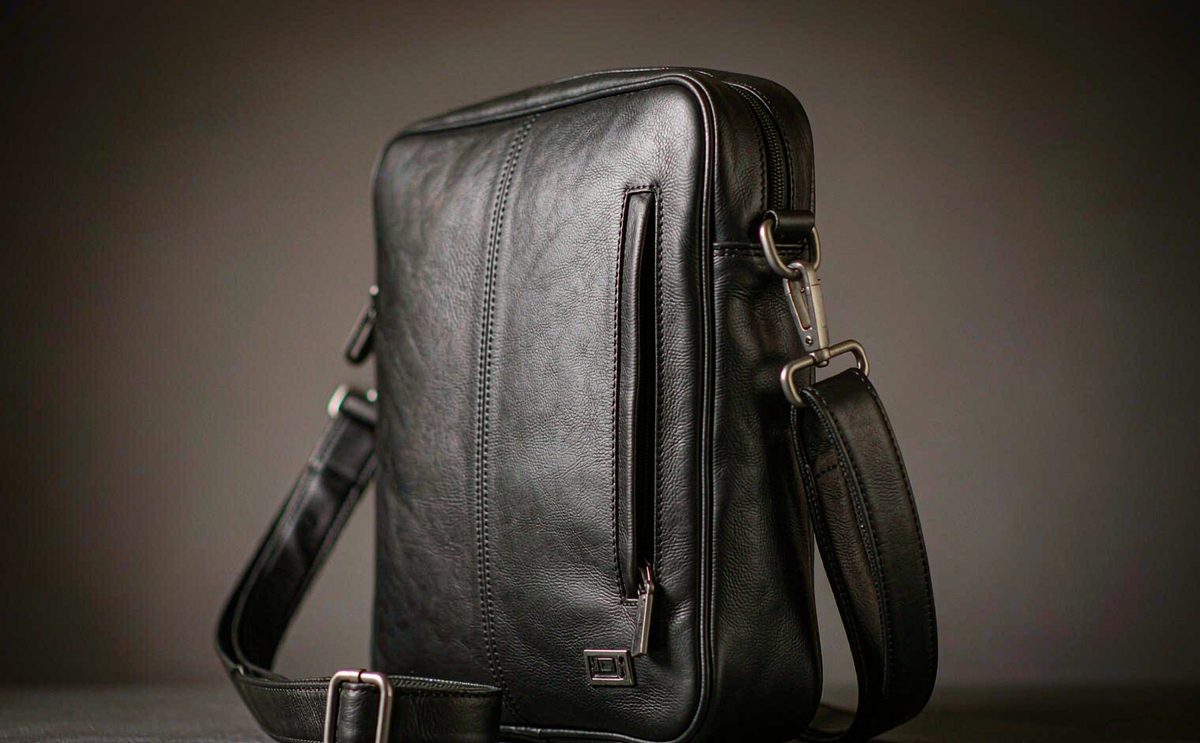
Webbing is the structural element most often specified as though it were trim. It is chosen by width and colour, and then it is asked to carry the entire load of the bag on a backer's shoulder. Getting it right is straightforward once you know the four variables that matter: fibre, weave, breaking strength with the test method named, and fit against the hardware. Polyester is the default for reward bags because it balances strength, stretch and UV behaviour at a sensible price; nylon is the upgrade where shock loading and abrasion dominate; polypropylene is the budget option for light-duty straps. This guide gives the typical strength bands, the environmental trade-offs, the anchoring details that prevent failure, and the specification language that stops substitution.
A strap rarely breaks. It pulls out of its anchor, slips through its adjuster, or abrades against a hardware edge. Specify the assembly, not just the webbing.
Webbing as a Structural Component, Not Trim
The first mental shift is to stop treating webbing as a colour choice. A shoulder strap on a loaded backpack carries a repeated, dynamic load: it is pulled, jerked when the wearer breaks into a run, and it sits under tension for hours. The webbing, the hardware it threads through and the stitching that anchors it form a single load path, and the path is only as strong as its weakest element.
That is why specifying webbing by width alone is not enough. Two straps of the same width can differ substantially in breaking strength depending on yarn type, weave density and finishing. A specification that says 25 mm polyester webbing leaves the supplier free to choose within a very wide band, and the cheapest point in that band is usually not the one you assumed when you wrote the campaign page.
Second, webbing does not fail alone. In our experience the three failure modes that reach a backer are anchor tear-out, where the stitching or the panel behind the strap fails; slip, where an adjuster creeps under load; and abrasion, where the webbing wears against a hardware edge or against the bag body. In each case the webbing itself is usually intact, which is why the strap specification has to include the anchoring and the hardware fit.
Our custom bags for Kickstarter campaigns overview places webbing inside the wider component sequence, and our bag hardware guide covers the other half of the load path in detail. A strap that carries a laptop or a camera is a safety component, not an accessory, and it should be specified with the same care as the shell fabric.
Nylon, Polyester and Polypropylene: the Fibre Choice
Polyester webbing is the default for reward bags and it is the right starting point unless something specific pushes you off it. It has good strength, low stretch compared with nylon, good resistance to ultraviolet degradation, and it retains its strength when wet and dries quickly. It is also the least expensive of the two performance fibres, which matters at a 500 pcs minimum and above.
Nylon webbing is tougher and more abrasion resistant, and it stretches more under load, which is a genuine advantage where shock loading is expected: a climbing-style strap, a sports bag haul loop, or anything that will be yanked rather than lifted. The trade-offs are that nylon absorbs more moisture, loses some strength when saturated, dries slowly and degrades faster in sunlight. For a bag that lives outdoors, those trade-offs usually decide the question.
Polypropylene is the cheapest option and it has one genuinely useful property: it floats. It is common on light-duty straps, promotional bags and marine-adjacent products. It has lower melting point, poor UV resistance unless treated, and a slightly waxy hand that some creators dislike. Use it where cost dominates and the load is modest, and be explicit about UV exposure if the product will sit in the sun.
- Polyester: default choice, low stretch, good UV behaviour, keeps strength when wet.
- Nylon: tougher, more abrasion resistant, more stretch, absorbs water, weaker UV performance.
- Polypropylene: cheapest, floats, poor untreated UV resistance, for light-duty straps only.
- Blends and speciality yarns: used for hand feel, recycled content or specific colour effects.
Weave Types: Flat, Tubular, Twill and Herringbone
Weave affects strength, hand, and how the strap behaves in hardware. Flat weave is the standard: a dense, flat tape with defined edges. It is the right choice for most straps because it feeds cleanly through sliders and buckles and it lies flat against the body when padded.
Tubular weave is a hollow tape that is softer and more comfortable against the skin, which is why it appears on backpack straps where comfort matters and on handles. It is bulkier for a given strength and it does not always feed through hardware as cleanly, so check the fit before committing. Twill and herringbone weaves give a diagonal surface pattern that improves abrasion resistance and gives a more technical appearance, at a slightly higher cost.
There is also a denser, seatbelt-style weave used where a smooth, glossy, high-strength strap is wanted. It feels premium, it slides through hardware easily, and it resists soiling, which makes it popular on camera straps and premium commuter packs. It is more expensive and it has a distinct sheen that will not suit every design language.
Whichever weave you choose, specify the edge finish as well. Synthetic webbing can be heat-cut to seal the edge, which is cheap and effective, or the end can be folded and stitched. An unsealed cut end on a woven tape will fray, and fraying at a strap end is one of the most photographed defects on a delivered reward bag.
| Property | Polyester | Nylon | Polypropylene |
|---|---|---|---|
| Relative strength | Good | Better | Lower |
| Stretch under load | Lower | Higher | Moderate |
| Abrasion resistance | Good | Better | Lower |
| Behaviour when wet | Retains strength, dries fast | Loses some strength, dries slowly | Unaffected |
| Ultraviolet resistance | Good | Moderate | Poor unless treated |
| Relative cost | Mid | Higher | Lowest |
| Typical placement | Shoulder straps, handles | Shock-loaded straps, sports bags | Light-duty and marine straps |
Reading a Webbing Spec: Width, Thickness and Weight per Metre
Three dimensions define a webbing tape. Width is the nominal size in millimetres and it drives hardware sizing. Thickness is what actually decides whether the tape fits through a slider, and it varies with weave and fibre even at the same width. Weight per metre, sometimes given as grams per metre, is the quickest proxy for how much material is in the tape and it is the number that changes when a supplier quietly downgrades.
Common width bands for reward bags are roughly 15 to 20 mm for accessory straps, grab handles and light attachment points; 25 mm for shoulder straps, compression straps and general webbing runs; and 38 to 50 mm for heavy load-bearing straps on travel bags, duffles and sports bags. Handles on totes often sit in the 20 to 25 mm band unless the design calls for a wide, soft handle.
The practical rule we apply is to specify width, thickness and weight per metre together, with tolerances. That closes the substitution gap. If a quote changes the weight per metre without changing the width, the tape is a different product and it will behave differently in hardware and under load.
Remember also that webbing stretches slightly under load and narrows as it does so. A tape that fits a slider perfectly at rest can behave differently when tensioned. That is another reason to test the assembled strap rather than only the components, and it is why we approve hardware against the physical webbing sample rather than a catalogue entry.
Breaking Strength and Elongation: Methods and Typical Bands
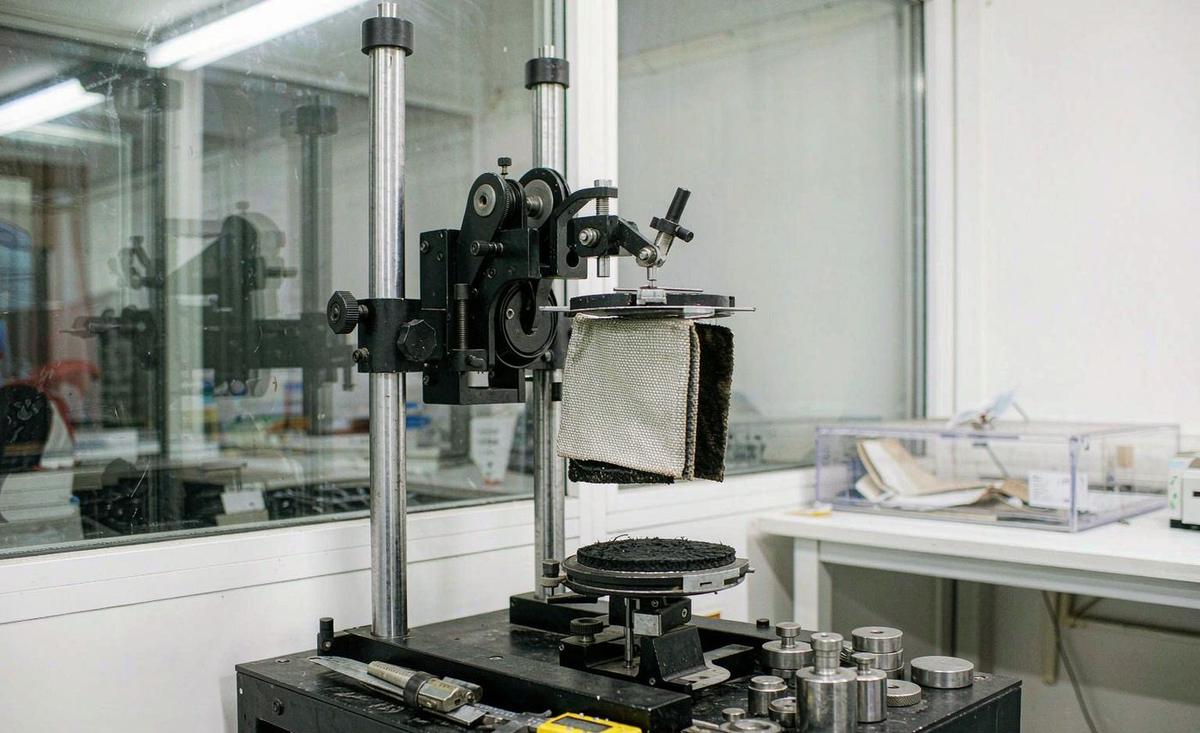
Breaking strength is the number creators want, and it is the number most often quoted without a method. For webbing tape the common reference is a tensile test on the strip with a defined gauge length and jaw type, and results are only comparable when the method and the specimen preparation are stated. Ask for the method name alongside the value.
As planning bands, narrow webbing in the 15 to 20 mm range is commonly rated in the low hundreds of kilograms force, 25 mm webbing in the several-hundred-kilogram-force band, and 38 to 50 mm heavy webbing can extend beyond a tonne-force, with woven construction, fibre and finish moving the result substantially within each band. Those are bands to confirm by test report, not values to design to.
More useful for a bag designer than the absolute break figure is the working load ratio. A strap should be specified so that its rated capacity is a comfortable multiple of anything a backer could realistically load it with, because the failure is rarely a clean break: it is progressive damage from abrasion, UV and shock. Our rule is to size the strap generously and then spend the real attention on the anchoring.
Elongation is the other half of the picture. Nylon webbing stretches noticeably more than polyester at a given load, which can be desirable for shock absorption and undesirable where a strap must hold a panel flat. Elongation is reported as a percentage at a defined load or at break, so state the load condition when you compare two options.
Wet Behaviour, UV and Temperature: Environmental Performance
Bags live outdoors, in cars, on beaches and in gym lockers, and webbing responds to all of it. Moisture matters most for nylon, which absorbs water, loses some strength when saturated and dries slowly. If a bag will routinely be used wet, such as a swim or surf bag, polyester is usually the safer specification and the lining and drainage design matter as much as the fibre.
Ultraviolet exposure is the slow, silent one. Polyester holds up well, nylon degrades faster and polypropylene degrades fastest unless treated. The visible symptom is fading, followed by a loss of strength that is invisible until something breaks. For any product marketed for outdoor use, ask for a light fastness result against a recognised method rather than assuming the colour will hold.
Temperature affects handling more than performance in normal service, but it matters at the extremes: a strap left in a hot car, or a bag used in freezing conditions where coatings and polymer hardware stiffen. Synthetic webbing has a melting point well above anything a consumer will encounter, but the coatings and finishes applied to it can behave differently, so if the product will see extremes, say so at specification stage.
Finally, consider chemical exposure. Sunscreen, chlorine and salt water all degrade textiles over time, and a beach or pool bag has a different duty cycle from a laptop commuter. Where the product sits in that category, choose the fibre for the environment first, then design the colour and hand around it.
Colour, Fastness and the Marking Problem
Dark webbing on a light bag is a design staple and a known quality risk. The failure is crocking, where dye transfers from the webbing onto lighter fabric or onto clothing. It is measured by a rubbing fastness test with dry and wet ratings on a defined scale, and it is one of the first things to specify when a design pairs a black strap with a pale shell.
The second risk is washing and light. A strap that bleeds in the first wash will ruin the panel it is sewn to, so a laundering fastness rating matters wherever a bag is machine-washable. Light fastness matters for outdoor products, as covered above. All three are reported as grades on a scale, and all three should be named with the method.
Third is shade matching between components. Webbing is dyed separately from fabric and from hardware, so a strap, a shell panel and a buckle specified as the same colour will rarely match exactly. Decide early whether the difference is acceptable, and where it is not, use a deliberate contrast instead of an attempted match. A designed contrast reads as intentional; a near-miss reads as a defect.
If you are ordering a printed webbing, for example a brand name repeated along a strap, add registration and repeat length to the specification, because a logo that is cut off at the end of a strap looks like an error. Our bag print quality and colour fastness guide covers the rating scales in more detail.
Matching Webbing to Hardware: Fit, Slip and Adjustment
Hardware and webbing must be approved together. The failure modes are too loose, which lets the tape twist or slip, and too tight, which makes adjustment unpleasant or scores the webbing. Because woven tape tolerances vary by weave and by supplier, nominal matching is not enough: measure the sample and fit the hardware to the measurement.
The second issue is slip under load. An adjuster holds a strap by friction over its centre bar, and the grip depends on tape thickness, weave texture and the angle of the webbing path. The test is simple: set the strap, apply a defined load for a defined time and measure movement in millimetres. If your design depends on a strap staying exactly where the user puts it, that measurement belongs in the specification.
Third is wear at contact. Any place where webbing passes over a metal edge, or where a slider sits at a fixed point and vibrates, will abrade. Deburred rings, smoothly moulded polymer hardware and a keeper that stops the strap end moving all reduce it. Where a strap passes through a metal ring repeatedly, consider a webbing sleeve or a wear patch at that point.
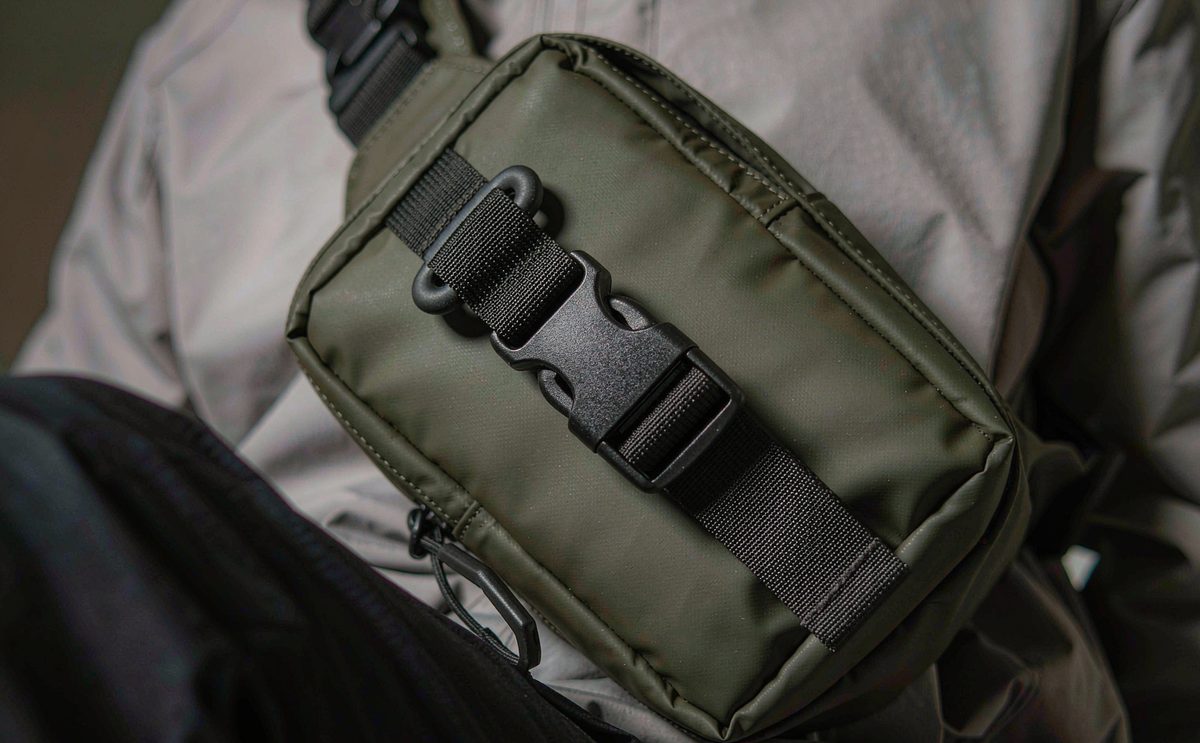
Our bag hardware guide covers the hardware side of these decisions, including release force, engagement force and the difference between a buckle and an adjuster. Where a strap is adjusted rarely and carries a fixed load, a sewn fixed length with a single adjuster is often more reliable than a fully adjustable run. Decide how much adjustment range the strap genuinely needs, because a long tail of surplus webbing flaps, catches on things and looks untidy in product photography.
Stitching and Anchoring: Where Straps Actually Fail
If you only improve one thing, improve the anchor. A strap sewn to a panel with a small stitch box will tear out long before the webbing reaches its rated strength. The standard remedies are a reinforcement patch behind the panel, a bar-tack or box stitch at the load point, and a stitch pattern that spreads load across a wider area rather than concentrating it at a line.
Thread matters as much as stitch pattern. Use a bonded synthetic thread of adequate ticket size, matched to the fibre so it does not degrade separately from the webbing. A seam sewn with a thread that is weaker than the strap is a specification error, and it is invisible until it fails.
Stitch density is a trade-off: closer stitching distributes load better, but every needle hole is a perforation of the panel, and on a coated or waterproof fabric it is a potential leak path. On waterproof products this is why anchors are often welded or taped rather than sewn, or why a reinforcement is bonded before stitching.
For validation, use a static pull test on the assembled bag, loaded to a multiple of the intended carry weight and held, plus a cycle test if the strap is adjusted frequently. Our companion piece on tote bag strap attachment and handle tear tests shows this applied to a simple product, and the same logic scales to backpacks. Anchors should be re-checked after any change to shell fabric, because a heavier or more tightly woven cloth moves the failure point further along the load path, and an anchor placed too close to a panel edge leaves too little fabric around the stitch box to resist the pull.
Padding, Comfort and Load Distribution
Above a certain load, strap width alone is not the answer; padding is. The comfort of a shoulder strap depends on how the load is spread across the wearer, and a narrow strap carrying a heavy bag concentrates pressure regardless of how strong the webbing is. Wider webbing plus a foam sleeve is the usual solution.
The padding material is a separate specification with its own density and compression behaviour, typically a closed-cell foam or an EVA sleeve inside a fabric cover. Too soft and it bottoms out under load; too firm and it feels like plastic. Our guide to padded bag materials, EPE and EVA foam density covers that decision in depth.
There is also a geometry element. A strap that is too wide at the neck, or whose padding extends too far down the front, will feel wrong even when the materials are right. This is a pattern and fit issue rather than a material one, and it is best resolved at sample stage with the bag loaded to its realistic weight rather than empty.
Finally, note the safety dimension. Strap length and configuration are regulated on children's products, and a long strap on a small bag creates an entanglement risk. If your range includes a kids' item, review bag safety standards for straps and choking hazards before finalising the pattern. Padding choice interacts with strap width too: a narrow strap with thick foam can roll at the edges, while a wide strap with thin foam does little to spread pressure.
Testing, Sampling and Writing the Webbing Line
A webbing line that can be quoted and enforced needs the fibre, the weave, the width and thickness with tolerances, the weight per metre, the breaking strength with the method named, the fastness grades where colour risk exists, and the hardware it has been approved against. Anything less leaves room for a substitution that nobody notices until the straps stretch.
Sampling runs 6 to 10 working days for standard builds and 12 to 15 working days for complex ones, and bulk runs 35 to 50 days after approval. Webbing in a standard colour is usually stocked, but a custom dyed or printed webbing has its own minimum lot and lead time, which sits in front of the sampling window. If your design depends on a specific strap colour, that is the first thing to confirm.
Finished goods are inspected to AQL 2.5 to ISO 2859-1, and the strap-related defects worth naming are loose or skipped stitches at anchors, unsealed cut ends, misaligned strap placement and shade mismatch against the approved standard. Naming them with limits makes an inspection result actionable.
Commercials are standard across our programme: FOB Xiamen with T/T 30/70. Our programme coordinator can review a strap specification before it goes out; send us a brief through the contact page and we will flag the gaps we would want closed.
Specifying straps for a reward bag? Send us your drawings, load expectations and quantity and we will come back with a costed webbing and hardware option.
Frequently Asked Questions
Should I use nylon or polyester webbing for a custom bag?
Polyester is the right default for most reward bags. It stretches less than nylon, resists ultraviolet degradation better, keeps its strength when wet and dries quickly, and it costs less. Choose nylon where shock loading or abrasion dominates, such as sports bags and haul handles, and accept that it absorbs more water and degrades faster in sunlight. Confirm the fibre in writing, because the two look identical on a swatch card.
What width of webbing should I use for a backpack shoulder strap?
Around 25 mm is the common band for general shoulder and compression straps, moving to 38 to 50 mm where the bag is heavy and the load needs spreading across the wearer. Narrower 15 to 20 mm tape suits accessory straps, grab handles and light attachment points. Width should always be paired with a foam sleeve once the load is significant.
How strong is 25 mm webbing?
As a planning band, 25 mm webbing is commonly rated in the several-hundred-kilogram-force range, with the exact figure depending on fibre, weave and finish. Narrow 15 to 20 mm tape sits lower and heavy 38 to 50 mm tape can exceed a tonne-force. Always require the value with the test method named, because results are not comparable across methods. Design to a comfortable multiple of realistic load rather than to the break figure itself.
Why does my bag strap keep slipping through the adjuster?
Slip happens when the tape thickness, weave texture and the friction path over the adjuster do not generate enough grip for the applied load. Test it by setting the strap, applying a defined load for a defined time and measuring movement in millimetres. Also finish the strap end so it cannot pull back through the slider, and check the result after the tape has been tensioned, because woven tape narrows slightly under load.
Is polypropylene webbing good enough for a bag strap?
It is fine for light-duty straps, promotional bags and products where low cost or buoyancy matters. It has lower strength, a lower melting point and poor ultraviolet resistance unless treated, so it is not a good choice for a load-bearing strap on an outdoor product. Treat the fibre choice as an environmental decision as well as a cost one, and confirm whether any ultraviolet stabiliser has been added to the tape.
Does nylon webbing lose strength when wet?
Yes, nylon absorbs moisture and loses some strength when saturated, and it also dries slowly, which matters for swim, surf and gym bags. Polyester retains its strength when wet and dries faster, which is why it is the safer specification for anything that will regularly be used damp. Lining and drainage design matter alongside the fibre choice, and a strap that stays damp against a panel will eventually mark or mildew whatever it touches.
How do I stop dark webbing marking a light-coloured bag?
Specify a rubbing fastness rating, tested dry and wet on the standard greyscale, and require the grade in the specification rather than assuming it. Dark webbing on a pale shell is the classic crocking risk, and a strap that bleeds in the first wash will ruin the panel it is sewn to. Approve a washed test panel before bulk, because a rating measured on the tape alone does not predict what happens where it is sewn against a pale panel.
What causes a bag strap to tear out of the bag?
Anchor failure, where the stitching or the panel behind the strap fails before the webbing does. Prevent it with a reinforcement patch behind the panel, a bar-tack or box stitch at the load point, a stitch pattern that spreads load, and a bonded synthetic thread of adequate ticket size. Validate with a static pull test on the assembled bag, loaded to a multiple of the intended carry weight and held for a defined time rather than pulled once to failure.
Should strap anchors be sewn or welded?
Sewn anchors are standard and cost-effective, and they are fine on most products. Where the panel is coated or the bag is waterproof, every needle hole is a potential leak path, so anchors are often welded or taped, or bonded before stitching. Decide this with the shell material, because it changes both the process and the tooling, and re-test the anchor after any coating change.
What is the MOQ for custom webbing on a bag order?
The bag MOQ stays at 500 pcs per style and per colourway. Standard colours of webbing are usually stocked, but a custom dyed or printed tape carries its own minimum lot quantity and lead time, which sits in front of the sampling window. Confirm both if your design depends on a specific strap colour or a printed repeat, since a tape minimum lot can exceed what a single colourway needs.
How long does sampling and bulk take for a bag with custom straps?
Sampling runs 6 to 10 working days for standard builds and 12 to 15 working days for complex ones once materials are available, and bulk runs 35 to 50 days after approval. Custom webbing adds its own dyeing or weaving lead time before sampling starts, so confirm strap colour availability early in the programme. A custom woven or printed tape is usually the longest-lead item in a strap specification.
What inspection standard applies to strap defects?
Finished goods are inspected to AQL 2.5 to ISO 2859-1. Name strap defects as their own classes with acceptable limits: loose or skipped stitches at anchors, unsealed cut ends, misaligned strap placement and shade mismatch against the approved standard. Pair that with an assembled pull test result at approval rather than relying on visual inspection only, and keep a reference strap from the approved sample for later comparison.
People Also Ask
Is nylon or polyester webbing stronger?
Nylon is generally tougher and more abrasion resistant, while polyester has lower stretch and better UV behaviour. For most bags, polyester is the better default.
What width webbing do I need for a tote handle?
About 20 to 25 mm suits most tote handles, with wider tape where the bag carries weight. Pair the width with a bar-tacked anchor and a reinforcement patch.
How do I stop webbing fraying at the end?
Heat-cut synthetic tape to seal the edge, or fold and stitch the end. An unsealed cut end frays quickly and is one of the most photographed defects on a delivered bag.
Why is my strap twisting in the slider?
Usually a thickness mismatch between tape and hardware. Measure the webbing sample and size the slider to it, rather than matching nominal catalogue widths.
Does webbing fade in sunlight?
Yes, and the rate depends on fibre. Polyester holds up best, nylon degrades faster and polypropylene fastest unless treated. Ask for a light fastness rating.
Do I need padding on a shoulder strap?
Once the load is significant, yes. Width alone does not spread pressure; a foam sleeve over wider webbing is the usual solution, with density chosen for the load.
How many bags do I need to order?
The minimum is 500 pcs per style and per colourway. Custom dyed or printed webbing carries its own minimum lot quantity on top of that.