Padded Bag Materials: EPE, EVA and Foam Density for Tech Protection
Padding protects by spreading an impact over distance and area, so foam family and density matter as much as thickness. Closed-cell foam in the 5 to 10 mm band is the mainstream answer for device sleeves, with EPE for cost-led cushioning, XPE where compression recovery matters and EVA where the foam must also hold shape. Typical densities run from about 18 to 40 kilograms per cubic metre for EPE and higher for EVA. Suspend the sleeve, line it with a non-abrasive fabric, and specify compression set alongside density. MOQ is 500 pcs, sampling 6 to 10 working days, bulk 35 to 50 days.
- What Padding Actually Does: Cushioning Versus Structure
- Foam Families: EPE, EVA, PE and Polyurethane Compared
- Density and Compression: the Numbers That Matter
- Thickness, Layering and the Softness Curve
- Laptop and Tablet Protection: Sizing and Suspension
- Camera and Equipment Bags: Dividers and Rigid Inserts
- Lamination, Skiving and How Foam Becomes a Panel
- Covering Materials: What Goes Over the Foam
- Drop Testing and What a Rating Actually Means
- Weight, Bulk, Heat and Other Trade-offs
- Sampling, QC and the Padding Specification Line
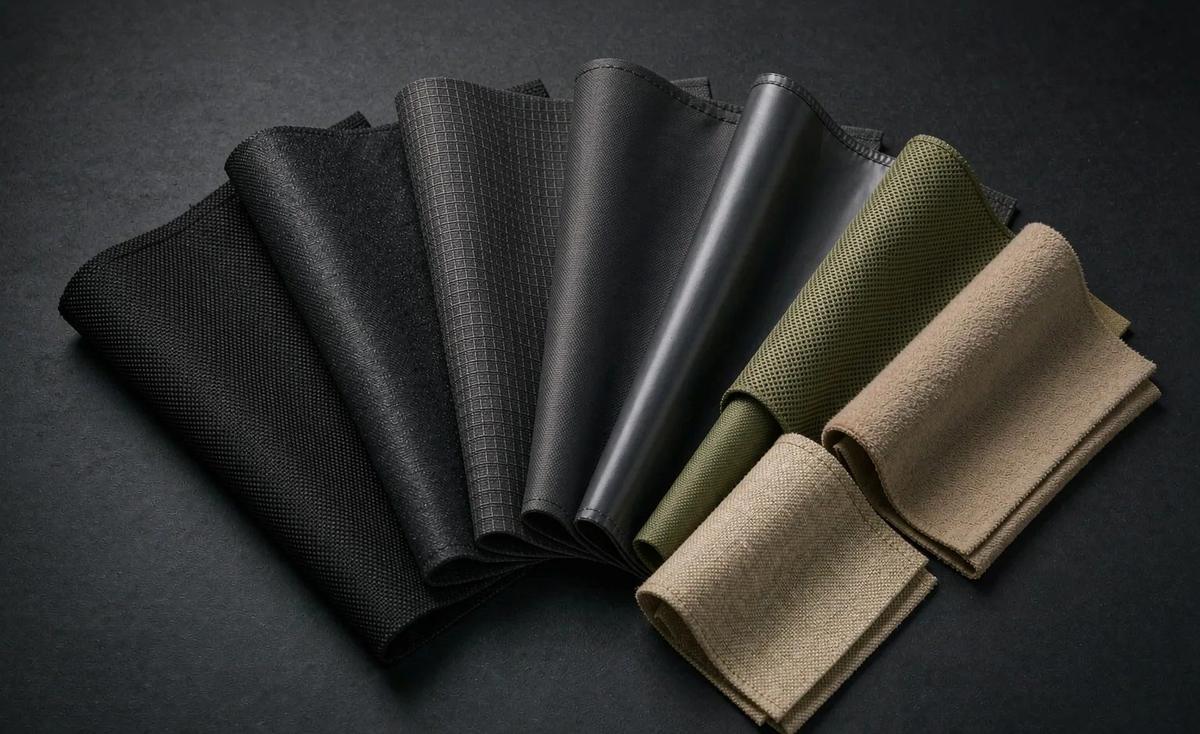
Padding protects a device by doing two things at once: it spreads an impact over a longer distance and a larger area, which lowers peak force, and it holds the device away from the hard edges of whatever the bag hits. Thickness alone does not achieve that, because a foam that is too soft bottoms out and a foam that is too hard transmits the shock. The practical specification is therefore foam family plus density plus thickness, and for a tech reward bag the usual answer is closed-cell foam in the 5 to 10 mm band laminated to a stable fabric, with the sleeve suspended so the device does not sit against the bag wall. This guide covers the foam families, the density and compression numbers, lamination and skiving, and how to write a drop test you can defend.
Padding is a system: foam, cover fabric, suspension and the hard edges around the device. Choosing a thicker foam without checking density usually makes a bag bulkier, not safer.
What Padding Actually Does: Cushioning Versus Structure
It helps to separate two jobs that are often conflated. Cushioning absorbs energy during an impact: the foam compresses, converts kinetic energy into a small amount of heat, and extends the stopping distance so the peak force on the device falls. Structure resists a static load: it stops a bag collapsing, holds a shape, and keeps a device from being pressed against a corner by the weight of everything else in the bag.
A laptop sleeve mostly needs cushioning. A camera insert needs both, because the dividers must hold their shape while also protecting. A structured backpack panel needs structure with a comfort layer on top. Specifying one foam for all three is the most common reason a padded reward underperforms: the right answer is usually a firmer foam for shape and a softer layer where the device or the body touches.
The third job, rarely discussed, is clearance. Padding fails when a device can touch a hard element: a zipper head, a buckle, a seam crossing, the corner of the bag frame. Good padding design creates standoff, so the device sits in a suspended pocket with air or foam between it and every hard edge. That is a pattern decision as much as a material one.
Our custom bags for Kickstarter campaigns overview places padding inside the wider component sequence, and our laptop bag padding guide covers the device-side decisions in detail. Treat the two jobs as separate line items: one material for cushioning and, where shape matters, a second for structure.
Foam Families: EPE, EVA, PE and Polyurethane Compared
EPE, expanded polyethylene, is the workhorse for bag padding. It is light, cheap, closed cell so it does not absorb water, and it is available in a range of densities. Typical density for EPE sheet used in bags falls roughly in the 18 to 40 kilograms per cubic metre band, and it is the default where padding is generous and cost matters. It compresses under sustained load, so it is less suited to structural roles.
EVA, ethylene vinyl acetate, is denser, more rubbery and more expensive. It is commonly supplied in the 60 to 200 kilograms per cubic metre band depending on grade, and it is the right choice where padding must also hold a shape, take a moulded form, or survive repeated compression without taking a permanent set. Moulded EVA is what gives a structured bag panel or a camera insert its shape.
Cross-linked polyethylene, XPE or IXPE, sits between the two: finer cell structure than EPE, better compression recovery, smoother surface, and a mid-range price. It is our usual recommendation when a creator wants EPE-like weight with better long-term recovery. Flexible polyurethane foam is soft and comfortable and widely used as a comfort layer, but it is open cell, it absorbs water and it degrades faster, so it is a poor choice as the primary protective layer in a bag that may get wet.
| Foam | Typical density band | Water absorption | Compression recovery | Best role |
|---|---|---|---|---|
| EPE | About 18 to 40 kg/m3 | Very low | Moderate | General cushioning, cost-led builds |
| XPE / IXPE | About 30 to 100 kg/m3 | Very low | Better | Cushioning with recovery |
| EVA | About 60 to 200 kg/m3 | Very low | Best | Structure, moulded forms, camera inserts |
| Flexible PU | About 20 to 60 kg/m3 | High | Moderate | Comfort layers only, not primary protection |
| EPP bead | About 20 to 60 kg/m3 | Very low | Good | Moulded rigid protective shells |
Density and Compression: the Numbers That Matter
Density is the number most often left out of a padding specification and it is the one that decides whether the padding still works in year two. In simple terms, density correlates with how much material is in the cell walls, and therefore with resistance to compression and with recovery. Low-density foam feels soft and protective on day one and then flattens where it is leaned on.
The two measurable properties to ask for are compression set, the permanent deformation left after a defined compression for a defined time and temperature, and indentation force deflection or an equivalent hardness measure, which describes how much force is needed to compress the foam by a defined proportion. Both are measured by recognised methods on flexible cellular materials, and both should be reported with the method and the conditions.
Practical guidance: for a laptop sleeve you want a foam soft enough to compress under a realistic impact rather than transmitting it, and dense enough to recover afterwards. For a camera divider you want a firmer grade that will hold a right angle for years. For a back panel you want a comfort layer over a structural one, and the two densities should be specified separately rather than averaged.
One more property worth naming is creep under sustained load. A bag packed full and leaned against a wall for hours is a sustained-load case, and a foam that creeps will thin where the load is. Where a campaign promises long service life, ask for a compression set figure rather than accepting a density number alone.
Thickness, Layering and the Softness Curve
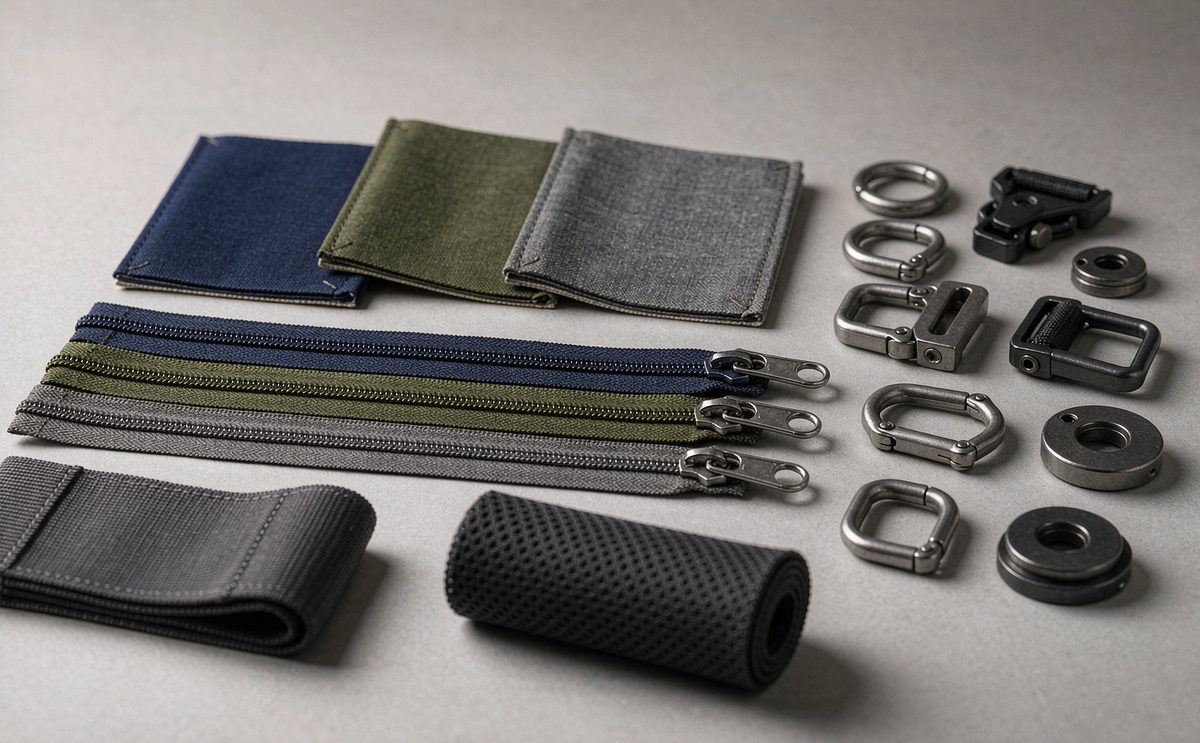
Thickness is the visible dimension and it is the one creators negotiate, but it behaves non-linearly. Very thin padding does almost nothing because it bottoms out immediately. Very thick padding adds bulk and weight without much extra benefit once the impact is fully absorbed. The useful range for bag padding is broadly 3 to 12 mm, with 5 to 10 mm the mainstream band for device sleeves.
The reason thick soft foam is not automatically better is bottoming out. If an impact compresses the foam to its limit, the remaining force goes straight into the device. A slightly denser foam of moderate thickness that does not bottom out will protect better than a thick, soft one that does. This is why we ask what the foam does at the end of its travel rather than only how thick it is.
Layering is often the smarter answer. A firm layer for structure with a softer layer facing the device gives both standoff and comfort, and it lets you tune the feel without changing the overall thickness. Multi-density laminates are common in technical bags for exactly this reason, and they are worth the small additional cost on a premium reward.
Finally, consider edge and corner behaviour. Corners are where drops happen and where foam is most compressed by the construction itself. A padding design that thins at the corners, because the cover fabric is pulled tight around them, has removed protection precisely where it is needed most. Generous corner radius and a pattern that does not stretch the foam at the fold are the fixes.
Laptop and Tablet Protection: Sizing and Suspension
Device protection starts with sizing. A sleeve that is too large lets the device move and accelerate into an edge before the padding engages; a sleeve that is too tight compresses the padding permanently and makes the device hard to remove. The target is a close fit with a small tolerance, and it should be specified against the actual device dimensions rather than a nominal screen size.
Suspension is the design element that does the most work after fit. A suspended sleeve is attached to the bag only along one edge or at a few points, so the device does not rest against the bag wall and the air gap becomes part of the protection. It is cheap to build and it is the difference between a bag that survives a drop and one that does not.
Two more details matter. The opening edge should be padded or rolled, because a device sliding out against a raw seam gets scratched. And the zipper garage and pull should be positioned so that the hardware cannot press into the device panel when the bag is packed, which is one of the most common causes of a cracked screen in transit.
Where a campaign claims a device size, publish the internal clearance dimensions rather than the marketing size. Backers with a laptop in a case will thank you, and it avoids the returns generated by a sleeve that technically fits the device but not the device in its sleeve. Add a small pull tab or a finger notch as well, because a tight sleeve with no way to grip the device generates daily frustration.
Camera and Equipment Bags: Dividers and Rigid Inserts
Camera padding has a different problem: the contents are heavy, irregular and valuable, and they must not move relative to each other. The answer is structure plus cushioning, which in practice means a denser foam, often moulded or die-cut EVA, formed into dividers that hold a right angle under the weight of a lens.
Divider design matters as much as material. A divider that is too thin flexes and lets lenses touch; one that is too thick eats volume. Hook-and-loop attachment gives reconfigurable layouts, and the hook-and-loop itself should be specified for cycle life, because a divider system that stops gripping after a year is a real complaint. Where dividers attach, the stitching or welding has to take repeated peel loads.
Rigid or semi-rigid inserts are the premium answer: a moulded shell, often EPP or EVA, that holds shape and carries the load while a softer lining protects surfaces. They cost more and they need tooling, so they suit a campaign with a clear premium positioning and a volume that amortises the tool.
Our camera bag guide at padding and divider design covers layout in detail, and the same logic applies to drone, audio and instrument cases, where contents are irregular and valuable. In every case the divider system should be tested loaded rather than empty, because weight is what makes a thin divider flex under pressure. Where a divider carries a heavy lens on one side only, add a stiffener, because asymmetric load is what bends a divider out of square over time.
Lamination, Skiving and How Foam Becomes a Panel
Foam sheet is rarely used bare. It is usually laminated to a fabric so it can be sewn, and the lamination method changes both the hand and the durability. Flame lamination melts a surface layer of the foam to bond it to fabric and is common and economical; adhesive lamination uses a glue film and gives more control; thermal lamination avoids adhesives altogether.
The failure mode to watch is delamination, where the fabric peels away from the foam, usually after folding or after heat exposure. It is visible, it looks like a defect even when protection is unaffected, and it is prevented by specifying a peel strength requirement and testing after flexing and after a warm storage cycle.
Skiving is the process of splitting foam to a precise thickness or tapering an edge, and it is what allows a padded panel to be joined to a seam without a visible step. Where two padded panels meet, a skived edge gives a smooth transition; without it, the join looks bulky and the seam sits proud. It is a small process detail with a visible payoff.
Die-cutting and moulding are the other shaping routes. Die-cutting from sheet suits flat panels and simple shapes; moulding suits three-dimensional forms and needs tooling. Decide early, because tooling for a moulded part sits in front of sampling rather than inside it. Where volume does not justify tooling, die-cut sheet is usually the better route and it still allows skived edges and clean joins. Whichever route you take, confirm the achieved thickness after lamination, because bonding and skiving both remove material from the sheet.
Covering Materials: What Goes Over the Foam
The cover fabric decides how the padding feels and how long it lasts. Against the device, a soft, non-abrasive lining is standard: brushed tricot, velvet or a microfibre face. It prevents micro-scratching, which is a common complaint even when a device is never dropped. Our bag lining materials guide compares the options.
On the outside of a padded panel, the cover needs abrasion resistance and dimensional stability, because it is what takes the rub. A laminated knit or a lightweight woven is typical. Where the panel is structural, the cover can be bonded to a stiffener so the assembly holds its shape.
There is a friction consideration that designers occasionally miss. A lining with high friction makes a device hard to slide in and out; one with too little lets it shift. A mid-friction brushed fabric is usually the right compromise for a laptop sleeve, and it is worth testing the actual device rather than a substitute.
Finally, consider colour. A light lining shows dirt from hands and from device feet; a dark one hides it but shows lint. Neither is wrong, but the choice should be made knowing that the inside of a sleeve is one of the few parts of a bag a backer inspects closely every single day, and it is worth spending a little more there than the outside of the bag suggests. A brushed lining that pills after a month undermines a premium product faster than almost any other single component, so ask for an abrasion result on the face fabric too.
Drop Testing and What a Rating Actually Means
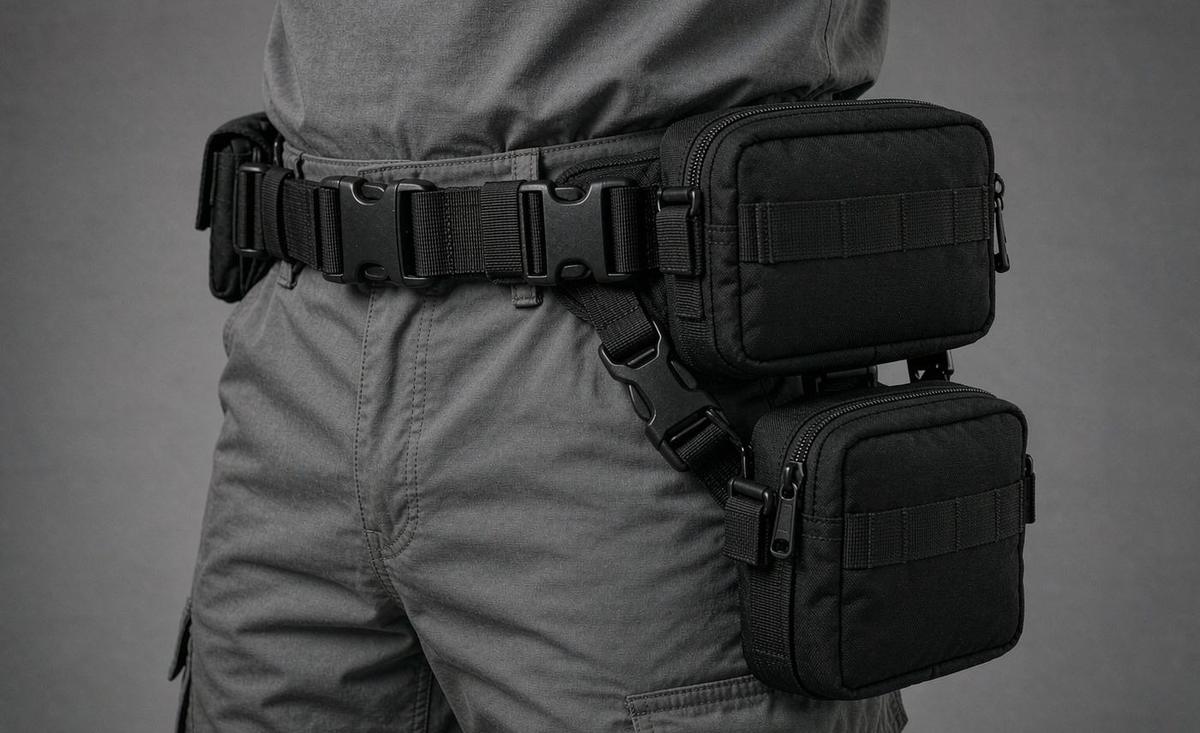
There is no single universal drop standard for soft bags, which is why claims vary. A defensible test is a written protocol: a defined dummy mass representing the device, a defined drop height, a defined impact surface, a defined set of faces, edges and corners, a defined number of drops, and a stated pass criterion for the device and for the bag.
The details change the result a great deal. Corner drops are far more severe than flat face drops. Height matters in a non-linear way because impact energy scales with it. Surface matters: concrete, plywood over concrete and steel plate produce very different peak forces. If a competitor claims a drop rating without those details, the number is not comparable with yours.
The most useful pass criterion is functional rather than cosmetic: the dummy device survives without damage, and the bag shows no structural failure such as a split seam or a torn anchor. Cosmetic marks on the bag are not a failure of protection and should not stop the test.
Two practical cautions. First, test the bag loaded, because a packed bag behaves differently from an empty one. Second, test more than one sample, because drop results vary. Our laptop bag QC guide at drop, zipper and fabric tests shows a workable sequence. Publish the protocol rather than a single height, because a height without a surface, a corner set and a pass criterion cannot be compared with any other claim. Keep the dummy mass representative: a realistic weight changes how the padding compresses far more than the drop height alone does.
Weight, Bulk, Heat and Other Trade-offs
Padding adds bulk faster than weight, and both have consequences. Bulk reduces usable internal volume and makes a bag feel bigger than its stated capacity; publish measured internal dimensions so backers are not surprised. Weight matters on a bag worn all day, and a heavily padded backpack can end up heavier than the device it protects.
Heat is a genuine and rarely discussed issue. A padded laptop compartment insulates, and a device that is asleep but warm, packed immediately after use, will hold that heat for longer inside foam. It is not a safety problem in normal use, but it is worth avoiding a fully sealed padded compartment around a device that may be charged or run while packed.
Water behaviour separates the foam families again. Closed-cell foams such as EPE, XPE and EVA do not absorb water, which is why they are used in bags. Open-cell foams do, and a wet open-cell pad is heavy, slow to dry and prone to odour. Where a bag will be used outdoors or in a gym, this alone decides the material choice.
Where padding must also insulate, the foam specification overlaps with the thermal case. Our insulated bag materials guide covers that decision, and the same density and compression logic applies in both. Where one layer must insulate and protect, expect a compromise and decide which promise matters more before choosing the grade. Note also that closed-cell foam adds buoyancy and stiffness to a panel, which can make a small bag feel rigid in a way the design did not intend.
Sampling, QC and the Padding Specification Line
A padding line that can be quoted and enforced names the foam family, the density with a tolerance, the thickness with a tolerance, the lamination method and peel requirement, the cover materials on both faces, and any compression set requirement. Approve it against a physical panel, ideally a cut edge, because that is the only way to confirm the layer stack that was actually built.
Sampling runs 6 to 10 working days for standard builds and 12 to 15 working days for complex ones with moulded inserts, dividers or multi-density laminates. Bulk runs 35 to 50 days after approval, and moulded parts add tooling time in front of sampling. Finished goods are inspected to AQL 2.5 to ISO 2859-1, with delamination, foam thinning at corners and misaligned dividers named as defect classes.
- Foam family: EPE for cost, XPE for recovery, EVA for structure, PU only as a comfort layer.
- Density with tolerance: the number that decides whether padding still works next year.
- Thickness with tolerance: and a check that the foam does not bottom out under test impact.
- Lamination method and peel strength: verified after flexing and after warm storage.
- Cover materials: non-abrasive against the device, abrasion resistant to the outside.
Commercials are standard across our programme: FOB Xiamen with T/T 30/70. Our campaign bag specialist can review a padding specification and flag the weak points before sampling; send us a brief through the contact page.
Designing a padded laptop or camera bag reward? Send us your device dimensions, target protection level and quantity and we will come back with a costed build.
Frequently Asked Questions
What foam is best for a padded laptop bag?
Closed-cell polyethylene foam in the 5 to 10 mm band is the mainstream answer, with cross-linked XPE where recovery matters and EVA where the foam must also hold shape. Typical densities run from about 18 to 40 kilograms per cubic metre for EPE and higher for EVA. Pair it with a suspended sleeve and a non-abrasive lining, and specify density and thickness together so one cannot be quietly reduced to fund the other.
What is the difference between EPE and EVA foam?
EPE is lighter, cheaper and softer, which suits general cushioning where the padding is generous and cost matters. EVA is denser, more rubbery and better at holding a moulded shape and resisting compression set, which suits structural panels and camera dividers. Both are closed cell and neither absorbs water, unlike flexible polyurethane foam, which should be kept to comfort layers only.
How thick should laptop bag padding be?
Roughly 5 to 10 mm is the mainstream band for a device sleeve, with 3 mm acceptable where bulk matters and up to 12 mm for heavy-duty or equipment cases. Thickness alone is not enough: a thick, soft foam that bottoms out protects less well than a moderately thick, denser one that does not, so test the foam at the end of its travel rather than judging it by the millimetre.
Does higher density foam always protect better?
No. Protection comes from matching density to the impact. Too soft and the foam bottoms out and transmits the remaining force; too firm and it transmits the shock directly. The right grade compresses under a realistic impact and recovers afterwards, which is why compression set and indentation force matter alongside density, and all three should be stated with the test method used.
What is compression set and why does it matter?
Compression set is the permanent deformation left in a foam after it has been compressed for a defined time at a defined temperature. A high compression set means padding that flattens where it is leaned on and stops protecting. Ask for the figure with the test method and conditions, particularly if the campaign promises long service life, because flattened padding is the most common way a protective bag quietly stops protecting.
Should a laptop sleeve be suspended inside the bag?
Yes. Suspension keeps the device off the bag wall so the air gap becomes part of the protection, and it stops the device pressing against hard elements such as zipper heads and buckles. It costs almost nothing to build and it is usually the difference between a bag that survives a drop and one that does not, and it also keeps the device away from zipper heads and buckle hardware.
What lining should go against a laptop or tablet?
A soft, low-abrasion lining such as brushed tricot, velvet or microfibre. It prevents the micro-scratching that backers notice even when a device is never dropped. Choose a mid-friction face so the device slides in and out without shifting, and test with the real device rather than a substitute, since case dimensions and surface finishes change how a sleeve feels in daily use.
How do I test whether a padded bag really protects?
Write a protocol and follow it: a defined dummy mass, drop height, impact surface, the faces and corners to be struck, the number of drops, and a functional pass criterion for the device. Test loaded rather than empty, test more than one sample, and note that corner drops are far more severe than flat drops, so include corners in the protocol or the result will flatter the bag.
Can padding make a laptop overheat in a bag?
Padding insulates, so a device packed while warm will hold that heat longer. It is not a safety problem in normal use, but avoid a fully sealed padded compartment around a device that may be charged or running while packed, and advise backers to let a hot device cool before closing the compartment, and never design a sealed padded pocket around a device that is charged while packed.
Is polyurethane foam suitable for bag padding?
Only as a comfort layer. Flexible polyurethane foam is soft and pleasant against the body, but it is open cell, absorbs water and degrades faster than closed-cell polyethylene. In a bag that may get wet, a wet open-cell pad is heavy, slow to dry and prone to odour, so keep the primary protection closed cell, especially on any bag that will be used outdoors or carried to a gym.
What is the MOQ for a custom padded bag?
The MOQ stays at 500 pcs per style and per colourway. The separate constraint is tooling for moulded or die-cut parts, which has to be amortised across the order and which sits in front of the 6 to 10 working day sampling window rather than inside it. Confirm tooling before finalising the design, because a mould change late in the programme costs both money and weeks of schedule.
What inspection standard applies to padded bag production?
Finished goods are inspected to AQL 2.5 to ISO 2859-1. Name padding defects as their own classes with limits: delamination of the cover fabric, foam thinning at corners, uneven lamination and misaligned dividers. Keep a cut-edge sample from the approved pre-production build so bulk panels can be compared against it, which is the fastest way to settle a dispute about foam thickness or layer count.
People Also Ask
What is the best foam for a padded laptop bag?
Closed-cell polyethylene around 5 to 10 mm thick, with XPE where recovery matters and EVA where the foam must hold shape. Avoid open-cell PU as the protective layer.
Is EVA better than EPE foam?
EVA is denser and holds shape better, so it suits structural panels and camera dividers. EPE is lighter and cheaper and suits general cushioning.
How thick should bag padding be?
About 5 to 10 mm for device sleeves. Thickness alone is not enough; the foam must not bottom out under a realistic impact.
Does thicker padding protect more?
Only up to a point. A thick soft foam that bottoms out transmits force, while a moderately thick denser foam often protects better.
What is compression set?
Permanent deformation after sustained compression. High compression set means padding flattens where it is leaned on and stops protecting.
Should a laptop compartment be suspended?
Yes. Suspension keeps the device off the bag wall and away from zipper heads and buckles, and it costs almost nothing to build.
How do I test a padded bag?
Use a written drop protocol with a dummy mass, defined height, surface, corners struck and a functional pass criterion, tested loaded on more than one sample.