3 Kickstarter Backpack Campaigns Past 500K: Shared Patterns
We are not going to name campaigns or quote their figures, because a case study built on someone else's published numbers tells you very little about what you should do. What is useful is the pattern. Across the backpack campaigns that reached the half-million range, three archetypes recur: the specification-led commuter pack, the modular travel system and the niche-technical carry solution. Each archetype solves a different backer problem, and each one makes a different demand on production. This article describes all three as composites drawn from publicly observable campaign behaviour and from programmes our team has supported, sets out what they genuinely shared, and shows how to recognise which pattern your own product belongs to before you commit to a 500 pcs per style and colourway order.
- Why we describe patterns rather than named campaigns
- Pattern one: the specification-led commuter pack
- Pattern two: the modular travel system
- Pattern three: the niche-technical carry solution
- What all three shared in product definition
- What all three shared in reward structure
- What all three shared in production readiness
- What all three shared in backer communication
- Where the patterns diverge and which fits you
- Building your own version of the pattern
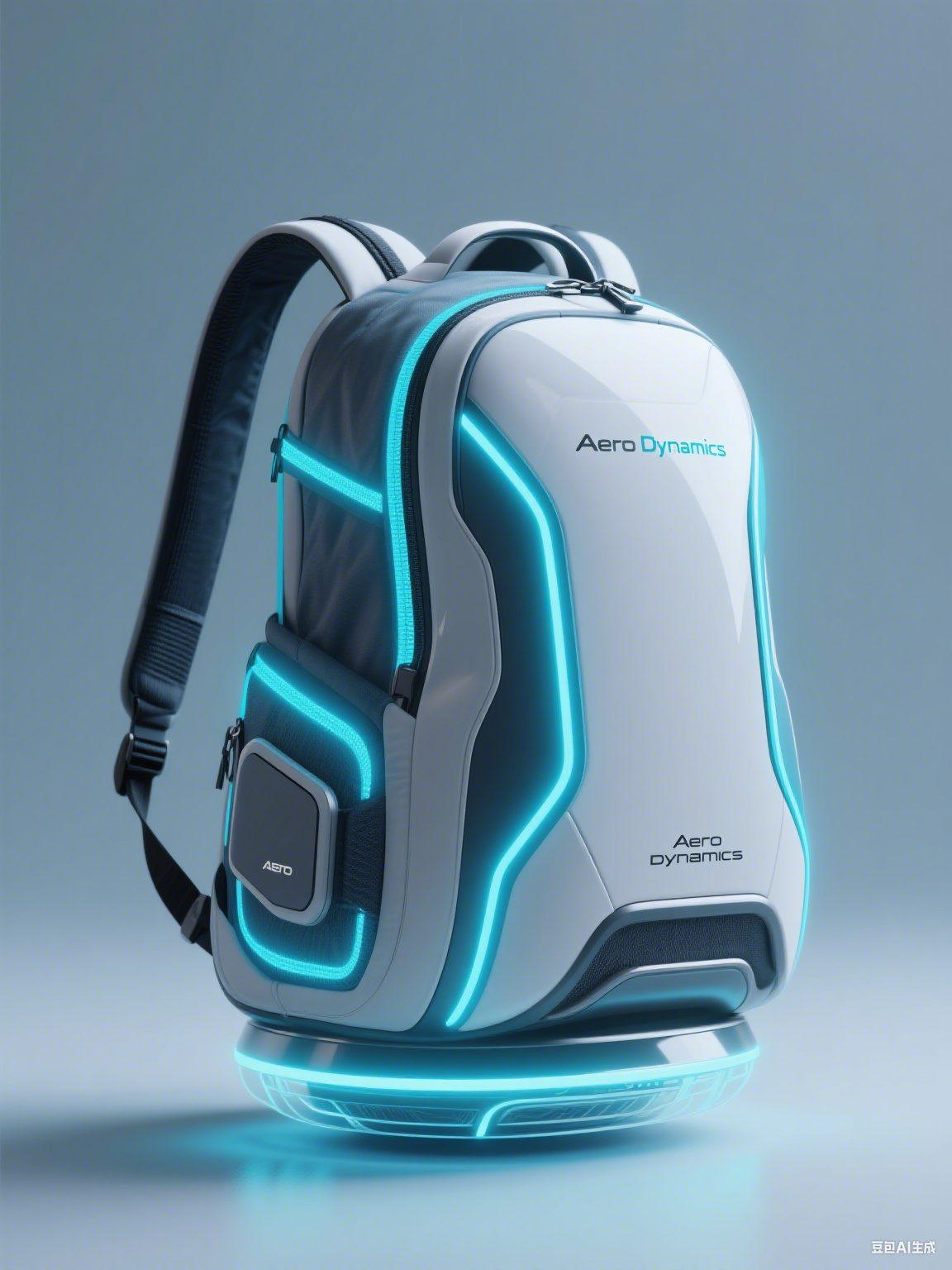
The campaigns that reach the upper end of the range are not the ones with the most beautiful renders, and they are not the ones with the largest advertising budgets. In our observation, they are the ones where the product definition, the reward structure and the production plan were settled before the page went live and then stayed settled. This article describes that discipline through three recurring archetypes rather than through named case studies, and it does so deliberately. A named case study invites the reader to copy surface features, and surface features are the part that does not transfer. What transfers is the underlying structure, and the structure is what we set out here. It sits inside the wider crowdfunding bag guide, and it assumes you are working with a real prototype or a credible design rather than a concept.
The three campaigns below are composites, drawn from publicly observable campaign behaviour and from programmes we supported. They are described by pattern, not by name, and no figure is attributable to a specific project.
Why we describe patterns rather than named campaigns
There are three reasons to avoid named case studies, and none of them are legal caution. The first is survivorship. A campaign that reached a large raise is a single draw from a distribution, and the interesting question is what the draw has in common with the other large draws rather than what happened inside it. Naming one campaign makes its specific choices look causal when they may simply have been noise that happened to accompany a good outcome.
The second reason is that the details that make a case study readable are usually the details that do not transfer. A campaign that raised heavily because its creator had an existing YouTube audience of a quarter of a million people is a true story and a useless lesson, because you cannot copy the audience by copying the page. The transferable parts of a successful campaign are the boring ones: how the reward tiers were structured, how many colourways were offered, and whether the production partner was engaged before launch rather than after.
The third reason is honesty about numbers. We do not have access to the internal economics of campaigns we did not work on, and quoting a public raise figure alongside a narrative about why it happened invites the reader to infer a causal story from a correlation. Where we describe figures in this article, they are described as ranges observed across public campaign data or as outcomes from programmes our team supported, and they are labelled as such. That is the only way to write about campaign performance without inventing precision.
Pattern one: the specification-led commuter pack
The first archetype is the everyday carry pack built around a specification rather than a look. Its page leads with measurable claims: a laptop compartment sized to a stated device, a volume in litres, a fabric with a named denier and coating, a zipper with a named brand, a weight in grams. The backer for this campaign is comparing against retail options and wants to know exactly what they are getting, and the campaign answers in the language of specification sheets. In our observation this archetype is the most reliably fundable of the three, because it converts scepticism rather than enthusiasm.
What makes it work in production is that a specification-led product is already close to a tech pack. The creator who can state that the laptop sleeve fits a 16 inch device, that the shell is a coated polyester of a stated construction and that the base panel is reinforced already has most of the documentation a sampling round needs. Our production team sees the difference directly: specification-led briefs typically complete the 6 to 10 working day sampling window without an extension, while look-led briefs more often need the 12 to 15 working day path because the engineering decisions have not been made.
The risk in this archetype is that specification invites comparison shopping. A backer who knows the denier of your fabric will compare it with a retail pack at a similar price, and if your price is higher the justification has to be in the specification rather than in the story. That pushes these campaigns towards genuine material and hardware quality, which is affordable at a 500 pcs per style and per colourway minimum and expensive below it. It also pushes them towards fewer colourways, because a specification argument is easier to make in two colours than in six.
Pattern two: the modular travel system
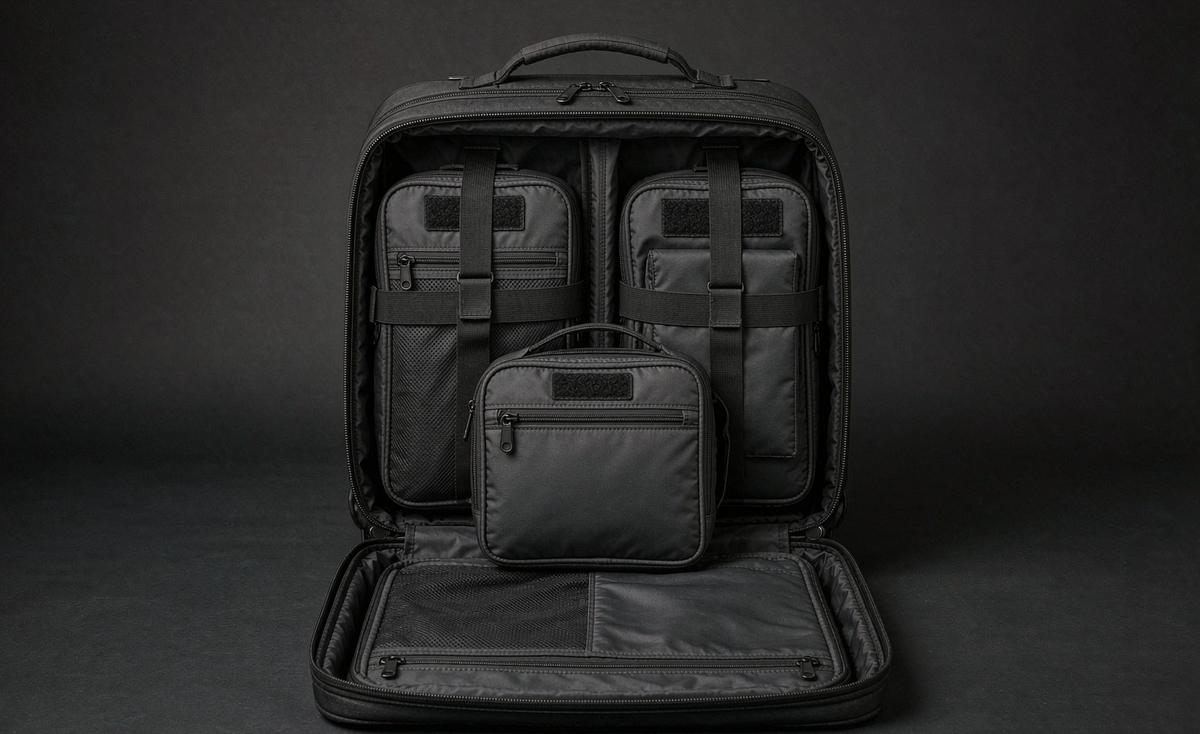
The second archetype sells a system rather than a bag: a main pack plus detachable pouches, packing cubes, a wash kit and sometimes a strap set, bought as a bundle. Its appeal is coverage rather than specification, and its backer is solving the problem of what to take on a trip rather than the problem of which backpack to buy. Public campaign data suggests bundles of this kind tend to show a higher average pledge than single-item rewards, which is why the archetype appears disproportionately among the larger raises.
The production consequence is significant and often underestimated. A system is multiple SKUs sharing a colourway, and each SKU carries its own minimum. A five-piece system at a 500 pcs per style and per colourway minimum is five production orders, not one, and if a component is offered as an add-on rather than as part of the core reward, its volume is uncertain at the point when the order has to be placed. Our programme coordinator therefore recommends structuring the system so that the add-on components are the ones with the lowest complexity and the shortest lead time.
The second production consequence is assembly and packing. A system has to be kitted, which means a packing operation that groups components by backer, and kitting is labour that does not exist in a single-item programme. It is affordable at campaign scale and it must be planned, because a kitting step sits between the end of the 35 to 50 day bulk window and the freight booking. The tier mechanics are covered in Kickstarter Reward Tiers for Bags: Structure That Converts and the kitting side in Custom Bag Kitting: Colourways and Add-Ons Per Tier.
Pattern three: the niche-technical carry solution
The third archetype serves a narrow, expert audience: a camera pack with configurable dividers, a drone case with a rigid shell, a cycling commuter bag with a specific mounting system, a fishing or tactical carry solution with purpose-built organisation. Its audience is small and highly motivated, and it will pay well above retail-commodity prices for a product that solves a problem no general-purpose bag solves. In our observation this archetype produces the highest average pledge of the three and the smallest addressable audience.
The production profile is the mirror image of the commuter pack. Volumes are lower, so the 500 pcs per style and per colourway minimum is a genuine constraint rather than a formality, and the design usually carries more components, more reinforcement and more custom parts. Sampling frequently takes the 12 to 15 working day path because the build is complex, and the pre-production sample matters more, because there is no retail equivalent to compare against and therefore no tolerance for a specification that reads as improvised.
The risk in this archetype is audience exhaustion. A niche has a finite number of interested buyers, and a campaign that succeeds in it may find the second campaign in the same niche performs far worse because the same people already bought. That is a re-order and growth problem rather than a launch problem, but it affects how a creator should plan the first run: a niche campaign should not over-order on the assumption that the audience will absorb a second batch at the same rate.
What all three shared in product definition
The first shared trait is a single sentence of product definition that a backer could repeat to a friend. Each archetype had one: this pack fits a 16 inch laptop and survives a downpour, this system replaces four bags with one purchase, this case carries a specific drone and its controller safely. That sentence does a lot of work, because it is also the sentence the production team needs in order to prioritise decisions. When a later choice arises between a cheaper lining and a stronger base panel, the sentence says which one matters.
The second shared trait is that the prototypes were real and photographed rather than rendered. Public campaign data consistently suggests that backers in design categories respond to evidence, and a physical prototype in a video does something a render cannot, which is prove that the object exists and closes. All three archetypes also had at least one detail that could only come from having used a prototype, such as a pocket moved after testing or a strap angle corrected after a week of carrying.
The third shared trait is restraint in the first version. None of the three launched with every feature the creator eventually wanted. Each launched with a core configuration and used stretch goals for expansion, which meant the specification that went into production was stable early enough to be sampled properly. Our campaign bag specialist regards this as the single most transferable behaviour in the set, because a stable specification is what allows the 6 to 10 working day sampling window to produce an approvable sample rather than a discussion.
- One repeatable sentence of product definition that also guides production trade-offs
- A physical prototype photographed and filmed, not only a render
- Evidence of iteration: a pocket moved, a strap angle corrected, a closure changed
- A core configuration launched first, with expansion reserved for stretch goals
- A named constraint the product respects, such as a device size or a carry standard
What all three shared in reward structure
All three used a small number of tiers, typically three to five core reward levels, and all three had a clear hero tier that most backers chose. Public campaign data suggests a large share of pledges in most campaigns concentrate in one or two tiers, and these campaigns were structured with that concentration in mind rather than offering a smooth ladder of ten options. Fewer tiers means fewer production variants, which is what allows a 500 pcs per style and per colourway minimum to be met in each.
All three priced shipping separately or by zone rather than bundling a global average. This is unglamorous and it matters enormously, because the alternative is discovering the true cost distribution when the pledge manager opens. All three also had an early-bird allocation that was finite and stated, which creates urgency without discounting the product permanently, and all three avoided discounting below a level that would make the production arithmetic fail.
All three limited colourways at launch. Two or three, not six. That constraint is not aesthetic caution, it is production arithmetic applied to the reward page: each colourway is a separate minimum, and a campaign that offers six colours across three tiers may find that no single colourway clears the minimum even though the campaign as a whole sold well. The mechanics are set out in Custom Bags With Mixed Colours: How MOQ Splits Across SKUs and the stretch-goal side in Stretch Goals for Bag Campaigns: Colourways and Add-Ons.
What all three shared in production readiness
This is the trait that most separates campaigns that fund and deliver from campaigns that fund and struggle. All three had engaged a production partner before launch, not after. That means sampling had already been discussed, a ballpark unit cost existed, the minimum-order structure was understood and a rough production window had been reserved. None of them launched with a delivery date that had not been checked against a 35 to 50 day bulk window and a freight lane.
All three also understood the difference between the sample they photographed and the sample they approved. The photographed prototype is a marketing object; the approved pre-production sample is a specification. Campaigns that skip the second step end up with a production run that matches a photograph rather than a document, which is unenforceable when a defect appears. Our team holds a golden sample at the line for every programme for exactly this reason, and inspection under AQL 2.5 to ISO 2859-1 is judged against it.
All three also treated the pre-production sample as a contractual object rather than a formality. Each programme had one approved sample held as the reference for bulk, with the specification written beside it, and each one had agreed in advance what would happen if bulk drifted from it. That agreement is not glamorous and it is the difference between a defect dispute that resolves in a day and one that runs for a month. Inspection under AQL 2.5 to ISO 2859-1 only functions as protection when there is an agreed reference to judge against, and the reference has to exist before the first bulk unit is cut.
All three had a contingency for the two failure modes that actually occur. The first is a sampling round that does not approve, which costs another 6 to 10 working days and is survivable if it was planned. The second is a colourway that under-sells, which forces either a consolidation decision or an order that does not clear the minimum. Neither is exotic, and both are far cheaper to plan for than to discover. The benchmark comparison sets out how these contingencies show up across 2024 to 2026 programmes.
What all three shared in backer communication
All three published updates on a schedule rather than in response to pressure. In our observation, the campaigns that hold backer confidence through a production delay are the ones that were already updating before the delay happened, because an established rhythm makes bad news credible and an unestablished one makes it suspicious. A monthly update during production, showing the same three things each time, does more for trust than a long explanation issued once.
All three showed the factory and the materials rather than only the finished product. That is partly a trust mechanism and partly a genuine advantage of the crowdfunding model: backers like seeing how things are made. For a bag programme this is easy material, because sampling, cutting, sewing, decoration and inspection are all photogenic stages. Our sourcing partner is comfortable with this by arrangement, and it turns the 35 to 50 day production window from a silence into a content calendar.
All three answered the same three questions repeatedly and without being asked, which is the substance of backer communication on a physical reward: what stage the order is at, what the next milestone is, and what could still change. Those three answers can be given in four sentences, and giving them every month is more effective than a long essay issued twice. In our observation, the comments section of a campaign under a production silence fills with speculation within about two weeks, and speculation is considerably harder to correct than a short factual update would have been to prevent.
All three told backers what they did not know. The campaigns that damaged themselves were not the ones that slipped, they were the ones that had promised a date they had no basis for and then defended it. Stating a window rather than a date, explaining what moves it, and updating when it moves is slower to convert and far cheaper in the long run. The pattern across successful programmes is documented in Successful Bag Crowdfunding: 5 Formulas That Fund.
Where the patterns diverge and which fits you
| Dimension | Specification-led commuter | Modular travel system | Niche-technical carry |
|---|---|---|---|
| Core appeal | Measurable specification beats retail | One purchase replaces several bags | Solves a problem no general bag solves |
| Typical audience size | Broad | Broad to mid | Narrow and expert |
| Average pledge tendency | Mid | High, driven by bundles | Highest of the three |
| Colourway count | Usually two or three | Two or three across several SKUs | Often one or two |
| SKU count in production | Low | High, one per component | Low to mid with custom parts |
| Sampling path | Often 6-10 working days | Mixed, longer for complex parts | Often 12-15 working days |
| Principal risk | Specification comparison with retail | Kitting and per-SKU minimums | Audience exhaustion on re-order |
| Best fit if you have | A clear measurable advantage | Supply chain breadth and kitting budget | Genuine expertise in the niche |
Choosing between them is a question about your assets rather than your taste. If what you have is a genuinely better specification at a competitive price, the commuter pattern rewards you, because its audience is large and its conversion mechanism is comparison. If what you have is relationships with several component suppliers and the appetite to manage kitting, the system pattern rewards you with a higher average pledge. If what you have is credibility inside a specific community, the niche pattern rewards you with the highest price tolerance and the smallest marketing spend.
The wrong choice is identifiable in advance. A creator with no community credibility who attempts the niche pattern will find the audience too small to clear the minimum. A creator with one supplier and no kitting capacity who attempts the system pattern will find the component minimums and the packing operation absorbing the margin. Matching the pattern to the asset is more predictive of success than any feature decision, and it is the first thing our programme coordinator asks about.
Building your own version of the pattern
Start by writing the one sentence, and test it on people who are not your friends. If they cannot repeat it back accurately, the product definition is not settled and neither the page nor the tech pack will be. Then identify which of the three patterns the sentence belongs to, and read the production demands of that pattern as constraints on your tier structure rather than as details to resolve later. The tier structure is where the pattern and the production plan meet.
Then build the backwards calendar with the pattern's specific demands included. For the commuter pattern, that is a stable specification early enough to use the standard sampling window. For the system pattern, that is a kitting step between bulk completion and freight, plus one minimum per component. For the niche pattern, that is an extended sampling path and a conservative first-run quantity. All three then share the same constants: 500 pcs per style and per colourway, FOB Xiamen, T/T 30/70 and inspection at AQL 2.5 to ISO 2859-1.
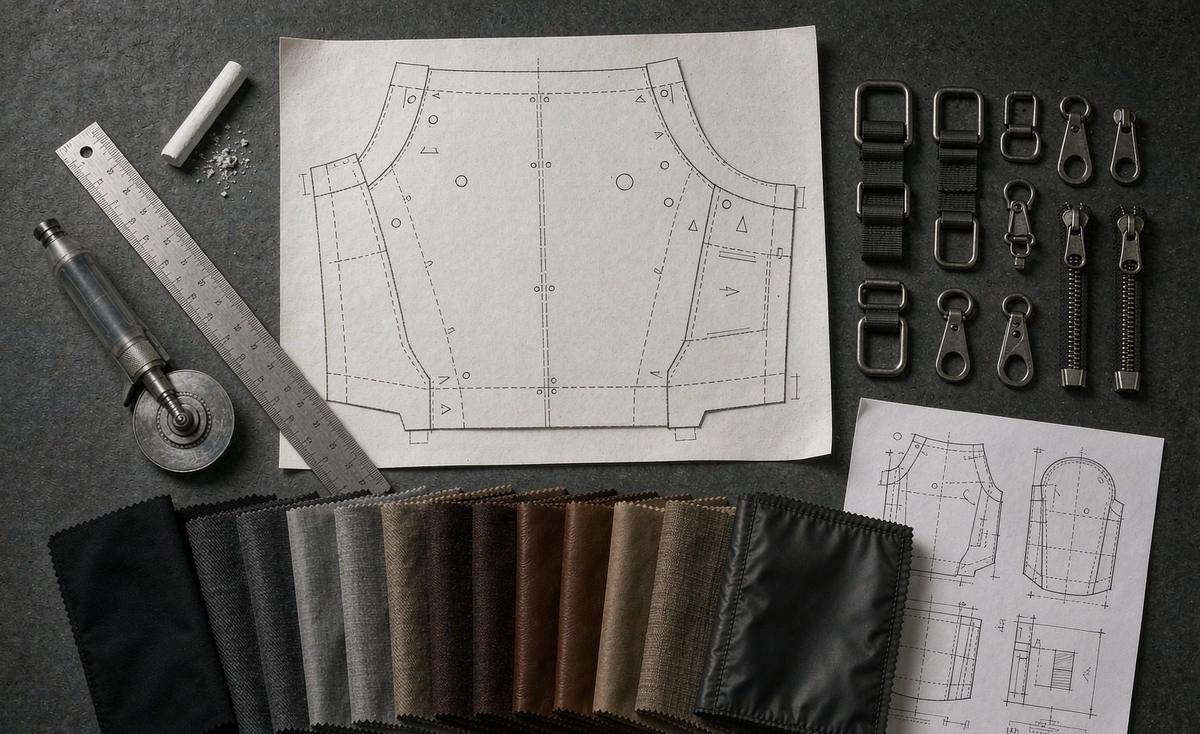
Finally, decide what you will show backers during production, and put it in the campaign copy. A stated commitment to monthly updates with photographs of sampling, cutting and inspection is both a trust mechanism and a forcing function on your own discipline. The campaigns in this range, in our observation, shared that discipline more than they shared any product feature. More campaign patterns drawn from the same period are collected in Kickstarter Backpack Case Studies: 3 Campaigns That Funded.
Tell us which pattern your product belongs to and we will map the production consequences before you publish the tiers.
Frequently Asked Questions
Are these three campaigns real and named?
No. They are composites drawn from publicly observable campaign behaviour and from programmes our team supported. We describe patterns rather than named projects because the transferable lessons are structural, and quoting another creator's figures would imply a precision we do not have.
What funding level are these patterns drawn from?
They describe backpack campaigns in the upper range of outcomes, roughly at and above the half-million mark, as observed in public campaign data. We treat that as a band rather than a threshold, because outcomes are continuous and the patterns appear at smaller scales too.
Which pattern is easiest to produce?
The specification-led commuter pack, because a specification-led brief is already close to a tech pack and typically completes sampling in 6 to 10 working days. The modular system is the most demanding operationally, because each component carries its own 500-piece minimum and a kitting step sits between bulk and freight.
How many reward tiers did these campaigns use?
Typically three to five core levels with a clear hero tier. Public campaign data suggests pledges concentrate in one or two tiers, and a smaller ladder means fewer production variants, which is what allows each colourway to clear the 500 pcs per style and colourway minimum.
Why did all three limit colourways at launch?
Because each colourway is a separate minimum. A campaign offering six colours across three tiers can sell well overall and still have no single colourway large enough to produce. Two or three colourways at launch, with more unlocked as stretch goals, keeps the arithmetic workable.
Did these campaigns use stretch goals?
Yes, and mostly for expansion rather than for discounting. Colourway unlocks, add-on components and small feature upgrades were typical. That structure keeps the core specification stable early, which is what allows the standard 6 to 10 working day sampling window to produce an approvable sample.
How important was having a physical prototype?
Decisive in our observation. Public campaign data consistently suggests design-category backers respond to evidence, and a filmed prototype proves the object exists and closes. All three patterns also showed at least one detail that could only have come from carrying a prototype for a week.
When did these campaigns engage a production partner?
Before launch. All three had discussed sampling, had a ballpark unit cost, understood the minimum structure and had checked their delivery date against a 35 to 50 day bulk window and a freight lane. Launching before that conversation is the most common cause of a delivery promise that cannot be met.
What did they do about shipping cost?
They priced shipping separately or by zone rather than bundling a global average into the reward price. Publicly reported fulfilment patterns suggest most backers sit in one or two zones, and bundling hides the real cost distribution until the pledge manager opens, when backers are least forgiving.
How did they handle production delays with backers?
By updating on a schedule rather than in response to pressure. Campaigns that already had a monthly rhythm before a slip keep backer confidence through it, because established communication makes bad news credible. They also stated windows rather than dates, and explained what would move them.
Is the niche-technical pattern riskier?
It has the highest price tolerance and the smallest audience. The launch risk is usually manageable because the community is motivated; the re-order risk is higher, because the same finite audience already bought. Plan the first run conservatively rather than assuming the niche absorbs a second batch at the same rate.
Can I combine two patterns?
You can, and many campaigns do, but be clear about which one carries the pitch. A modular system with a strong specification story is coherent; a niche product with a broad lifestyle pitch is not. The product definition sentence should name one primary pattern, and the other can support it.
People Also Ask
What do successful backpack campaigns have in common?
A single repeatable sentence of product definition, a physical prototype rather than only a render, a small number of reward tiers, limited colourways, and a production partner engaged before launch rather than after.
How many reward tiers should a bag campaign have?
Three to five core levels is typical in our observation, with pledges concentrating in one or two. Fewer tiers means fewer production variants, which helps each colourway clear the 500-piece minimum.
Should I offer many colourways on my campaign?
Usually two or three at launch. Each colourway carries its own minimum, so six colours across three tiers can sell well overall while no single colourway is large enough to produce.
Do I need a prototype before launching?
Yes. Design-category backers respond to evidence, and a filmed physical prototype proves the object exists and closes. Prototype use also produces the small design corrections that make a product credible.
When should I talk to a production partner?
Before launch. You need a ballpark unit cost, an understanding of the minimum structure and a delivery date checked against a 35 to 50 day bulk window plus freight before you publish anything.
Are stretch goals worth it for bags?
Yes, when used for expansion rather than discounting. Colourway unlocks and add-on components raise the average pledge while keeping the core specification stable enough to sample in the standard window.
What raises the average pledge most?
Bundles. A modular system typically produces a higher average pledge than a single bag, because the backer is solving several problems in one purchase, though it adds a kitting step and one minimum per component.