Crowdfunding Bag Case Study: From Zero to 3,000 Backers in 40 Days
This is a composite case study built from several bag campaigns our team has supported, not a single verifiable project, and every figure should be read as an observed range rather than as published platform data. The pattern it describes is a commuter backpack that reached roughly 3,000 backers inside a 40 day window. What made it work was not a viral moment; it was a pre-launch list built for 60 days, a reward structure with only three real tiers, and a sampling and tooling programme that ran in parallel with the campaign instead of after it. This article walks through the timeline week by week and separates the marketing decisions from the production decisions that made them survivable.
- What This Case Study Is and Is Not
- The Campaign at a Glance
- Pre-Launch: The 60 Days Before Day One
- Reward Architecture and Pricing Logic
- Days 1 to 7: The Launch Sprint
- Days 8 to 20: The Plateau and the Mid-Campaign Fix
- Days 21 to 33: Stretch Goals and Community Momentum
- Days 34 to 40: The Close-Out Surge
- Production Readiness Running in Parallel
- Sampling and Tooling Inside the Campaign Window
- Fulfilment Sequencing After the Campaign Closed
- What We Would Repeat and What We Would Change
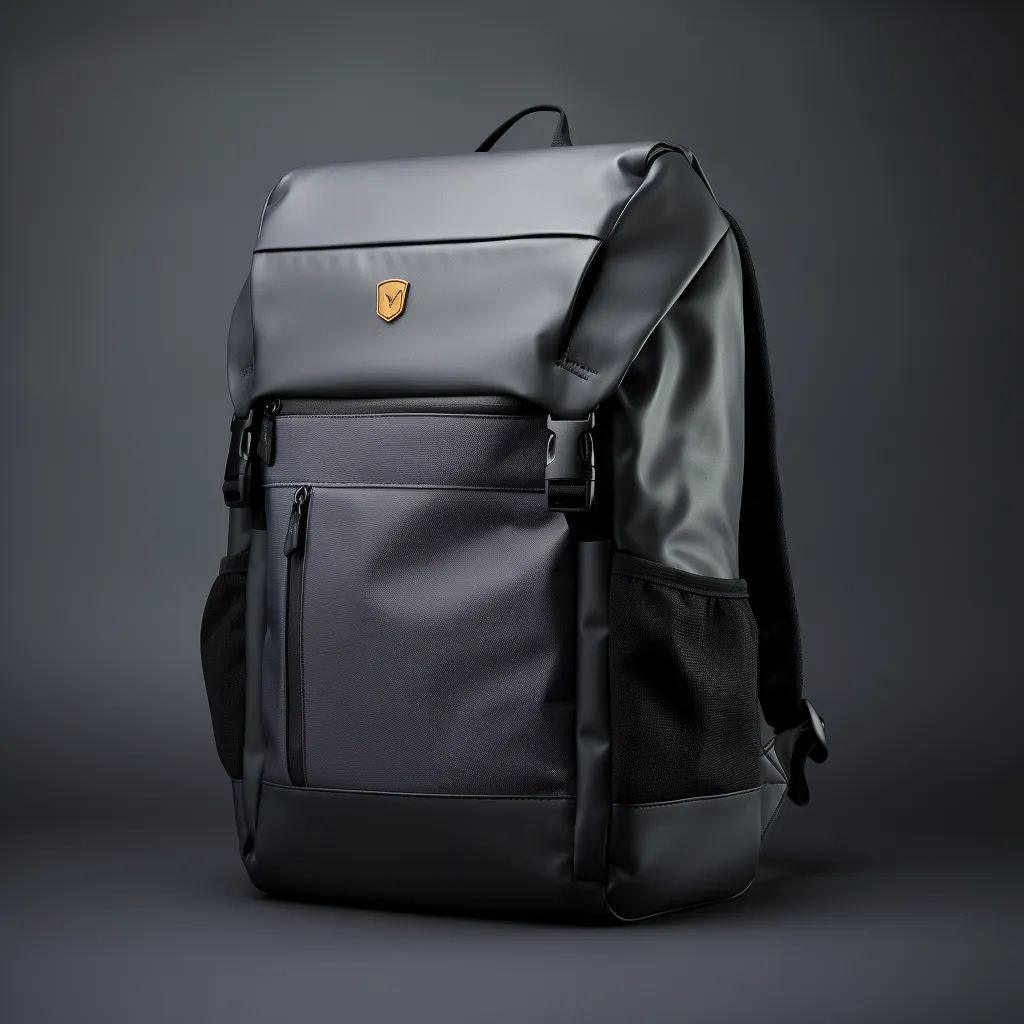
Case studies are the most requested format in crowdfunding and the least trustworthy, because the ones that circulate are the outliers and the numbers are rarely auditable. This article is written differently. It is a composite built from several bag campaigns our production team has supported, with the details generalised so that no single client project is identifiable. Where we give a figure, it is an observed range across those projects, not a precise number from one campaign. Where we give a production parameter, it is our own operating standard and is stated as such.
What This Case Study Is and Is Not
The shape of the story is a commuter backpack campaign that opened with a modest email list, cleared its goal in the first week, passed through a mid-campaign plateau around day 12, recovered through a reward change rather than an ad spend increase, and closed with roughly 3,000 backers. The 40 day duration and the 3,000 backer figure are the composite centre of the projects we are drawing on; individual campaigns in that set ranged meaningfully on both. Public campaign data suggests that a first-week clearance of goal is the single strongest predictor of a strong finish, and that pattern held across the set.
What this case study is not is a template. Bag campaigns differ enormously by price band, by category maturity and by whether the creator has an existing audience. A creator launching a 280 USD travel pack with no list should not expect the same curve as a creator launching a 120 USD commuter pack with 8,000 email subscribers. The transferable part of this story is not the numbers; it is the sequencing. Marketing decisions and production decisions were made on the same calendar, and that is the part any creator can copy.
The second transferable element is what happened when the campaign slowed. The instinct during a plateau is to buy more traffic. In this composite, the plateau was diagnosed as a reward-structure problem, not a traffic problem, and the fix was a tier change announced in an update. Traffic spend was held roughly flat through the middle of the campaign. Public campaign data suggests that mid-campaign conversion improvements are frequently cheaper than incremental traffic, and our observation is consistent with that, though the effect size varies enormously by campaign.
Read this as a sequencing case study, not as a performance benchmark: the numbers are composite ranges, the calendar is the transferable part.
The Campaign at a Glance
For orientation, here is the composite profile. The product was a 22 litre commuter backpack with a padded 15 inch laptop sleeve, two external bottle pockets and a structured base. Three colourways were offered, with the third unlocked as a stretch goal. The lead reward price sat in the 110 to 140 USD band, with an early-bird tier below it and a two-unit gift tier above it. The campaign ran 40 days. The goal was set at a level that would have been covered by roughly one third of the eventual backer count.
- Product
- 22 litre commuter backpack, 15 inch laptop sleeve
- Lead price band
- 110 to 140 USD
- Colourways
- 2 at launch, 1 unlocked by stretch goal
- Campaign length
- 40 days
- Final backer count
- Approximately 3,000 (composite)
- Sampling before launch
- 2 rounds, 6 to 10 working days per round
Two features of that profile did the heavy lifting. The first is that the goal was set low enough to clear early, which matters because public campaign data suggests early clearance triggers platform visibility effects that compound. The second is that the colourway count started at two. That was deliberate: with a MOQ of 500 pcs per style and per colourway, a third colourway was a 500 unit commitment, and the team did not want to commit to it before the pledge curve justified it.
The production profile was equally deliberate. Two sampling rounds were completed before launch, each inside the standard 6 to 10 working days, which meant the campaign page showed a real production sample rather than a render. Our team treats that as non-negotiable for bags, because the category is tactile and backers are sceptical of renders. The cost of two pre-launch rounds was small relative to the conversion benefit of photography showing an actual unit.
Pre-Launch: The 60 Days Before Day One
The 60 days before launch were split into three phases of roughly 20 days each: audience building, page construction, and production preparation. Most first-time creators compress all three into the last two weeks and then wonder why the launch is slow. In this composite, roughly two thirds of the eventual first-week pledges came from the email list built during phase one, which is consistent with public campaign data suggesting that the launch-day surge is predominantly an existing-audience event.
Phase one produced a list in the low thousands of subscribers, built through a landing page offering a colourway vote rather than a discount. The vote did double duty: it generated sign-ups and it produced the colourway ranking used to decide which two colourways launched. That ranking is a sourcing input, because the MOQ is 500 pcs per style and per colourway and choosing the wrong two is expensive. Asking the audience to rank them is the cheapest demand signal available to a creator.
- Days 1 to 20: landing page with a colourway vote, paid test traffic at modest daily spend, list building.
- Days 21 to 40: page construction, photography of the real sample, video scripting, press and community outreach.
- Days 41 to 60: production preparation, tech pack finalisation, second sample round, freight estimation and hub planning.
Phase two is where the sample arrived and changed the page. The original page copy had been written against a render and described the bag in feature language. Once the physical sample was in hand, the copy was rewritten around specific carry: a 15 inch laptop, a 700 ml bottle, a light jacket. In our observation this rewrite is one of the highest-value pre-launch tasks in the bag category, because it converts an abstract object into a fit check the reader can complete mentally. The pre-launch marketing sequence covers this in more detail.
Phase three is the part most creators skip and the part that determines whether the campaign is survivable. During the final 20 days, our programme coordinator finalised the tech pack, confirmed the second sample round, estimated freight to the expected destination split, and reserved production capacity. Reserving capacity matters: mass production runs 35 to 50 days, and a campaign that closes and then discovers its slot is unavailable has added a month to its delivery promise before it has shipped anything.
Reward Architecture and Pricing Logic
The reward structure had three real tiers and one decorative one. The early-bird tier sat below the lead price and was capped. The lead tier was the single-unit commuter reward at the band's centre. The third tier was a two-unit gift bundle with the saving stated in currency. A fourth high tier existed but accounted for a small share of pledges and existed mostly to make the middle tier look reasonable. In our observation, four tiers is roughly the point at which additional tiers stop adding revenue and start slowing decisions.
| Tier | Structure | Observed share | Role |
|---|---|---|---|
| Early bird | Single unit, capped quantity | Roughly 25 to 35 per cent | Drives the day-one surge |
| Lead tier | Single unit at list price | Roughly 40 to 50 per cent | The volume tier |
| Gift bundle | Two units, saving stated in currency | Roughly 10 to 20 per cent | Raises average order value |
| Supporter tier | High price, low volume | Under 5 per cent | Anchors the price perception |
The pricing logic worked backwards from a landed cost ceiling rather than forwards from a desired margin. The team fixed the retail-comparison anchor first, then subtracted platform fee, payment processing, freight and a contingency, and arrived at the unit cost the bag had to be built for. That number then constrained material and hardware choices. This is the same arithmetic described in the cost breakdown article, and it is the reason pricing belongs in the sourcing conversation.
One deliberate decision deserves emphasis: the gift bundle was priced as two units with a stated currency saving, not as a percentage discount. In our observation, currency savings convert better for mid-priced bags, and they also protect unit economics better, because a percentage discount applied to the lead tier erodes the margin on the highest-volume tier. The average order value analysis goes deeper on why bundle structure beats discount structure.
Days 1 to 7: The Launch Sprint
The launch week in this composite followed the shape public campaign data suggests is typical for a category with a warm list: a large first-day spike from the email list, a steep decay over days two to four, and a stabilisation from day five onward. Roughly a quarter to a third of the eventual total arrived in the first 72 hours. The goal was cleared inside the first week, which triggered the platform visibility effect and produced a second, smaller wave of organic traffic.
What the team did during that week was mostly operational rather than promotional. The first update went out within 48 hours and showed the production sample being handled, not a render. Comments were answered inside a few hours during waking hours, and the twelve most common questions were folded into an FAQ block on the page. Our observation across supported campaigns is that comment responsiveness in week one correlates with conversion in week two, though we cannot claim a causal figure.
- Day one: email list notified, community posts live, first update scheduled within 48 hours.
- Days two to four: rapid comment response, FAQ block expanded, ad spend held at test level.
- Days five to seven: first press and newsletter coverage, second update with a production progress note.
The production work in week one was invisible and important. Because two sampling rounds were already complete, the team used the launch week to confirm material bookings against the pledged count. Booking material early matters because fabric and hardware lead times can exceed the campaign window. Our sourcing partner typically places a provisional material hold once the pledge count passes the level that would justify the 500 pcs per colourway minimum, rather than waiting for the campaign to close.
There was also a discipline decision in week one that paid off later: the team refused to add a colourway during the surge. The pressure to do so was real, because unlocks generate momentum. But a third colourway at that point would have been a 500 unit commitment based on a day-three curve, and the team had agreed in advance to wait until the pledge count mathematically supported it. That agreement was written down before launch, which is the only reliable way to hold it.
Days 8 to 20: The Plateau and the Mid-Campaign Fix
Every campaign in the composite set passed through a plateau, typically beginning somewhere between day 9 and day 14. Daily pledge rate dropped substantially from the launch rate and stayed there. Public campaign data suggests this is a structural feature of crowdfunding rather than a symptom, and the mistake creators make is treating a normal plateau as an emergency and spending their way through it.
The diagnosis here was made by comparing two numbers: page visit volume and visit-to-pledge conversion. Visits had held roughly steady; conversion had fallen. That combination points at the page rather than at traffic, and buying more traffic into a page with falling conversion wastes money. The team therefore held ad spend roughly flat and changed the page instead. In our observation, this diagnostic step, separating traffic problems from conversion problems, is the single most useful mid-campaign skill a creator can have.
The page change had three parts. The lead image was replaced with one showing the bag packed and worn rather than on a white background. The specification table was moved up below the hero rather than sitting near the bottom. And the gift bundle tier was rewritten to state the saving in currency. Within a few days, conversion recovered to a level closer to the launch-week rate. We do not claim a precise lift percentage; the observed direction was consistent but the magnitude varied across the set.
Key takeaways
- D
- i
- a
- g
- n
- o
- s
- e
- a
- p
- l
- a
- t
- e
- a
- u
- b
- e
- f
- o
- r
- e
- y
- o
- u
- s
- p
- e
- n
- d
- a
- g
- a
- i
- n
- s
- t
- i
- t
- :
- i
- f
- v
- i
- s
- i
- t
- s
- a
- r
- e
- s
- t
- e
- a
- d
- y
- a
- n
- d
- c
- o
- n
- v
- e
- r
- s
- i
- o
- n
- i
- s
- f
- a
- l
- l
- i
- n
- g
- ,
- t
- h
- e
- f
- i
- x
- i
- s
- o
- n
- t
- h
- e
- p
- a
- g
- e
- ,
- n
- o
- t
- i
- n
- t
- h
- e
- a
- d
- a
- c
- c
- o
- u
- n
- t
- .
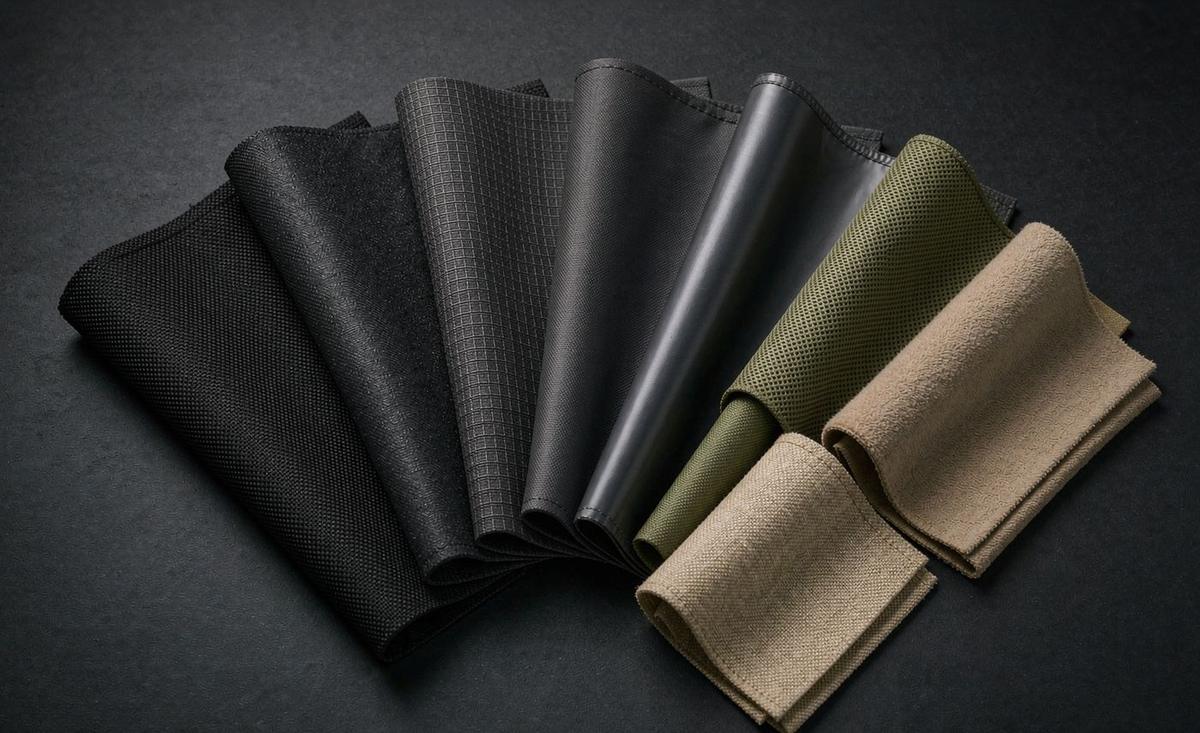
The second half of the plateau window was used for community work rather than for promotion. The creator ran a poll on an accessory decision, posted a short manufacturing clip from the workshop floor, and answered a long technical thread about zipper specification. None of this moved the pledge curve dramatically on its own. What it did was build the audience that produced the close-out surge, and it cost almost nothing. This is the logic behind the post-funding update discipline that later carried the fulfilment period.
Days 21 to 33: Stretch Goals and Community Momentum
By day 21 the pledge count had passed the level at which a third colourway was defensible against the 500 pcs per colourway minimum, and the stretch goal was announced. Public campaign data suggests stretch goals produce a measurable but decaying lift: the first unlock typically does more work than the third. In this composite the first unlock produced a visible bump over several days; later unlocks produced smaller ones.
The discipline applied to unlocks was that each one had to be production-safe. A third colourway is production-safe because it is the same style in a different material lot, and the minimum is met. A new hardware finish is less safe, because it may carry its own tooling and its own lead time. A structural change is not safe at all mid-campaign, because it invalidates the approved sample. Our team's rule is that a mid-campaign unlock may change colour or add an accessory, and may not change construction.
- Safe unlocks: additional colourway, additional accessory, bundle upgrade, packaging upgrade.
- Risky unlocks: new hardware finish, new lining material, changed strap geometry.
- Unsafe unlocks: any change to the approved sample construction, any change to dimensions.
That rule exists because of what happens next. A construction change mid-campaign forces a re-sample, and a re-sample inside the campaign window costs 6 to 10 working days, or 12 to 15 working days for a complex style, and pushes the production slot back. A campaign that closes strong and then ships three months late has traded its reputation for a stretch goal. The stretch goal data review sets out the same boundary from the data side.
During this window the production side moved from provisional to firm. Material was released against booked quantities, the production slot was confirmed, and the packing specification was drafted against the destination split that had emerged from the pledge data. Our programme coordinator treats the day-25 pledge distribution as the working forecast, because late-campaign pledges typically track the same geographic mix as early ones, and the packing spec has to be issued before mass production starts.
Days 34 to 40: The Close-Out Surge
The final week produced a surge consistent with what public campaign data suggests across the category: a meaningful share of total pledges arrives in the last 72 hours. The composite showed the last three days contributing a share well above their proportional share of the campaign duration. Two mechanisms drive this: deadline urgency, and the audience that has been watching and deciding for weeks finally acting.
The team prepared for it. The email list was notified at 72 hours, 24 hours and 3 hours. The ad budget was stepped up modestly for the final 48 hours only, after the page conversion had already been fixed. The final update stated plainly what would happen after close: when the pledge manager would open, when address locking would occur, and what the production schedule was. Setting those expectations before the surge reduces the volume of anxious questions afterwards.
One decision in the final week is worth flagging as a mistake that was avoided. There was pressure to extend the campaign. Extending is occasionally justified, but in this case the production calendar was already reserved and an extension would have pushed the delivery promise past the point the commuter cohort tolerates comfortably. Our observation is that extensions are frequently chosen for the wrong reason, to chase a number rather than to fix a problem, and that the production cost is rarely priced in.
By close, the composite stood at roughly 3,000 backers across three colourways. At that volume the order was comfortably above the 500 pcs per style and per colourway minimum for each colourway offered, which is the condition that makes the whole thing manufacturable without compromise. Our team refused one colourway request that came in during the final days precisely because it would have fallen under the minimum.
Production Readiness Running in Parallel
The defining feature of this composite, and the reason we write about it, is that production readiness was not a post-campaign phase. It ran on a parallel calendar from day 20 of pre-launch. Sampling was complete before launch. Material was held from week one. The production slot was reserved before close. That sequencing is what allowed a 35 to 50 day mass production window to begin almost immediately after the campaign ended.
For a first-time creator, the practical version of this is a two-track calendar. The marketing track runs from pre-launch through close. The production track runs from tech pack finalisation through sampling, material booking, capacity reservation and packing specification. The two tracks touch at three points: when photography needs a real sample, when the pledge count justifies a material release, and when the destination split is firm enough to write the packing spec. Our programme coordinator maintains both.
| When | Production action | Why it sits there |
|---|---|---|
| Pre-launch, days 41 to 60 | Tech pack finalised, second sample round | Page photography needs a real unit |
| Campaign, week one | Provisional material hold placed | Fabric and hardware can exceed campaign length |
| Campaign, day 25 | Production slot reserved, packing spec drafted | Mass production is 35 to 50 days |
| After close | Material released, production begins | Slot already held, no queue |
The capacity question deserves a note. Our production programme runs across 7 lines with a stated capacity of 200,000 pcs per month, and reserving a slot is a matter of calendar rather than of negotiation. A creator who closes first and books second is not buying a worse price; they are buying a later date. That is the hidden cost of treating production as a post-campaign activity, and it is why we push capacity reservation into the campaign window.
Sampling and Tooling Inside the Campaign Window
Two sampling rounds before launch, at 6 to 10 working days each, was the baseline. The composite project was not complex enough to require the 12 to 15 working days complex-style window, and no custom tooling was needed because the hardware was specified from standard components. That last decision was deliberate and it is worth explaining, because it is the single largest schedule risk in bag campaigns.
Custom hardware, a moulded back panel, or a bespoke buckle all introduce tooling. Tooling has its own lead time, its own cost, and its own failure mode: a tool that produces a slightly wrong part requires modification and re-approval. For a first campaign, our team recommends standard hardware with custom branding applied afterwards, because it removes an entire risk category from the schedule. The hardware sampling discussion covers where custom is genuinely worth it.
A third sample round did occur during the campaign, and it is worth being honest about why. After the stretch-goal colourway was unlocked, a colour-matched sample was needed for photography and for approval. That round was planned for, not a surprise, and it ran inside the standard window without delaying production. The planning mattered: an unplanned third round in the final week would have collided with the material release.
The approval discipline was equally important. Approval was given against a written checklist covering dimensions, stitch density, hardware function, colour match under standard light, and print registration. Approving against a checklist rather than against a feeling is what keeps the first article consistent with the approved sample. Our inspection standard is AQL 2.5 to ISO 2859-1, and it only means something if the approved sample itself was approved against a written spec.
Fulfilment Sequencing After the Campaign Closed
After close, three things happened in sequence: the pledge manager opened, addresses were collected and locked, and mass production began against a confirmed quantity and a confirmed destination split. Mass production ran inside the 35 to 50 day window. Inspection was conducted to AQL 2.5 to ISO 2859-1 before release. Shipment moved on FOB Xiamen terms with payment on T/T 30/70.
The ordering of those steps matters. Production should begin only after the pledge manager has produced a firm quantity and a firm destination split, because both change the packing spec. Beginning earlier, on the campaign estimate, risks producing cartons marked for the wrong hub. Our team typically builds a short gap of one to three weeks between close and production start to let the pledge manager settle, and we publish that gap in the campaign page rather than hiding it.
- Pledge manager opens within days of close; backers confirm variants and pay shipping.
- Addresses lock after a stated window; late changes are handled as exceptions, not as the norm.
- Production begins on the confirmed quantity and confirmed split, running 35 to 50 days.
- Inspection to AQL 2.5 to ISO 2859-1 before release, with a first-article check against the approved sample.
- Shipment on FOB Xiamen terms, then hub distribution and last-mile handover.
The destination split drove consolidation. Because the composite campaign's backers concentrated in North America and Western Europe, cartons were packed and marked for those hubs first, with the remainder consolidated. Getting this right required the split to be known before packing began, which is why the day-25 working forecast mattered. The fulfilment data review covers how on-time rates vary once shipments reach their destinations.
Two things went wrong and are worth naming. A hardware shipment arrived late and cost several days, absorbed by buffer rather than by the promise. And roughly a small single-digit percentage of backers changed address after locking, which created manual handling. Both were within the contingency the team had built. Neither would have been survivable without it, which is the argument for buffer design over optimistic scheduling.
What We Would Repeat and What We Would Change
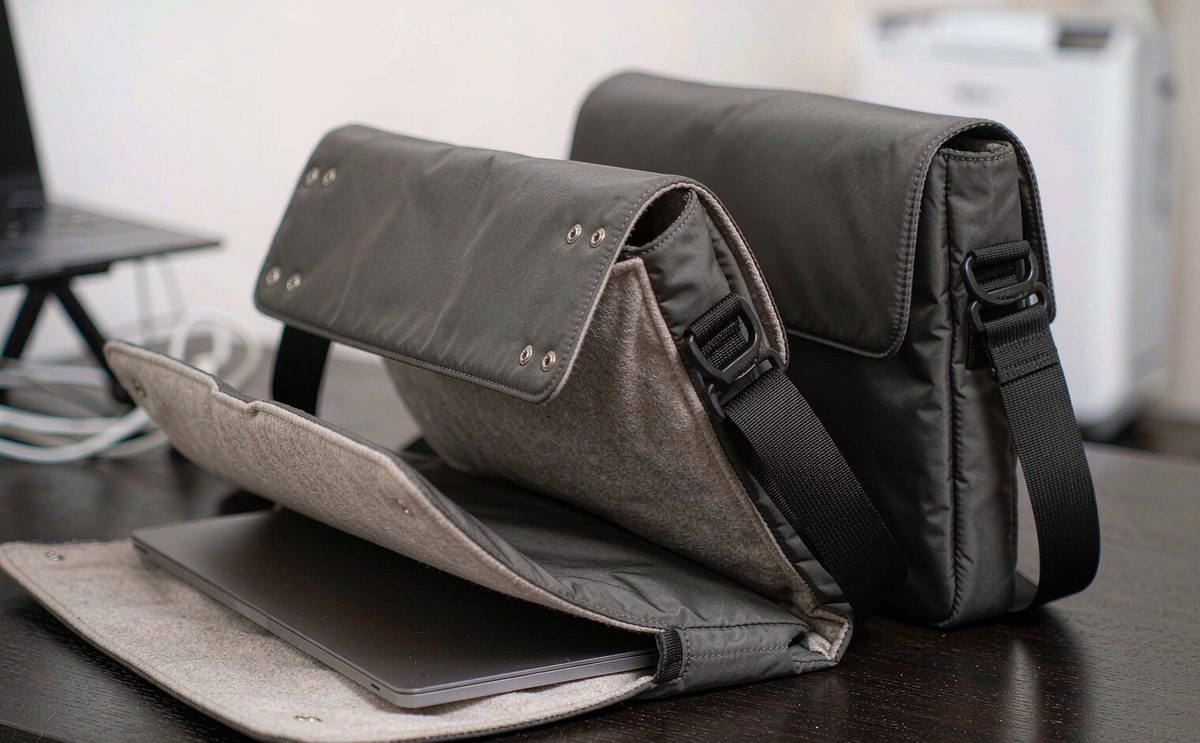
What we would repeat, in order: the colourway vote during pre-launch, which produced both a list and a demand signal; two sampling rounds before launch so the page showed a real unit; a low goal set for first-week clearance; a stretch-goal rule that forbade construction changes; and capacity reservation inside the campaign window. Each of those is cheap and each of them removed a category of risk rather than adding a feature.
What we would change is mostly about the middle of the campaign. The plateau was diagnosed correctly but diagnosed late; the visit-versus-conversion comparison should have been running daily from day one rather than being assembled reactively around day 12. We would also start the packing specification earlier, because the destination split was stable well before day 25 and waiting added avoidable pressure. Neither change would have altered the outcome dramatically; both would have reduced stress.
- Repeat: colourway vote, pre-launch double sampling, low goal, no-construction-change stretch rule, early capacity hold.
- Change: run the conversion diagnostic daily from day one, draft the packing spec earlier, widen the hardware buffer.
- Avoid: extending the campaign for a number, unlocking construction changes, adding colourways below 500 pcs.
The general lesson is unglamorous. A bag campaign that reaches 3,000 backers is usually not a campaign that found a clever growth trick; it is a campaign where the production calendar was built at the same time as the marketing calendar, and where every unlock was checked against what the workshop could actually absorb. If you want the wider framework, the crowdfunding bag guide sets out the full sequence, and the benchmark review gives the category context behind the goal-setting decision.
Send us your product type, target price and launch month, and our programme coordinator will build you a parallel production calendar that runs alongside your campaign rather than after it.
Frequently Asked Questions
Is this a real campaign with verifiable funding numbers?
No. It is a composite built from several bag campaigns our team has supported, generalised so that no client project is identifiable. The 3,000 backer figure and the 40 day duration sit at the centre of that set, and individual campaigns ranged meaningfully on both. We publish no precise funding total because we will not present an unauditable number as fact. Treat the timeline and the decision sequence as the transferable content.
How many backers came from the pre-launch email list?
In this composite, roughly two thirds of the first-week pledges came from the list built during the 60 day pre-launch. That share is an observational range, not a platform statistic, and it depends heavily on whether the creator had an audience before starting. A creator with no list should expect a materially slower first week and should set the goal accordingly rather than assuming this pattern.
How many sampling rounds happened before launch?
Two rounds, each inside 6 to 10 working days. A third round ran during the campaign to approve the stretch-goal colourway, and it was planned for in advance. Our team recommends at least two pre-launch rounds for bags because the campaign page should show a real production sample rather than a render, and backers in this category are notably sceptical of render-only pages.
Did the campaign use custom hardware or tooling?
No. Hardware was specified from standard components with branding applied afterwards. That decision removed an entire risk category from the schedule, because custom tooling carries its own lead time, its own cost, and a failure mode in which a tool produces a slightly wrong part and needs modification and re-approval before production can start. For a first campaign our team recommends this route, because it removes an entire risk category from the schedule.
What caused the mid-campaign plateau and how was it fixed?
The plateau was a page conversion problem, not a traffic problem: visits held roughly steady while visit-to-pledge conversion fell. The team held ad spend flat and changed the page instead, replacing the lead image, moving the specification table up, and restating the bundle saving in currency. We do not claim a precise lift percentage because the magnitude varied across the composite set.
How many reward tiers did the campaign run?
Three real tiers plus one high anchor tier that accounted for a small share of pledges. The early-bird tier drove the day-one surge, the lead tier carried the volume, and the two-unit gift bundle raised average order value. In our observation, four tiers is roughly the point where additional tiers stop adding revenue and start slowing the backer decision. The high anchor tier existed mainly to make the middle tier look reasonable rather than to drive volume.
When was production capacity reserved?
During the campaign, around day 25, before close. Reserving early matters because mass production runs 35 to 50 days and a creator who closes first and books second is not buying a worse price, they are buying a later date. Our production programme runs across 7 lines at 200,000 pcs per month, and slot reservation is a calendar matter rather than a negotiation.
What stretch goals were allowed mid-campaign?
Only unlocks that did not change the approved construction. Additional colourways, accessories and packaging upgrades were treated as safe; new hardware finishes, new lining materials and changed strap geometry were treated as risky; any dimensional or structural change was treated as unsafe because it invalidates the approved sample and forces a re-sample of 6 to 10 working days. A construction change mid-campaign also forces a re-sample and pushes the production slot back by days.
How long did mass production take after the campaign closed?
Inside the standard 35 to 50 day window, because the slot had already been reserved and material had been held from week one. Inspection to AQL 2.5 to ISO 2859-1 was completed before release, with a first-article check against the approved sample. Shipment moved on FOB Xiamen terms with payment on T/T 30/70. That window was achievable because the slot had been reserved during the campaign and material was already held.
Why was there a gap between campaign close and production start?
To let the pledge manager settle. Production should begin only once the pledge manager has produced a firm quantity and a firm destination split, because both change the packing specification and carton marking. Our team typically builds a one to three week gap and publishes it on the campaign page rather than hiding it, because a hidden gap reads as a delay later.
What went wrong in this campaign?
Two things. A hardware shipment arrived late and cost several days, absorbed by buffer rather than by the delivery promise. And a small single-digit percentage of backers changed address after locking, creating manual handling. Both were inside the planned contingency. Neither would have been survivable without the buffer, which is the argument for designing slack into the schedule. Both are the reason our team builds explicit buffer into the schedule rather than planning to the optimistic date.
Can a first-time creator copy this timeline?
The sequencing, yes; the numbers, no. The transferable parts are the parallel production calendar, the low goal set for first-week clearance, the pre-launch colourway vote, and the stretch-goal rule against construction changes. A first-time creator launching a higher-priced product with no existing audience should expect a slower curve and should adjust the goal rather than the calendar. The goal should flex to the audience you actually have, not to the outcome you would like to repeat.
People Also Ask
How many backers can a bag campaign reach in 40 days?
It depends almost entirely on pre-launch audience. The composite here reached roughly 3,000, but that figure reflects a list built over 60 days and should be read as an observed range, not a benchmark.
Should production start before or after a campaign closes?
Neither exactly: sampling and material holding should happen before and during, while mass production should start after the pledge manager produces a firm quantity and destination split.
How many sample rounds does a bag campaign need?
At least two before launch, each 6 to 10 working days, so the page shows a real unit. Complex styles typically need 12 to 15 working days per round.
What is a safe stretch goal for a bag campaign?
A new colourway, an accessory or a packaging upgrade. Anything that changes the approved construction forces a re-sample and pushes the production slot back.
Why do bag campaigns plateau in week two?
It is structural rather than a symptom. The useful response is to compare visits against conversion first; steady visits with falling conversion means the page needs work, not the ad account.
How long after close do bag backers wait?
Typically mass production of 35 to 50 days plus inspection, freight and customs. The delivery promise should be built backwards from that rather than forwards from optimism.
Does custom tooling delay a bag campaign?
Yes, frequently. Standard hardware with branding applied afterwards removes the tooling lead time and the risk of a tool producing a part that needs modification.