How Colourway Stretch Goals Change Funding and Production
Colourway stretch goals are the highest-leverage unlock in a bag campaign and the one most likely to break the production plan. The unlock that moves funding most is a second or third colourway, because it gives existing backers a reason to raise a pledge or add a unit. The catch is that MOQ 500 pcs per style and per colourway makes every colour a separate 500-unit block, and a late unlock adds 6 to 10 working days of sampling plus up to 50 days of bulk. Build your ladder from the cost sheet, not from the funding graph.
- Why Stretch Goals Behave Differently for Bag Campaigns
- The Five Unlock Types and What Each One Costs Production
- The MOQ Wall: 500 Units per Style and per Colourway
- Pricing the Unlock: Margin Math Before You Announce It
- What a Late Unlock Adds to the Schedule
- Material and Hardware Risk in Late-Stage Unlocks
- Backer Psychology: Ladders, Voting and Perceived Momentum
- Building the Ladder Backwards From Your Cost Sheet
- Fulfilment Load: The SKU Multiplier Nobody Budgets For
- What We Do When a Colourway Unlocks After Funding Closes
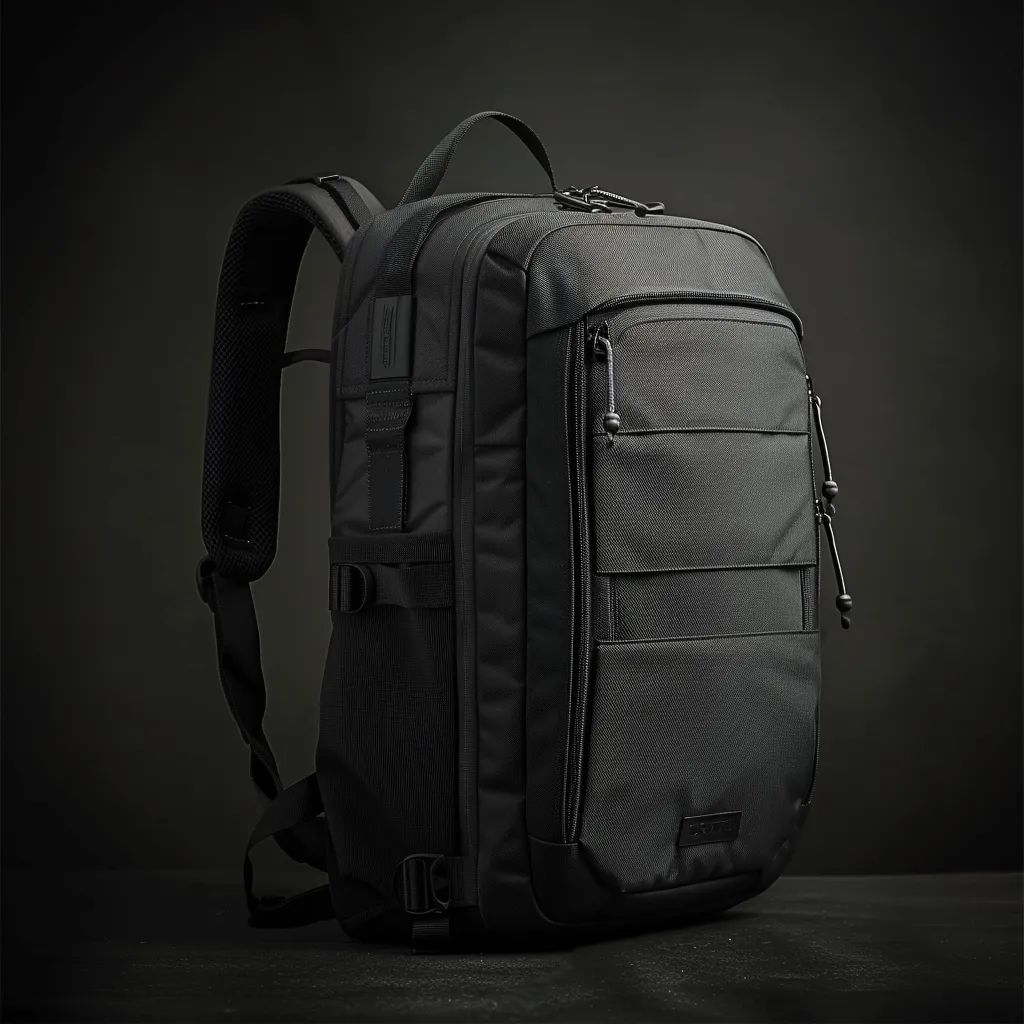
Colourway stretch goals are the single highest-leverage unlock available to a bag campaign, and they are also the one most likely to break the production plan behind it. The reason is arithmetic. A new colour is not a cosmetic toggle you flip in a file; under a MOQ 500 pcs per style and per colourway structure, every colour you promise is its own 500-unit block of fabric, lining, webbing, thread and hardware that has to be purchased, cut, sewn, inspected and packed. Announce three extra colours and you have moved from one 500-unit commitment to four of them, and you have done it while the campaign is still counting money.
This is why we ask creators to design their stretch ladder from the cost sheet rather than from the funding graph. The funding graph tells you what backers want to see. The cost sheet tells you what you can actually deliver on the date you have already printed on the campaign page. A ladder built only from the first source produces unlocks that look generous on day 20 and turn into a delay announcement on day 200. A ladder built from both sources produces unlocks that are slightly less spectacular and actually ship.
A stretch goal is a production commitment made in public. Treat the announcement as the moment you sign the purchase order, not as marketing copy.
Why Stretch Goals Behave Differently for Bag Campaigns
In software, tabletop games and printed goods, a stretch goal usually adds something whose marginal cost falls as volume rises. A new card, a new colour of dice, an extra app feature: these are cheap to add once the base production run is already committed. Bags do not behave that way. A bag is an assembly of between 20 and 60 separate components depending on complexity, and most of those components are colour-specific. Shell fabric, lining, binding tape, webbing, zipper tape, zipper slider, puller cord, thread and printed labels all have to exist in the new colour before the first stitch goes in.
Three structural features of bag production drive the difference. First, minimum order quantities are set per colourway, not per style, because a colour change means a new dye lot or a new roll of finished fabric. Second, most materials are made to order rather than held in stock, which puts a procurement lead time in front of every new colour. Third, decoration processes such as screen print, heat transfer and embroidery need their own setup and registration check for each colour combination, and that setup has to be sampled and approved.
- Per-colourway minima: fabric mills and trim suppliers price by dye lot, so 500 units of one colour costs the same to set up as 500 units of another.
- Made-to-order materials: the shell, lining, webbing and zipper tape for a new colour are normally produced after your order is confirmed, not pulled off a shelf.
- Decoration setup: print screens, embroidery digitising and heat-transfer plates are specific to a colour and artwork pairing.
- Inspection scope: an extra colourway means an extra AQL 2.5 to ISO 2859-1 inspection lot, not an extension of the existing one.
The practical consequence is that a colourway unlock has a step-shaped cost curve. Below roughly 500 units per colour, the per-unit cost carries a setup penalty that can reach 15 to 30 percent above the run-rate price. At or above 500 units, the curve flattens and the colour becomes economically ordinary. That step is the whole game: a stretch goal that unlocks a colour you can fill to 500 units is profitable, and one that unlocks a colour you can only fill to 180 units is a subsidy you pay for with your margin.
Key takeaways
- B
- a
- g
- s
- t
- r
- e
- t
- c
- h
- g
- o
- a
- l
- s
- a
- r
- e
- s
- t
- e
- p
- -
- c
- o
- s
- t
- d
- e
- c
- i
- s
- i
- o
- n
- s
- d
- i
- s
- g
- u
- i
- s
- e
- d
- a
- s
- m
- a
- r
- k
- e
- t
- i
- n
- g
- d
- e
- c
- i
- s
- i
- o
- n
- s
- .
- E
- v
- e
- r
- y
- u
- n
- l
- o
- c
- k
- s
- h
- o
- u
- l
- d
- b
- e
- t
- e
- s
- t
- e
- d
- a
- g
- a
- i
- n
- s
- t
- a
- 5
- 0
- 0
- -
- u
- n
- i
- t
- f
- l
- o
- o
- r
- b
- e
- f
- o
- r
- e
- i
- t
- i
- s
- a
- n
- n
- o
- u
- n
- c
- e
- d
- .
The Five Unlock Types and What Each One Costs Production
Not all stretch goals carry the same production weight. Some cost almost nothing and can be unlocked at any point in the campaign. Others force a re-plan of procurement and can only be absorbed if they land early. The table below separates the five unlock types we see most often in bag campaigns by their effect on sampling time, bulk time and risk. Use it as a sorting tool when you are choosing what to put on the ladder, and be honest about which column your audience actually cares about, because an unlock that nobody wants will not move funding regardless of how easy it is to make.
| Unlock type | Sampling impact | Bulk impact | Relative risk |
|---|---|---|---|
| Colourway of an existing shell | One extra round, 6 to 10 working days | 7 to 15 extra days for material | Low, if 500 units is reachable |
| New lining or interior colour | Usually folded into an existing round | 3 to 7 extra days | Low |
| Hardware upgrade or finish change | One round, 6 to 10 working days | 5 to 12 days for plating or moulding | Medium |
| Add-on accessory in matching fabric | One round, 6 to 10 working days | Runs alongside main order | Medium |
| New size or new silhouette | Two to three rounds, 12 to 15 working days | Adds a full parallel line | High |
The colourway unlock sits in the sweet spot because it reuses tooling, patterns and the sewing sequence that have already been proven on the base style. What changes is the material input and the decoration setup. That is why it is cheap relative to a new silhouette and expensive relative to a lining swap. A new silhouette, by contrast, needs its own pattern grading, its own first article inspection, and often its own reinforcement testing, which is why we advise against putting one on a stretch ladder unless you have already sampled it before launch.
One pattern we see repeatedly is a campaign that puts a small accessory on the ladder first, a colourway second, and a size extension third. That ordering is backwards from a production point of view. The size extension is the item that needs the most lead time, so it should either be unlocked first or dropped entirely. If you only sequence the ladder by what backers find exciting, you will systematically push the hardest items to the point in the schedule where you have the least time to make them.
The MOQ Wall: 500 Units per Style and per Colourway
MOQ 500 pcs per style and per colourway is the number that decides whether your colourway stretch goal is a profit centre or a write-off. It is worth being precise about what it does and does not mean. It does not mean you must order 500 of every colour you show. It does mean that once you commit to producing a colourway, the order block for that colourway is 500 units, and the unit price you were quoted assumes that block. Order 200 and you are either paying a penalty or asking your sourcing partner to carry 300 units of dead stock, which is not a favour you can ask for twice.
Consider a campaign with a 3,000-backer target and three promised colours. A naive split gives 1,000 units per colour, comfortably above the floor, and the plan works. Now consider the same campaign where funding lands at 1,400 backers spread across three colours. The average drops to roughly 467 per colour, and one colour is likely to land near 300. That colour is below the floor. Your options are to consolidate it into a different colour, to pay a below-minimum surcharge of perhaps 8 to 15 percent, or to carry the balance into post-campaign retail, which is a channel most first-time creators have not built.
- Before you announce, model the colour split at 60 percent of your funding target, not 100 percent. Unlocks that survive that test are safe.
- Keep the base colour dominant. Most campaigns find the launch colour takes 40 to 60 percent of volume regardless of what is offered.
- Cap the ladder at three colours unless your backer count comfortably exceeds 3,000.
- Decide the fallback first. Write down what happens if a colour lands at 300 units before you need the answer.
The structural workaround is to make colourways share as much of the bill of materials as possible. If all three colours use the same lining, the same webbing, the same hardware finish and the same zipper tape, then only the shell fabric is colour-specific, and the exposure shrinks to one line item. That is a design decision you make during sampling, not during the campaign. It is also the cheapest risk reduction available to you, and it is the one most often skipped because colourways are usually chosen for how they photograph rather than for how they buy.
Model every colourway at 60 percent of target volume. If it still clears 500 units, the unlock is safe to announce.
Pricing the Unlock: Margin Math Before You Announce It
A colourway unlock has to be priced before it is announced, and the pricing has to survive the three deductions that creators routinely forget: platform and payment fees, shipping, and the production cost of the extra unit itself. The arithmetic is unglamorous. If a reward tier is priced at 89 with a landed unit cost of 26 and shipping of 18, the gross contribution before fees is 45. Platform and payment processing typically take 8 to 12 percent of the pledge, which is roughly 9 here, leaving about 36. That is a healthy tier. An unlock that adds a second bag at a discounted price of 49 against the same 26 and 18 leaves 5 before fees, which is negative once fees are applied.
| Line item | Single bag at 89 | Second bag add-on at 49 |
|---|---|---|
| Pledge income | 89.00 | 49.00 |
| Landed unit cost | 26.00 | 26.00 |
| Backer shipping | 18.00 | 16.00 |
| Platform and payment fees (10%) | 8.90 | 4.90 |
| Net contribution | 36.10 | 2.10 |
| Contribution margin | 41% | 4% |
The pattern matters more than the exact figures, which will vary with your product, region mix and carrier contract. The point is that add-on pricing is where stretch goal economics usually fail. A second bag feels cheaper to make because you are already running the line, and in some sense it is, but the material and labour content of the second unit is very close to the first. The saving is in setup amortisation, not in the unit. If you want an add-on that helps rather than hurts, price it at 70 to 85 percent of the standalone reward price, not at 50.
There is one genuine exception. An add-on that uses the same shell fabric as the base colour, ships in the same carton and requires no new decoration setup does save real money, because it consumes material that is already being cut and adds picking labour that is close to marginal. Packing cube sets, shoe bags and zipper pouches built from shell offcuts are the classic version of this. Our custom bag sampling data shows where those items add rounds to the sampling plan and where they do not.
What a Late Unlock Adds to the Schedule
A stretch goal that unlocks on day 25 of a 30-day campaign has a very different schedule cost from one that unlocks on day 3, and the difference is larger than most creators expect. Sampling for a new colourway runs 6 to 10 working days for a straightforward shell swap and 12 to 15 working days where the build is complex or the decoration needs registration checks. Bulk production then runs 35 to 50 days after sample approval. Those two blocks are sequential, not parallel, which means the unlock date directly sets the delivery date.
- Unlock day: the ladder tier is confirmed and backers can select the new colour.
- Days 1 to 3: our programme coordinator converts the unlock into a material order and confirms the dye lot with the mill.
- Days 4 to 14: the colourway sample is built and photographed for approval.
- Days 15 to 17: approval is signed off and the material is released to cutting.
- Days 18 to 62: bulk production, inline checks and final AQL 2.5 to ISO 2859-1 inspection.
- Days 63 to 85: consolidation, export formalities and onward movement from FOB Xiamen.
Read that sequence against a typical promise. A campaign that closes in early March and promises September delivery has about 190 days, which absorbs the path above with room to spare. A campaign that closes in early March and promises June delivery has roughly 100 days, which does not absorb a late unlock plus a normal bulk run plus ocean transit. The delay is not caused by anything going wrong. It is caused by a schedule that was arithmetically impossible on the day it was published.
The fix is to set the delivery date from the critical path rather than from enthusiasm. Take the later of your last unlock date and your funding close date, add sampling, add bulk, add transit, then add a buffer of 15 to 25 days for the things that are individually unlikely and collectively certain. If the resulting date is uncomfortably late, the honest response is to compress the ladder, not to shorten the promise. You can read more about how this sequencing works in our crowdfunding bag guide.
Material and Hardware Risk in Late-Stage Unlocks
Colourways fail in specific, predictable ways, and almost all of them are material problems rather than construction problems. The first is dye lot variation. A mill produces your navy in a lot, and a second lot produced six weeks later will differ slightly. The difference may be invisible on a screen and obvious when two bags sit next to each other in a backer's hallway. The mitigation is to approve against a physical lab dip or a signed shade band rather than a photograph, and to keep the approved reference at the production floor for comparison.
The second is hardware finish mismatch. A black shell with gunmetal hardware and a black shell with antique brass hardware are two different products, and the hardware usually carries a longer lead time than the fabric. Plated finishes in particular can add 5 to 12 days, and they are the component most likely to be substituted under pressure. If your ladder promises a hardware change alongside a colour change, you have doubled the procurement exposure.
- Shell fabric: approve a physical dip, record the lot reference, and require the bulk lot to match the approved standard under D65 lighting.
- Zipper tape and slider: these are dyed separately from the shell and are the most common source of visible mismatch.
- Webbing and binding: often from a third supplier entirely, with their own dye lot and their own tolerance.
- Print and embroidery: a colour change means new registration checks, because ink and thread behave differently on different grounds.
- Thread: matching thread is specified separately and is frequently forgotten until the first sample is sewn.
The third failure mode is decoration registration. A logo that sits cleanly on a black shell may show a halo on a lighter colour, or may shift when the print is applied to a different coating. This is why we build a decoration check into the colourway sample round rather than approving the shell colour on its own. It is one extra step and it prevents the most expensive class of rework, which is a finished bulk order that cannot be shipped because the logo is wrong.
Backer Psychology: Ladders, Voting and Perceived Momentum
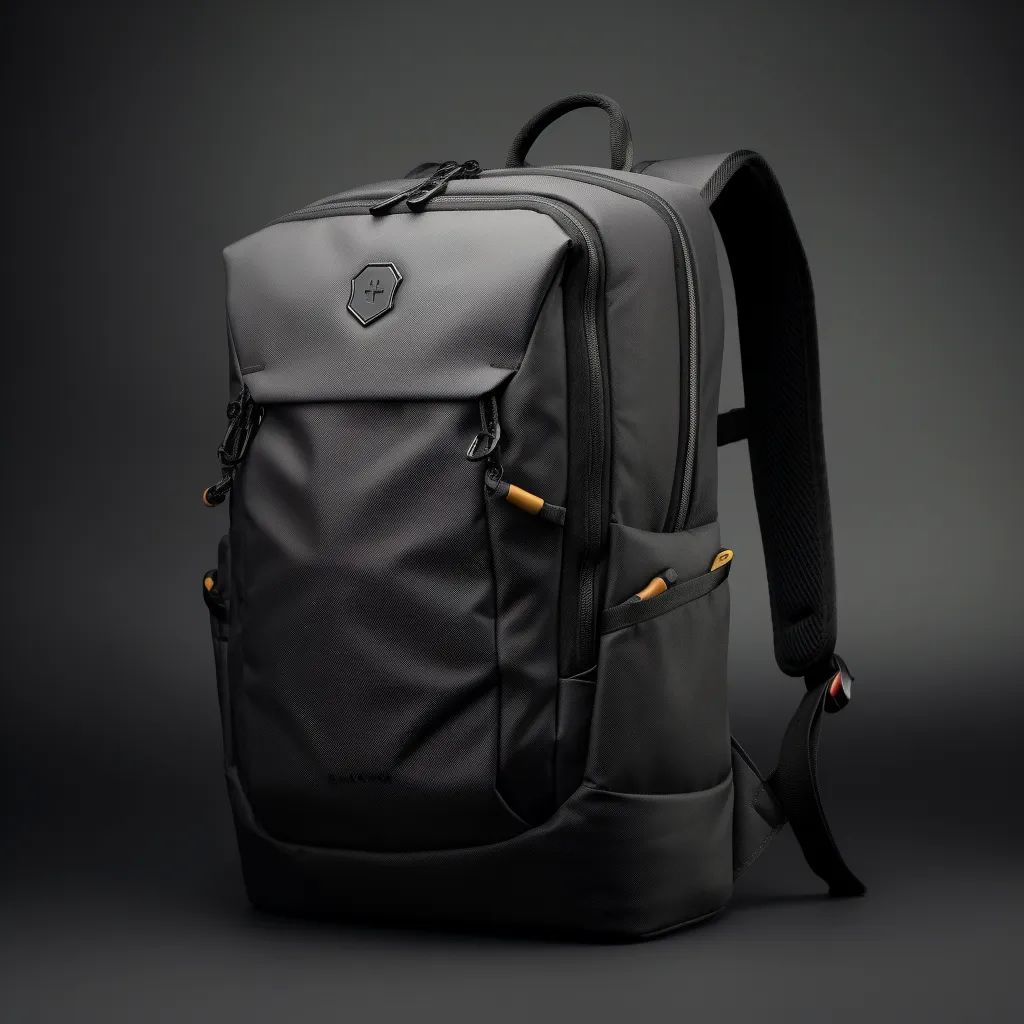
The reason colourway unlocks work on backers is not that people want more choice in the abstract. It is that a new colour gives an existing backer a concrete reason to act: to switch a pledge, to add a unit, or to tell someone who was waiting for the right colour. That is an action trigger, and action triggers are what move a funding curve in the final third of a campaign when the initial audience has already pledged.
Three mechanics do most of the work. Visible momentum is the first: an unlock that lands while the campaign is still being talked about produces a second news cycle, and the second cycle reaches people who ignored the first. Vote mechanics are the second: letting backers choose between two colourways costs you nothing in production terms if you have already committed to make one of them, and it buys engagement that a simple announcement does not. Scarcity framing is the third, and it is the one most often overused. A colour that is genuinely limited carries weight; a colour described as limited and then sold in retail six months later costs you more trust than the unlock earned.
The failure pattern is a ladder built for the graph rather than for the audience. A campaign that unlocks five colours has not created five reasons to pledge; it has created decision paralysis and a production plan with five separate 500-unit blocks. In the campaigns we have supported, ladders of two to three colourways outperform ladders of five or more on both funding per backer and on-time delivery. The second of those two results is the one that determines whether you get to run a second campaign.
We stopped announcing colours we had not costed. The funding curve moved slightly less. The delivery date moved four months earlier.
If you want the engagement benefit without the production exposure, offer the vote between two colourways that use identical materials and identical decoration. You get the news cycle and the participation, and your bill of materials does not change at all. Where a colourway genuinely requires new material, our stretch goal planning notes set out the sequence we use to cost it before the tier is published, and the MOQ breakdown explains how the 500-unit floor applies when colours are split across a single style.
Building the Ladder Backwards From Your Cost Sheet
Building the ladder backwards means starting from the unit cost of each unlock, applying the 500-unit floor, and only then deciding what to announce. It feels slower than sketching a ladder on a whiteboard, and it is considerably faster than explaining a four-month delay to 2,000 people. The sequence below is the one our production team works through with creators during sampling, before the campaign page is written.
- Cost every candidate unlock at three volumes: 500, 1,000 and 2,000 units per colourway.
- Apply the 500-unit floor and discard anything that cannot realistically reach it at 60 percent of target funding.
- Add the sampling days for each surviving unlock: 6 to 10 working days, or 12 to 15 for complex builds.
- Add the bulk block of 35 to 50 days and check the resulting date against your promise.
- Sequence the ladder hardest-first, so the items with the longest lead time unlock earliest.
- Write the fallback for each tier: consolidation into another colour, a surcharge, or a retail carry.
- Publish only the tiers that survived all six steps.
The ordering discipline in step five is the part that most often gets dropped, and it is the part that protects the delivery date. A new size needs pattern work and a first article inspection. A new hardware finish needs plating time. A new shell colour needs a dye lot. If you unlock them in the order backers find most exciting, you will typically end with the longest item last. If you unlock them in the order of decreasing lead time, the schedule compresses by two to four weeks without anything moving faster than it already could.
There is also a cash dimension worth stating plainly. Payment terms of T/T 30/70 mean 30 percent is due to start production and 70 percent before shipment. A late unlock that pushes your schedule back also pushes the 70 percent payment later, which sounds like good news and usually is not, because it also pushes backer delivery and the point at which you can take post-campaign orders. The modelling work in our market sizing guide covers how to test this before you commit.
Fulfilment Load: The SKU Multiplier Nobody Budgets For
Every colourway you add multiplies the work at the fulfilment end, and the multiplier is not linear. Picking accuracy, packing verification and address labelling all scale with SKU count, while the fixed cost of a pick face, a carton spec and a system record is incurred per colourway regardless of volume. A campaign shipping one colour can pack from a single stack. A campaign shipping four colours needs four pick faces, four verification checks and a way to prove which colour went into which parcel after the fact.
| Colourways | Pick faces | Units per colour | Packing verification passes |
|---|---|---|---|
| 1 | 1 | 2,000 | 1 |
| 2 | 2 | 1,000 | 2 |
| 3 | 3 | 667 | 3 |
| 4 | 4 | 500 | 4 |
| 6 | 6 | 333 | 6 (below MOQ floor) |
The last row is the one to notice. At six colourways and 2,000 units, every colour falls below the 500 pcs per style and per colourway floor, which means the campaign is either paying surcharges on all six or carrying dead stock on all six. This is the arithmetic that quietly kills the ambitious ladder. It does not fail dramatically during the campaign, when theUnlock list looks impressive. It fails quietly in month four, when someone has to reconcile six small material balances against a delivery promise.
The practical mitigation is to cap colourways at three, to make the base colour dominant by pricing it below the alternatives, and to confirm the packing and labelling plan during sampling rather than after bulk. Our fulfilment data by region shows how SKU count interacts with transit time once parcels leave the consolidation point, which is where colourway complexity usually shows up as late deliveries rather than as packing errors.
What We Do When a Colourway Unlocks After Funding Closes
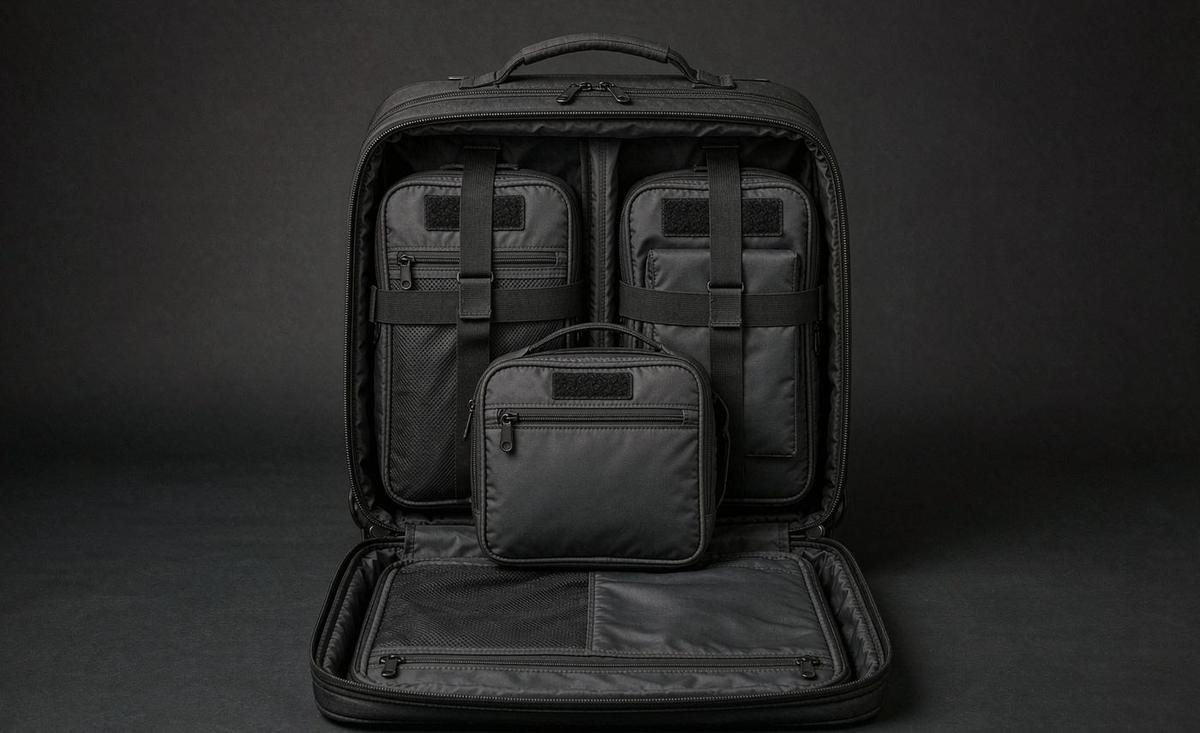
The most common question we get after a campaign closes is what to do about a colourway that unlocked in the final 72 hours. The answer depends on when it landed relative to your material order, and the honest version of that answer is that late unlocks are usually absorbed by changing the material plan rather than by changing the promise. If the unlock landed before the shell fabric was ordered, it can usually be folded into the same procurement block with a delay of 7 to 15 days. If it landed after, it needs a separate block, a separate sample round and its own inspection lot.
What we do in practice is hold three levers. The first is consolidation: if a late colour lands below 500 units, we model whether backers will accept the nearest existing colour, and in most cases a clear, early message with a small compensation gets 60 to 80 percent acceptance. The second is scheduling: we move the late colourway to the end of the line so the bulk of the order ships on the original date and only the late colour is delayed. The third is carry: we produce at the 500-unit floor and hold the balance for post-campaign retail, which only works if you have that channel.
- Before the material order: fold the colour in, expect 7 to 15 extra days.
- After the material order: separate block, 6 to 10 working days sampling plus a fresh bulk slot.
- Below 500 units: consolidation, surcharge or retail carry, decided in that order.
- Always: publish the revised date once, early, with the reason stated in production terms.
The communication principle is worth stating separately because it is where most campaigns lose the room. Backers are remarkably tolerant of delay and remarkably intolerant of silence. A delay explained in production terms, with the specific cause and the specific new date, is usually accepted. A delay announced late, vaguely, or not at all produces refund requests, chargebacks and comments that outlive the campaign. Our post-funding update research covers the update cadence that keeps trust intact when the schedule moves.
Key takeaways
- A
- l
- a
- t
- e
- c
- o
- l
- o
- u
- r
- w
- a
- y
- i
- s
- a
- m
- a
- t
- e
- r
- i
- a
- l
- p
- l
- a
- n
- n
- i
- n
- g
- p
- r
- o
- b
- l
- e
- m
- f
- i
- r
- s
- t
- a
- n
- d
- a
- c
- o
- m
- m
- u
- n
- i
- c
- a
- t
- i
- o
- n
- p
- r
- o
- b
- l
- e
- m
- s
- e
- c
- o
- n
- d
- .
- S
- o
- l
- v
- e
- i
- t
- i
- n
- t
- h
- a
- t
- o
- r
- d
- e
- r
- a
- n
- d
- t
- h
- e
- s
- e
- c
- o
- n
- d
- h
- a
- l
- f
- i
- s
- e
- a
- s
- y
- .
Send us your draft stretch ladder and we will cost each tier against the 500-unit floor before you publish it.
Frequently Asked Questions
What is the minimum order quantity for an extra colourway in a bag campaign?
The structure is MOQ 500 pcs per style and per colourway, so each colour you commit to produce is its own 500-unit block. That block covers shell fabric, lining, webbing, zipper tape and any colour-matched thread. If a colour lands below 500 units you are looking at a below-minimum surcharge, typically in the 8 to 15 percent range, or a decision to consolidate backers into another colour.
How many colourways can a crowdfunding bag campaign realistically support?
Three is the practical ceiling for most campaigns. At 2,000 total units, three colourways average about 667 units each, which clears the 500-unit floor with margin. At six colourways the same order averages 333 per colour, which puts every single colour below the floor. Ladders of two to three colours also tend to convert better, because long lists produce decision paralysis rather than extra pledges.
How much sampling time does a new colourway add?
A straightforward shell colour swap adds one sampling round of 6 to 10 working days. A complex build, or one where the decoration needs fresh registration checks on a new ground, runs 12 to 15 working days. That sampling block sits in front of bulk production rather than alongside it, so the 6 to 15 days comes straight off your delivery promise unless it is already in the buffer.
Can I unlock a colourway after the campaign has closed?
You can, but it is a production decision rather than a marketing one. If the shell fabric has not yet been ordered, the colour can usually be folded into the same procurement block with 7 to 15 extra days. If material is already on order, the colour needs a separate block, its own 6 to 10 working day sample round, and a separate AQL 2.5 to ISO 2859-1 inspection lot.
Do colourway stretch goals actually increase funding?
They increase funding per backer more reliably than they increase backer count. A new colour gives an existing backer a reason to act: switch a pledge, add a unit, or tell someone who was waiting. That is worth more in the final third of a campaign than any amount of new audience, because the initial audience has already pledged and needs a trigger to come back.
Should the extra colourway be free for existing backers or a paid add-on?
Paid, at 70 to 85 percent of the standalone reward price. The material and labour content of a second bag is very close to the first, so a 49 add-on against a 26 landed cost and 16 shipping leaves about 2 before platform fees, which is negative once those fees are applied. The exception is an accessory built from the same shell fabric, where the marginal cost genuinely is lower.
What is the biggest risk when promising extra colours?
Dye lot variation. A mill produces your colour in a lot, and a second lot made six weeks later differs slightly. The difference is invisible on a screen and obvious when two bags sit side by side. Approve against a physical lab dip or signed shade band, record the lot reference, and hold the approved reference at the production floor for comparison under standard lighting.
How does a colourway unlock affect the bulk production schedule?
Bulk production runs 35 to 50 days after sample approval, and the sampling for the new colour has to complete first. So the unlock date sets the approval date, which sets the bulk start, which sets the delivery date. Unlocking a colour on day 25 of a 30-day campaign costs you roughly three more weeks than unlocking it on day 3.
Can two colourways share the same lining, webbing and hardware?
Yes, and it is the cheapest risk reduction available. If all colours share lining, webbing, hardware finish and zipper tape, then only the shell fabric is colour-specific and the exposure shrinks to one line item. This is a design decision made during sampling, and it is usually skipped because colourways get chosen for how they photograph rather than for how they buy.
What happens if a colourway only gets 300 backers?
You have three options, in the order we recommend them. Consolidate: offer backers the nearest existing colour with a clear early message and small compensation, which typically gets 60 to 80 percent acceptance. Pay: accept a below-minimum surcharge of roughly 8 to 15 percent. Carry: produce at the 500-unit floor and hold the balance for post-campaign retail, which only works if that channel already exists.
Does an extra colourway mean an extra quality inspection?
It means an extra inspection lot. AQL 2.5 to ISO 2859-1 sampling is applied per lot, and each colourway with distinct material is treated as its own lot for shade, print registration and trim consistency. Budget the inspection days into the schedule as well as the fee, because the inspection happens at the end of bulk when there is least time to recover.
How early should I decide the stretch ladder?
Before the campaign page is written, and ideally during sampling. The ladder has to be costed against the 500-unit floor, checked against the sampling calendar, and cross-checked against material lead times. If you decide it during the campaign you are making production commitments in public without a cost sheet, which is how a funding success turns into a delivery failure.
People Also Ask
How many colourways should a Kickstarter bag offer?
Two to three. That range keeps every colour above the 500 pcs per colourway minimum at realistic volumes and avoids decision paralysis. Longer ladders look generous and usually cost more than they earn.
Does adding a colourway delay delivery?
Yes, typically 7 to 15 days for material and 6 to 10 working days for the sample round, sometimes 12 to 15 for complex builds. Unlock colours early in the campaign to absorb it.
What is MOQ per colourway?
500 pcs per style and per colourway. Each colour is a separate production block, not a variation inside one block, because colour changes require a new dye lot.
Are colourway stretch goals worth it?
They lift funding per backer by giving existing backers a reason to act again. They are worth it when the colour can reach 500 units and shares materials with the base style.
How much should a second bag add-on cost?
70 to 85 percent of the standalone reward price. Below that, the material and labour content of the second unit plus platform fees usually pushes contribution negative.
Can I change a colourway after funding closes?
Only if the material has not been ordered. After that, it is a separate production block with its own sampling round and inspection lot, plus 7 to 15 extra days.
What causes colour mismatch in bulk bags?
Dye lot variation between mill runs, and separately dyed components such as zipper tape, webbing and thread. Approve physical shade bands and keep them on the production floor.